




china electric check valve Performance Analysis
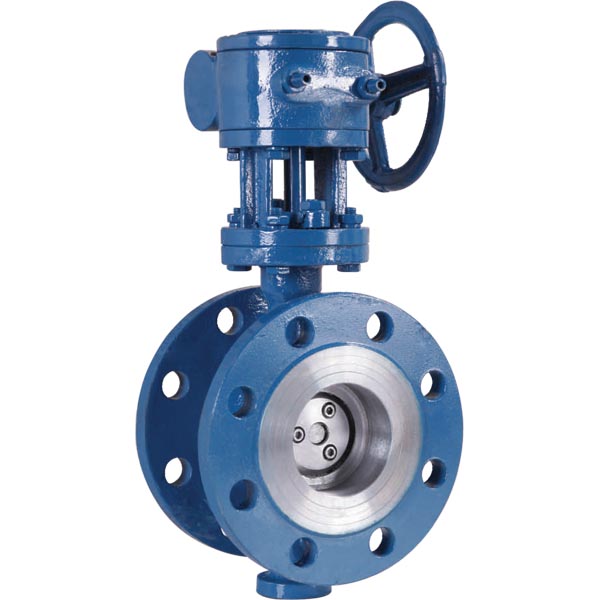
Introduction
China electric check valves are integral components in fluid handling systems, designed to prevent backflow in pipelines while enabling unidirectional flow. Their actuation – typically solenoid or motor-driven – allows for remote control and integration into automated processes, distinguishing them from traditional swing or lift check valves. These valves find application across a diverse range of industries including petrochemicals, power generation, water treatment, and oil & gas, where maintaining process integrity and preventing contamination are critical. The core performance characteristics center around sealing efficiency, response time, cycle life, and compatibility with the conveyed fluid. A key industry pain point revolves around balancing the need for robust construction with cost-effectiveness, particularly given the competitive landscape of Chinese manufacturing. Another crucial aspect is ensuring consistent quality control to meet international standards and avoid premature failure in demanding applications.
Material Science & Manufacturing
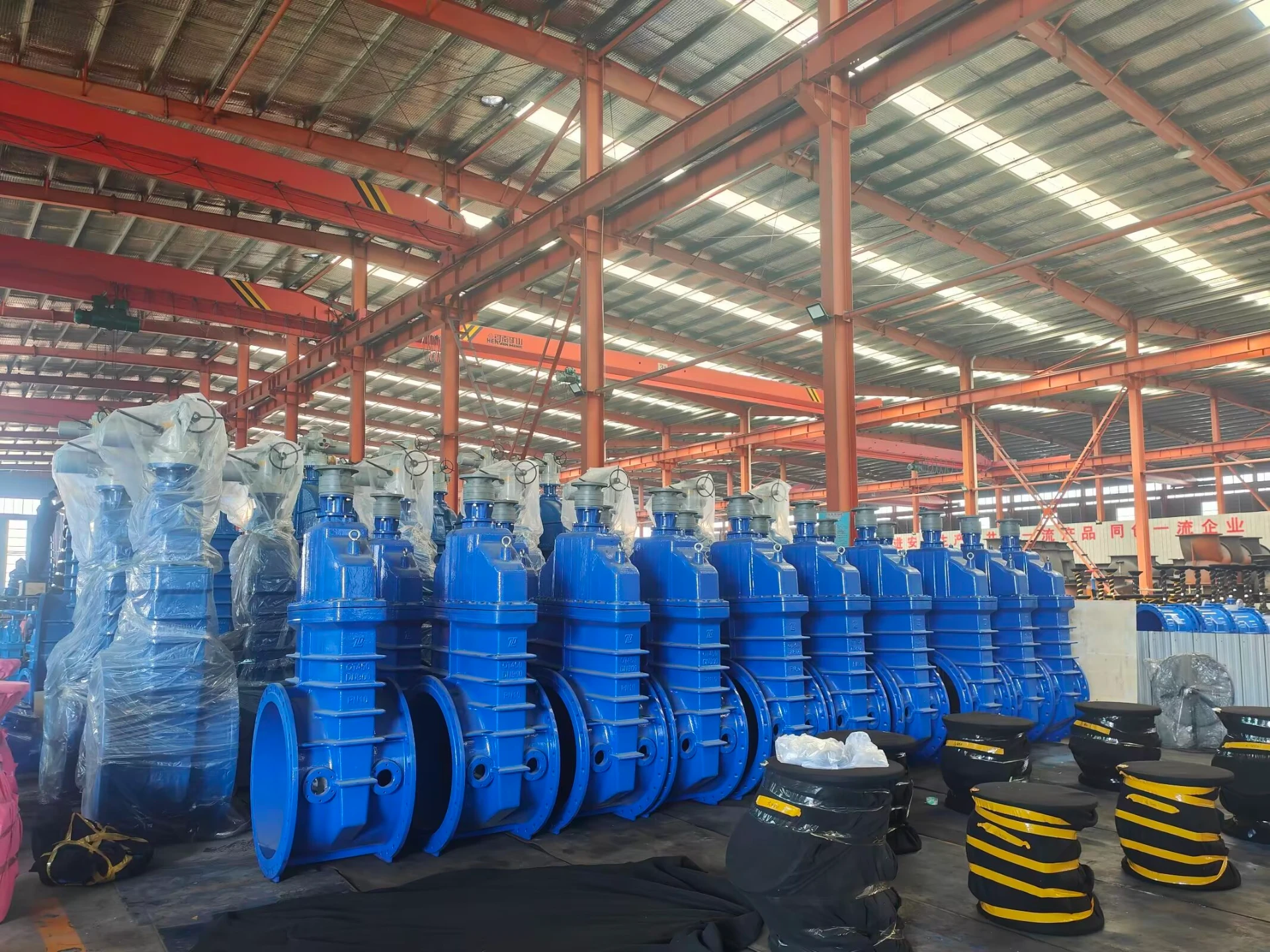
The body material of a china electric check valve is most commonly constructed from cast iron (ASTM A126 Class B), ductile iron (ASTM A536 65-45-12), or stainless steel (304, 316). The selection depends heavily on the fluid being handled and the operating environment. Cast iron offers cost-effectiveness for non-corrosive applications, but its limited corrosion resistance necessitates protective coatings. Ductile iron provides increased strength and impact resistance. Stainless steel, particularly 316, is preferred for corrosive fluids and high-temperature services. Seat materials are typically EPDM, PTFE, or Viton, chosen for their chemical compatibility and sealing properties. Actuator housings are often aluminum alloy (ADC12) due to its lightweight characteristics and ease of machining. Manufacturing processes involve casting or forging for the body, followed by precision machining to achieve tight tolerances. The critical manufacturing parameter is surface roughness (Ra), which directly impacts sealing performance. Welding (SMAW, GTAW) is utilized for joining components, requiring stringent quality control to prevent porosity and ensure weld integrity. Assembly involves careful alignment of the disc and seat, followed by actuator mounting and electrical connection testing. Key parameter control involves monitoring casting temperatures, machining precision (+/- 0.02mm), and weld heat input. Material traceability is paramount to verify compliance with specified standards.
Performance & Engineering
The performance of a china electric check valve is governed by several engineering principles. Flow coefficient (Cv) determines the valve’s capacity to handle a specific flow rate with minimal pressure drop. This is influenced by the valve’s orifice size and disc design. The actuator’s torque output must exceed the hydrodynamic forces acting on the disc to ensure positive closure. Response time – the time taken for the valve to open or close upon receiving a signal – is a critical parameter in dynamic applications. This is affected by actuator speed, disc inertia, and fluid viscosity. Environmental resistance is crucial, particularly concerning temperature fluctuations and exposure to corrosive substances. The valve must maintain its sealing integrity across the specified operating temperature range (-20°C to +80°C is typical). Compliance requirements include pressure vessel directive (PED), ATEX certification for hazardous environments, and SIL (Safety Integrity Level) rating for safety-critical applications. Force analysis involves calculating the pressure forces acting on the disc and ensuring the actuator can overcome them. Fatigue analysis is performed to predict the valve’s cycle life under repeated operation. Leakage rate is a key performance indicator, typically measured in SCCM (Standard Cubic Centimeters per Minute) or ppm (parts per million) of the flow rate.
Technical Specifications
| Parameter | Unit | Typical Value (DN50, PN16) | Tolerance |
|---|---|---|---|
| Nominal Diameter | mm | 50 | ±1 |
| Pressure Rating | Bar | 16 | ±0.5 |
| Actuator Voltage | V DC | 24 | ±10% |
| Response Time (Open/Close) | s | 2-5 | ±0.5 |
| Leakage Rate | mL/min | <0.1 | N/A |
| Body Material | - | Ductile Iron (QT450-10) | ASTM A536 |
Failure Mode & Maintenance
Common failure modes for china electric check valves include disc sticking due to debris accumulation, seat erosion leading to leakage, actuator failure (solenoid burnout, motor winding failure), and corrosion of the valve body. Fatigue cracking can occur in the disc or body under cyclic loading. Delamination of coatings can expose the underlying metal to corrosion. Oxidation of electrical connectors can cause intermittent operation. Failure analysis involves visual inspection, non-destructive testing (NDT) such as ultrasonic testing or radiographic inspection, and material analysis. Preventative maintenance includes regular inspection of the disc and seat for wear or damage, lubrication of moving parts, testing of the actuator’s electrical connections, and verification of the valve’s leakage rate. For disc sticking, periodic backflushing or manual exercise of the valve is recommended. Seat replacement is necessary when erosion exceeds acceptable limits. Actuator repair or replacement may be required for electrical failures. Corrosion prevention involves applying protective coatings or selecting corrosion-resistant materials. Regular torque checks on actuator mounting bolts are crucial to prevent loosening. A detailed maintenance log should be maintained to track valve performance and identify potential issues.
Industry FAQ
Q: What is the typical service life expectation for a china electric check valve in a wastewater treatment application?
A: In a typical wastewater treatment application, assuming consistent maintenance and a reasonably clean fluid stream, a well-constructed china electric check valve using ductile iron and EPDM seals can be expected to have a service life of 5-7 years. However, the presence of abrasive solids or highly corrosive chemicals can significantly reduce this lifespan. Regular inspection and preventative maintenance, including seal replacement, are critical for maximizing service life.
Q: How does the choice of actuator type (solenoid vs. motor-driven) impact valve performance and cost?
A: Solenoid actuators offer faster response times and lower initial cost, making them suitable for applications requiring frequent switching. However, they consume more power and have a limited torque output. Motor-driven actuators provide higher torque and more precise control, making them ideal for larger valves or applications requiring frequent cycling with significant loads. They are generally more expensive than solenoid actuators.
Q: What level of ingress protection (IP rating) is typically offered by china electric check valve manufacturers?
A: Most manufacturers offer IP65 or IP67 ingress protection as standard. IP65 provides protection against dust ingress and low-pressure water jets. IP67 provides complete protection against dust ingress and immersion in water up to 1 meter. For particularly harsh environments, IP68 (long-term immersion) may be available as an option.
Q: What are the key considerations when specifying a check valve for a high-temperature application?
A: When specifying a check valve for high-temperature applications, the selection of materials is paramount. The body material must maintain its strength and corrosion resistance at the operating temperature. The seat material must retain its sealing properties and not degrade or become brittle. The actuator must be rated for the high-temperature environment. Thermal expansion and contraction must also be considered to prevent stress on the valve components.
Q: Can china electric check valves be adapted for use with intrinsically safe systems in hazardous areas?
A: Yes, many china electric check valve manufacturers offer intrinsically safe (IS) versions certified to ATEX or IECEx standards. These valves utilize special actuators and wiring techniques to limit electrical energy and prevent ignition of flammable gases or vapors in hazardous areas. Proper certification and installation are essential for ensuring safety.
Conclusion
China electric check valves represent a versatile and cost-effective solution for fluid control in diverse industrial applications. Their performance is critically dependent on material selection, precise manufacturing, and rigorous quality control. Understanding the core engineering principles governing their operation, including flow coefficient, actuator torque, and environmental resistance, is essential for proper specification and application. Addressing potential failure modes through preventative maintenance and employing appropriate materials for corrosive environments significantly extends their service life.
Looking ahead, advancements in materials science, such as the development of more durable and chemically resistant elastomers, and the integration of smart sensors for predictive maintenance, are expected to further enhance the performance and reliability of china electric check valves. Continuous improvement in manufacturing processes, coupled with adherence to international quality standards, will remain crucial for maintaining competitiveness in the global market.
-
Top Reasons to Choose a Stainless Steel Flange Check Valve for Industrial Applications
-
electric check valve Performance Engineering
-
electric check valves Performance Analysis
-
Threaded Check Valves Performance Analysis
-
6 inch check valve Performance Analysis
-
8 check valve Performance Analysis
-
diaphragm check valve Material Science Manufacturing
-
dual plate check valve Performance Analysis
-
check valve 6 inch Material Science
-
diaphragm check valves Performance Analysis
-
dual plate check valves Performance Analysis
-
vertical check valves Material Science Manufacturing
-
8 check valves Performance Analysis
-
refrigeration check valves Performance Analysis
-
pilot check valve Performance Analysis
 Afrikaans
 Albanian
 Amharic
 Arabic
 Armenian
 Azerbaijani
 Basque
 Belarusian
 Bengali
 Bosnian
 Bulgarian
 Catalan
 Cebuano
 Corsican
 Croatian
 Czech
Czech
 Danish
 Dutch
Dutch
 Esperanto
 Estonian
 Finnish
 French
 Frisian
 Galician
 Georgian
 German
 Greek
Greek
 Gujarati
 Haitian Creole
 Hausa
Hawaiian
Hausa
Hawaiian
 Hebrew
 Hindi
Hindi
 Miao
Miao
 Hungarian
 Icelandic
 Igbo
Igbo
 Indonesian
 Irish
Irish
 Italian
 Japanese
 Javanese
Kannada
Javanese
Kannada
 Kazakh
 Khmer
Khmer
 Rwandese
 Korean
 Kurdish
 Kyrgyz
 Lao
Lao
 Latin
Latin
 Latvian
 Lithuanian
 Luxembourgish
 Macedonian
 Malgashi
 Malay
Malay
 Malayalam
 Maltese
 Maori
Maori
 Marathi
 Mongolian
 Myanmar
 Nepali
 Norwegian
 Norwegian
 Occitan
 Pashto
 Persian
 Polish
 Portuguese
Punjabi
Portuguese
Punjabi
 Romanian
 Russian
 Samoan
 Scottish Gaelic
 Serbian
 Sesotho
 Shona
Shona
 Sindhi
 Sinhala
 Slovak
 Slovenian
 Somali
 Spanish
 Sundanese
 Swahili
 Swedish
Tagalog
Swedish
Tagalog
 Tajik
Tajik
 Tamil
Tamil
 Tatar
Tatar
 Telugu
 Thai
Thai
 Turkish
 Turkmen
 Ukrainian
 Urdu
Urdu
 Uighur
 Uzbek
Uzbek
 Vietnamese
 Welsh
Welsh
 Bantu
Bantu
 Yiddish
 Yoruba
 Zulu
Zulu
 English