




china forged steel globe valve Performance Analysis

Introduction
Forged steel globe valves represent a critical component in industrial fluid control systems, distinguished by their robust construction and tight sealing capabilities. Primarily utilized for throttling and regulating flow, these valves are particularly well-suited for applications demanding frequent operation and positive shut-off. ‘China forged steel globe valve’ designates a product manufactured within China, often leveraging cost-effective production processes while adhering to international quality standards. Their positioning within the industry chain is as terminal control elements, directly interfacing with process piping to modulate fluid conveyance. Core performance characteristics revolve around pressure drop, flow coefficient (Cv), seat leakage, and operational torque. A key industry pain point lies in ensuring consistent material quality and weld integrity, given the potential for catastrophic failure under high-pressure, high-temperature conditions. Furthermore, ensuring compliance with evolving environmental regulations regarding fugitive emissions necessitates specialized packing and sealing materials.
Material Science & Manufacturing
The primary material for forged steel globe valves is, unsurprisingly, forged steel. Common grades include ASTM A105 (carbon steel), A182 F304/F316 (stainless steel), and A182 F11 (low alloy steel). The selection hinges on the fluid being controlled – carbon steel for water and non-corrosive media, stainless steel for corrosive environments, and low alloy steels for high-temperature services. Forged steel offers superior grain structure compared to cast steel, enhancing mechanical properties like tensile strength, yield strength, and impact toughness. Manufacturing begins with billet forging, shaping the steel to the valve body configuration. Critical parameters include forging temperature, reduction ratio, and cooling rate, all impacting microstructure. Machining follows, precisely creating internal valve components like the disc, seat, and stem. Welding is essential for joining valve body sections and attaching flanges; Submerged Arc Welding (SAW) and Gas Tungsten Arc Welding (GTAW) are common methods. Weld quality is paramount, requiring meticulous control of welding parameters (current, voltage, travel speed), pre- and post-heat treatments, and Non-Destructive Examination (NDE) via radiography and ultrasonic testing. Seat materials commonly utilize PTFE, reinforced PTFE, or metal-to-metal seals (e.g., alloy 400) depending on temperature and pressure requirements. Surface treatments, like passivation for stainless steel, enhance corrosion resistance.
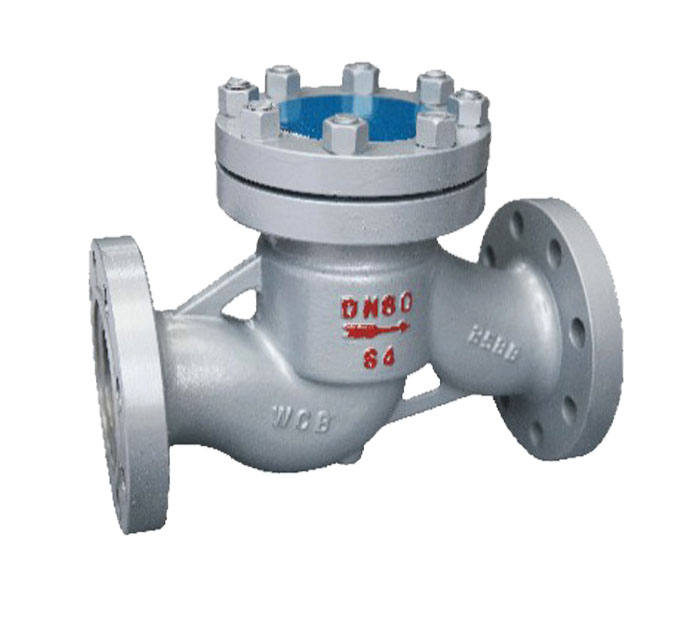
Performance & Engineering
Globe valve performance is fundamentally governed by fluid dynamics and stress analysis. The valve's streamlined body design minimizes pressure drop, but it’s inherently higher than in gate or ball valves due to the tortuous flow path. Force analysis considers fluid thrust exerted on the disc during flow, requiring robust stem and disc support. Environmental resistance is critical, particularly concerning corrosion and erosion. Exposure to corrosive fluids necessitates material selection (stainless steel, alloys) and potentially corrosion inhibitors. Erosion, caused by abrasive particles in the fluid, requires hardened trim materials. Compliance requirements vary by industry and geographic location. API 600 (globes for petroleum and natural gas), ASME Section VIII Div. 1 (pressure vessel code), and PED (Pressure Equipment Directive) 2014/68/EU are common standards. Functional implementation involves selecting the appropriate actuation method – manual handwheel, gear operator, pneumatic actuator, or electric actuator – based on torque requirements and control system integration. Furthermore, understanding the valve’s cavitation characteristics is vital; excessive pressure drop can induce cavitation, causing noise, vibration, and valve damage. Valve body thickness calculations must adhere to pressure vessel codes, accounting for maximum allowable working pressure (MAWP) and a suitable design factor.
Technical Specifications
| Parameter | Typical Value (Carbon Steel) | Typical Value (Stainless Steel 316) | Unit |
|---|---|---|---|
| Maximum Allowable Working Pressure (MAWP) | 250 | 250 | PSI |
| Temperature Range | -29 to 428 | -29 to 600 | °F |
| Connection Type | Flanged (ANSI B16.5) | Flanged (ANSI B16.5) | - |
| Body Material | ASTM A105 | ASTM A182 F316 | - |
| Trim Material | ASTM A105 | ASTM A182 F316 | - |
| Seat Leakage (Class VI) | 0.01 | 0.01 | cc/hr/in2 |
Failure Mode & Maintenance
Common failure modes in forged steel globe valves include seat erosion and leakage, stem packing failure, disc corrosion, and body cracking. Seat erosion arises from high-velocity flow and abrasive particles, leading to increased leakage. Stem packing failure results in fugitive emissions, caused by deterioration of packing material due to temperature, pressure, or chemical attack. Disc corrosion, prevalent in corrosive environments, compromises the sealing surface. Body cracking, a critical failure, originates from weld defects, material flaws, or excessive stress. Failure analysis typically employs visual inspection, NDE (radiography, ultrasonic testing), and metallurgical examination. Preventative maintenance is crucial. Regular inspection of packing glands and replacement of packing material prevent fugitive emissions. Periodic testing of seat leakage ensures tight shut-off. Lubrication of the stem thread reduces operational torque and prevents galling. NDE of welds should be performed periodically, especially in critical applications. Internal cleaning removes deposits and prevents erosion. When replacing components, ensure compatibility with the process fluid and adherence to original specifications. Proper storage practices – protection from moisture and corrosion – are essential during extended periods of inactivity.
Industry FAQ
Q: What is the primary difference between a forged steel globe valve and a cast steel globe valve in terms of reliability?
A: Forged steel generally exhibits superior reliability due to its refined grain structure, resulting from the forging process. This enhances tensile strength, impact toughness, and resistance to fatigue cracking compared to cast steel, which may contain porosity and inclusions. Forged valves are better suited for critical applications involving high pressure, high temperature, and cyclic loading.
Q: How does the choice of seat material impact the valve's performance in different applications?
A: Seat material significantly affects valve performance. PTFE seats offer excellent sealing and low friction but are limited by temperature and pressure. Reinforced PTFE provides improved temperature resistance. Metal-to-metal seals offer high-temperature and high-pressure capabilities but may exhibit some leakage. Material selection must match the process fluid’s chemical compatibility and operating conditions.
Q: What are the common causes of fugitive emissions in globe valves and how can they be mitigated?
A: Fugitive emissions typically stem from stem packing failure or seat leakage. Mitigating measures include using high-quality packing materials, regularly inspecting and tightening packing glands, employing double packing arrangements, utilizing live-loaded stem seals, and ensuring proper seat machining and surface finish.
Q: What Non-Destructive Examination (NDE) methods are typically used to ensure weld quality in forged steel globe valves?
A: Radiographic testing (RT) detects internal weld defects like porosity and cracks. Ultrasonic testing (UT) identifies subsurface flaws and measures weld thickness. Liquid penetrant testing (PT) reveals surface cracks. Magnetic particle testing (MT) is used for ferromagnetic materials to detect surface and near-surface defects. These methods are often applied in combination to provide comprehensive weld quality assessment.
Q: What considerations are important when selecting an actuator for a forged steel globe valve?
A: Actuator selection depends on operational torque requirements, control system integration, and safety considerations. Calculate the required torque based on fluid properties, pressure drop, and valve size. Pneumatic actuators offer fast response times, while electric actuators provide precise positioning. Consider fail-safe requirements – whether the valve should fail open or fail closed in case of power loss.
Conclusion
China forged steel globe valves represent a vital control element in numerous industrial applications. Their robust construction, coupled with appropriate material selection and adherence to rigorous manufacturing and testing standards, ensures reliable performance and long service life. The selection process demands a thorough understanding of fluid properties, operating conditions, and relevant industry regulations.
Continued innovation in sealing technologies, materials science, and advanced manufacturing processes will further enhance the performance and durability of these valves, addressing increasingly stringent environmental regulations and demanding operational requirements. Focusing on comprehensive failure analysis and preventative maintenance programs are key to maximizing the longevity and efficiency of these critical components.
-
flanged butterfly valves Performance Analysis
-
flanged gate valves Performance Analysis
-
Flanges for butterfly valves Material Analysis
-
gate valve flange Performance Analysis
-
2 inch flange Performance Analysis
-
3 inch flange Performance Analysis
-
Aluminum Flange Material Performance
-
Ring Joint Flange Performance Analysis
-
Square Flange Performance Analysis
-
Ring Joint Flanges Performance Analysis
-
Rubber Flanges Performance Analysis
-
Square Flanges Material Science Manufacturing
-
Hubbed Flange Performance Analysis
-
Flat Face Flange Performance Analysis
-
Ball Valve Flange Performance Analysis
 Afrikaans
 Albanian
 Amharic
 Arabic
 Armenian
 Azerbaijani
 Basque
 Belarusian
 Bengali
 Bosnian
 Bulgarian
 Catalan
 Cebuano
 Corsican
 Croatian
 Czech
Czech
 Danish
 Dutch
Dutch
 Esperanto
 Estonian
 Finnish
 French
 Frisian
 Galician
 Georgian
 German
 Greek
Greek
 Gujarati
 Haitian Creole
 Hausa
Hawaiian
Hausa
Hawaiian
 Hebrew
 Hindi
Hindi
 Miao
Miao
 Hungarian
 Icelandic
 Igbo
Igbo
 Indonesian
 Irish
Irish
 Italian
 Japanese
 Javanese
Kannada
Javanese
Kannada
 Kazakh
 Khmer
Khmer
 Rwandese
 Korean
 Kurdish
 Kyrgyz
 Lao
Lao
 Latin
Latin
 Latvian
 Lithuanian
 Luxembourgish
 Macedonian
 Malgashi
 Malay
Malay
 Malayalam
 Maltese
 Maori
Maori
 Marathi
 Mongolian
 Myanmar
 Nepali
 Norwegian
 Norwegian
 Occitan
 Pashto
 Persian
 Polish
 Portuguese
Punjabi
Portuguese
Punjabi
 Romanian
 Russian
 Samoan
 Scottish Gaelic
 Serbian
 Sesotho
 Shona
Shona
 Sindhi
 Sinhala
 Slovak
 Slovenian
 Somali
 Spanish
 Sundanese
 Swahili
 Swedish
Tagalog
Swedish
Tagalog
 Tajik
Tajik
 Tamil
Tamil
 Tatar
Tatar
 Telugu
 Thai
Thai
 Turkish
 Turkmen
 Ukrainian
 Urdu
Urdu
 Uighur
 Uzbek
Uzbek
 Vietnamese
 Welsh
Welsh
 Bantu
Bantu
 Yiddish
 Yoruba
 Zulu
Zulu
 English