




china gate valve steam Performance Analysis
Introduction
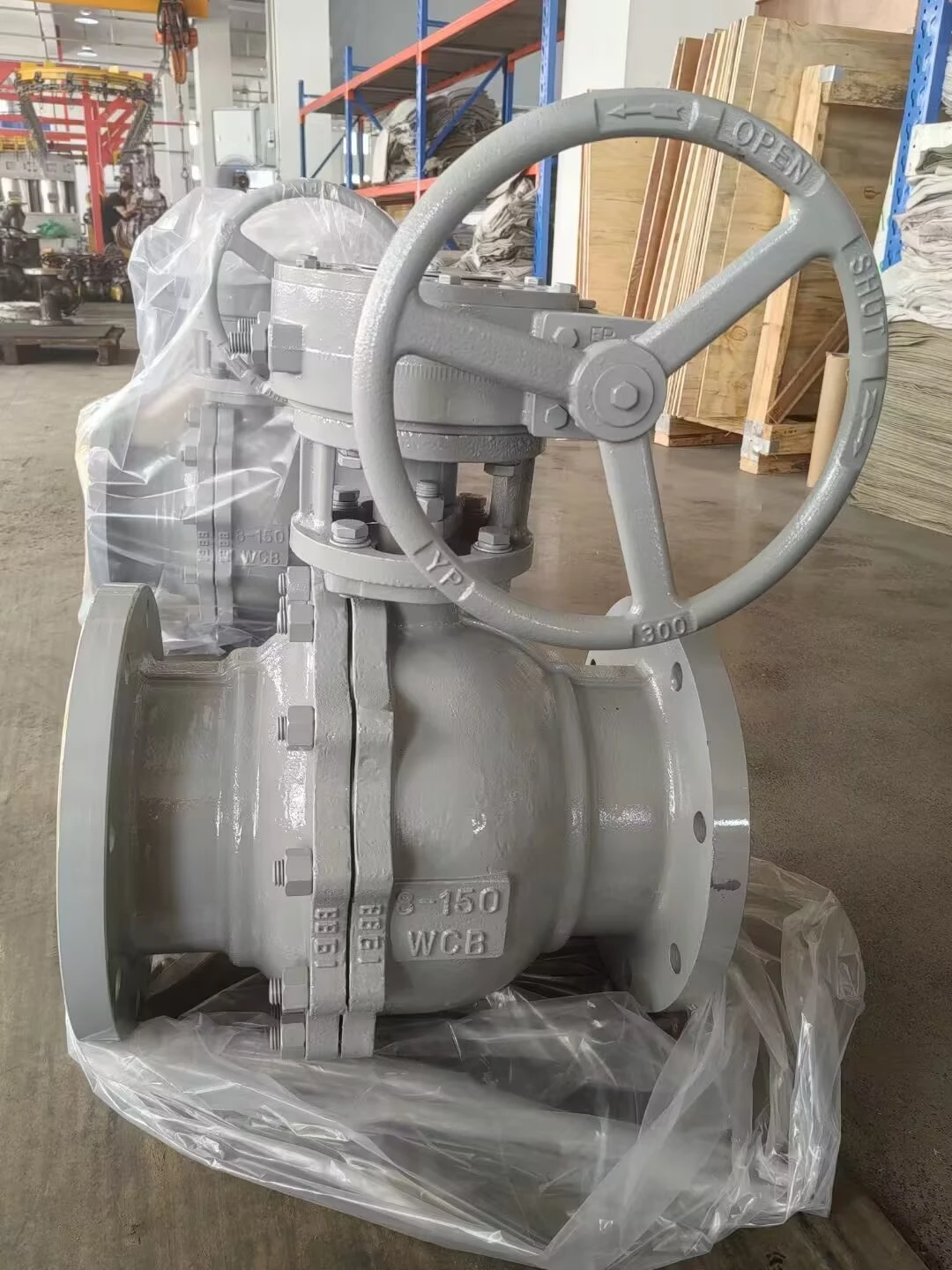
China gate valves for steam service represent a critical component in power generation, district heating, and industrial processing facilities. These valves control the flow of high-temperature, high-pressure steam, and their reliability is paramount for safe and efficient operation. They are distinguished by a sliding gate mechanism, offering minimal pressure drop when fully open. Unlike ball or globe valves, gate valves are primarily designed for on/off service, not throttling. The ‘China’ designation often indicates manufacturing origin, reflecting a significant global supply base, though quality and materials vary considerably. Core performance characteristics are defined by pressure-temperature ratings, sealing efficiency (achieved through resilient seats or metal-to-metal sealing), and conformance to relevant industry standards. A primary industry pain point lies in ensuring long-term sealing integrity under thermal cycling and preventing leakage, which can lead to energy loss and safety hazards. The increasing demand for higher steam parameters in supercritical and ultra-supercritical power plants places stringent requirements on gate valve materials and manufacturing precision.
Material Science & Manufacturing
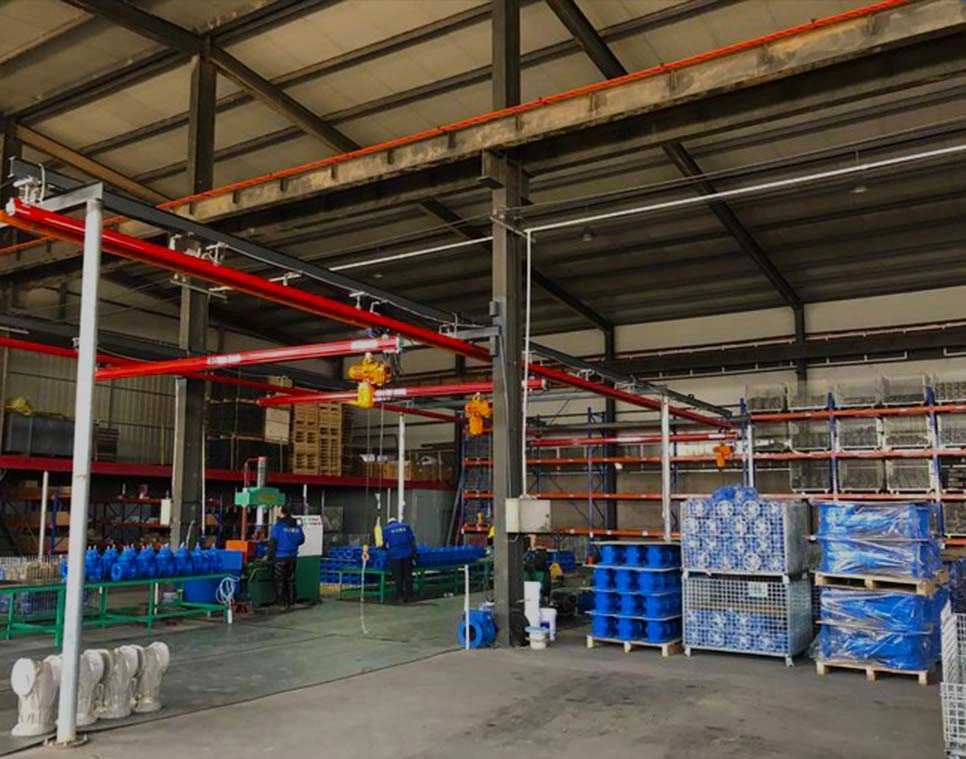
The body material for steam gate valves is typically cast iron (ASTM A126 Class B for lower pressures and temperatures), carbon steel (ASTM A216 WCB, a common industry standard), alloy steel (e.g., ASTM A352 Grade LCC for higher temperatures and pressures), or stainless steel (ASTM A351 Grade CF8M for corrosive environments). The gate itself is frequently manufactured from bronze (ASTM B584), stainless steel (304, 316), or alloy steel, selected based on the steam's chemical composition and operating temperature. Seat materials range from reinforced PTFE (Teflon) for resilient sealing to stainless steel or alloy steel for metal-to-metal sealing, each offering differing temperature and pressure capabilities. Manufacturing processes commence with pattern making for casting, followed by casting, machining, and welding. Critical parameter control includes achieving precise gate flatness and straightness through grinding and lapping. Welding procedures must be qualified to ASME Section IX standards to ensure joint integrity, particularly for high-pressure applications. Stem packing is crucial to prevent stem leakage; materials like graphite with PTFE rings are commonly used and require careful compression during installation. Quality control typically involves non-destructive testing (NDT) methods, including radiographic testing (RT), ultrasonic testing (UT), and liquid penetrant testing (PT) to detect flaws in the casting and welds. The specific heat treatment process applied to the steel components (e.g., normalizing, quenching, and tempering) significantly impacts the material’s mechanical properties and corrosion resistance.
Performance & Engineering
Gate valve performance is largely dictated by pressure-temperature ratings governed by ASME Section VIII Division 1 or EN 1092. Force analysis is critical in designing the valve body and stem to withstand the substantial forces generated by steam pressure. The bonnet design must maintain a leak-tight seal under varying temperatures, employing gaskets made from materials compatible with high-temperature steam (e.g., graphite, spiral-wound gaskets). Environmental resistance is paramount; corrosion can occur due to condensate chemistry, requiring careful material selection and potentially the application of protective coatings. Compliance requirements vary by region but generally include adherence to PED (Pressure Equipment Directive) in Europe, ASME standards in North America, and GB standards in China. Functional implementation depends on the actuation method: manual handwheel operation, gear operation for larger valves, or automated actuation using pneumatic or electric actuators. The actuator selection must account for the valve’s torque requirements, calculated based on steam pressure, valve size, and stem friction. The stem thrust calculation is essential to prevent stem bending or buckling. The valve’s flow coefficient (Cv) determines its capacity to pass steam; this value is crucial for system hydraulic calculations.
Technical Specifications
| Parameter | DN50 (2 inch) | DN100 (4 inch) | DN150 (6 inch) | DN200 (8 inch) |
|---|---|---|---|---|
| Maximum Operating Pressure (PS) | 16 bar | 10 bar | 6 bar | 4 bar |
| Maximum Operating Temperature | 220 °C | 220 °C | 220 °C | 220 °C |
| Body Material | WCB | WCB | WCB | WCB |
| Gate Material | Bronze B584 | Stainless Steel 304 | Stainless Steel 304 | Alloy Steel |
| Seat Material | PTFE | PTFE | Stainless Steel | Stainless Steel |
| Actuation Type | Handwheel | Gear | Gear | Electric Actuator (Optional) |
Failure Mode & Maintenance
Common failure modes for steam gate valves include gate erosion due to high-velocity steam flow, seat deformation leading to leakage, stem packing failure resulting in fugitive emissions, and body cracking caused by thermal stress or corrosion. Fatigue cracking can occur in the stem and gate due to repeated opening and closing cycles. Delamination of resilient seat materials can occur at elevated temperatures. Corrosion, particularly pitting corrosion, can affect the valve body and gate, especially in systems with poor water chemistry control. Oxidation of metallic components at high temperatures can also lead to material degradation. Maintenance procedures should include regular inspection of the stem packing and replacement as needed. Periodic testing of seat leakage using pneumatic or hydrostatic testing is recommended. Internal inspection of the valve body and gate should be performed during scheduled shutdowns to identify signs of erosion, corrosion, or cracking. Lubrication of the stem threads is crucial for smooth operation. When replacing seat materials, ensure compatibility with the steam's chemical composition and temperature. A preventative maintenance program should also include monitoring condensate pH and conductivity to mitigate corrosion risks.
Industry FAQ
Q: What is the primary difference between a wedge gate valve and a parallel seat gate valve for steam service?
A: Wedge gate valves, where the gate is slightly tapered, offer superior sealing capability for steam applications. The wedge action forces the gate against the seats, compensating for thermal expansion and contraction and ensuring a tighter shutoff. Parallel seat gate valves, while offering lower flow resistance, are more susceptible to leakage, especially at high temperatures and pressures due to the potential for thermal distortion. Therefore, wedge gate valves are generally preferred for critical steam isolation.
Q: How does the selection of seat material impact the leakage rate of a steam gate valve?
A: Resilient seat materials like PTFE provide excellent initial sealing but are prone to creep relaxation and thermal deformation at elevated temperatures, leading to increased leakage over time. Metal-to-metal seats, while requiring higher seating forces, offer superior temperature resistance and maintain tighter seals throughout the valve’s lifecycle, particularly for high-pressure steam. The choice depends on the specific steam conditions and leakage requirements.
Q: What is the role of stem packing in preventing fugitive emissions from a steam gate valve?
A: Stem packing creates a leak-tight seal around the valve stem, preventing steam from escaping along the stem's travel path. Proper compression of the packing is critical; insufficient compression allows leakage, while excessive compression can damage the stem and packing. Materials like graphite with PTFE rings are commonly used and require periodic adjustment or replacement to maintain effective sealing.
Q: What non-destructive testing (NDT) methods are commonly used to ensure the quality of a steam gate valve during manufacturing?
A: Radiographic testing (RT) is used to detect internal flaws in castings and welds. Ultrasonic testing (UT) can also identify subsurface defects. Liquid penetrant testing (PT) is effective for detecting surface cracks. Magnetic particle testing (MT) is suitable for detecting surface and near-surface defects in ferromagnetic materials. These NDT methods are vital for verifying the integrity of the valve’s critical components.
Q: How do I determine the appropriate pressure-temperature rating for a steam gate valve in my application?
A: The pressure-temperature rating must be determined based on the maximum expected steam pressure and temperature at the valve's location. Consult ASME Section VIII Division 1 or EN 1092 standards to verify that the valve’s rating exceeds the operating conditions, with an appropriate safety factor. Factors such as steam quality (saturated vs. superheated) and potential water hammer effects should also be considered.
Conclusion
China gate valves for steam service remain a crucial, yet often overlooked, component in numerous industrial applications. Their reliable operation is directly linked to careful material selection, precise manufacturing processes, and adherence to stringent industry standards. The choice between resilient and metal-to-metal seating, the appropriate valve body material, and the actuation method are all key engineering considerations.
Moving forward, advancements in valve design, such as improved sealing technologies and optimized flow paths, will further enhance the performance and longevity of steam gate valves. Furthermore, increased emphasis on preventative maintenance programs, incorporating regular inspection and testing, will be vital for minimizing downtime and ensuring the safe and efficient operation of steam systems. Understanding the potential failure modes and implementing proactive maintenance strategies are essential for maximizing the return on investment in these critical components.
-
Top Reasons to Choose a Stainless Steel Flange Check Valve for Industrial Applications
-
electric check valve Performance Engineering
-
electric check valves Performance Analysis
-
Threaded Check Valves Performance Analysis
-
6 inch check valve Performance Analysis
-
8 check valve Performance Analysis
-
diaphragm check valve Material Science Manufacturing
-
dual plate check valve Performance Analysis
-
check valve 6 inch Material Science
-
diaphragm check valves Performance Analysis
-
dual plate check valves Performance Analysis
-
vertical check valves Material Science Manufacturing
-
8 check valves Performance Analysis
-
refrigeration check valves Performance Analysis
-
pilot check valve Performance Analysis
 Afrikaans
 Albanian
 Amharic
 Arabic
 Armenian
 Azerbaijani
 Basque
 Belarusian
 Bengali
 Bosnian
 Bulgarian
 Catalan
 Cebuano
 Corsican
 Croatian
 Czech
Czech
 Danish
 Dutch
Dutch
 Esperanto
 Estonian
 Finnish
 French
 Frisian
 Galician
 Georgian
 German
 Greek
Greek
 Gujarati
 Haitian Creole
 Hausa
Hawaiian
Hausa
Hawaiian
 Hebrew
 Hindi
Hindi
 Miao
Miao
 Hungarian
 Icelandic
 Igbo
Igbo
 Indonesian
 Irish
Irish
 Italian
 Japanese
 Javanese
Kannada
Javanese
Kannada
 Kazakh
 Khmer
Khmer
 Rwandese
 Korean
 Kurdish
 Kyrgyz
 Lao
Lao
 Latin
Latin
 Latvian
 Lithuanian
 Luxembourgish
 Macedonian
 Malgashi
 Malay
Malay
 Malayalam
 Maltese
 Maori
Maori
 Marathi
 Mongolian
 Myanmar
 Nepali
 Norwegian
 Norwegian
 Occitan
 Pashto
 Persian
 Polish
 Portuguese
Punjabi
Portuguese
Punjabi
 Romanian
 Russian
 Samoan
 Scottish Gaelic
 Serbian
 Sesotho
 Shona
Shona
 Sindhi
 Sinhala
 Slovak
 Slovenian
 Somali
 Spanish
 Sundanese
 Swahili
 Swedish
Tagalog
Swedish
Tagalog
 Tajik
Tajik
 Tamil
Tamil
 Tatar
Tatar
 Telugu
 Thai
Thai
 Turkish
 Turkmen
 Ukrainian
 Urdu
Urdu
 Uighur
 Uzbek
Uzbek
 Vietnamese
 Welsh
Welsh
 Bantu
Bantu
 Yiddish
 Yoruba
 Zulu
Zulu
 English