




china high pressure ball valve Performance Analysis
Introduction
High-pressure ball valves manufactured in China represent a critical component in fluid control systems across a diverse range of industries, including oil and gas, petrochemical processing, power generation, and hydraulic fracturing. These valves, distinguished by their quarter-turn operation, provide reliable shut-off and flow regulation capabilities in demanding applications characterized by elevated pressures and potentially corrosive media. Their position within the industrial chain is as a final control element, directly impacting process efficiency, safety, and environmental compliance. Core performance characteristics are defined by pressure rating (typically ranging from Class 600 to 2500 lbs or higher, equating to pressures up to 14,000 psi and beyond), leak tightness (achieved through specialized sealing materials and precision machining), material compatibility, and operational longevity. A significant pain point within the industry relates to ensuring consistent quality and traceability of materials, particularly in the face of fluctuating raw material costs and varying manufacturing standards. Another key challenge involves maintaining leak-tight performance under extreme temperature and pressure cycling, a common occurrence in many high-demand applications.
Material Science & Manufacturing
The body of a high-pressure ball valve is typically constructed from materials exhibiting high tensile strength, yield strength, and corrosion resistance. Common materials include alloy steels (such as ASTM A182 F51, F53, F60, and F65), stainless steels (316, 316L, Duplex Stainless Steel), and in highly corrosive environments, specialized alloys like Inconel or Hastelloy. The ball itself is often made from hardened alloy steel coated with materials like tungsten carbide or chrome for enhanced wear resistance. Seals are crucial; materials commonly employed include PTFE (Teflon), reinforced PTFE, PEEK, and various elastomeric compounds, chosen based on the fluid compatibility and temperature requirements. Manufacturing processes commence with raw material procurement and rigorous quality control. The valve body is often forged or cast, followed by precision machining to achieve tight tolerances. Critical parameters during forging/casting include temperature control, cooling rates, and material homogeneity. Machining processes involve CNC turning, milling, and grinding, requiring skilled operators and advanced metrology for dimensional accuracy. Welding procedures (if applicable, for example in multi-piece body designs) must adhere to stringent standards like ASME Section IX, ensuring full penetration and complete fusion. Surface treatments, such as passivation for stainless steel or hard chrome plating for wear resistance, are applied to enhance durability. Non-Destructive Examination (NDE), including radiography, ultrasonic testing, and dye penetrant inspection, is vital for detecting internal flaws and surface imperfections.
Performance & Engineering
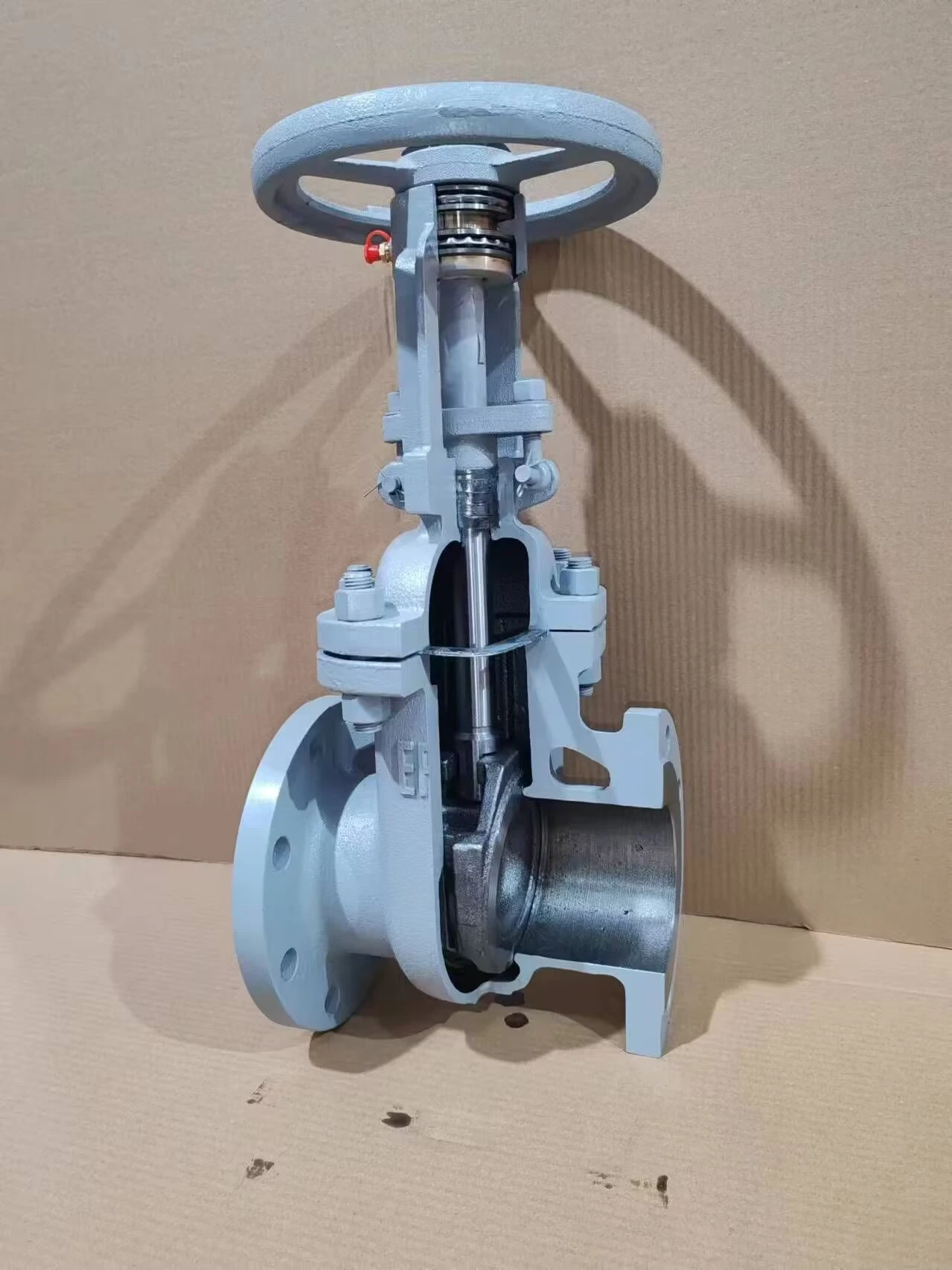
The performance of a high-pressure ball valve is dictated by several key engineering considerations. Force analysis, particularly stress analysis under pressure, is fundamental to the design. Finite Element Analysis (FEA) is commonly employed to identify stress concentration points and optimize the valve geometry. Environmental resistance necessitates careful material selection to mitigate corrosion, erosion, and temperature-induced degradation. Factors such as pH, chloride content, and flow velocity impact material selection. Compliance requirements vary depending on the application and geographic region. For example, valves used in oil and gas applications must meet API 6D standards, while those used in hazardous environments may require ATEX certification. Functional implementation focuses on ensuring smooth and reliable operation, minimizing torque requirements, and preventing seat damage. Actuation methods include manual, pneumatic, hydraulic, and electric operation, each offering different speed, force, and control capabilities. Proper valve sizing is critical to avoid cavitation and erosion, phenomena which can significantly reduce valve lifespan. Consideration must be given to fluid properties, flow rate, and pressure drop to achieve optimal performance. Leak testing, conducted according to API 598, is essential to verify the valve’s sealing integrity.
Technical Specifications
| Parameter | Specification (Typical) | Testing Standard | Material Grade (Example) |
|---|---|---|---|
| Maximum Operating Pressure | Up to 14,000 psi (965 bar) | API 598 | ASTM A182 F53 |
| Temperature Range | -196°C to +427°C (-321°F to +800°F) | API 6D | 316L Stainless Steel |
| Connection Type | Welded End, Threaded End (NPT, BSP), Flanged (ANSI, DIN) | ASME B16.5 | Various |
| Seat Leakage | Bubble-Tight (Class VI according to API 598) | API 598 | Reinforced PTFE |
| Actuation Type | Manual, Pneumatic, Hydraulic, Electric | ISO 5211 | Various |
| Body Material | Alloy Steel, Stainless Steel, Duplex Stainless Steel | ASTM A182 | A182 F51 |
Failure Mode & Maintenance
High-pressure ball valves are susceptible to several failure modes. Fatigue cracking can occur in the valve body due to repeated pressure cycling, particularly around weld joints or stress concentration areas. Seat leakage is a common issue, arising from wear, erosion, or damage to the sealing surfaces. Cavitation erosion, caused by the formation and collapse of vapor bubbles in the fluid stream, can severely damage the ball and valve trim. Corrosion, both localized pitting corrosion and general corrosion, can weaken the valve body and lead to leakage. Failure of the actuator (pneumatic, hydraulic, or electric) can prevent proper valve operation. Maintenance procedures should include regular inspection for external corrosion, leakage, and abnormal operating sounds. Periodic tightening of gland followers and bolt connections is essential. Lubrication of moving parts, such as the stem and bearings, should be performed according to manufacturer’s recommendations. Seat replacement may be necessary if leakage persists. Non-destructive testing (radiography, ultrasonic testing) can be employed to detect internal flaws before they lead to catastrophic failure. Preventative maintenance programs, including scheduled inspections and component replacements, are crucial for maximizing valve lifespan and minimizing downtime. Proper storage conditions, protecting valves from moisture and contamination, are also vital.
Industry FAQ
Q: What differentiates a ‘high-pressure’ ball valve from a standard pressure ball valve in terms of design and materials?
A: High-pressure ball valves utilize thicker wall sections in the body and ball to withstand increased stress. They typically employ higher-strength materials (alloy steels, duplex stainless steels) with enhanced corrosion resistance. Seal materials are also upgraded to maintain leak tightness at elevated pressures and temperatures. Furthermore, the valve’s internal geometry is often optimized to minimize stress concentration.
Q: How do you ensure the long-term sealing integrity of a high-pressure ball valve exposed to aggressive chemicals?
A: Material selection is paramount. We utilize materials like PTFE, PEEK, or other specialized polymers that exhibit excellent chemical resistance to the specific fluid. The seal design is also critical; reinforced PTFE seals are often employed for enhanced durability. Regular inspection and replacement of seals, as part of a preventative maintenance program, are also essential.
Q: What are the common causes of valve actuation failure in high-pressure applications?
A: Common causes include actuator contamination (dirt, debris), loss of hydraulic fluid or pneumatic pressure, wear and tear of internal components, and electrical failures (for electric actuators). Regular maintenance, including lubrication, filter replacement, and electrical inspection, can mitigate these risks.
Q: What NDE methods are employed during manufacturing to guarantee the structural integrity of the valve body?
A: We employ a suite of NDE methods, including Radiographic Testing (RT) to detect internal flaws, Ultrasonic Testing (UT) to identify subsurface defects, Dye Penetrant Inspection (DPI) for surface cracks, and Magnetic Particle Inspection (MPI) for detecting surface and near-surface imperfections. These tests are conducted according to established standards like ASME Section V.
Q: How does the manufacturing process address the risk of cavitation erosion in high-pressure ball valves?
A: Proper valve sizing is the primary defense against cavitation. We carefully calculate the required valve port diameter based on flow rate, pressure drop, and fluid properties. The ball and valve trim are often hardened to increase resistance to erosion. Additionally, specific valve designs, such as contoured or reduced-pressure ports, can minimize the formation of cavitation bubbles.
Conclusion
China-manufactured high-pressure ball valves have become integral components in critical industrial applications, driven by advancements in materials science, manufacturing precision, and quality control. A thorough understanding of material properties, manufacturing processes, performance characteristics, and potential failure modes is essential for selecting and maintaining these valves effectively. The ability to meet stringent international standards (API, ASME, ISO) and to provide reliable, leak-tight performance under demanding conditions is paramount.
Looking ahead, continued innovation in valve design, seal technology, and material science will be crucial for addressing evolving industry needs. The adoption of advanced predictive maintenance techniques, leveraging sensor data and machine learning algorithms, will enable proactive identification of potential failures and optimization of maintenance schedules. Furthermore, a focus on sustainable manufacturing practices and the development of environmentally friendly materials will become increasingly important.
-
Top Reasons to Choose a Stainless Steel Flange Check Valve for Industrial Applications
-
electric check valve Performance Engineering
-
electric check valves Performance Analysis
-
Threaded Check Valves Performance Analysis
-
6 inch check valve Performance Analysis
-
8 check valve Performance Analysis
-
diaphragm check valve Material Science Manufacturing
-
dual plate check valve Performance Analysis
-
check valve 6 inch Material Science
-
diaphragm check valves Performance Analysis
-
dual plate check valves Performance Analysis
-
vertical check valves Material Science Manufacturing
-
8 check valves Performance Analysis
-
refrigeration check valves Performance Analysis
-
pilot check valve Performance Analysis
 Afrikaans
 Albanian
 Amharic
 Arabic
 Armenian
 Azerbaijani
 Basque
 Belarusian
 Bengali
 Bosnian
 Bulgarian
 Catalan
 Cebuano
 Corsican
 Croatian
 Czech
Czech
 Danish
 Dutch
Dutch
 Esperanto
 Estonian
 Finnish
 French
 Frisian
 Galician
 Georgian
 German
 Greek
Greek
 Gujarati
 Haitian Creole
 Hausa
Hawaiian
Hausa
Hawaiian
 Hebrew
 Hindi
Hindi
 Miao
Miao
 Hungarian
 Icelandic
 Igbo
Igbo
 Indonesian
 Irish
Irish
 Italian
 Japanese
 Javanese
Kannada
Javanese
Kannada
 Kazakh
 Khmer
Khmer
 Rwandese
 Korean
 Kurdish
 Kyrgyz
 Lao
Lao
 Latin
Latin
 Latvian
 Lithuanian
 Luxembourgish
 Macedonian
 Malgashi
 Malay
Malay
 Malayalam
 Maltese
 Maori
Maori
 Marathi
 Mongolian
 Myanmar
 Nepali
 Norwegian
 Norwegian
 Occitan
 Pashto
 Persian
 Polish
 Portuguese
Punjabi
Portuguese
Punjabi
 Romanian
 Russian
 Samoan
 Scottish Gaelic
 Serbian
 Sesotho
 Shona
Shona
 Sindhi
 Sinhala
 Slovak
 Slovenian
 Somali
 Spanish
 Sundanese
 Swahili
 Swedish
Tagalog
Swedish
Tagalog
 Tajik
Tajik
 Tamil
Tamil
 Tatar
Tatar
 Telugu
 Thai
Thai
 Turkish
 Turkmen
 Ukrainian
 Urdu
Urdu
 Uighur
 Uzbek
Uzbek
 Vietnamese
 Welsh
Welsh
 Bantu
Bantu
 Yiddish
 Yoruba
 Zulu
Zulu
 English