




china high temp ball valves Performance Analysis
Introduction
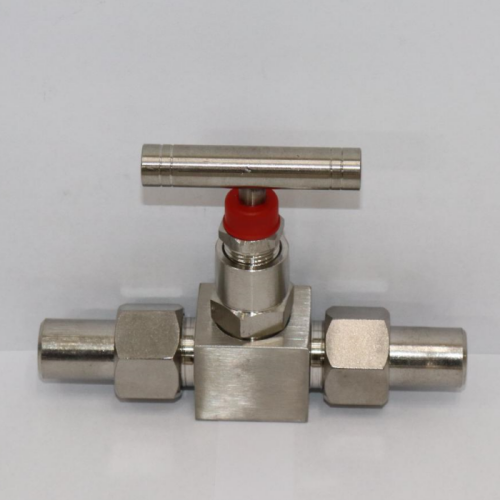
High Temperature Ball Valves, manufactured in China, represent a critical component in process industries handling high-temperature and high-pressure fluid systems. These valves are employed across sectors including power generation, petrochemical processing, refining, and district heating. Their function is to isolate or regulate flow, exhibiting superior performance when standard ball valves are inadequate due to thermal stress and material limitations. The technical position within the industrial chain lies between source material suppliers (alloy manufacturers), precision machining and fabrication facilities, and the end-user's process infrastructure. Core performance characteristics include tight shut-off at elevated temperatures, minimal pressure drop, and reliable operation in corrosive environments. They address a significant pain point: the need for robust, leak-proof isolation in demanding thermal cycles where frequent maintenance and replacement of less specialized valves lead to significant downtime and operational costs.
Material Science & Manufacturing
The core materials utilized in China High Temp Ball Valves are dictated by the operating temperature and media. Common body materials include Alloy Steel (ASTM A182 F11, F12, F22), Stainless Steel (316, 316L, Duplex Stainless Steel), and Inconel alloys (625, 718). Ball materials often mirror the body material for thermal expansion compatibility, though hardened alloys are also utilized for increased wear resistance. Seat materials are crucial; reinforced PTFE (Teflon), PEEK, and metal-to-metal seals are used depending on temperature and fluid compatibility. Manufacturing processes begin with precision casting or forging of the valve body. Critical parameters during forging include controlled cooling rates to prevent material distortion and ensure uniform grain structure. Machining is conducted using CNC equipment with tight tolerances to guarantee dimensional accuracy and smooth surface finishes, crucial for sealing. Welding, when required (e.g., for multi-piece valve bodies) demands specialized techniques like TIG welding with carefully controlled heat input to maintain material integrity and prevent weld defects. Post-weld heat treatment (PWHT) is often employed to relieve residual stresses. Ball polishing is essential to achieve a leak-tight seal. Surface hardness is verified via Rockwell or Vickers hardness testing. Non-destructive testing (NDT) methods like radiography, ultrasonic testing, and liquid penetrant inspection are applied throughout the manufacturing process to detect internal and surface flaws.

Performance & Engineering
Performance is heavily influenced by thermal expansion and contraction of the valve components. Engineering calculations must account for differential thermal expansion between the ball, seats, and body to prevent binding or leakage. Force analysis focuses on stem loading, seat load, and the torque required for operation at varying temperatures and pressures. Finite Element Analysis (FEA) is utilized to optimize valve body design and minimize stress concentrations. Environmental resistance is assessed through corrosion testing (ASTM A967 for austenitic stainless steels), erosion testing, and resistance to specific process fluids. Compliance requirements dictate adherence to standards like API 6D (Ball Valves), ASME Section VIII Div.1 (Pressure Vessels), and relevant PED (Pressure Equipment Directive) requirements for European markets. Functional implementation necessitates a robust actuation system. Pneumatic and electric actuators are common, sized based on torque requirements at maximum operating conditions. Leak testing is performed at various temperatures and pressures, conforming to leakage class standards (e.g., Class VI – bubble-tight shutoff). Consideration is given to cavitation and flashing, particularly in throttling applications, requiring specialized trim designs to minimize erosion damage. Understanding the fluid's viscosity and density is paramount in selecting appropriate seat materials and valve sizing.
Technical Specifications
| Parameter | Unit | ASTM A182 F316 | ASTM A182 F22 |
|---|---|---|---|
| Maximum Operating Temperature | °C | 300 | 540 |
| Maximum Operating Pressure | MPa | 25 | 20 |
| Connection Type | - | Welded, Flanged, Threaded | Welded, Flanged |
| Valve Size Range | mm | 15-600 | 50-300 |
| Seat Leakage Class | - | Class VI (Bubble Tight) | Class VI (Bubble Tight) |
| Actuator Type | - | Pneumatic, Electric, Manual | Pneumatic, Electric |
Failure Mode & Maintenance
Common failure modes for High Temp Ball Valves include seat erosion due to particulate matter in the fluid stream, thermal fatigue cracking in the valve body and ball, and leakage past the stem packing. Seat erosion can be mitigated by incorporating erosion-resistant coatings (e.g., tungsten carbide) or utilizing specialized ball valve trims designed for abrasive fluids. Thermal fatigue cracking arises from repeated thermal cycling, exacerbated by stress concentrations. PWHT during manufacturing, proper material selection, and limiting the rate of temperature change during operation can reduce this risk. Stem packing failure leads to fugitive emissions; regular inspection and replacement of packing are essential. Corrosion, particularly pitting and crevice corrosion, can degrade valve materials. Material selection based on fluid compatibility and applying corrosion inhibitors can prevent this. Maintenance procedures include regular visual inspection for external damage, leak testing with a helium leak detector, and periodic disassembly for internal inspection and component replacement. Stem packing should be re-tightened or replaced annually, or more frequently in harsh environments. Valve actuation systems require lubrication and functional testing. Proper documentation of maintenance activities is crucial for tracking valve performance and identifying potential issues. Failure Analysis (FA) techniques such as fractography and metallographic examination are employed to determine the root cause of failures.
Industry FAQ
Q: What is the impact of fluid velocity on the lifespan of a high-temperature ball valve?
A: High fluid velocity significantly reduces valve lifespan by accelerating erosion of the ball and seat, particularly when abrasive particles are present. Cavitation, induced by excessive velocity reduction, can also cause severe damage. Proper valve sizing and flow control are crucial to maintain velocities within acceptable limits, typically below 3 m/s for abrasive fluids.
Q: How does the choice of seat material affect the valve's temperature and pressure rating?
A: Seat material dictates the upper temperature and pressure limits. PTFE seats are limited to lower temperatures (typically below 200°C) and pressures. Reinforced PTFE, PEEK, and metal-to-metal seals extend the operating range. Metal seats, while offering higher temperature and pressure capabilities, may exhibit lower leakage rates than polymeric seats.
Q: What are the key considerations when selecting a ball valve for a cryogenic application?
A: Cryogenic applications demand materials compatible with extremely low temperatures, such as austenitic stainless steels (304, 316) or specialized alloys. Carbon steel is unsuitable due to its brittleness at low temperatures. Thermal contraction is a significant concern; valve design must accommodate differential thermal expansion. Leakage rates are critical due to boil-off losses.
Q: What is the significance of NACE MR0175/ISO 15156 compliance in high-temperature ball valve selection?
A: NACE MR0175/ISO 15156 specifies material requirements for components used in hydrogen sulfide (H2S)-containing environments. Compliance is critical to prevent sulfide stress cracking (SSC) and hydrogen embrittlement, ensuring safe and reliable operation in oil and gas processing and refining applications.
Q: What are the benefits of utilizing a double-block-and-bleed ball valve configuration?
A: Double-block-and-bleed (DBB) configurations provide enhanced safety and isolation capabilities. They feature two separate sealing elements, offering a redundant barrier against leakage. The bleed port allows for safe venting of the cavity between the seals, verifying complete isolation before maintenance. This is crucial in applications handling hazardous or corrosive fluids.
Conclusion
China High Temp Ball Valves are engineered solutions to the challenges of fluid control in extreme thermal and pressure conditions. Material selection, precision manufacturing, and rigorous quality control are paramount to ensuring reliable, long-term performance. Understanding the interplay between fluid properties, operating parameters, and valve construction is essential for proper specification and application.
Future trends will focus on advanced materials, improved sealing technologies, and smart valve features incorporating remote monitoring and predictive maintenance capabilities. Adherence to international standards and comprehensive failure analysis remain crucial for optimizing valve designs and minimizing lifecycle costs, ultimately contributing to safer and more efficient industrial operations.
-
Top Reasons to Choose a Stainless Steel Flange Check Valve for Industrial Applications
-
electric check valve Performance Engineering
-
electric check valves Performance Analysis
-
Threaded Check Valves Performance Analysis
-
6 inch check valve Performance Analysis
-
8 check valve Performance Analysis
-
diaphragm check valve Material Science Manufacturing
-
dual plate check valve Performance Analysis
-
check valve 6 inch Material Science
-
diaphragm check valves Performance Analysis
-
dual plate check valves Performance Analysis
-
vertical check valves Material Science Manufacturing
-
8 check valves Performance Analysis
-
refrigeration check valves Performance Analysis
-
pilot check valve Performance Analysis
 Afrikaans
 Albanian
 Amharic
 Arabic
 Armenian
 Azerbaijani
 Basque
 Belarusian
 Bengali
 Bosnian
 Bulgarian
 Catalan
 Cebuano
 Corsican
 Croatian
 Czech
Czech
 Danish
 Dutch
Dutch
 Esperanto
 Estonian
 Finnish
 French
 Frisian
 Galician
 Georgian
 German
 Greek
Greek
 Gujarati
 Haitian Creole
 Hausa
Hawaiian
Hausa
Hawaiian
 Hebrew
 Hindi
Hindi
 Miao
Miao
 Hungarian
 Icelandic
 Igbo
Igbo
 Indonesian
 Irish
Irish
 Italian
 Japanese
 Javanese
Kannada
Javanese
Kannada
 Kazakh
 Khmer
Khmer
 Rwandese
 Korean
 Kurdish
 Kyrgyz
 Lao
Lao
 Latin
Latin
 Latvian
 Lithuanian
 Luxembourgish
 Macedonian
 Malgashi
 Malay
Malay
 Malayalam
 Maltese
 Maori
Maori
 Marathi
 Mongolian
 Myanmar
 Nepali
 Norwegian
 Norwegian
 Occitan
 Pashto
 Persian
 Polish
 Portuguese
Punjabi
Portuguese
Punjabi
 Romanian
 Russian
 Samoan
 Scottish Gaelic
 Serbian
 Sesotho
 Shona
Shona
 Sindhi
 Sinhala
 Slovak
 Slovenian
 Somali
 Spanish
 Sundanese
 Swahili
 Swedish
Tagalog
Swedish
Tagalog
 Tajik
Tajik
 Tamil
Tamil
 Tatar
Tatar
 Telugu
 Thai
Thai
 Turkish
 Turkmen
 Ukrainian
 Urdu
Urdu
 Uighur
 Uzbek
Uzbek
 Vietnamese
 Welsh
Welsh
 Bantu
Bantu
 Yiddish
 Yoruba
 Zulu
Zulu
 English