




china needle globe valve Performance and Engineering
Introduction
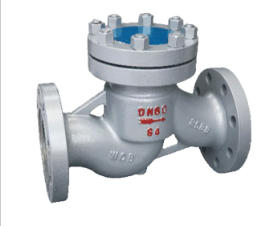
China needle globe valves are precision flow control devices integral to a wide array of industrial processes, ranging from chemical processing and power generation to oil & gas refining and water treatment. Distinguished by their tapered seat and disc design, they provide accurate regulation of fluid flow, particularly in applications demanding frequent throttling or low flow rates. These valves occupy a critical position in process control loops, acting as the final control element to maintain desired process conditions. Unlike gate valves intended for on/off service, needle globe valves excel at modulating flow, making them a vital component in systems requiring precise control. The ‘China’ designation refers to their predominant manufacturing origin, encompassing a broad spectrum of quality levels and manufacturing capabilities. Understanding their material composition, manufacturing tolerances, and operational limitations is paramount for reliable and safe industrial operation. Core performance characteristics center around precise flow regulation, tight shut-off capabilities, and resistance to pressure and temperature variations.
Material Science & Manufacturing
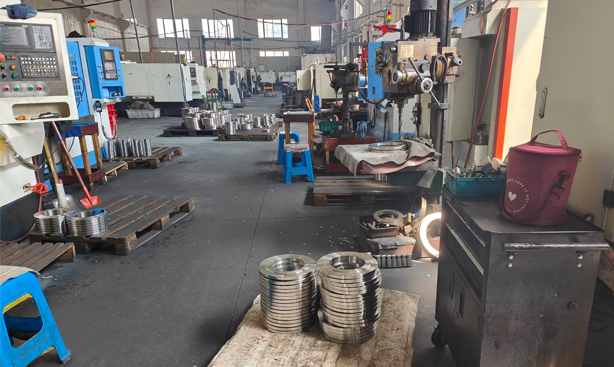
The construction of china needle globe valves typically involves several key materials. Body materials commonly include cast iron (ASTM A128, offering cost-effectiveness but limited corrosion resistance), carbon steel (ASTM A105, providing strength for higher pressure applications), stainless steel (304/316, essential for corrosive environments – compliant with ASTM A276), and alloy steels (for extreme temperature or pressure). The valve seat, critical for sealing, often utilizes materials like PTFE (Polytetrafluoroethylene) for low-friction sealing, reinforced PTFE composites for enhanced durability, or metal-to-metal sealing with hardened alloys (e.g., Stellite 6) for high-temperature and high-pressure service. The stem material is typically stainless steel (304/316) to resist corrosion and provide smooth operation. Manufacturing processes commence with casting or forging the valve body. Machining operations, including drilling, tapping, and honing, are employed to create the internal passages and seating surfaces. The stem is precision-machined and polished. The valve assembly involves careful lapping of the seat and disc to ensure leak-tight shutoff. Parameter control during manufacturing is vital. Critical tolerances are maintained on the seat angle, disc diameter, and stem straightness. Non-destructive testing (NDT) methods like liquid penetrant inspection (LPI) and ultrasonic testing (UT) are employed to detect flaws in the valve body and welds. Surface treatments, like passivation for stainless steel, enhance corrosion resistance. Welding processes (SMAW, GTAW) are rigorously controlled and qualified to applicable standards (AWS D1.1) to ensure structural integrity.
Performance & Engineering
Performance of a needle globe valve is fundamentally dictated by its flow coefficient (Cv), which quantifies the relationship between flow rate and pressure drop. Engineering considerations involve accurate calculation of Cv based on valve size, seat geometry, and fluid properties. Force analysis is crucial, particularly regarding the force required to operate the valve at maximum differential pressure. Stem and seat designs must withstand these forces without deformation or leakage. Environmental resistance is paramount. Valves operating in corrosive environments require materials selection and protective coatings to mitigate corrosion. Temperature extremes demand materials with suitable thermal expansion coefficients to prevent binding or leakage. Compliance requirements vary by industry. For example, valves used in potable water systems must comply with NSF/ANSI 61 standards, ensuring they do not leach harmful contaminants. Valves for oil & gas applications must adhere to API 6D standards, covering design, manufacturing, and testing. Functional implementation often involves integrating the valve with an actuator (pneumatic, electric, or hydraulic) to automate operation. Actuator sizing must match the valve’s torque requirements to ensure responsive and reliable control. Pressure testing (hydrostatic and pneumatic) is conducted according to API 598 to verify valve integrity and leak tightness. Flow characteristics are typically linear or equal percentage, influencing control loop stability and responsiveness.
Technical Specifications
| Parameter | Unit | Typical Value (Carbon Steel) | Typical Value (316 Stainless Steel) |
|---|---|---|---|
| Maximum Operating Pressure | psi | 900 | 600 |
| Temperature Range | °F | -20 to 450 | -20 to 650 |
| Connection Size | inches | 1/2 - 4 | 1/2 - 2 |
| Cv Value (1/2" Valve, Full Open) | gal/min/psi | 0.4 | 0.4 |
| Seat Material | - | PTFE | PTFE or Metal-to-Metal |
| Actuator Type | - | Pneumatic, Electric | Pneumatic, Electric |
Failure Mode & Maintenance
Needle globe valves are susceptible to several failure modes. Erosion of the valve seat and disc is common, particularly with abrasive fluids, leading to leakage. Fatigue cracking can occur in the valve body or stem due to repeated pressure cycles. Corrosion, especially in carbon steel valves, weakens the body and internal components, resulting in leaks or catastrophic failure. Cavitation, caused by rapid pressure drops, can erode the valve trim. Foreign particle intrusion can damage the seat and disc, causing leakage. Stem packing failure leads to stem leakage. Maintenance routines are critical. Regular inspection of the valve body for corrosion and cracks is essential. Periodic replacement of the seat and disc extends valve life. Repacking the stem prevents leakage. Lubrication of the stem threads ensures smooth operation. Regular actuator inspection and maintenance are also necessary. For critical applications, preventative maintenance programs involving scheduled overhauls and component replacement are recommended. Failure analysis, using methods like metallurgical examination and fractography, can identify the root cause of failures and prevent recurrence. Proper storage conditions (dry, protected from the elements) are essential to prevent corrosion during periods of inactivity.
Industry FAQ
Q: What are the key differences between a needle globe valve and a ball valve for flow control applications?
A: While both control flow, ball valves are generally suited for on/off service or coarse throttling, lacking the precision of a needle globe valve. Needle globe valves provide more granular control, particularly at low flow rates. Ball valves have lower pressure drop but less accurate flow regulation. Ball valves are also more prone to water hammer effects during rapid closure.
Q: How does the material selection impact the lifespan of a needle globe valve in a chemical processing plant?
A: Material selection is paramount. Exposure to corrosive chemicals necessitates stainless steel (316) or alloy materials. Carbon steel valves will rapidly corrode, leading to leaks and failure. The valve seat material must also be chemically compatible with the process fluid to prevent degradation and maintain a tight seal.
Q: What are the common causes of seat leakage in a needle globe valve and how can they be addressed?
A: Seat leakage is often caused by erosion from abrasive fluids, foreign particle damage, or deformation due to high temperatures or pressures. Solutions include selecting erosion-resistant seat materials, installing upstream filters, and ensuring proper valve operation within its specified limits. Re-lapping or replacing the seat is often required.
Q: What is the significance of API 6D certification for a china-manufactured needle globe valve intended for oil & gas applications?
A: API 6D certification demonstrates that the valve meets stringent quality and performance requirements for oil & gas service, covering design, manufacturing, testing, and documentation. It provides assurance of reliability and safety, crucial in a demanding environment. Non-certified valves may not meet industry standards and could pose risks.
Q: How important is regular preventative maintenance for extending the service life of needle globe valves?
A: Preventative maintenance is crucial. Regular inspection, lubrication, repacking, and component replacement can significantly extend valve life and prevent costly unscheduled downtime. Implementing a schedule based on operating conditions and manufacturer recommendations is highly recommended. Early detection of wear or corrosion can prevent catastrophic failures.
Conclusion
China needle globe valves represent a crucial technology for precise fluid flow control across diverse industrial applications. Their performance is inherently linked to material selection, manufacturing precision, and adherence to relevant industry standards. Proper understanding of the valve’s operational characteristics, potential failure modes, and diligent preventative maintenance are essential for maximizing reliability and minimizing life-cycle costs. The increasing emphasis on process optimization and safety further underscores the importance of utilizing high-quality needle globe valves and implementing robust maintenance programs.
Future trends involve the integration of smart valve technologies, including digital positioners, remote monitoring capabilities, and predictive maintenance algorithms. These advancements will enable more efficient operation, reduced downtime, and improved process control. Furthermore, advancements in materials science, particularly the development of corrosion-resistant alloys and self-sealing seat technologies, will continue to enhance the performance and longevity of these critical control components.
-
Top Reasons to Choose a Stainless Steel Flange Check Valve for Industrial Applications
-
electric check valve Performance Engineering
-
electric check valves Performance Analysis
-
Threaded Check Valves Performance Analysis
-
6 inch check valve Performance Analysis
-
8 check valve Performance Analysis
-
diaphragm check valve Material Science Manufacturing
-
dual plate check valve Performance Analysis
-
check valve 6 inch Material Science
-
diaphragm check valves Performance Analysis
-
dual plate check valves Performance Analysis
-
vertical check valves Material Science Manufacturing
-
8 check valves Performance Analysis
-
refrigeration check valves Performance Analysis
-
pilot check valve Performance Analysis
 Afrikaans
 Albanian
 Amharic
 Arabic
 Armenian
 Azerbaijani
 Basque
 Belarusian
 Bengali
 Bosnian
 Bulgarian
 Catalan
 Cebuano
 Corsican
 Croatian
 Czech
Czech
 Danish
 Dutch
Dutch
 Esperanto
 Estonian
 Finnish
 French
 Frisian
 Galician
 Georgian
 German
 Greek
Greek
 Gujarati
 Haitian Creole
 Hausa
Hawaiian
Hausa
Hawaiian
 Hebrew
 Hindi
Hindi
 Miao
Miao
 Hungarian
 Icelandic
 Igbo
Igbo
 Indonesian
 Irish
Irish
 Italian
 Japanese
 Javanese
Kannada
Javanese
Kannada
 Kazakh
 Khmer
Khmer
 Rwandese
 Korean
 Kurdish
 Kyrgyz
 Lao
Lao
 Latin
Latin
 Latvian
 Lithuanian
 Luxembourgish
 Macedonian
 Malgashi
 Malay
Malay
 Malayalam
 Maltese
 Maori
Maori
 Marathi
 Mongolian
 Myanmar
 Nepali
 Norwegian
 Norwegian
 Occitan
 Pashto
 Persian
 Polish
 Portuguese
Punjabi
Portuguese
Punjabi
 Romanian
 Russian
 Samoan
 Scottish Gaelic
 Serbian
 Sesotho
 Shona
Shona
 Sindhi
 Sinhala
 Slovak
 Slovenian
 Somali
 Spanish
 Sundanese
 Swahili
 Swedish
Tagalog
Swedish
Tagalog
 Tajik
Tajik
 Tamil
Tamil
 Tatar
Tatar
 Telugu
 Thai
Thai
 Turkish
 Turkmen
 Ukrainian
 Urdu
Urdu
 Uighur
 Uzbek
Uzbek
 Vietnamese
 Welsh
Welsh
 Bantu
Bantu
 Yiddish
 Yoruba
 Zulu
Zulu
 English