




china pipes valves fittings Performance Analysis
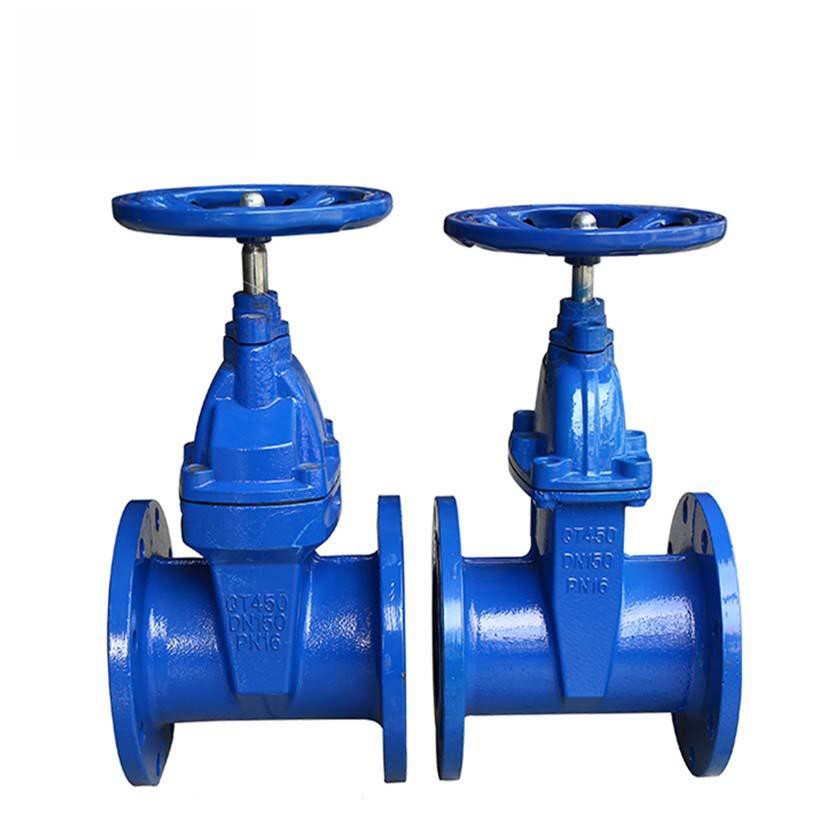
Introduction
Pipes, valves, and fittings constitute a critical infrastructure component across numerous industries, including oil and gas, chemical processing, water treatment, and power generation. China has become a significant global supplier of these components, offering a range of materials, manufacturing capabilities, and price points. This guide provides a detailed technical overview of china pipes, valves, and fittings, focusing on material science, manufacturing processes, performance characteristics, failure modes, and relevant industry standards. Understanding these aspects is crucial for procurement managers, engineers, and maintenance personnel to ensure system reliability, safety, and compliance. The core performance of these components centers around pressure containment, fluid flow control, and long-term durability in often harsh operational environments. Selecting the appropriate materials and designs is paramount to mitigating risks associated with corrosion, erosion, and mechanical failure, ultimately maximizing operational efficiency and minimizing lifecycle costs.
Material Science & Manufacturing
The materials used in the manufacture of pipes, valves, and fittings are diverse, dictated by the application’s operating conditions. Common materials include carbon steel (ASTM A53, A106), stainless steel (304, 316, duplex), cast iron (ASTM A48), ductile iron (ASTM A576), and various polymers (PVC, CPVC, PEX, HDPE). Carbon steel, while cost-effective, is susceptible to corrosion and requires protective coatings (epoxy, polyethylene) or cathodic protection. Stainless steels offer superior corrosion resistance due to the presence of chromium, forming a passive oxide layer. Duplex stainless steels provide even higher strength and corrosion resistance, particularly in chloride-rich environments. Valve bodies and internal components are frequently manufactured using casting, forging, or machining processes. Pipe manufacturing utilizes methods such as seamless extrusion, electric resistance welding (ERW), and spiral welding. Fittings are commonly produced via forging, casting, or machining. Precise control of welding parameters (temperature, pressure, shielding gas composition) is critical to ensure weld integrity and prevent defects such as porosity, cracking, and incomplete fusion. Polymer pipes are manufactured through extrusion, where molten polymer is forced through a die to create the desired shape. Key parameters include extrusion temperature, die geometry, and cooling rate. Quality control at each stage – material sourcing, manufacturing, and inspection – is essential to meet industry specifications and ensure product reliability. Surface finish is also crucial, particularly for valves, impacting flow characteristics and reducing friction.

Performance & Engineering
The performance of pipes, valves, and fittings is fundamentally governed by principles of fluid mechanics and structural engineering. Pressure rating (ANSI/ASME B16.34), flow coefficient (Cv), and temperature limitations are critical parameters. Pressure ratings specify the maximum internal pressure a component can withstand at a given temperature. Flow coefficient quantifies the valve’s capacity to pass fluid. Finite Element Analysis (FEA) is extensively used in the design process to simulate stress distribution, identify potential weak points, and optimize component geometry. Valve designs must account for cavitation (formation of vapor bubbles due to pressure drop), erosion, and flashing (sudden vaporization of liquid). Leakage prevention is paramount; valve seats and seals must maintain a tight closure under pressure and temperature fluctuations. For piping systems, hydraulic analysis is essential to determine pressure losses, flow velocities, and potential water hammer effects. Support structures must be designed to withstand the weight of the piping, thermal expansion/contraction forces, and dynamic loads (e.g., wind, seismic activity). Material selection must consider chemical compatibility with the conveyed fluid to prevent corrosion and degradation. Compliance with industry standards (API, ASME, ISO) is crucial for ensuring safe and reliable operation. Fatigue analysis is particularly important for components subjected to cyclic loading, such as valves and pump connections.
Technical Specifications
| Parameter | Carbon Steel (A53 Gr. B) | Stainless Steel (316) | PVC (Schedule 80) | Ductile Iron (A576 Gr. 65-45) |
|---|---|---|---|---|
| Material | ASTM A53 Gr. B | ASTM A366/A240 316 | PVC | ASTM A576 Gr. 65-45 |
| Tensile Strength (MPa) | 400-550 | 517-690 | 55-70 | 414-586 |
| Yield Strength (MPa) | 250-345 | 276-414 | N/A (Rigid) | 345-483 |
| Maximum Operating Pressure (MPa) | Variable, based on wall thickness & diameter | Variable, based on wall thickness & diameter | Variable, based on schedule & diameter | Variable, based on wall thickness & diameter |
| Temperature Range (°C) | -30 to 425 | -196 to 370 | -10 to 60 | -30 to 120 |
| Corrosion Resistance | Low (requires coating) | High | Excellent (to many chemicals) | Moderate (requires coating in corrosive environments) |
Failure Mode & Maintenance
Common failure modes for pipes, valves, and fittings include corrosion (galvanic, pitting, crevice), erosion (caused by abrasive particles in fluid), fatigue cracking (due to cyclic loading), stress corrosion cracking (SCC, induced by tensile stress and a corrosive environment), and material degradation (e.g., polymer embrittlement). Valve failures often involve seat leakage, stem packing failure, and actuator malfunction. Pipe failures can result from external corrosion, internal corrosion, weld defects, and overpressure events. Regular inspection is crucial for identifying potential problems before they escalate. Non-destructive testing (NDT) methods, such as ultrasonic testing (UT), radiographic testing (RT), and liquid penetrant testing (PT), are commonly used to detect flaws and assess material integrity. Preventative maintenance programs should include lubrication of valve components, inspection of seals and gaskets, tightening of bolted connections, and monitoring for signs of corrosion. In the event of a leak, immediate repair or replacement is necessary to prevent further damage and ensure safety. For polymer pipes, UV exposure can cause degradation, so proper shielding or UV-stabilized materials should be used. Maintaining accurate records of inspections, maintenance activities, and repair history is essential for tracking component performance and identifying recurring issues.
Industry FAQ
Q: What is the primary difference between seamless and welded pipes and when would I choose one over the other?
A: Seamless pipes are manufactured without a weld seam, offering higher strength and resistance to corrosion, making them ideal for high-pressure applications and corrosive environments. Welded pipes, particularly ERW (Electric Resistance Welded) pipes, are generally more cost-effective and suitable for lower-pressure applications. The choice depends on the specific operating conditions and budget constraints. Seamless pipes are often preferred in critical applications where failure could have significant consequences.
Q: How do I determine the appropriate valve type for a specific application?
A: Valve selection depends on several factors: fluid type, pressure, temperature, flow rate, and required control accuracy. Gate valves are suitable for on/off service, while globe valves offer precise flow control. Ball valves provide quick opening/closing and are ideal for slurries. Butterfly valves are cost-effective for large-diameter pipes. Check valves prevent backflow. A careful evaluation of these parameters is essential for selecting the optimal valve type.
Q: What are the common causes of corrosion in piping systems and how can they be prevented?
A: Common causes include electrochemical reactions, exposure to corrosive fluids, and dissimilar metal contact. Prevention strategies include material selection (using corrosion-resistant alloys), applying protective coatings (epoxy, polyethylene), cathodic protection, and using sacrificial anodes. Proper grounding and insulation can also minimize galvanic corrosion.
Q: What is the significance of the ‘Schedule’ designation in PVC piping?
A: The 'Schedule' designation (e.g., Schedule 40, Schedule 80) indicates the pipe wall thickness. Higher schedule numbers correspond to thicker walls, which provide greater pressure resistance. Schedule 80 pipes are used in higher-pressure applications compared to Schedule 40 pipes.
Q: What are the key considerations when specifying fittings for high-temperature applications?
A: Material selection is critical. Fittings must maintain their mechanical properties (strength, ductility) at elevated temperatures. Thermal expansion and contraction must be accounted for in the design to prevent stress on the piping system. High-temperature gaskets and seals are required to prevent leakage. Creep resistance (the tendency to deform under sustained stress at high temperatures) should also be considered.
Conclusion
The selection and implementation of pipes, valves, and fittings require a comprehensive understanding of material science, manufacturing processes, and engineering principles. China’s position as a leading supplier necessitates a rigorous evaluation of product quality, compliance with international standards, and long-term reliability. By considering the operational environment, fluid characteristics, and potential failure modes, engineers and procurement professionals can ensure the safe and efficient operation of critical infrastructure systems.
Future trends in this sector are focused on developing lighter-weight, high-strength materials, improving corrosion resistance through advanced coatings, and implementing smart technologies for condition monitoring and predictive maintenance. Adopting these innovations will be crucial for maximizing the lifespan and minimizing the lifecycle costs of piping systems while maintaining the highest levels of safety and environmental responsibility.
-
Top Reasons to Choose a Stainless Steel Flange Check Valve for Industrial Applications
-
electric check valve Performance Engineering
-
electric check valves Performance Analysis
-
Threaded Check Valves Performance Analysis
-
6 inch check valve Performance Analysis
-
8 check valve Performance Analysis
-
diaphragm check valve Material Science Manufacturing
-
dual plate check valve Performance Analysis
-
check valve 6 inch Material Science
-
diaphragm check valves Performance Analysis
-
dual plate check valves Performance Analysis
-
vertical check valves Material Science Manufacturing
-
8 check valves Performance Analysis
-
refrigeration check valves Performance Analysis
-
pilot check valve Performance Analysis
 Afrikaans
 Albanian
 Amharic
 Arabic
 Armenian
 Azerbaijani
 Basque
 Belarusian
 Bengali
 Bosnian
 Bulgarian
 Catalan
 Cebuano
 Corsican
 Croatian
 Czech
Czech
 Danish
 Dutch
Dutch
 Esperanto
 Estonian
 Finnish
 French
 Frisian
 Galician
 Georgian
 German
 Greek
Greek
 Gujarati
 Haitian Creole
 Hausa
Hawaiian
Hausa
Hawaiian
 Hebrew
 Hindi
Hindi
 Miao
Miao
 Hungarian
 Icelandic
 Igbo
Igbo
 Indonesian
 Irish
Irish
 Italian
 Japanese
 Javanese
Kannada
Javanese
Kannada
 Kazakh
 Khmer
Khmer
 Rwandese
 Korean
 Kurdish
 Kyrgyz
 Lao
Lao
 Latin
Latin
 Latvian
 Lithuanian
 Luxembourgish
 Macedonian
 Malgashi
 Malay
Malay
 Malayalam
 Maltese
 Maori
Maori
 Marathi
 Mongolian
 Myanmar
 Nepali
 Norwegian
 Norwegian
 Occitan
 Pashto
 Persian
 Polish
 Portuguese
Punjabi
Portuguese
Punjabi
 Romanian
 Russian
 Samoan
 Scottish Gaelic
 Serbian
 Sesotho
 Shona
Shona
 Sindhi
 Sinhala
 Slovak
 Slovenian
 Somali
 Spanish
 Sundanese
 Swahili
 Swedish
Tagalog
Swedish
Tagalog
 Tajik
Tajik
 Tamil
Tamil
 Tatar
Tatar
 Telugu
 Thai
Thai
 Turkish
 Turkmen
 Ukrainian
 Urdu
Urdu
 Uighur
 Uzbek
Uzbek
 Vietnamese
 Welsh
Welsh
 Bantu
Bantu
 Yiddish
 Yoruba
 Zulu
Zulu
 English