




china pneumatic globe valve Performance Engineering
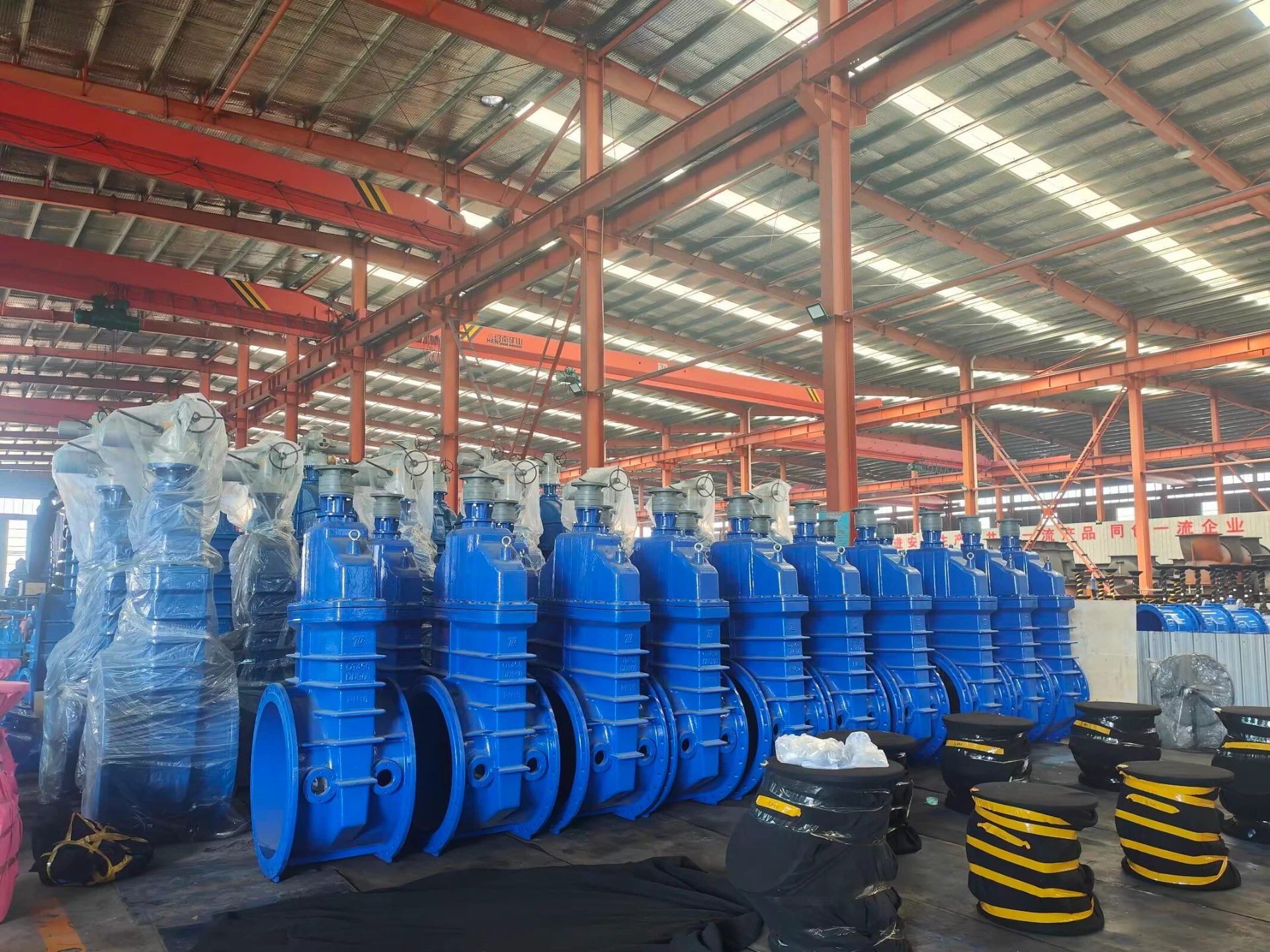
Introduction
China pneumatic globe valves are integral components in process automation systems, primarily employed for throttling and regulating flow in a diverse range of industrial applications, including chemical processing, oil & gas, power generation, and water treatment. They represent a significant segment of the global valve market, driven by China’s robust manufacturing capabilities and increasing demand for efficient flow control solutions. These valves distinguish themselves through their use of pneumatically actuated diaphragms controlling valve stem position, enabling precise and responsive flow modulation compared to manually operated counterparts. Core performance characteristics center around tight shut-off capability, precise flow control, and suitability for harsh operating environments. A key industry pain point is maintaining consistent performance reliability under varying pressure and temperature conditions while complying with increasingly stringent emissions regulations. This guide details the material science, manufacturing processes, performance engineering, potential failure modes, and maintenance protocols for these critical valves.
Material Science & Manufacturing
The body of a typical China pneumatic globe valve is commonly constructed from materials such as cast iron (ASTM A126 Class B), ductile iron (ASTM A536 65-45-12), or stainless steel (304/316). Material selection dictates corrosion resistance and pressure handling capabilities. The valve seat is frequently manufactured from PTFE (Polytetrafluoroethylene) due to its excellent chemical resistance and low friction coefficient. Stem construction relies on stainless steel (304/316) for durability and resistance to galling. The diaphragm, critical to pneumatic actuation, is typically composed of a multi-layered construction, including a base elastomer like EPDM (Ethylene Propylene Diene Monomer) or Nitrile Rubber (NBR), reinforced with layers of fabric and a PTFE coating for chemical compatibility. Manufacturing involves several key processes. The body casting requires precise mold creation and pouring techniques to ensure dimensional accuracy and eliminate porosity. Machining operations, including drilling, tapping, and reaming, are crucial for achieving proper sealing surfaces and precise alignment. Diaphragm manufacturing involves layering and vulcanization processes, requiring strict temperature and pressure control. Pneumatic actuators are assembled using precision-machined components, demanding rigorous quality control during assembly and testing to ensure leak-free operation and responsiveness. Key parameter control includes chemical composition verification of raw materials, non-destructive testing (NDT) of castings (radiography, ultrasonic testing), and dimensional inspection at each manufacturing stage using coordinate measuring machines (CMMs).
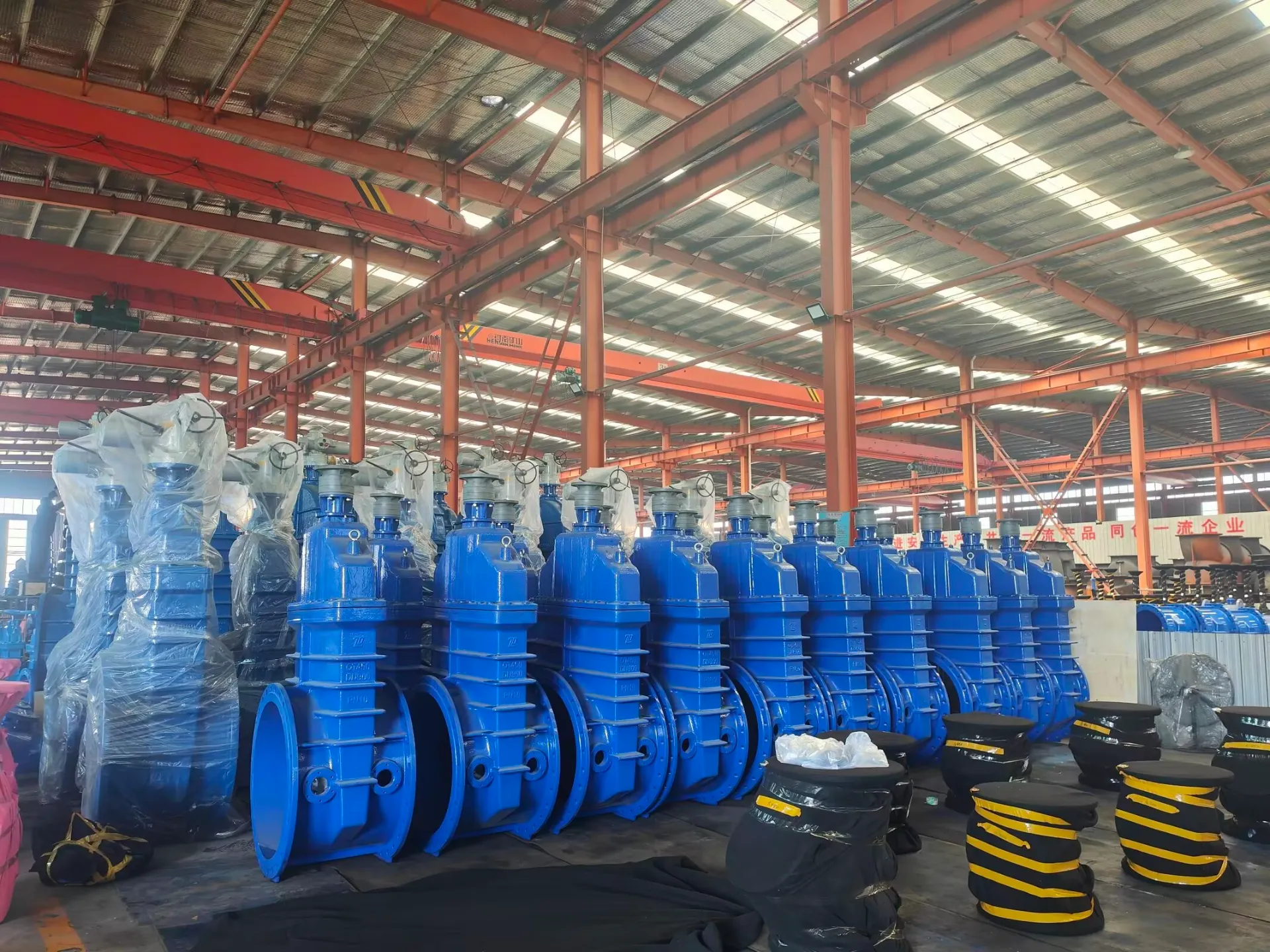
Performance & Engineering
Pneumatic globe valve performance is fundamentally governed by the principles of fluid dynamics and pneumatic control. Force analysis considers the hydrostatic forces exerted by the process fluid on the valve internals, particularly the stem and disc. These forces must be counteracted by the pneumatic actuator's output force. Environmental resistance is paramount; valves operating in corrosive atmospheres necessitate materials with high chemical inertness. Compliance with industry standards, such as ISA S75.01 (Pneumatic Logic Controller) and IEC 61508 (Functional Safety of Electrical/Electronic/Programmable Electronic Safety-related Systems), is crucial for applications involving safety-critical processes. Functional implementation relies on a precisely calibrated pneumatic actuator and a responsive diaphragm. The actuator converts compressed air pressure into linear motion, controlling the valve stem position. Flow characteristics are dictated by the valve’s internal geometry; a globe valve's inherent characteristics create a significant pressure drop even at full flow, making it ideal for throttling. The Cv (flow coefficient) value, a critical performance parameter, quantifies the valve’s flow capacity. Proper sizing of the valve based on process conditions (flow rate, pressure drop, fluid properties) is essential for optimal performance. Fail-safe designs, employing spring-return actuators, ensure the valve defaults to a safe position (open or closed) in the event of air supply failure.
Technical Specifications
| Parameter | Unit | Typical Value (Carbon Steel Body) | Typical Value (316 Stainless Steel Body) |
|---|---|---|---|
| Maximum Operating Pressure | PSI | 200 | 300 |
| Temperature Range | °F | -20 to 450 | -20 to 600 |
| Cv Value (1" Valve) | GPM | 25 | 25 |
| Actuator Air Supply Pressure | PSI | 40-80 | 40-80 |
| Leakage Class (Bubble Tight) | cc/min | <0.1 | <0.1 |
| Connection Type | - | Flanged, Threaded, Welded | Flanged, Threaded, Welded |
Failure Mode & Maintenance
Common failure modes in China pneumatic globe valves include seat erosion due to abrasive particles in the fluid, diaphragm failure caused by chemical attack or mechanical stress, stem packing leakage leading to fugitive emissions, and actuator malfunction due to contamination or loss of air supply. Fatigue cracking can occur in the valve body under cyclic loading, particularly at stress concentration points. Delamination of the diaphragm’s PTFE coating can compromise its chemical resistance. Corrosion, especially in carbon steel bodies exposed to corrosive fluids, leads to material degradation and eventual failure. Oxidation of internal components can cause seizing and impaired operation. Preventative maintenance is crucial. Regular inspection of the diaphragm and seat for wear and tear is essential. Periodic replacement of stem packing minimizes leakage. Lubrication of moving parts reduces friction and prevents seizing. Air filter maintenance ensures clean air supply to the actuator. Non-destructive testing (NDT) of the valve body can detect early signs of cracking. Routine calibration of the actuator ensures accurate positioning and responsive control. A comprehensive maintenance program, documented according to ISO 9001 standards, extends valve lifespan and minimizes downtime. Failure Analysis should always be conducted to understand root causes and prevent recurrence.
Industry FAQ
Q: What is the primary advantage of a pneumatic globe valve over a ball valve in throttling applications?
A: While ball valves offer low pressure drop, globe valves provide superior throttling control due to their inherent flow characteristics. The globe valve's disc regulates flow by varying the restriction in the flow path, allowing for precise modulation. Ball valves are more on/off in nature and less suited for applications requiring fine flow adjustments.
Q: How does the material selection affect the valve's suitability for different fluids?
A: Material selection is critical. Carbon steel is suitable for non-corrosive fluids, but stainless steel (316) is essential for corrosive fluids like acids or seawater. The diaphragm material must also be compatible with the fluid; EPDM is suitable for water-based fluids, while PTFE is generally inert to a wide range of chemicals.
Q: What are the key considerations when sizing a pneumatic globe valve for a specific application?
A: Accurate sizing requires knowing the flow rate, pressure drop, fluid density, and viscosity. The Cv value of the valve must be selected to provide the desired flow rate at the specified pressure drop. Undersizing leads to excessive pressure drop, while oversizing results in poor control.
Q: What maintenance procedures are essential to prevent actuator failure?
A: Regular air filter replacement is crucial to prevent contamination. Periodically check the actuator for leaks and ensure proper lubrication. Inspect the diaphragm for wear and tear. Routine calibration ensures accurate positioning and responsiveness.
Q: How does the valve conform to environmental regulations concerning fugitive emissions?
A: Leakage class certification (e.g., EN 161) ensures minimal fugitive emissions. Utilizing low-emission stem packing and performing regular packing maintenance are vital. Material selection also plays a role, with PTFE-based seats offering superior sealing capabilities.
Conclusion
China pneumatic globe valves represent a sophisticated flow control solution, critically dependent on precise material selection, robust manufacturing processes, and diligent maintenance. Their performance is fundamentally tied to adherence to fluid dynamics principles and pneumatic control standards. Addressing industry pain points like maintaining reliability in harsh environments and complying with emissions regulations necessitates a holistic approach encompassing material science, engineering design, and proactive maintenance strategies.
Future advancements will likely focus on incorporating smart technologies – such as integrated sensors for predictive maintenance and digital communication protocols for remote monitoring and control – further enhancing valve performance and operational efficiency. Continued refinement of diaphragm materials and actuator designs will drive improvements in responsiveness and longevity. Adopting a lifecycle cost analysis approach, encompassing initial purchase price, installation costs, maintenance expenses, and potential downtime, will become increasingly important in selecting optimal valve solutions.
-
3 inch flange Performance Analysis
-
Aluminum Flange Material Performance
-
Ring Joint Flange Performance Analysis
-
Square Flange Performance Analysis
-
Ring Joint Flanges Performance Analysis
-
Rubber Flanges Performance Analysis
-
Square Flanges Material Science Manufacturing
-
Hubbed Flange Performance Analysis
-
Flat Face Flange Performance Analysis
-
Ball Valve Flange Performance Analysis
-
flat face flanges Performance Analysis
-
Flat Faced Flange Performance Analysis
-
3 in flange Performance Analysis
-
2in flange Performance Analysis
-
Flat Faced Flanges Performance Analysis
 Afrikaans
 Albanian
 Amharic
 Arabic
 Armenian
 Azerbaijani
 Basque
 Belarusian
 Bengali
 Bosnian
 Bulgarian
 Catalan
 Cebuano
 Corsican
 Croatian
 Czech
Czech
 Danish
 Dutch
Dutch
 Esperanto
 Estonian
 Finnish
 French
 Frisian
 Galician
 Georgian
 German
 Greek
Greek
 Gujarati
 Haitian Creole
 Hausa
Hawaiian
Hausa
Hawaiian
 Hebrew
 Hindi
Hindi
 Miao
Miao
 Hungarian
 Icelandic
 Igbo
Igbo
 Indonesian
 Irish
Irish
 Italian
 Japanese
 Javanese
Kannada
Javanese
Kannada
 Kazakh
 Khmer
Khmer
 Rwandese
 Korean
 Kurdish
 Kyrgyz
 Lao
Lao
 Latin
Latin
 Latvian
 Lithuanian
 Luxembourgish
 Macedonian
 Malgashi
 Malay
Malay
 Malayalam
 Maltese
 Maori
Maori
 Marathi
 Mongolian
 Myanmar
 Nepali
 Norwegian
 Norwegian
 Occitan
 Pashto
 Persian
 Polish
 Portuguese
Punjabi
Portuguese
Punjabi
 Romanian
 Russian
 Samoan
 Scottish Gaelic
 Serbian
 Sesotho
 Shona
Shona
 Sindhi
 Sinhala
 Slovak
 Slovenian
 Somali
 Spanish
 Sundanese
 Swahili
 Swedish
Tagalog
Swedish
Tagalog
 Tajik
Tajik
 Tamil
Tamil
 Tatar
Tatar
 Telugu
 Thai
Thai
 Turkish
 Turkmen
 Ukrainian
 Urdu
Urdu
 Uighur
 Uzbek
Uzbek
 Vietnamese
 Welsh
Welsh
 Bantu
Bantu
 Yiddish
 Yoruba
 Zulu
Zulu
 English