




china spacer ring flanges Performance Analysis
Introduction
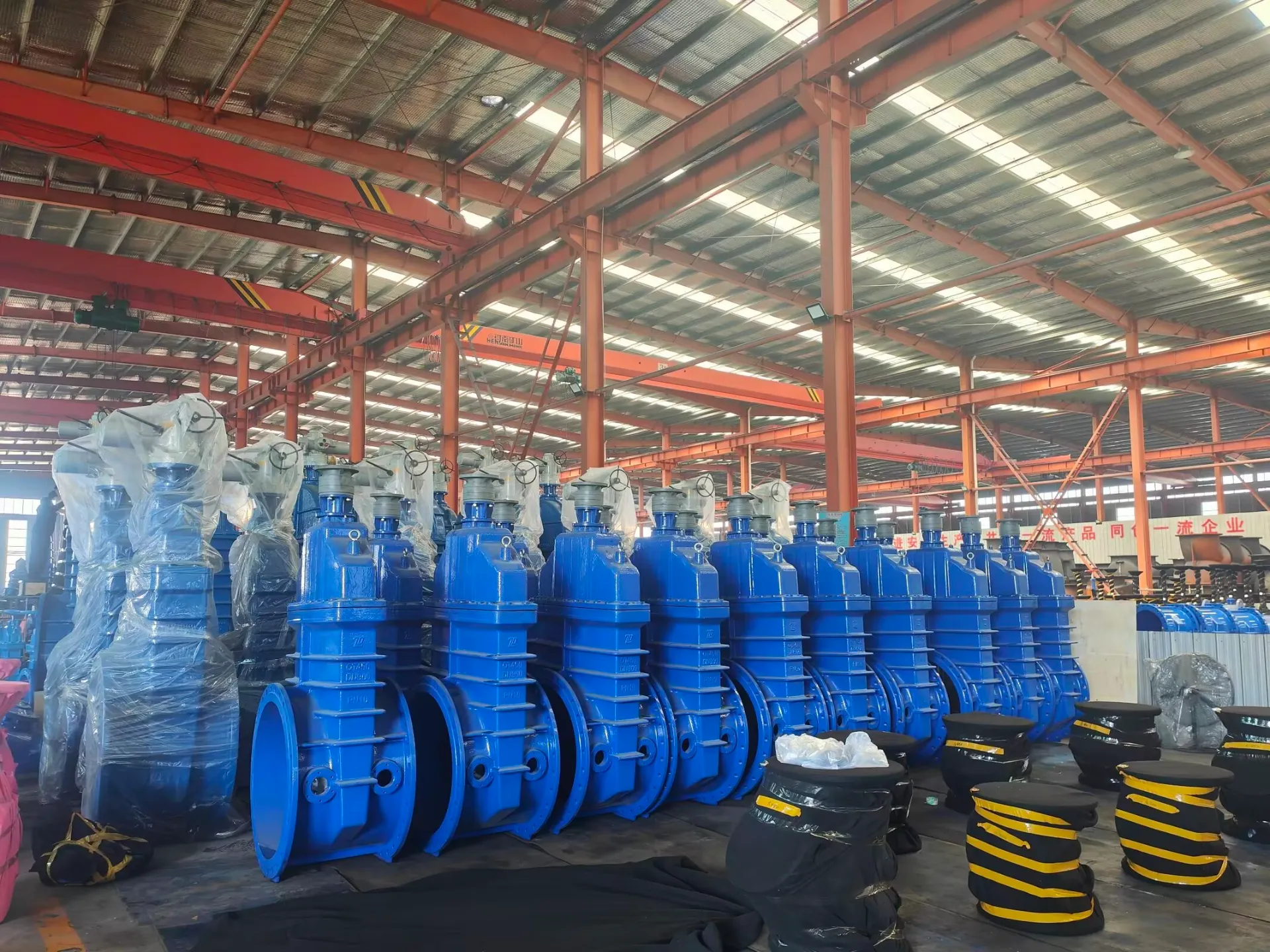
China spacer ring flanges are critical components used in piping systems, particularly in applications involving high pressures, extreme temperatures, or corrosive fluids. These flanges serve as a connection point between two sections of pipe, equipment, or valves, utilizing a spacer ring to manage bolt stress and prevent over-compression of the gasket. Positioned within the industry chain between raw material suppliers (steel, alloys, polymers) and end-users in sectors like petrochemicals, oil & gas, power generation, and water treatment, their integrity is paramount for system safety and efficiency. Core performance characteristics include pressure retention, leak-tightness, dimensional accuracy, and resistance to chemical attack and thermal cycling. The selection of appropriate materials and manufacturing processes is driven by these requirements, with performance directly influencing operational reliability and reducing the risk of catastrophic failures.
Material Science & Manufacturing
Spacer ring flanges are commonly manufactured from carbon steel (ASTM A105, DIN EN 10203), stainless steel (304/304L, 316/316L – ASTM A182, DIN EN 10083), and alloy steels (ASTM A182 F11, F22). Material selection is dependent on the operating environment; carbon steel provides cost-effectiveness for moderate conditions, while stainless and alloy steels offer superior corrosion resistance and high-temperature strength. The spacer ring itself is often constructed from materials compatible with the flange material to prevent galvanic corrosion. Manufacturing involves several key processes. Firstly, forging or casting produces the flange body. Forged flanges offer enhanced mechanical properties due to grain flow alignment. Next, machining precisely forms the flange faces, bolt holes, and the groove for the spacer ring. Critical parameters during machining include dimensional tolerances (governed by ASME B16.5 or EN 1092-1) and surface finish (Ra value impacting gasket sealing). Welding processes (SMAW, GTAW, SAW – AWS D1.1) are employed for fabrication of larger flanges or repair work, requiring qualified welders and strict adherence to welding procedures to ensure weld integrity and prevent defects like porosity and cracks. Post-weld heat treatment (PWHT) may be necessary to relieve residual stresses and improve ductility. Finally, Non-Destructive Testing (NDT) methods, such as radiography, ultrasonic testing, and liquid penetrant inspection, are crucial for verifying the absence of flaws.
Performance & Engineering
The performance of spacer ring flanges is governed by principles of stress analysis and fluid mechanics. The spacer ring distributes the bolt load evenly across the flange face, preventing gasket deformation and ensuring a leak-tight seal even under fluctuating pressures and temperatures. Finite Element Analysis (FEA) is frequently used to model stress distribution and optimize flange geometry for specific operating conditions. Bolt preload is a critical parameter; insufficient preload can lead to gasket failure, while excessive preload can exceed the bolt’s yield strength, resulting in permanent deformation or fracture. Environmental resistance is paramount. Corrosion, particularly pitting and crevice corrosion in chloride-containing environments, is a major concern. Material selection and protective coatings (e.g., epoxy, PTFE) are employed to mitigate corrosion. Thermal expansion and contraction can induce significant stresses in the flange-pipe connection. Proper alignment and the use of expansion joints are essential to accommodate thermal movements. Compliance requirements are dictated by industry standards and regulatory bodies. ASME Section VIII Division 1 outlines design rules for pressure vessels and piping, including flange design. API 6A specifies requirements for wellhead equipment, including flange connections. European standards (EN 1092-1, EN 1591-1) provide equivalent requirements for flange design and manufacturing.
Technical Specifications
| Parameter | Carbon Steel (A105) | Stainless Steel (316L) | Alloy Steel (F11) | Pressure Rating (ASME/EN) |
|---|---|---|---|---|
| Material | ASTM A105 | ASTM A182 316L | ASTM A182 F11 | 150#, 300#, 600#, 900#, 1500# (ASME B16.5) / PN6, PN10, PN16, PN25, PN40 (EN 1092-1) |
| Tensile Strength (MPa) | 400-550 | 520-700 | 450-650 | N/A |
| Yield Strength (MPa) | 250-350 | 210-310 | 240-380 | N/A |
| Operating Temperature (°C) | -29 to 370 | -196 to 425 | -40 to 450 | N/A |
| Corrosion Resistance | Low | High | Moderate to High | N/A |
| Spacer Ring Material (Typical) | Carbon Steel | Stainless Steel 316L | Alloy Steel | N/A |
Failure Mode & Maintenance
Common failure modes for spacer ring flanges include gasket failure (due to exceeding pressure/temperature limits, improper installation, or material degradation), bolt failure (due to over-tightening, corrosion, or fatigue), flange face distortion (due to thermal cycling or mechanical loads), and corrosion-induced cracking (particularly in carbon steel components). Fatigue cracking can initiate at bolt holes or around weldments. Delamination of protective coatings exposes the underlying metal to corrosive environments. Oxidation at high temperatures can lead to material thinning and loss of strength. Preventative maintenance is crucial. Regular inspection of flange faces for corrosion, erosion, or damage is essential. Bolt preload should be checked and adjusted periodically using torque wrenches or ultrasonic bolt load monitoring techniques. Gaskets should be replaced according to manufacturer’s recommendations or when signs of degradation are observed. Corrosion inhibitors and protective coatings should be reapplied as needed. If corrosion is detected, localized repair welding (using appropriate filler metal) may be performed, followed by NDT to verify weld integrity. Complete flange replacement may be necessary in cases of severe corrosion or cracking.
Industry FAQ
Q: What are the key differences between a slip-on flange and a spacer ring flange?
A: Slip-on flanges are simpler in design and lower in cost, suitable for lower pressure applications. Spacer ring flanges incorporate a ring that separates the flange face from the pipe wall, mitigating stress concentrations and improving gasket sealing performance, especially in high-pressure and high-temperature systems. They also allow for greater flexibility in bolt loading.
Q: How does material selection affect the longevity of a spacer ring flange in a seawater environment?
A: Carbon steel flanges will corrode rapidly in seawater. Stainless steel (316L or Super Duplex) is essential for seawater applications. Even with stainless steel, crevice corrosion can occur within bolt holes and under gaskets. Molybdenum-rich grades like 316L offer improved resistance, and proper gasket selection (e.g., PTFE) is crucial to minimize crevice formation.
Q: What is the significance of the flange facing (RF, FF, RTF)?
A: Raised Face (RF) is the most common type, providing a raised contact surface for gasket sealing. Flat Face (FF) is used with flat-faced mating flanges, often for low-pressure applications. Ring Type Joint (RTF) flanges use metal rings for sealing in high-pressure, high-temperature environments.
Q: What are the best practices for bolt tightening on a spacer ring flange?
A: Use a calibrated torque wrench and follow a star pattern tightening sequence to ensure even distribution of bolt load. Consider using bolt load monitoring techniques (ultrasonic elongation measurement) for critical applications. Proper lubrication of bolt threads is also important to achieve accurate torque values.
Q: What Non-Destructive Testing (NDT) methods are typically used for spacer ring flange inspection?
A: Radiographic testing (RT) detects internal flaws like porosity and cracks. Ultrasonic testing (UT) can detect surface and subsurface defects. Liquid penetrant inspection (LPI) is used to reveal surface cracks. Magnetic particle inspection (MPI) is used for ferromagnetic materials to detect surface and near-surface flaws.
Conclusion
China spacer ring flanges represent a critical interface in piping systems, demanding meticulous attention to material selection, manufacturing precision, and operational maintenance. Their effective performance is inextricably linked to the ability to withstand demanding conditions, from high pressures and temperatures to corrosive environments. Understanding the nuances of stress distribution, corrosion mechanisms, and failure modes is paramount for ensuring long-term reliability and safety.
The future of spacer ring flange technology lies in the development of advanced materials (e.g., high-alloy steels, composite materials) and innovative designs that enhance corrosion resistance, reduce weight, and improve sealing performance. Integration of digital technologies, such as predictive maintenance based on sensor data and AI-driven failure analysis, will further optimize operational efficiency and minimize downtime. Continued adherence to rigorous industry standards and best practices remains essential for ensuring the integrity of these vital components.
-
Top Reasons to Choose a Stainless Steel Flange Check Valve for Industrial Applications
-
electric check valve Performance Engineering
-
electric check valves Performance Analysis
-
Threaded Check Valves Performance Analysis
-
6 inch check valve Performance Analysis
-
8 check valve Performance Analysis
-
diaphragm check valve Material Science Manufacturing
-
dual plate check valve Performance Analysis
-
check valve 6 inch Material Science
-
diaphragm check valves Performance Analysis
-
dual plate check valves Performance Analysis
-
vertical check valves Material Science Manufacturing
-
8 check valves Performance Analysis
-
refrigeration check valves Performance Analysis
-
pilot check valve Performance Analysis
 Afrikaans
 Albanian
 Amharic
 Arabic
 Armenian
 Azerbaijani
 Basque
 Belarusian
 Bengali
 Bosnian
 Bulgarian
 Catalan
 Cebuano
 Corsican
 Croatian
 Czech
Czech
 Danish
 Dutch
Dutch
 Esperanto
 Estonian
 Finnish
 French
 Frisian
 Galician
 Georgian
 German
 Greek
Greek
 Gujarati
 Haitian Creole
 Hausa
Hawaiian
Hausa
Hawaiian
 Hebrew
 Hindi
Hindi
 Miao
Miao
 Hungarian
 Icelandic
 Igbo
Igbo
 Indonesian
 Irish
Irish
 Italian
 Japanese
 Javanese
Kannada
Javanese
Kannada
 Kazakh
 Khmer
Khmer
 Rwandese
 Korean
 Kurdish
 Kyrgyz
 Lao
Lao
 Latin
Latin
 Latvian
 Lithuanian
 Luxembourgish
 Macedonian
 Malgashi
 Malay
Malay
 Malayalam
 Maltese
 Maori
Maori
 Marathi
 Mongolian
 Myanmar
 Nepali
 Norwegian
 Norwegian
 Occitan
 Pashto
 Persian
 Polish
 Portuguese
Punjabi
Portuguese
Punjabi
 Romanian
 Russian
 Samoan
 Scottish Gaelic
 Serbian
 Sesotho
 Shona
Shona
 Sindhi
 Sinhala
 Slovak
 Slovenian
 Somali
 Spanish
 Sundanese
 Swahili
 Swedish
Tagalog
Swedish
Tagalog
 Tajik
Tajik
 Tamil
Tamil
 Tatar
Tatar
 Telugu
 Thai
Thai
 Turkish
 Turkmen
 Ukrainian
 Urdu
Urdu
 Uighur
 Uzbek
Uzbek
 Vietnamese
 Welsh
Welsh
 Bantu
Bantu
 Yiddish
 Yoruba
 Zulu
Zulu
 English