




china stainless needle valves Performance Analysis
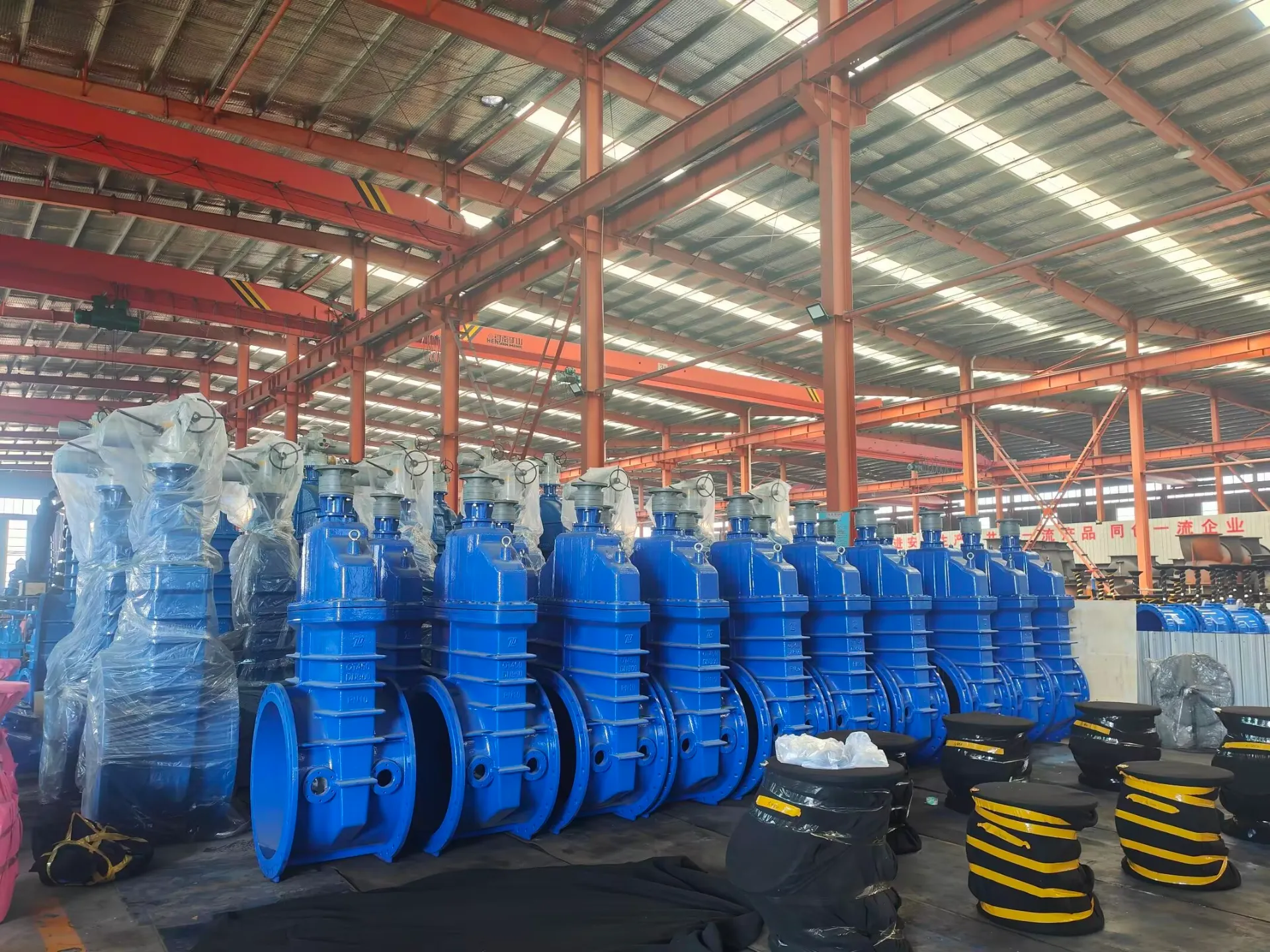
Introduction
China stainless steel needle valves are precision flow control devices employed extensively across numerous industrial applications, including chemical processing, oil & gas, instrumentation, and pharmaceutical manufacturing. They function by utilizing a tapered needle that moves within a corresponding seat, modulating fluid flow with high precision. Positioned within the broader valve technology landscape, they offer distinct advantages over ball valves and gate valves where precise throttling and repeatable flow rates are critical. These valves are a crucial component in closed-loop control systems, sample injection, and applications requiring leak-tight shutoff. This guide provides a comprehensive technical overview of these valves, encompassing material science, manufacturing processes, performance characteristics, failure modes, and applicable industry standards.
Material Science & Manufacturing
The core material for China stainless steel needle valves is typically 316/316L stainless steel, selected for its exceptional corrosion resistance, particularly in aggressive chemical environments. The chemical composition, conforming to ASTM A705, dictates the valve’s performance characteristics. 316 stainless steel contains molybdenum, enhancing its pitting corrosion resistance compared to 304 stainless steel. Lower carbon variants (316L) are favored for welding applications to minimize carbide precipitation, improving weld integrity and preventing intergranular corrosion. Other materials utilized include PTFE (Teflon) for seats and packing, offering a low coefficient of friction and excellent chemical compatibility. The manufacturing process begins with precision machining of the valve body from bar stock, followed by drilling and tapping operations. The needle and stem assembly is similarly machined to exacting tolerances. Critical dimensions, such as the needle taper angle and seat geometry, are controlled using CNC machining. Surface finishing, including electropolishing, is employed to enhance corrosion resistance and reduce surface roughness, minimizing friction and ensuring smooth operation. Welding, when necessary, utilizes the TIG (GTAW) process with argon shielding gas to maintain material purity. Post-weld heat treatment is often performed to restore mechanical properties and relieve residual stresses. Quality control involves dimensional inspections, pressure testing (hydrostatic and pneumatic), and material certification.
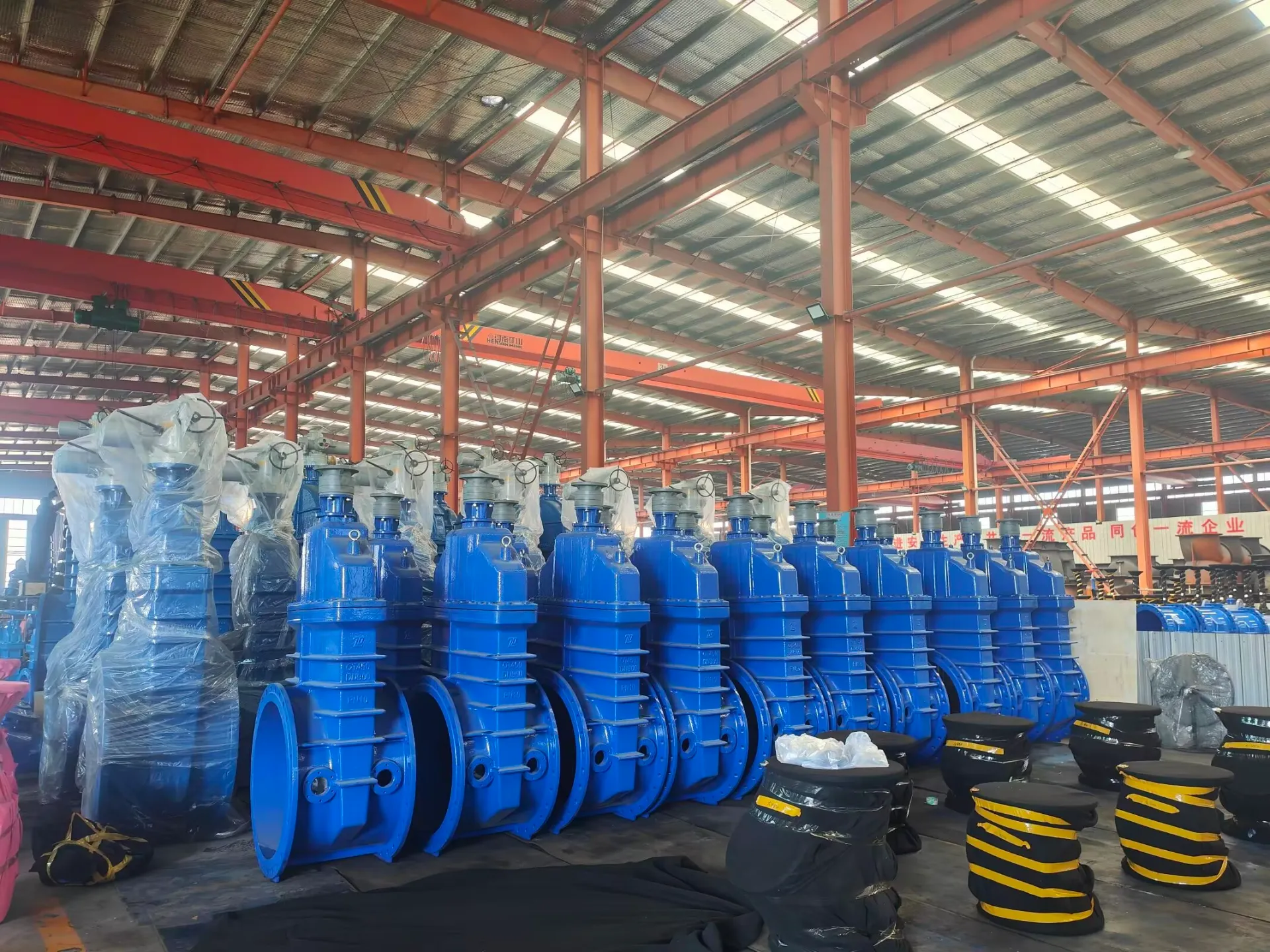
Performance & Engineering
The performance of a stainless steel needle valve is governed by several key engineering principles. Flow coefficient (Cv) is a critical parameter, defining the valve’s capacity to pass fluid at a specific pressure drop. Cv is directly related to the needle’s port area and is influenced by the valve’s size and internal geometry. The valve’s shut-off capability is determined by the seat’s sealing characteristics and the applied packing force. Leakage rates are typically specified in terms of bubbles per minute or parts per million. Force analysis is crucial in designing the valve stem and handwheel mechanism, ensuring sufficient torque can be applied to overcome fluid resistance and achieve precise flow control. Environmental resistance is paramount, particularly in corrosive environments. The selection of appropriate materials (e.g., 316L, PTFE) and surface treatments (e.g., electropolishing) minimizes corrosion and ensures long-term reliability. Compliance requirements, such as those outlined in FDA regulations for pharmaceutical applications or PED (Pressure Equipment Directive) for European markets, dictate material traceability, testing protocols, and documentation requirements. The valve's operational temperature range must also be considered, as elevated temperatures can affect material properties and seal performance. Thermal expansion coefficients of the valve body and stem materials need to be compatible to prevent binding or leakage. Pressure-temperature ratings, typically displayed on the valve body, define the safe operating limits.
Technical Specifications
| Parameter | Unit | Typical Value (1/4" Valve) | Tolerance |
|---|---|---|---|
| Maximum Pressure | PSI | 1000 | ±10% |
| Temperature Range | °F | -60 to 450 | ±5°F |
| Cv (Water) | - | 0.45 | ±0.05 |
| Leakage Rate (Bubble Tight) | SCCM (Air) | <1 | - |
| Connection Type | - | NPT (National Pipe Thread) | - |
| Body Material | - | 316 Stainless Steel | ASTM A705 |
Failure Mode & Maintenance
Common failure modes in China stainless steel needle valves include seat erosion due to abrasive particles in the fluid stream, stem packing failure leading to external leakage, and galling or seizing of the needle within the valve body. Fatigue cracking can occur in the stem under cyclic loading, particularly at high frequencies. Corrosion, particularly pitting corrosion in chloride-containing environments, can compromise the valve’s integrity. Degradation of the PTFE seat can occur at elevated temperatures or due to chemical attack. Oxidation of stainless steel components can occur in high-temperature, oxidizing environments. Failure analysis typically involves visual inspection, material testing (hardness, chemical composition), and non-destructive testing (e.g., dye penetrant inspection, ultrasonic testing). Preventative maintenance includes regular inspection of the packing gland and tightening as necessary. Periodic lubrication of the stem threads with a compatible lubricant (e.g., PTFE-based grease) reduces friction and prevents seizing. Backflushing the valve to remove abrasive particles is crucial in dirty service applications. Replacement of the PTFE seat and packing should be performed at scheduled intervals or when leakage is detected. Proper storage in a clean, dry environment prevents corrosion and contamination.
Industry FAQ
Q: What is the impact of fluid velocity on the lifespan of the PTFE seat?
A: High fluid velocity, particularly with suspended solids, significantly accelerates seat erosion. Abrasive particles act as a lapping compound, gradually removing material from the PTFE seat, leading to increased leakage and eventual failure. Selecting a valve size appropriate for the flow rate and installing a strainer upstream of the valve mitigates this issue.
Q: How does the choice of stem packing material affect valve performance in cryogenic applications?
A: Traditional PTFE packing materials can become brittle and lose their sealing properties at cryogenic temperatures. Modified PTFE formulations or specialized cryogenic packing materials, such as graphite-filled PTFE, are necessary to maintain a leak-tight seal and prevent stem extrusion.
Q: What are the critical considerations for selecting a needle valve for hydrogen service?
A: Hydrogen embrittlement is a major concern. Materials must be carefully selected to resist hydrogen permeation and prevent cracking. 316 stainless steel is generally acceptable, but careful consideration of stress levels and environmental conditions is crucial. Leak testing with hydrogen gas is essential to verify valve integrity.
Q: What are the advantages of using a non-rotating stem design in high-vibration environments?
A: A non-rotating stem design prevents fretting wear between the stem and packing, which is exacerbated by vibration. This extends the lifespan of the packing and reduces the risk of leakage. It also simplifies maintenance, as the packing gland does not need to be adjusted as frequently.
Q: How can I verify the corrosion resistance of the valve in my specific application?
A: Material certification verifying compliance with ASTM A705 is a starting point. Conduct a compatibility study, exposing valve components to the process fluid for a defined period. Perform electrochemical testing (e.g., potentiodynamic polarization) to assess the corrosion rate. Consider the presence of chlorides, sulfides, or other aggressive species in the fluid.
Conclusion
China stainless steel needle valves represent a robust and reliable solution for precise flow control across a wide spectrum of industrial applications. Their performance is intrinsically linked to material selection, manufacturing precision, and proper maintenance. Understanding the interplay between these factors is paramount for ensuring long-term operational integrity and minimizing downtime. The selection of 316/316L stainless steel, coupled with PTFE sealing elements, provides excellent corrosion resistance and leak-tight shutoff capability.
Future developments in needle valve technology are likely to focus on enhancing material properties, incorporating advanced sealing designs, and integrating smart features for remote monitoring and control. The increasing demand for miniaturization and high-precision flow control will drive innovation in valve design and manufacturing processes. Continued adherence to international standards and rigorous quality control procedures will remain essential for ensuring the reliability and safety of these critical components.
-
flanged butterfly valves Performance Analysis
-
flanged gate valves Performance Analysis
-
Flanges for butterfly valves Material Analysis
-
gate valve flange Performance Analysis
-
2 inch flange Performance Analysis
-
3 inch flange Performance Analysis
-
Aluminum Flange Material Performance
-
Ring Joint Flange Performance Analysis
-
Square Flange Performance Analysis
-
Ring Joint Flanges Performance Analysis
-
Rubber Flanges Performance Analysis
-
Square Flanges Material Science Manufacturing
-
Hubbed Flange Performance Analysis
-
Flat Face Flange Performance Analysis
-
Ball Valve Flange Performance Analysis
 Afrikaans
 Albanian
 Amharic
 Arabic
 Armenian
 Azerbaijani
 Basque
 Belarusian
 Bengali
 Bosnian
 Bulgarian
 Catalan
 Cebuano
 Corsican
 Croatian
 Czech
Czech
 Danish
 Dutch
Dutch
 Esperanto
 Estonian
 Finnish
 French
 Frisian
 Galician
 Georgian
 German
 Greek
Greek
 Gujarati
 Haitian Creole
 Hausa
Hawaiian
Hausa
Hawaiian
 Hebrew
 Hindi
Hindi
 Miao
Miao
 Hungarian
 Icelandic
 Igbo
Igbo
 Indonesian
 Irish
Irish
 Italian
 Japanese
 Javanese
Kannada
Javanese
Kannada
 Kazakh
 Khmer
Khmer
 Rwandese
 Korean
 Kurdish
 Kyrgyz
 Lao
Lao
 Latin
Latin
 Latvian
 Lithuanian
 Luxembourgish
 Macedonian
 Malgashi
 Malay
Malay
 Malayalam
 Maltese
 Maori
Maori
 Marathi
 Mongolian
 Myanmar
 Nepali
 Norwegian
 Norwegian
 Occitan
 Pashto
 Persian
 Polish
 Portuguese
Punjabi
Portuguese
Punjabi
 Romanian
 Russian
 Samoan
 Scottish Gaelic
 Serbian
 Sesotho
 Shona
Shona
 Sindhi
 Sinhala
 Slovak
 Slovenian
 Somali
 Spanish
 Sundanese
 Swahili
 Swedish
Tagalog
Swedish
Tagalog
 Tajik
Tajik
 Tamil
Tamil
 Tatar
Tatar
 Telugu
 Thai
Thai
 Turkish
 Turkmen
 Ukrainian
 Urdu
Urdu
 Uighur
 Uzbek
Uzbek
 Vietnamese
 Welsh
Welsh
 Bantu
Bantu
 Yiddish
 Yoruba
 Zulu
Zulu
 English