




electric actuated needle valve Performance Analysis
Introduction
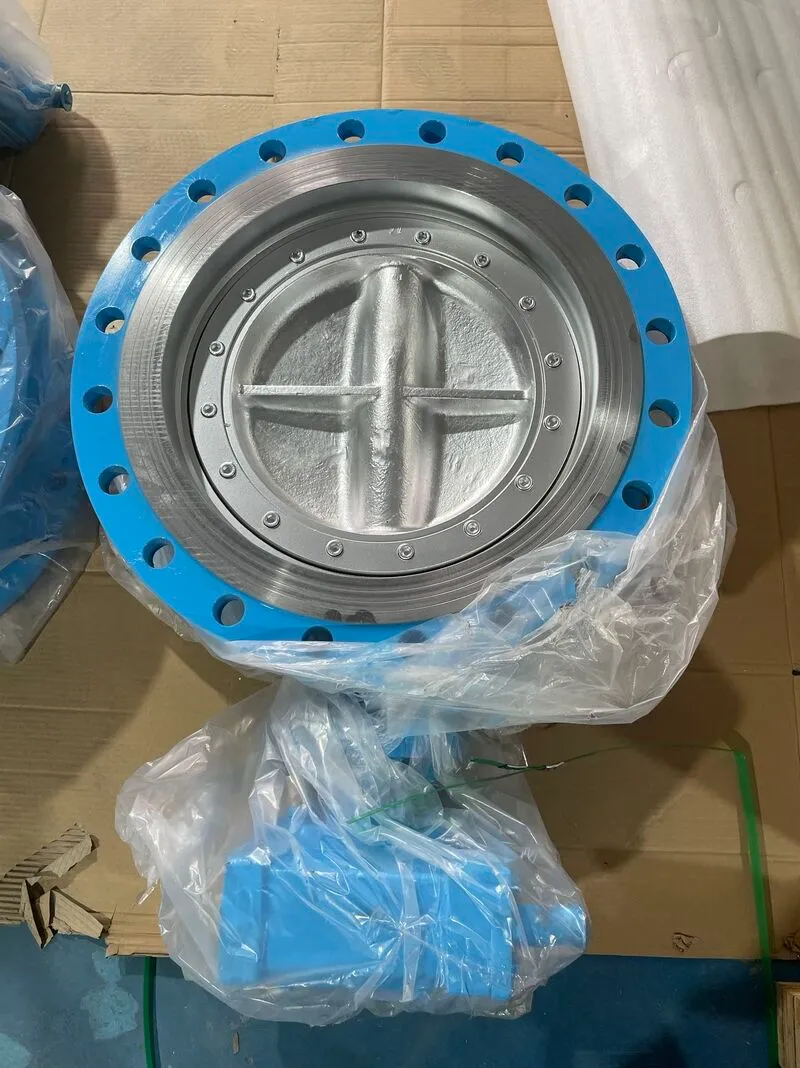
Electric actuated needle valves are precision flow control devices employed across diverse industrial applications, including chemical processing, oil & gas, pharmaceuticals, and analytical instrumentation. Functionally, they regulate flow via a precisely positioned needle-shaped closure element moving perpendicular to the flow path. The actuation is provided by an electric motor, offering remote control, automation capabilities, and precise flow modulation. Their technical position within the industry chain places them as a critical component within process control loops, often following pumps or pressure sources and preceding sensitive instrumentation. Core performance characteristics center around flow coefficient (Cv), shut-off class (Class VI is typical for demanding applications), response time, and process compatibility dictated by wetted materials. The increasing demand for automated, precise, and reliable flow control is driving adoption of electric actuated needle valves over traditional manual valves, particularly within safety-critical and data-driven processes.
Material Science & Manufacturing
The body construction of electric actuated needle valves typically employs 316/316L stainless steel for superior corrosion resistance in aggressive media, though alternatives like Alloy 20, Hastelloy, and Monel are utilized for highly corrosive environments. The needle and seat materials are equally critical, often utilizing PTFE, PEEK, or other fluoropolymers for low friction, tight shut-off, and chemical inertness. Actuator housings are generally aluminum alloy, providing a balance of weight and durability, often with epoxy coating for enhanced environmental protection. Manufacturing begins with precision machining of the valve body, typically using CNC milling and turning. The needle and seat are manufactured to extremely tight tolerances, requiring processes like lapping and polishing to ensure leak-tight performance. Electric actuators utilize a multi-stage gearbox driven by a DC or AC motor. Key parameters during assembly include accurate alignment of the needle and seat, precise torque application to the stem packing to prevent leakage, and thorough testing for both seat leakage and actuator functionality. Welding procedures, when employed (e.g., for end connections), must adhere to ASME Section IX or equivalent standards to guarantee structural integrity. Material certifications (e.g., 3.1 material certificates) are essential for traceability and quality assurance.
Performance & Engineering
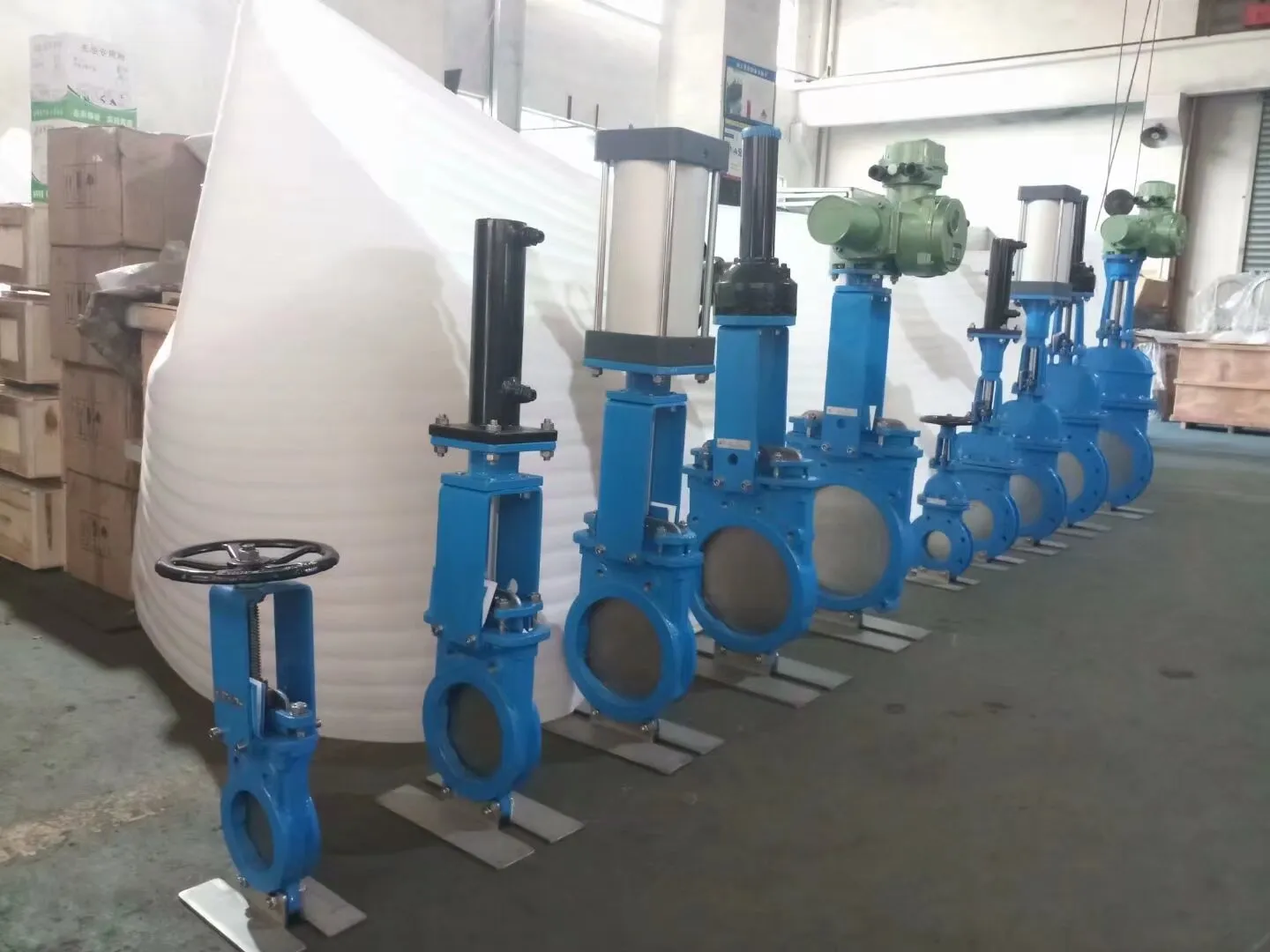
Performance evaluation of electric actuated needle valves centers around flow capacity, quantified by the flow coefficient (Cv), and shut-off tightness, classified according to standards like ANSI/FCI 70-2. Cv is determined empirically through flow testing, considering pressure drop across the valve. Engineers must consider fluid viscosity, density, and temperature when calculating expected flow rates. The actuator's torque rating is crucial; it must overcome both the fluid dynamic forces and frictional forces within the valve to achieve precise positioning. Environmental resistance is a significant engineering consideration. Valves operating in harsh environments (extreme temperatures, corrosive atmospheres) require specialized sealing materials, coatings, and enclosure ratings (e.g., NEMA 4X, IP67). Compliance requirements vary by industry and application. For pharmaceutical applications, adherence to ASME BPE is critical, ensuring sanitary design and surface finish. In hazardous locations, compliance with ATEX or IECEx standards is mandatory, necessitating intrinsically safe actuator designs. Force analysis includes calculating the stem loading, especially in high-pressure applications, to prevent stem deflection and ensure consistent performance. Actuator control schemes (e.g., 4-20mA, Modbus) must be integrated seamlessly with the overall process control system.
Technical Specifications
| Parameter | Unit | Typical Value | Specification Standard |
|---|---|---|---|
| Maximum Operating Pressure | psi | 500 | ASME B16.34 |
| Temperature Range | °F | -60 to 450 | ASTM E203 |
| Cv (Flow Coefficient) | gal/min/psi | 0.1 – 10 (varies by size) | FCI 70-2 |
| Shut-off Class | Class VI (Bubble Tight) | ANSI/FCI 70-2 | |
| Actuator Supply Voltage | V | 120/240 AC, 24 VDC | IEC 60038 |
| Actuator Response Time (0-90°) | seconds | 5-20 (depending on actuator size) | Manufacturer’s Data Sheet |
Failure Mode & Maintenance
Common failure modes in electric actuated needle valves include seat leakage due to particulate contamination or wear, actuator failure (motor burnout, gearbox damage), stem packing failure leading to external leakage, and corrosion of valve body or internal components. Fatigue cracking can occur in the stem, particularly under high-cycle operation and fluctuating pressures. Failure analysis often reveals root causes related to improper fluid filtration, exceeding pressure/temperature limits, or inadequate lubrication. Maintenance typically involves periodic inspection of the seat and packing, replacement of worn components, and lubrication of the actuator gearbox. Preventive maintenance schedules should be established based on application severity and operating conditions. For actuator failures, comprehensive testing of the motor, gearbox, and control circuitry is necessary. Regular calibration of the actuator is crucial to maintain accurate positioning. In corrosive environments, external coatings should be inspected and repaired to prevent corrosion-induced failures. Proper documentation of maintenance activities and component replacements is essential for tracking valve performance and identifying potential systemic issues.
Industry FAQ
Q: What are the key considerations when selecting a needle valve for a highly corrosive fluid service?
A: The primary consideration is material compatibility. Beyond 316/316L stainless steel, you must evaluate Alloy 20, Hastelloy, or Monel based on the specific corrosive agent. Seat materials (PTFE, PEEK) must also be chemically resistant. Verify that all wetted parts are constructed from compatible materials, and consider using a corrosion allowance in the valve body thickness.
Q: How does the actuator type (DC vs. AC) impact performance and application suitability?
A: DC actuators generally offer more precise control and are better suited for battery-powered applications or remote locations where AC power is unavailable. AC actuators are typically more robust and cost-effective for applications with readily available AC power. Consider the power consumption and required control resolution when making the selection.
Q: What is the significance of the shut-off class rating, and how does it relate to leak tightness?
A: The shut-off class rating, as defined by ANSI/FCI 70-2, quantifies the permissible leakage rate. Class VI, the most stringent, specifies a “bubble tight” shut-off, meaning no visible bubbles are permitted when pressurized with air or nitrogen. Higher classes indicate lower leakage rates and are crucial for applications requiring absolute shut-off.
Q: What are the best practices for ensuring long-term reliability of the actuator and valve assembly?
A: Implement a robust preventive maintenance program, including regular inspection of the seat, packing, and actuator. Ensure proper fluid filtration to prevent particulate contamination. Operate the valve within its specified pressure and temperature limits. Lubricate the actuator gearbox periodically. Protect the valve from harsh environmental conditions.
Q: How does fluid viscosity affect the flow characteristics and actuator torque requirements of a needle valve?
A: Higher fluid viscosity increases the resistance to flow, requiring greater actuator torque to achieve the desired flow rate or valve position. The Cv value can also be affected by viscosity. Engineers must account for viscosity effects during valve sizing and actuator selection, often using viscosity correction factors in their calculations.
Conclusion
Electric actuated needle valves represent a critical component in modern process control systems, offering precise flow regulation, automation capabilities, and adaptability to diverse industrial environments. Their performance hinges on careful material selection, precise manufacturing, and adherence to relevant industry standards. Understanding the potential failure modes and implementing a proactive maintenance strategy are crucial for maximizing valve lifespan and ensuring process reliability.
Future trends in electric actuated needle valve technology will likely focus on intelligent valve designs incorporating integrated sensors and diagnostics for predictive maintenance, as well as advancements in actuator control algorithms for improved precision and energy efficiency. The increasing demand for sustainable and environmentally responsible solutions will also drive the development of valves with reduced leakage and optimized energy consumption.
-
Top Reasons to Choose a Stainless Steel Flange Check Valve for Industrial Applications
-
12 inch check valve Performance Analysis
-
lift check valves Performance Engineering
-
check valve 12 inch Performance Analysis
-
stop check valve Performance Analysis
-
check stop valve Performance Analysis
-
stop check valves Performance Analysis
-
pilot operated check valve Performance Analysis
-
spring loaded check valve Material Science Manufacturing
-
pilot operated check valves Performance Analysis
-
check valve pilot operated Performance Analysis
-
1 4 in check valve Performance Engineering
-
check valve 3 4 Performance Analysis
-
11 2 check valve Performance Analysis
-
spring check valve Material Science Manufacturing
 Afrikaans
 Albanian
 Amharic
 Arabic
 Armenian
 Azerbaijani
 Basque
 Belarusian
 Bengali
 Bosnian
 Bulgarian
 Catalan
 Cebuano
 Corsican
 Croatian
 Czech
Czech
 Danish
 Dutch
Dutch
 Esperanto
 Estonian
 Finnish
 French
 Frisian
 Galician
 Georgian
 German
 Greek
Greek
 Gujarati
 Haitian Creole
 Hausa
Hawaiian
Hausa
Hawaiian
 Hebrew
 Hindi
Hindi
 Miao
Miao
 Hungarian
 Icelandic
 Igbo
Igbo
 Indonesian
 Irish
Irish
 Italian
 Japanese
 Javanese
Kannada
Javanese
Kannada
 Kazakh
 Khmer
Khmer
 Rwandese
 Korean
 Kurdish
 Kyrgyz
 Lao
Lao
 Latin
Latin
 Latvian
 Lithuanian
 Luxembourgish
 Macedonian
 Malgashi
 Malay
Malay
 Malayalam
 Maltese
 Maori
Maori
 Marathi
 Mongolian
 Myanmar
 Nepali
 Norwegian
 Norwegian
 Occitan
 Pashto
 Persian
 Polish
 Portuguese
Punjabi
Portuguese
Punjabi
 Romanian
 Russian
 Samoan
 Scottish Gaelic
 Serbian
 Sesotho
 Shona
Shona
 Sindhi
 Sinhala
 Slovak
 Slovenian
 Somali
 Spanish
 Sundanese
 Swahili
 Swedish
Tagalog
Swedish
Tagalog
 Tajik
Tajik
 Tamil
Tamil
 Tatar
Tatar
 Telugu
 Thai
Thai
 Turkish
 Turkmen
 Ukrainian
 Urdu
Urdu
 Uighur
 Uzbek
Uzbek
 Vietnamese
 Welsh
Welsh
 Bantu
Bantu
 Yiddish
 Yoruba
 Zulu
Zulu
 English