




grooved pipe fittings Performance Analysis
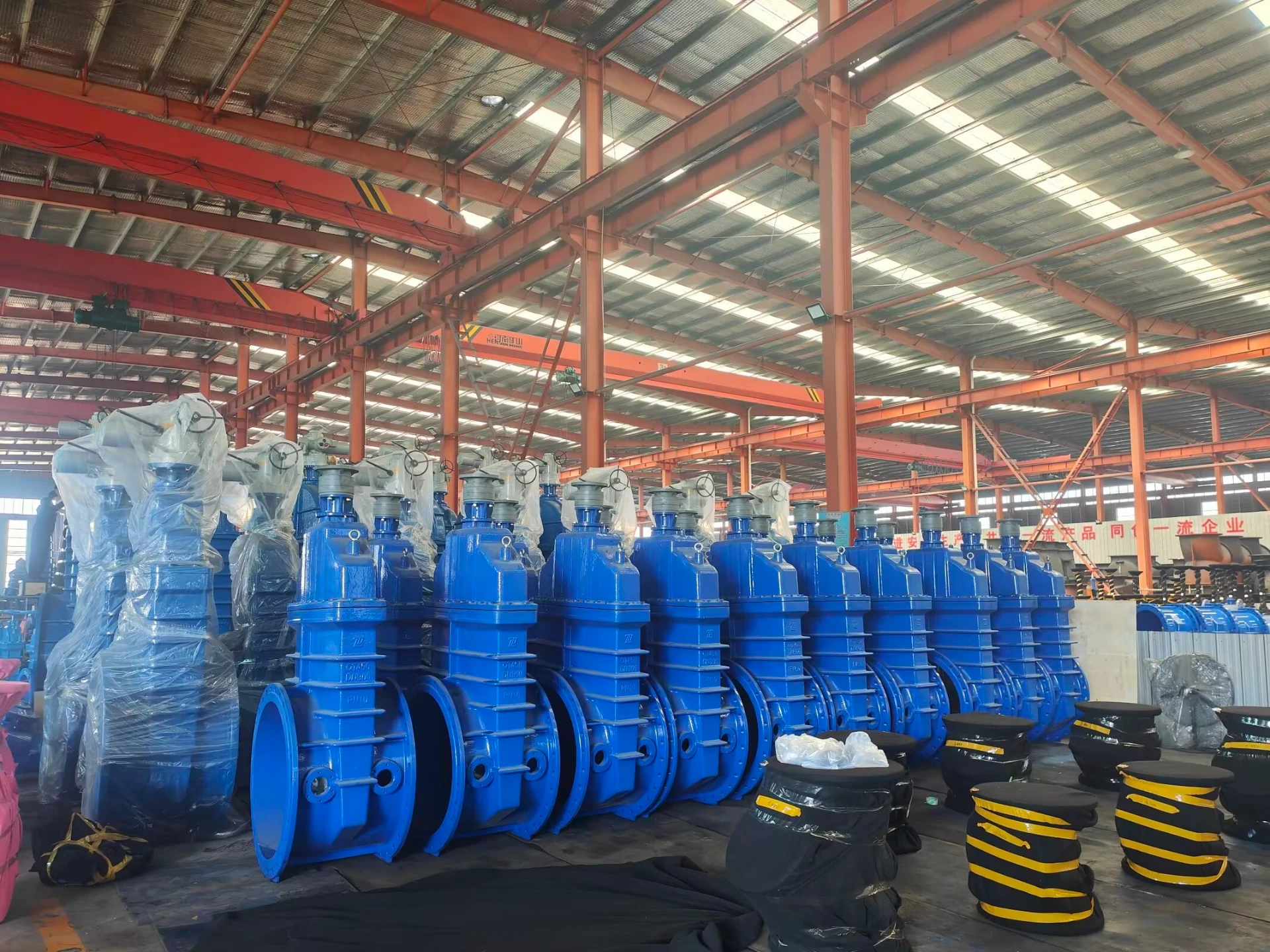
Introduction
Grooved pipe fittings represent a mechanical joining system employed extensively in industrial piping applications. Positioned as a critical component within fluid transfer networks, these fittings provide a rapid, reliable, and leak-proof alternative to traditional welding or threaded connections. They consist of a pipe end prepared with a groove, coupled with a housing, gasket, and bolts. The system’s primary function is to distribute stress evenly around the entire circumference of the pipe, enhancing structural integrity and minimizing the risk of localized failure. Core performance characteristics include pressure containment, resistance to vibration, and ease of assembly/disassembly for maintenance and modification. The escalating demand for prefabricated piping systems in construction, oil & gas, and process industries drives the continued adoption of grooved end technologies. A key industry pain point centers on ensuring long-term joint integrity, particularly in corrosive environments and applications involving cyclical loading.
Material Science & Manufacturing
Grooved pipe fittings utilize a diverse range of materials depending on application requirements. Carbon steel (ASTM A53 Grade B, A106 Grade B) is the most prevalent material for standard applications, offering a balance of strength and cost-effectiveness. Stainless steels (304/304L, 316/316L – ASTM A312) are essential in corrosive environments, providing superior resistance to chemical attack. Alloy steels (e.g., chrome-moly steels – ASTM A335) are employed for high-temperature and high-pressure applications. The groove itself is typically machined using CNC lathes or milling equipment to ensure dimensional accuracy and surface finish. Manufacturing housings involves processes such as casting, forging, or ductile iron production. Gaskets, critical for sealing, are commonly composed of elastomers like EPDM (ethylene propylene diene monomer rubber), nitrile (NBR), or Viton (fluoroelastomer), chosen based on fluid compatibility and temperature range. The bolting materials are generally high-strength carbon steel (Grade 5 or Grade 8) or stainless steel. Precise control of heat treatment processes, particularly for steel components, is crucial to achieve desired mechanical properties – yield strength, tensile strength, and elongation – and prevent stress corrosion cracking. Proper surface preparation, including blast cleaning and coating application (e.g., epoxy, polyurethane), enhances corrosion resistance.

Performance & Engineering
The performance of grooved pipe fittings is fundamentally governed by principles of stress distribution and sealing mechanics. Finite Element Analysis (FEA) is routinely employed to optimize housing geometry and bolt patterns to minimize stress concentration under internal pressure and external loads (e.g., bending moments, axial forces). Gasket performance is characterized by its compression set, creep resistance, and ability to maintain sealing integrity under temperature and pressure fluctuations. The system's resistance to vibration is enhanced by the mechanical interlock provided by the groove and housing. Compliance requirements vary by industry and region, often necessitating adherence to standards such as ASME B31.1 (Power Piping), ASME B31.3 (Process Piping), and FM 1950 (Approval Standard for Automatic Sprinkler Systems). Engineering considerations include thermal expansion/contraction of the piping system, requiring the use of expansion joints or flexible couplings to prevent overstressing the fittings. Furthermore, proper bolt torque is paramount; under-torque leads to leakage, while over-torque can damage the gasket or housing. Accurate load calculations and the selection of appropriate gasket materials are crucial for maintaining a reliable seal under specified operating conditions.
Technical Specifications
| Parameter | Carbon Steel (A53 Grade B) | Stainless Steel (304/304L) | Ductile Iron (65-45-12) | EPDM Gasket |
|---|---|---|---|---|
| Pressure Rating (PSI) | Up to 300 | Up to 400 | Up to 300 | 200 (dependent on temperature) |
| Temperature Range (°F) | -30 to 350 | -325 to 650 | -20 to 450 | -50 to 250 |
| Tensile Strength (PSI) | 70,000 | 75,000 | 60,000 | N/A (Elastomer) |
| Yield Strength (PSI) | 36,000 | 30,000 | 35,000 | N/A (Elastomer) |
| Elongation (%) | 22 | 30 | 15 | N/A (Elastomer) |
| Corrosion Resistance | Moderate (requires coating) | Excellent | Good (with protective coating) | Excellent (to many chemicals) |
Failure Mode & Maintenance
Grooved pipe fitting failures typically manifest in several forms. Gasket failure, often due to compression set, chemical degradation, or improper installation, is a common cause of leakage. Corrosion, particularly in carbon steel systems, leads to pitting, crevice corrosion, and eventual through-wall penetration. Fatigue cracking can occur in highly cyclically loaded applications, initiated at stress concentrators such as bolt holes or groove corners. Bolts can loosen over time due to vibration or thermal cycling, reducing clamping force and leading to leakage. Housing deformation, resulting from excessive loads or improper support, can compromise the seal. Maintenance protocols should include regular visual inspections for corrosion, leakage, and bolt tightness. Periodic torque checks of bolts are essential. Gaskets should be replaced proactively based on manufacturer recommendations and service conditions. Corrosion protection measures, such as applying protective coatings or using sacrificial anodes, are critical for extending service life. In cases of severe corrosion or cracking, complete fitting replacement is necessary. Non-destructive testing (NDT) methods, such as ultrasonic testing or radiographic examination, can be employed to detect hidden flaws.
Industry FAQ
Q: What is the primary advantage of grooved fittings over welded connections in a large-scale industrial project?
A: The primary advantage lies in reduced installation time and cost. Welding requires skilled labor, extensive preparation (cleaning, purging), and inspection. Grooved fittings can be assembled and disassembled quickly with basic hand tools, minimizing downtime and labor expenses. Furthermore, they eliminate the heat-affected zone associated with welding, reducing the risk of material property degradation.
Q: How does gasket selection impact the long-term performance of a grooved joint in a chemical processing plant?
A: Gasket selection is paramount. Improper material compatibility can lead to swelling, degradation, or loss of sealing properties. The gasket must withstand the specific chemicals, temperature range, and pressure of the process fluid. Factors like permeation resistance and compression set are also crucial for preventing leakage over extended periods.
Q: What are the critical considerations for bolt torque when assembling grooved fittings?
A: Precise bolt torque is essential. Under-torque results in insufficient clamping force and leakage. Over-torque can damage the gasket or distort the housing, also leading to failure. Following the manufacturer’s specified torque values and using a calibrated torque wrench are vital. A star pattern should be employed to ensure even distribution of clamping force.
Q: Can grooved fittings be used in seismic zones? If so, what modifications are necessary?
A: Yes, grooved fittings can be used in seismic zones, but require specific considerations. Seismic restraint systems, such as shear restraints or bracing, must be incorporated to prevent movement and potential failure during an earthquake. The system design must account for anticipated seismic forces and displacements.
Q: What are the common causes of corrosion in grooved pipe fittings, and how can they be mitigated?
A: Common causes include exposure to corrosive fluids, atmospheric corrosion, and galvanic corrosion (when dissimilar metals are in contact). Mitigation strategies include selecting corrosion-resistant materials (stainless steel, alloys), applying protective coatings (epoxy, polyurethane), using sacrificial anodes, and implementing cathodic protection systems.
Conclusion
Grooved pipe fittings offer a robust and efficient solution for joining piping systems across a wide spectrum of industrial applications. Their mechanical joining method provides advantages in terms of installation speed, maintainability, and reduced risk compared to traditional welding techniques. However, achieving optimal performance necessitates careful consideration of material selection, gasket compatibility, bolt torque, and environmental factors.
Ongoing advancements in fitting design, gasket technology, and corrosion protection coatings are continually enhancing the reliability and longevity of these systems. Adherence to relevant industry standards (ASME, EN, ISO) and diligent maintenance practices are essential for ensuring safe and efficient operation. The increasing emphasis on prefabricated piping modules further solidifies the role of grooved end technologies in modern industrial construction.
-
Top Reasons to Choose a Stainless Steel Flange Check Valve for Industrial Applications
-
electric check valve Performance Engineering
-
electric check valves Performance Analysis
-
Threaded Check Valves Performance Analysis
-
6 inch check valve Performance Analysis
-
8 check valve Performance Analysis
-
diaphragm check valve Material Science Manufacturing
-
dual plate check valve Performance Analysis
-
check valve 6 inch Material Science
-
diaphragm check valves Performance Analysis
-
dual plate check valves Performance Analysis
-
vertical check valves Material Science Manufacturing
-
8 check valves Performance Analysis
-
refrigeration check valves Performance Analysis
-
pilot check valve Performance Analysis
 Afrikaans
 Albanian
 Amharic
 Arabic
 Armenian
 Azerbaijani
 Basque
 Belarusian
 Bengali
 Bosnian
 Bulgarian
 Catalan
 Cebuano
 Corsican
 Croatian
 Czech
Czech
 Danish
 Dutch
Dutch
 Esperanto
 Estonian
 Finnish
 French
 Frisian
 Galician
 Georgian
 German
 Greek
Greek
 Gujarati
 Haitian Creole
 Hausa
Hawaiian
Hausa
Hawaiian
 Hebrew
 Hindi
Hindi
 Miao
Miao
 Hungarian
 Icelandic
 Igbo
Igbo
 Indonesian
 Irish
Irish
 Italian
 Japanese
 Javanese
Kannada
Javanese
Kannada
 Kazakh
 Khmer
Khmer
 Rwandese
 Korean
 Kurdish
 Kyrgyz
 Lao
Lao
 Latin
Latin
 Latvian
 Lithuanian
 Luxembourgish
 Macedonian
 Malgashi
 Malay
Malay
 Malayalam
 Maltese
 Maori
Maori
 Marathi
 Mongolian
 Myanmar
 Nepali
 Norwegian
 Norwegian
 Occitan
 Pashto
 Persian
 Polish
 Portuguese
Punjabi
Portuguese
Punjabi
 Romanian
 Russian
 Samoan
 Scottish Gaelic
 Serbian
 Sesotho
 Shona
Shona
 Sindhi
 Sinhala
 Slovak
 Slovenian
 Somali
 Spanish
 Sundanese
 Swahili
 Swedish
Tagalog
Swedish
Tagalog
 Tajik
Tajik
 Tamil
Tamil
 Tatar
Tatar
 Telugu
 Thai
Thai
 Turkish
 Turkmen
 Ukrainian
 Urdu
Urdu
 Uighur
 Uzbek
Uzbek
 Vietnamese
 Welsh
Welsh
 Bantu
Bantu
 Yiddish
 Yoruba
 Zulu
Zulu
 English