




high flow needle valve Performance Analysis
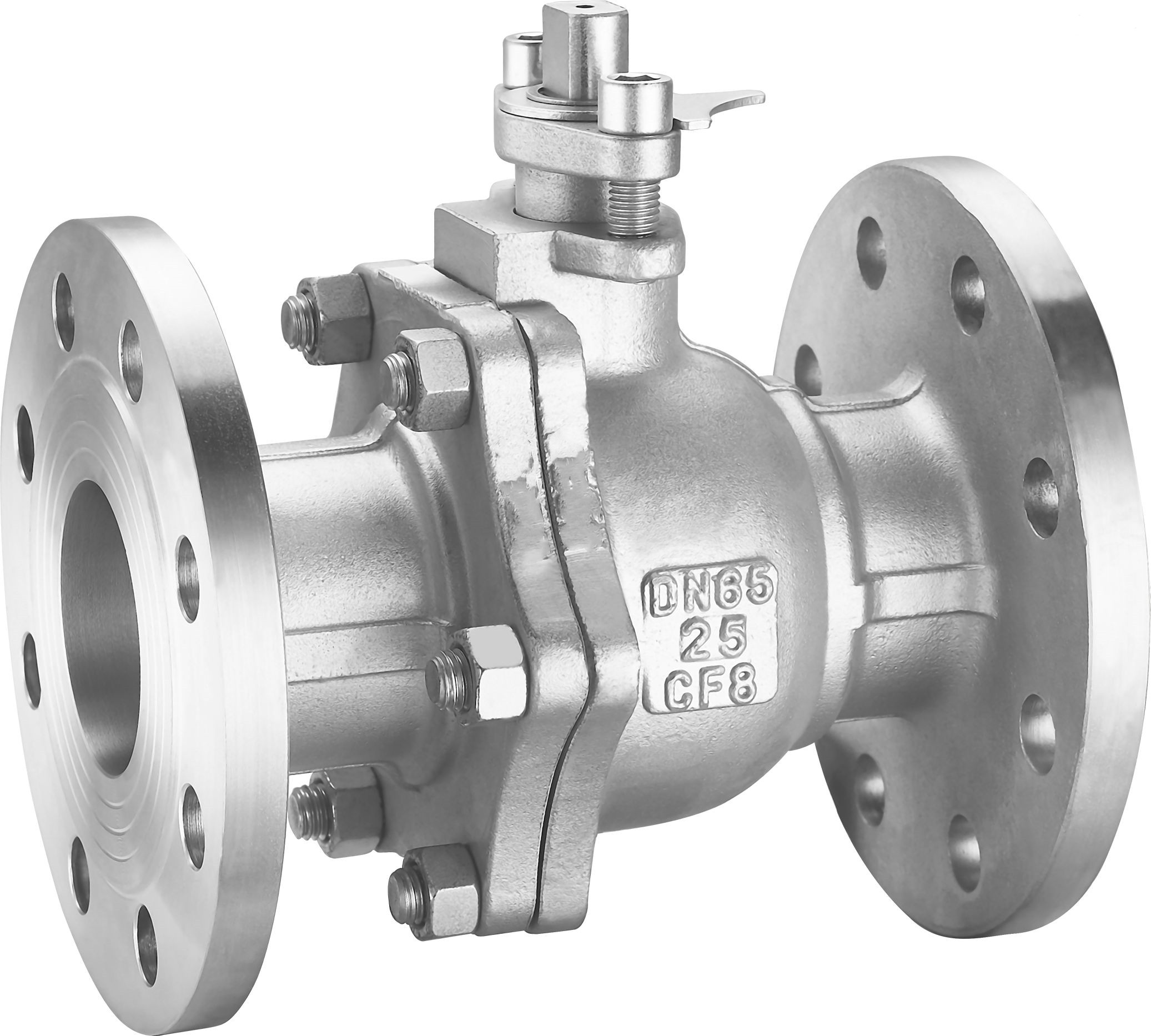
Introduction
High flow needle valves are precision fluid control devices designed to accurately regulate flow rates in high-pressure and high-temperature applications. Positioned within the broader valve industry as a specialized subcategory, they differ from traditional valves like gate, globe, or ball valves by offering finer control and reduced leakage. These valves are commonly employed in applications where precise metering or throttling is essential, such as chemical injection systems, pilot plants, high-pressure testing rigs, and critical analytical instrumentation. Core performance characteristics include Cv (flow coefficient), pressure drop, sealing capability, and material compatibility, all of which contribute to the valve’s ability to deliver consistent and reliable flow control. The demand for high flow needle valves is driven by increasing process automation and the need for enhanced efficiency and safety in industrial operations. The primary challenge lies in balancing high flow capacity with precise control, requiring careful attention to internal geometry and sealing mechanisms.
Material Science & Manufacturing
The construction of high flow needle valves necessitates materials capable of withstanding significant pressure, temperature fluctuations, and chemical attack. Common body materials include 316/316L stainless steel for corrosion resistance, Alloy 20 for more aggressive media, and Hastelloy C-276 for extreme environments. The valve seat, critical for sealing, is often manufactured from materials like PTFE (Teflon), PEEK (Polyether ether ketone), or metal-to-metal configurations using alloys like Stellite. The needle itself is typically crafted from hardened stainless steel or other wear-resistant alloys. Manufacturing processes vary depending on the valve size and complexity. Body fabrication commonly involves precision machining from bar stock, followed by internal threading and porting. The needle is manufactured through turning and grinding, ensuring a smooth, conical surface for optimal sealing. Critical parameters during manufacturing include surface finish on the needle and seat (Ra values <0.4µm are common for leak-tight performance), dimensional accuracy of the flow path, and proper heat treatment to maintain material properties. Welding, if employed, requires strict adherence to ASME Section IX standards to ensure weld integrity. Quality control procedures include hydrostatic testing, pneumatic leakage testing, and non-destructive examination (NDE) such as liquid penetrant inspection (LPI) and radiographic testing (RT).
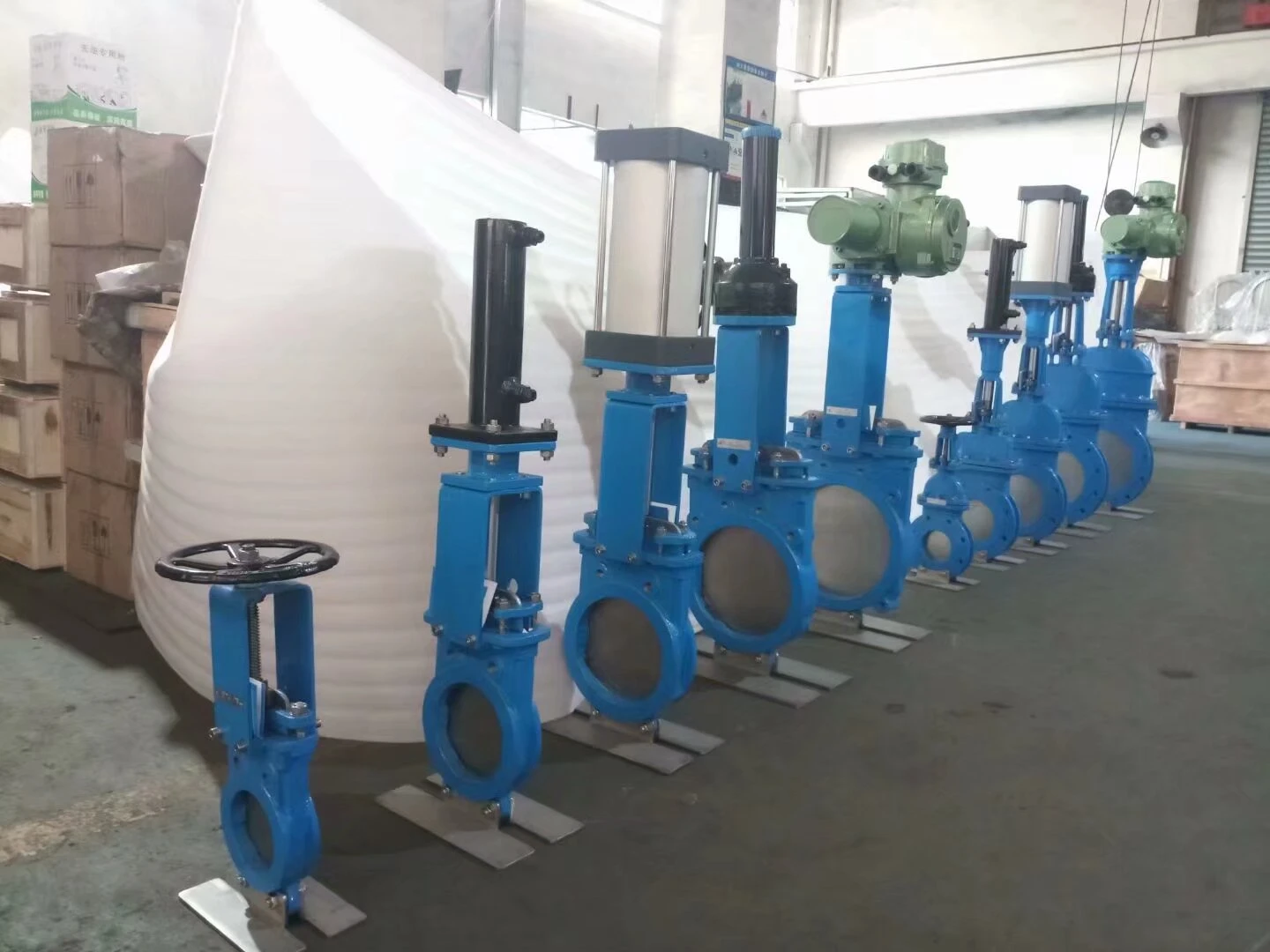
Performance & Engineering
Performance of high flow needle valves is heavily dependent on fluid dynamics and mechanical design. Force analysis focuses on the stem thrust required to overcome fluid pressure and maintain a tight seal. This thrust is calculated considering the valve’s internal pressure, flow rate, and stem diameter. Environmental resistance is paramount, with materials selected based on the specific operating conditions. Temperature extremes can impact material strength and sealing performance; therefore, temperature derating curves are often provided by manufacturers. Compliance with industry standards, such as NACE MR0175/ISO 15156 for sour gas applications and ATEX/IECEx directives for hazardous areas, is crucial. Functional implementation involves careful consideration of the valve’s actuation method – manual, pneumatic, or electric. Pneumatic actuation offers remote control and precise positioning, while electric actuation provides higher torque and automated operation. The Cv value, a key performance indicator, must be accurately determined through flow testing, often using water or air as the test medium. The valve’s pressure drop characteristics must be understood to optimize system performance and prevent cavitation or erosion.
Technical Specifications
| Parameter | Unit | Typical Value (Standard Alloy Valve) | Typical Value (High-Temperature Alloy Valve) |
|---|---|---|---|
| Maximum Pressure | psi | 10,000 | 5,000 |
| Temperature Range | °F | -20 to 450 | -20 to 800 |
| Cv (Water) | gal/min | 2.5 | 1.8 |
| Leakage Rate (Bubble Tight) | SCCM (air) | < 0.1 | < 0.2 |
| Connection Type | - | NPT, BSPT, Socket Weld, Butt Weld | Butt Weld, Flange |
| Body Material | - | 316 Stainless Steel | Hastelloy C-276 |
Failure Mode & Maintenance
High flow needle valves are susceptible to several failure modes. Fatigue cracking can occur in the stem due to repeated actuation and high pressure cycles. Delamination of the valve seat can result from improper installation or exposure to abrasive particles. Degradation of the sealing material (PTFE, PEEK) can occur due to chemical attack or temperature extremes, leading to leakage. Erosion of the needle and seat can occur with high velocity flow containing solids. Oxidation of metallic components can lead to corrosion and reduced performance. Proper maintenance is critical to prevent these failures. Regular inspection of the valve seat for wear or damage is essential. Periodic lubrication of the stem threads reduces friction and prevents galling. Back-flushing the valve removes debris and prevents clogging. Replacement of the valve seat and packing should be performed proactively based on operating conditions and recommended maintenance schedules. In the event of a leak, a thorough investigation is required to identify the root cause and implement corrective actions. Detailed records of maintenance activities should be maintained for tracking and analysis.
Industry FAQ
Q: What is the primary difference between a high flow needle valve and a standard needle valve?
A: The primary difference lies in the internal flow path design. High flow needle valves utilize a larger port diameter and a streamlined flow path to minimize pressure drop and maximize flow capacity. Standard needle valves prioritize precise control over high flow rates, often employing a smaller flow path.
Q: How does material selection impact the longevity of the valve in corrosive environments?
A: Material selection is critical. Using materials like 316L stainless steel, Hastelloy, or Alloy 20 provides excellent resistance to a wide range of corrosive media. However, the specific compatibility must be verified through chemical resistance charts and testing. Incompatible materials will lead to rapid corrosion and valve failure.
Q: What are the key considerations when specifying a needle valve for high-temperature applications?
A: High-temperature applications require careful consideration of material strength, thermal expansion, and sealing material compatibility. Valve body materials must maintain sufficient strength at elevated temperatures. Sealing materials like PTFE may degrade at higher temperatures and should be replaced with more suitable options like PEEK or metal-to-metal seals. Thermal expansion differences between components can cause stress and leakage.
Q: What is the significance of the Cv value, and how is it used in valve selection?
A: The Cv value (flow coefficient) represents the valve’s capacity to pass a specific flow rate at a given pressure drop. It’s a crucial parameter for determining if the valve can meet the required flow demands of the application. Engineers use the Cv value, along with system pressure and desired flow rate, to select the appropriate valve size.
Q: What preventative maintenance practices are recommended to ensure reliable operation?
A: Recommended practices include regular inspection of the valve seat for wear, periodic lubrication of the stem, back-flushing to remove debris, and replacement of seals and packing according to the manufacturer’s recommendations. Keeping detailed maintenance logs is crucial for tracking performance and identifying potential issues.
Conclusion
High flow needle valves represent a critical component in numerous industrial processes demanding precise fluid control and high throughput. Successful implementation hinges on a thorough understanding of material science, manufacturing techniques, and performance characteristics. Careful attention to detail during valve selection, installation, and maintenance is paramount to ensure reliable operation and prevent premature failure.
Future advancements in high flow needle valve technology are likely to focus on the development of new materials with enhanced corrosion resistance and temperature capabilities, as well as the integration of smart sensors for real-time monitoring and predictive maintenance. The trend towards process intensification and automation will continue to drive demand for these specialized valves, necessitating ongoing innovation in design and manufacturing.
-
Top Reasons to Choose a Stainless Steel Flange Check Valve for Industrial Applications
-
12 inch check valve Performance Analysis
-
lift check valves Performance Engineering
-
check valve 12 inch Performance Analysis
-
stop check valve Performance Analysis
-
check stop valve Performance Analysis
-
stop check valves Performance Analysis
-
pilot operated check valve Performance Analysis
-
spring loaded check valve Material Science Manufacturing
-
pilot operated check valves Performance Analysis
-
check valve pilot operated Performance Analysis
-
1 4 in check valve Performance Engineering
-
check valve 3 4 Performance Analysis
-
11 2 check valve Performance Analysis
-
spring check valve Material Science Manufacturing
 Afrikaans
 Albanian
 Amharic
 Arabic
 Armenian
 Azerbaijani
 Basque
 Belarusian
 Bengali
 Bosnian
 Bulgarian
 Catalan
 Cebuano
 Corsican
 Croatian
 Czech
Czech
 Danish
 Dutch
Dutch
 Esperanto
 Estonian
 Finnish
 French
 Frisian
 Galician
 Georgian
 German
 Greek
Greek
 Gujarati
 Haitian Creole
 Hausa
Hawaiian
Hausa
Hawaiian
 Hebrew
 Hindi
Hindi
 Miao
Miao
 Hungarian
 Icelandic
 Igbo
Igbo
 Indonesian
 Irish
Irish
 Italian
 Japanese
 Javanese
Kannada
Javanese
Kannada
 Kazakh
 Khmer
Khmer
 Rwandese
 Korean
 Kurdish
 Kyrgyz
 Lao
Lao
 Latin
Latin
 Latvian
 Lithuanian
 Luxembourgish
 Macedonian
 Malgashi
 Malay
Malay
 Malayalam
 Maltese
 Maori
Maori
 Marathi
 Mongolian
 Myanmar
 Nepali
 Norwegian
 Norwegian
 Occitan
 Pashto
 Persian
 Polish
 Portuguese
Punjabi
Portuguese
Punjabi
 Romanian
 Russian
 Samoan
 Scottish Gaelic
 Serbian
 Sesotho
 Shona
Shona
 Sindhi
 Sinhala
 Slovak
 Slovenian
 Somali
 Spanish
 Sundanese
 Swahili
 Swedish
Tagalog
Swedish
Tagalog
 Tajik
Tajik
 Tamil
Tamil
 Tatar
Tatar
 Telugu
 Thai
Thai
 Turkish
 Turkmen
 Ukrainian
 Urdu
Urdu
 Uighur
 Uzbek
Uzbek
 Vietnamese
 Welsh
Welsh
 Bantu
Bantu
 Yiddish
 Yoruba
 Zulu
Zulu
 English