




Pipe Adaptor Fittings Performance Analysis
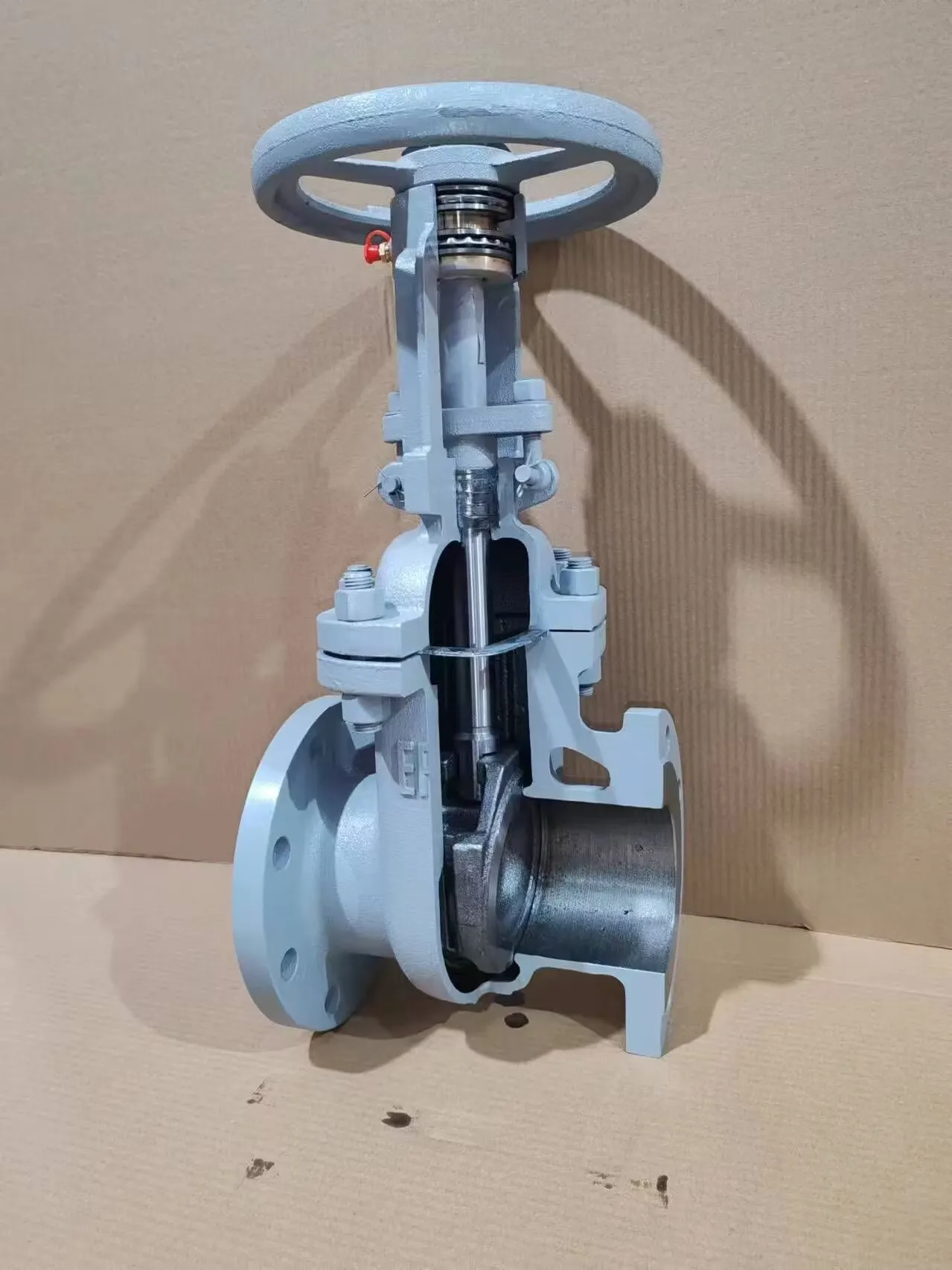
Introduction
Pipe adaptor fittings are essential components in fluid conveyance systems, facilitating the connection between pipes of differing materials, sizes, or configurations. Positioned critically within the broader infrastructure of process industries – including oil and gas, chemical processing, water treatment, and HVAC – these fittings enable the creation of complex piping networks. Their core performance characteristics revolve around maintaining leak-tight seals under specified pressure and temperature conditions, ensuring system integrity, and minimizing flow restriction. The selection of an appropriate adaptor fitting is paramount, demanding careful consideration of fluid compatibility, operating environment, and applicable regulatory standards. A failure in a pipe adaptor fitting can result in costly downtime, environmental hazards, and safety risks, highlighting the need for robust design, material selection, and quality control.
Material Science & Manufacturing
The material selection for pipe adaptor fittings is dictated by the service conditions and the materials of the pipes being joined. Common materials include carbon steel (ASTM A53 Grade B, A106 Grade B), stainless steel (304/304L, 316/316L – meeting ASTM A312), ductile iron (ASTM A509), and various polymers (PVC, CPVC, PP, PVDF). Carbon steel offers high strength and cost-effectiveness, but requires corrosion protection. Stainless steels provide superior corrosion resistance, particularly in aggressive chemical environments. Ductile iron offers good strength and ductility, making it suitable for pressure applications. Polymers are favored for their chemical inertness and lightweight characteristics but have lower pressure and temperature limits.
Manufacturing processes vary depending on the material and fitting type. Forging is commonly used for high-pressure fittings, offering superior strength and grain structure. Casting is employed for complex geometries and larger fittings. Machining is crucial for achieving precise dimensions and smooth sealing surfaces. For polymeric fittings, injection molding is the dominant process, requiring meticulous control of mold temperature, injection pressure, and cooling rates to prevent warpage and ensure dimensional accuracy. Welding (SMAW, GTAW, GMAW) is frequently utilized to fabricate fittings or attach components. Post-weld heat treatment (PWHT) is often required for carbon and low-alloy steel fittings to relieve residual stresses and improve mechanical properties. Non-destructive testing (NDT), including radiographic inspection, ultrasonic testing, and liquid penetrant examination, is essential to verify weld quality and detect defects. Surface treatments such as galvanizing, epoxy coating, or PTFE lining are applied to enhance corrosion resistance and improve flow characteristics. The manufacturing process must adhere to strict quality control procedures to ensure dimensional accuracy, material traceability, and compliance with relevant standards.
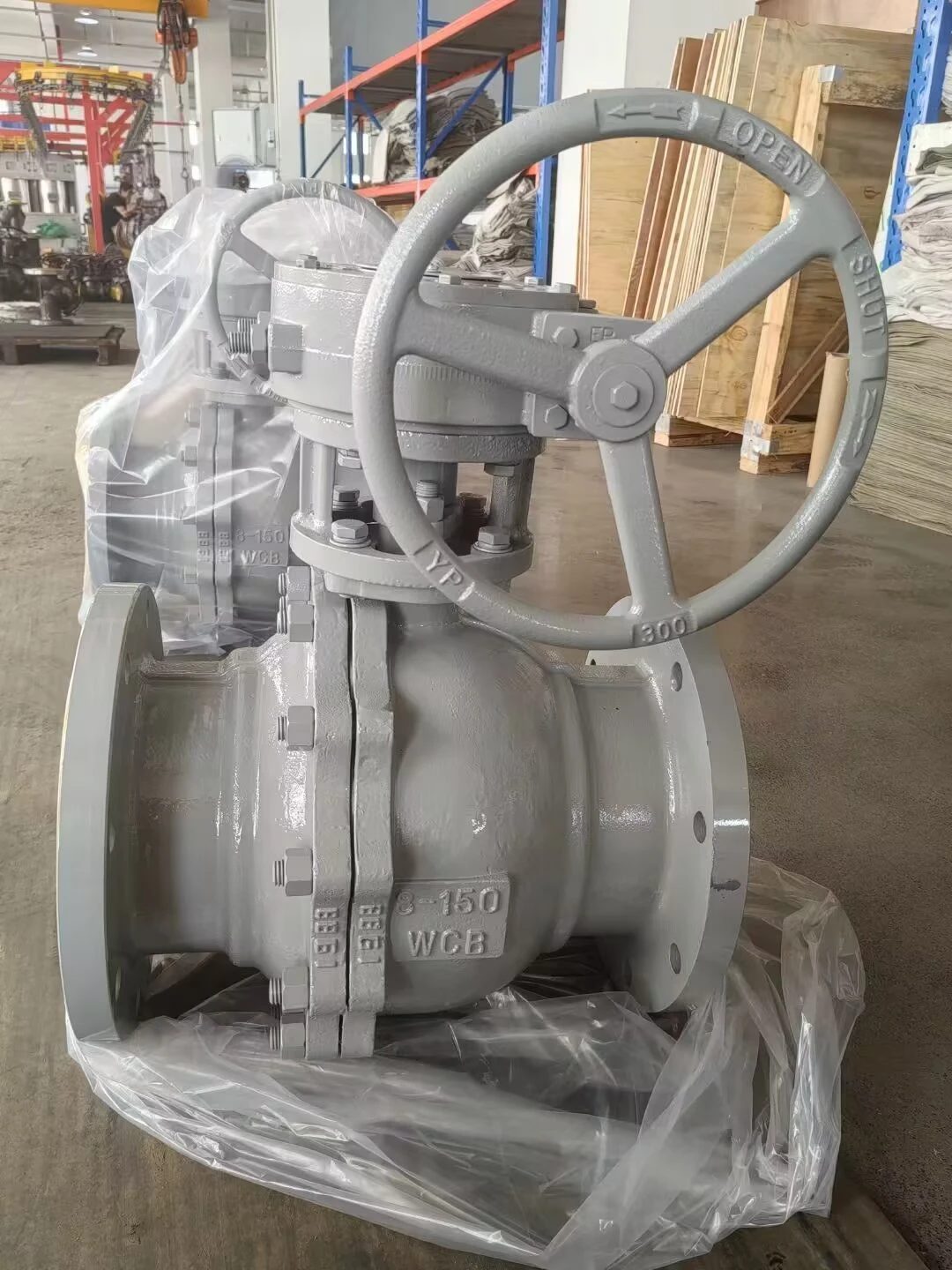
Performance & Engineering
The performance of pipe adaptor fittings is governed by several engineering principles. Pressure rating, determined by ASME B31.3 (Process Piping) or equivalent standards, dictates the maximum allowable operating pressure. This rating is based on burst testing and considers material strength, wall thickness, and fitting geometry. Stress analysis, using Finite Element Analysis (FEA), is employed to predict stress concentrations under load and optimize fitting design. Seal integrity is crucial, relying on the compatibility of the gasket material (e.g., EPDM, Viton, PTFE) with the conveyed fluid and the precision of the sealing surface. Flow characteristics are influenced by the fitting’s internal geometry and the degree of flow disruption. Minimizing turbulence and pressure drop is essential for energy efficiency. Environmental resistance encompasses factors such as corrosion, erosion, and UV degradation. Selecting materials and coatings appropriate for the operating environment is critical to ensure long-term reliability.
Thermal expansion and contraction must be accounted for in piping system design. Adaptor fittings can introduce stress points if not properly supported and aligned. Compatibility between dissimilar metals must be considered to prevent galvanic corrosion. Vibration analysis is important in applications where dynamic loads are present. Cyclic fatigue can lead to crack initiation and propagation, particularly in welded joints. Regular inspection and maintenance are essential to detect and address potential issues before they escalate into failures. The design and selection of pipe adaptor fittings must comply with relevant industry codes and standards, ensuring safety and operational integrity.
Technical Specifications
| Parameter | Carbon Steel (A53 Gr. B) | Stainless Steel (304/304L) | Ductile Iron (A509) | PVC (Schedule 80) |
|---|---|---|---|---|
| Maximum Operating Pressure (PSI) | 7200 | 6000 | 6500 | 400 |
| Temperature Range (°F) | -30 to 350 | -325 to 600 | -20 to 350 | -40 to 140 |
| Tensile Strength (PSI) | 70,000 | 75,000 | 60,000 | 6,500 |
| Yield Strength (PSI) | 36,000 | 30,000 | 35,000 | 5,800 |
| Corrosion Resistance | Low (Requires Coating) | Excellent | Moderate (Requires Coating) | Excellent (to many chemicals) |
| Weight (per inch, approx.) | 0.25 lbs | 0.35 lbs | 0.40 lbs | 0.08 lbs |
Failure Mode & Maintenance
Pipe adaptor fitting failures are commonly attributed to several modes. Corrosion, particularly in carbon steel fittings exposed to moisture and corrosive fluids, leads to wall thinning and eventual leakage. Erosion, caused by abrasive particles in the fluid stream, can wear away material from the inner surfaces. Fatigue cracking, resulting from cyclic loading, initiates at stress concentrations, such as weld toes or threaded areas. Gasket failure, due to material degradation, improper installation, or exceeding temperature/pressure limits, causes leakage. Over-tightening can distort the fitting and damage the sealing surfaces. Improper material selection, leading to galvanic corrosion or chemical attack, accelerates degradation. Thread damage, caused by cross-threading or excessive force, compromises the joint integrity.
Preventative maintenance is critical. Regular visual inspections should identify signs of corrosion, erosion, or leakage. Torque wrenches should be used during installation to ensure proper tightening. Gaskets should be inspected for damage and replaced as needed. Protective coatings should be maintained to prevent corrosion. Non-destructive testing (NDT) can detect internal flaws before they lead to failure. Lubrication of threaded connections prevents galling and facilitates disassembly. Proper support and alignment of the piping system minimize stress on the fittings. Records of inspections and maintenance should be maintained to track performance and identify recurring issues. In case of a failure, a thorough root cause analysis should be conducted to prevent similar incidents.
Industry FAQ
Q: What is the primary difference between a threaded and a welded pipe adaptor fitting, and when should each be used?
A: Threaded fittings are joined by screwing them together, offering ease of installation and disassembly, but are generally limited to lower pressure and temperature applications. They are ideal for maintenance access and temporary connections. Welded fittings, on the other hand, create a permanent, leak-tight seal and are capable of withstanding higher pressures and temperatures. Welding requires specialized skills and equipment but provides superior structural integrity for critical applications. The choice depends on the operational requirements, safety considerations, and cost-benefit analysis.
Q: How does the material selection impact the long-term reliability of a pipe adaptor fitting in a corrosive environment?
A: Material selection is paramount. Carbon steel is susceptible to corrosion in many environments and requires protective coatings. Stainless steels (particularly 316/316L) offer significantly improved corrosion resistance due to their chromium content. Polymers like PVC and CPVC are highly resistant to a wide range of chemicals. The specific corrosive agent (e.g., acid, base, salt) dictates the optimal material. Proper material selection minimizes degradation and extends the service life of the fitting.
Q: What are the key considerations when selecting a gasket material for a pipe adaptor fitting?
A: The gasket material must be chemically compatible with the conveyed fluid, resistant to the operating temperature and pressure, and possess adequate sealing properties. Common materials include EPDM (for water and general service), Viton (for oils and fuels), and PTFE (for highly corrosive fluids). The gasket’s durometer (hardness) also influences its sealing performance. Proper gasket installation, including correct torque and surface finish, is crucial for achieving a leak-tight seal.
Q: What non-destructive testing (NDT) methods are commonly used to inspect pipe adaptor fittings?
A: Radiographic inspection (RT) detects internal flaws such as porosity and cracks. Ultrasonic testing (UT) identifies subsurface defects and measures wall thickness. Liquid penetrant examination (LPE) reveals surface cracks and discontinuities. Magnetic particle inspection (MPI) is used to detect surface and near-surface flaws in ferromagnetic materials. Visual inspection (VT) is a basic but essential method for identifying surface defects. The selection of the appropriate NDT method depends on the material, fitting geometry, and potential failure modes.
Q: What are the common causes of thread leaks in threaded pipe adaptor fittings, and how can they be prevented?
A: Thread leaks can result from improper tightening (over or under), damaged threads, incompatible thread types, or the absence of a suitable thread sealant. Prevention involves using a calibrated torque wrench to achieve the correct tightening torque, carefully inspecting threads for damage, ensuring compatibility between thread standards (e.g., NPT, BSP), and applying an appropriate thread sealant (e.g., Teflon tape, pipe dope). Avoid cross-threading during installation and use proper lubrication to reduce friction.
Conclusion
Pipe adaptor fittings are critical components in fluid handling systems, demanding careful consideration of material selection, manufacturing processes, and performance characteristics. Their proper function is essential for maintaining system integrity, ensuring safety, and minimizing downtime. Understanding the potential failure modes and implementing preventative maintenance strategies are vital for maximizing the service life and reliability of these fittings. The selection process should always prioritize compliance with relevant industry standards and regulations.
Looking ahead, advancements in materials science and manufacturing techniques will continue to drive improvements in pipe adaptor fitting performance. The development of more corrosion-resistant alloys, improved gasket materials, and advanced welding processes will enhance reliability and extend service life. Furthermore, the integration of digital technologies, such as sensor-based monitoring and predictive maintenance algorithms, will enable proactive identification of potential issues, minimizing the risk of unexpected failures and optimizing system performance. Continued adherence to rigorous quality control standards and a commitment to best practices will remain paramount in ensuring the safe and efficient operation of piping systems.
-
Top Reasons to Choose a Stainless Steel Flange Check Valve for Industrial Applications
-
electric check valve Performance Engineering
-
electric check valves Performance Analysis
-
Threaded Check Valves Performance Analysis
-
6 inch check valve Performance Analysis
-
8 check valve Performance Analysis
-
diaphragm check valve Material Science Manufacturing
-
dual plate check valve Performance Analysis
-
check valve 6 inch Material Science
-
diaphragm check valves Performance Analysis
-
dual plate check valves Performance Analysis
-
vertical check valves Material Science Manufacturing
-
8 check valves Performance Analysis
-
refrigeration check valves Performance Analysis
-
pilot check valve Performance Analysis
 Afrikaans
 Albanian
 Amharic
 Arabic
 Armenian
 Azerbaijani
 Basque
 Belarusian
 Bengali
 Bosnian
 Bulgarian
 Catalan
 Cebuano
 Corsican
 Croatian
 Czech
Czech
 Danish
 Dutch
Dutch
 Esperanto
 Estonian
 Finnish
 French
 Frisian
 Galician
 Georgian
 German
 Greek
Greek
 Gujarati
 Haitian Creole
 Hausa
Hawaiian
Hausa
Hawaiian
 Hebrew
 Hindi
Hindi
 Miao
Miao
 Hungarian
 Icelandic
 Igbo
Igbo
 Indonesian
 Irish
Irish
 Italian
 Japanese
 Javanese
Kannada
Javanese
Kannada
 Kazakh
 Khmer
Khmer
 Rwandese
 Korean
 Kurdish
 Kyrgyz
 Lao
Lao
 Latin
Latin
 Latvian
 Lithuanian
 Luxembourgish
 Macedonian
 Malgashi
 Malay
Malay
 Malayalam
 Maltese
 Maori
Maori
 Marathi
 Mongolian
 Myanmar
 Nepali
 Norwegian
 Norwegian
 Occitan
 Pashto
 Persian
 Polish
 Portuguese
Punjabi
Portuguese
Punjabi
 Romanian
 Russian
 Samoan
 Scottish Gaelic
 Serbian
 Sesotho
 Shona
Shona
 Sindhi
 Sinhala
 Slovak
 Slovenian
 Somali
 Spanish
 Sundanese
 Swahili
 Swedish
Tagalog
Swedish
Tagalog
 Tajik
Tajik
 Tamil
Tamil
 Tatar
Tatar
 Telugu
 Thai
Thai
 Turkish
 Turkmen
 Ukrainian
 Urdu
Urdu
 Uighur
 Uzbek
Uzbek
 Vietnamese
 Welsh
Welsh
 Bantu
Bantu
 Yiddish
 Yoruba
 Zulu
Zulu
 English