




Pipe Adaptors Fittings Performance Analysis
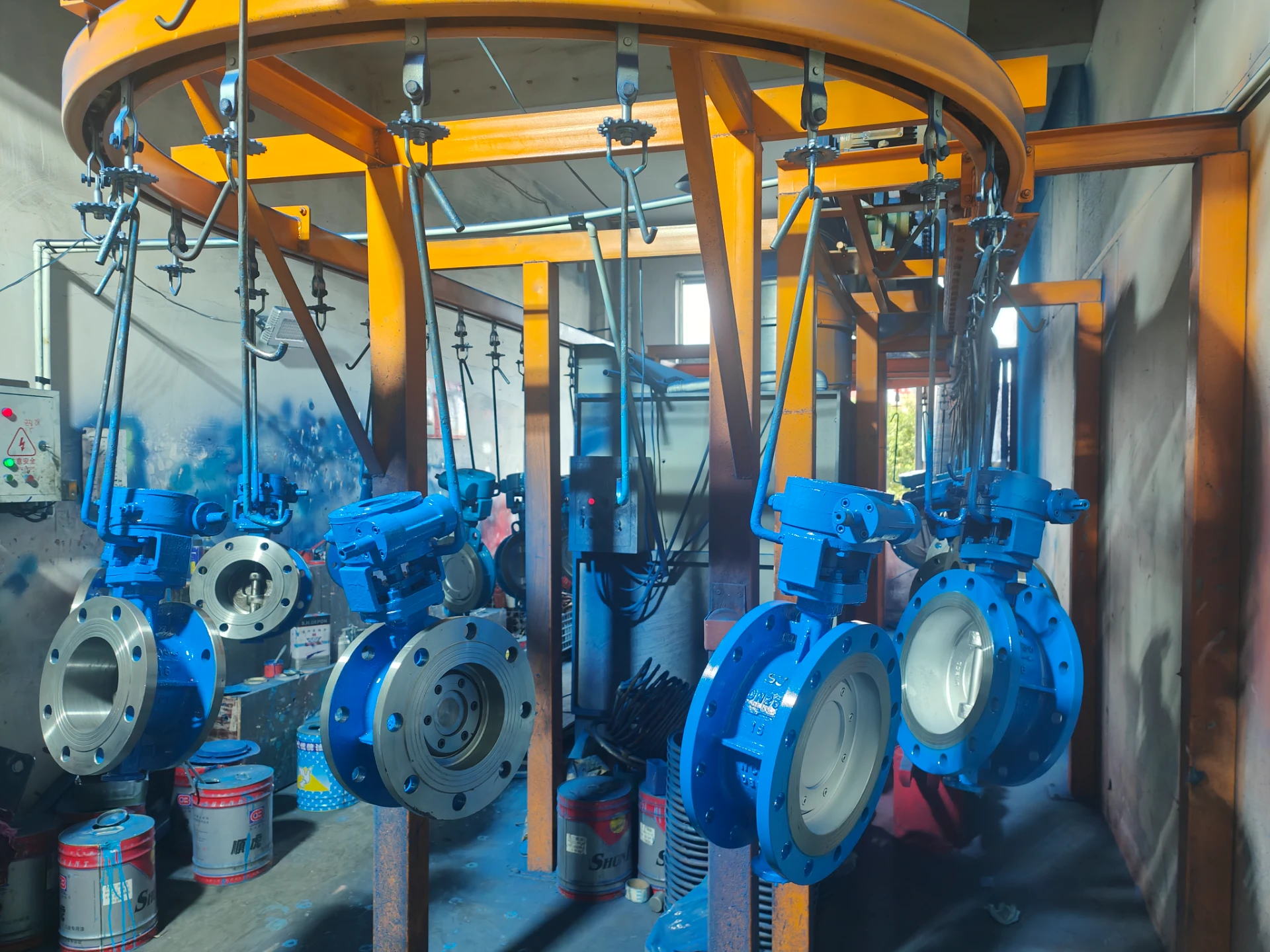
Introduction
Pipe adaptor fittings are critical components within fluid transfer systems, serving as the intermediary connections between differing pipe types, sizes, or materials. Their primary function is to facilitate a leak-proof and structurally sound joint, ensuring the safe and efficient conveyance of liquids, gases, or granular materials. Positioned within the broader piping infrastructure, these fittings are essential for adapting existing pipelines to new equipment, facilitating repairs, and creating complex network configurations. Core performance characteristics encompass pressure rating, temperature resistance, chemical compatibility, and mechanical strength. The selection of appropriate adaptor fittings is dictated by the specific application, material of the connected piping, and the operating environment, frequently demanding adherence to stringent industry regulations and safety standards. Failures in these fittings can lead to significant operational disruptions, environmental hazards, and costly repairs, highlighting the need for robust design, material selection, and quality control.
Material Science & Manufacturing
Adaptor fittings are commonly manufactured from a range of materials, each possessing distinct physical and chemical properties suitable for specific applications. Carbon steel, renowned for its strength and affordability, is frequently employed in high-pressure systems, often requiring protective coatings to mitigate corrosion. Stainless steel (304, 316L) provides superior corrosion resistance, particularly in aggressive chemical environments and is favored in food processing, pharmaceutical, and marine applications. Brass alloys offer excellent machinability and corrosion resistance in water systems but are susceptible to dezincification. Polymers such as PVC, CPVC, and polypropylene are utilized for lower-pressure, corrosive-resistant applications, offering lightweight alternatives. Manufacturing processes vary depending on the material and fitting type. Forging is common for high-pressure carbon and stainless steel fittings, imparting significant strength through grain flow alignment. Machining, including CNC turning and milling, is employed for precise dimensional control and intricate designs, especially in brass and stainless steel components. Injection molding dominates polymer fitting production, enabling high-volume manufacturing of complex shapes. Welding (SMAW, GTAW, GMAW) is crucial for joining metallic components, requiring precise control of parameters like amperage, voltage, and shielding gas composition to ensure weld integrity and prevent defects such as porosity and cracking. Heat treatment processes, such as annealing and tempering, are applied to metallic fittings to enhance ductility, reduce residual stress, and optimize mechanical properties. Critical parameter control includes dimensional accuracy, surface finish, material composition verification (through spectroscopy), and non-destructive testing (NDT) like radiographic inspection and ultrasonic testing to ensure adherence to specifications.
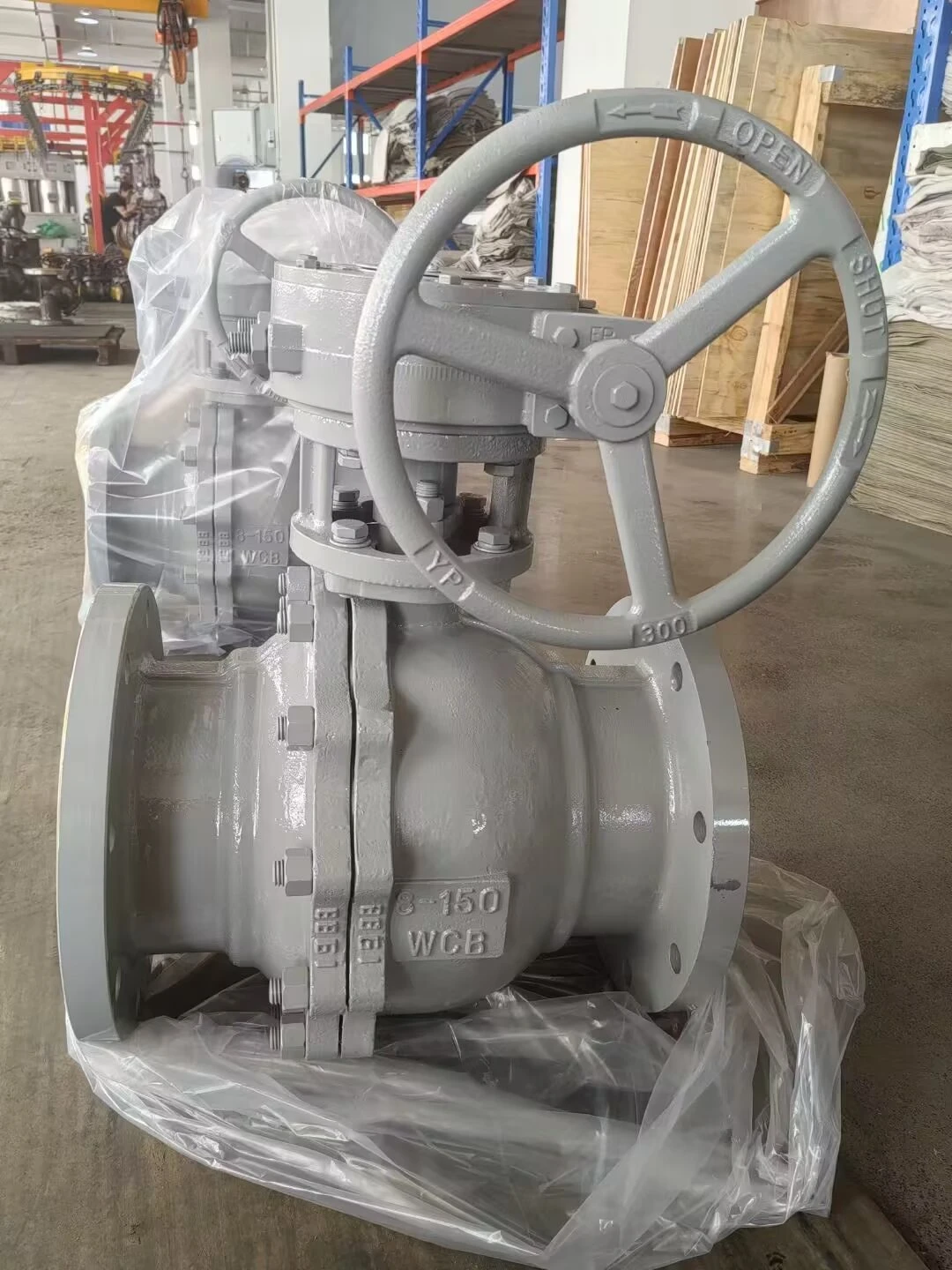
Performance & Engineering
The performance of pipe adaptor fittings is governed by several key engineering principles. Stress analysis, using Finite Element Analysis (FEA), is critical to predict behavior under pressure and mechanical loads. Threaded connections, prevalent in many fitting designs, are subject to tensile stress during tightening and shear stress during operation. Proper thread engagement length and torque control are essential to prevent stripping and leakage. Flanged connections rely on bolt preload to create a compressive seal between the flanges. Bolt torque calculations must account for gasket compressibility, flange geometry, and operating pressure. Fatigue analysis is crucial for fittings subjected to cyclic loading, identifying potential failure points and establishing design life. Environmental resistance is paramount; exposure to corrosive media, UV radiation, and temperature extremes can degrade material properties. Material selection and protective coatings must address these challenges. Compliance requirements vary by industry and region. Pressure Vessel Directive (PED), ASME Section VIII, and API standards are commonly applied in the oil and gas sector. Food and pharmaceutical applications require compliance with 3-A Sanitary Standards and FDA regulations. Functional implementation details include considerations for flow characteristics (minimizing pressure drop), thermal expansion compatibility between connected pipes, and vibration damping to prevent loosening of connections. The selection of appropriate sealing materials (gaskets, O-rings, PTFE tape) is vital to maintain leak-tight integrity under varying conditions. Furthermore, galvanic corrosion, arising from dissimilar metal contact in the presence of an electrolyte, must be mitigated through proper material pairing or the use of dielectric unions.
Technical Specifications
| Material | Pressure Rating (PSI) | Temperature Range (°C) | Connection Type |
|---|---|---|---|
| Carbon Steel (A105) | Up to 10,000 | -20 to 370 | Threaded, Welded, Flanged |
| Stainless Steel (316L) | Up to 6,000 | -196 to 425 | Threaded, Welded, Flanged, Compression |
| Brass (C36000) | Up to 3,000 | -60 to 150 | Threaded, Compression |
| PVC | Up to 500 | -10 to 60 | Solvent Cement, Threaded |
| CPVC | Up to 1,000 | -20 to 93 | Solvent Cement, Threaded |
| Polypropylene | Up to 400 | -20 to 80 | Welded, Flanged |
Failure Mode & Maintenance
Pipe adaptor fittings are susceptible to various failure modes. Fatigue cracking, particularly in threaded connections subjected to cyclic loading, is a common concern. Crevice corrosion, occurring in shielded areas between fitting components, can lead to localized material degradation. Galvanic corrosion, as previously mentioned, accelerates corrosion when dissimilar metals are coupled. Erosion corrosion, caused by abrasive particles in the fluid stream, damages the fitting's internal surfaces. Leakage, resulting from gasket failure, thread stripping, or material degradation, is a frequent issue. Delamination can occur in polymeric fittings due to UV exposure or chemical attack. Oxidation, affecting metallic fittings at elevated temperatures, weakens the material structure. Maintenance strategies include regular visual inspections for signs of corrosion, leakage, or mechanical damage. Torque checks on threaded connections ensure proper preload. Periodic replacement of gaskets and seals prevents leakage. Non-destructive testing (NDT), such as ultrasonic testing or radiographic inspection, can detect internal flaws before they lead to catastrophic failure. Protective coatings, such as epoxy or zinc plating, mitigate corrosion in harsh environments. For polymer fittings, UV stabilizers and chemical-resistant liners extend service life. Proper installation practices, including the use of appropriate thread sealant and avoiding excessive tightening, are crucial for preventing premature failure. Routine cleaning to remove debris and contaminants reduces the risk of erosion corrosion.
Industry FAQ
Q: What is the primary difference between a threaded and a welded pipe adaptor fitting in terms of long-term reliability?
A: Welded fittings generally offer superior long-term reliability in high-pressure and critical applications. Welding creates a permanent, monolithic joint, eliminating the potential for thread loosening or stripping. However, welding requires skilled technicians and thorough inspection to ensure weld integrity. Threaded fittings are easier to install and disassemble but are more susceptible to failure due to thread degradation, corrosion, or improper torqueing. The choice depends heavily on the application and the need for maintainability versus ultimate reliability.
Q: How does the choice of gasket material impact the chemical compatibility of a flanged pipe adaptor fitting?
A: The gasket material must be chemically compatible with the fluid being conveyed to prevent swelling, degradation, or leaching, all of which can compromise the seal. For example, using a standard rubber gasket with strong acids will lead to rapid deterioration and failure. Materials like PTFE (Teflon), Viton, and EPDM are chosen based on their resistance to specific chemicals. Gasket compatibility charts are crucial for proper material selection.
Q: What are the key considerations when selecting a pipe adaptor fitting for a cryogenic application (extremely low temperatures)?
A: Material ductility is paramount in cryogenic applications. Materials like stainless steel 304L and 316L are favored due to their ability to retain toughness at low temperatures. Carbon steel becomes brittle at cryogenic temperatures and is generally avoided. Thermal contraction must also be accounted for, ensuring sufficient flexibility in the connection to prevent stress cracking. Specialized gaskets and seals designed for cryogenic service are essential.
Q: How can I prevent galvanic corrosion when connecting a brass pipe to a steel pipe using an adaptor fitting?
A: Galvanic corrosion can be prevented by using a dielectric union, which electrically isolates the dissimilar metals. Alternatively, applying a protective coating (e.g., zinc-rich primer) to the steel pipe can act as a sacrificial anode, protecting the brass. Proper grounding can also help minimize the potential difference between the metals.
Q: What NDT methods are commonly used to verify the integrity of welded pipe adaptor fittings?
A: Radiographic testing (X-ray) is widely used to detect internal flaws such as porosity and cracking. Ultrasonic testing (UT) provides a more sensitive method for detecting subsurface defects. Dye penetrant inspection (DPI) identifies surface cracks. Liquid penetrant inspection (LPI) is another common surface inspection technique. Visual inspection, supplemented by magnetic particle inspection (MPI) for ferromagnetic materials, completes the suite of NDT methods.
Conclusion
Pipe adaptor fittings are far more than simple connectors; they are critical engineering components integral to the safe and efficient operation of complex fluid transfer systems. Proper material selection, informed by a thorough understanding of the operating environment and fluid characteristics, is foundational. Manufacturing processes, meticulously controlled to ensure dimensional accuracy and material integrity, directly impact long-term performance. Adherence to industry standards and rigorous quality control measures, including non-destructive testing, are non-negotiable for mitigating the risks associated with failures.
Looking forward, advancements in materials science, such as the development of corrosion-resistant alloys and high-performance polymers, will continue to drive improvements in fitting durability and reliability. The increasing adoption of digital twins and predictive maintenance techniques will enable proactive monitoring of fitting condition and facilitate timely interventions, minimizing downtime and extending service life. A continued focus on robust design principles and stringent quality control remains paramount to ensuring the safe and efficient operation of critical infrastructure.
-
Top Reasons to Choose a Stainless Steel Flange Check Valve for Industrial Applications
-
electric check valve Performance Engineering
-
electric check valves Performance Analysis
-
Threaded Check Valves Performance Analysis
-
6 inch check valve Performance Analysis
-
8 check valve Performance Analysis
-
diaphragm check valve Material Science Manufacturing
-
dual plate check valve Performance Analysis
-
check valve 6 inch Material Science
-
diaphragm check valves Performance Analysis
-
dual plate check valves Performance Analysis
-
vertical check valves Material Science Manufacturing
-
8 check valves Performance Analysis
-
refrigeration check valves Performance Analysis
-
pilot check valve Performance Analysis
 Afrikaans
 Albanian
 Amharic
 Arabic
 Armenian
 Azerbaijani
 Basque
 Belarusian
 Bengali
 Bosnian
 Bulgarian
 Catalan
 Cebuano
 Corsican
 Croatian
 Czech
Czech
 Danish
 Dutch
Dutch
 Esperanto
 Estonian
 Finnish
 French
 Frisian
 Galician
 Georgian
 German
 Greek
Greek
 Gujarati
 Haitian Creole
 Hausa
Hawaiian
Hausa
Hawaiian
 Hebrew
 Hindi
Hindi
 Miao
Miao
 Hungarian
 Icelandic
 Igbo
Igbo
 Indonesian
 Irish
Irish
 Italian
 Japanese
 Javanese
Kannada
Javanese
Kannada
 Kazakh
 Khmer
Khmer
 Rwandese
 Korean
 Kurdish
 Kyrgyz
 Lao
Lao
 Latin
Latin
 Latvian
 Lithuanian
 Luxembourgish
 Macedonian
 Malgashi
 Malay
Malay
 Malayalam
 Maltese
 Maori
Maori
 Marathi
 Mongolian
 Myanmar
 Nepali
 Norwegian
 Norwegian
 Occitan
 Pashto
 Persian
 Polish
 Portuguese
Punjabi
Portuguese
Punjabi
 Romanian
 Russian
 Samoan
 Scottish Gaelic
 Serbian
 Sesotho
 Shona
Shona
 Sindhi
 Sinhala
 Slovak
 Slovenian
 Somali
 Spanish
 Sundanese
 Swahili
 Swedish
Tagalog
Swedish
Tagalog
 Tajik
Tajik
 Tamil
Tamil
 Tatar
Tatar
 Telugu
 Thai
Thai
 Turkish
 Turkmen
 Ukrainian
 Urdu
Urdu
 Uighur
 Uzbek
Uzbek
 Vietnamese
 Welsh
Welsh
 Bantu
Bantu
 Yiddish
 Yoruba
 Zulu
Zulu
 English