




Pipe Fitting Adapter Performance Analysis
Introduction
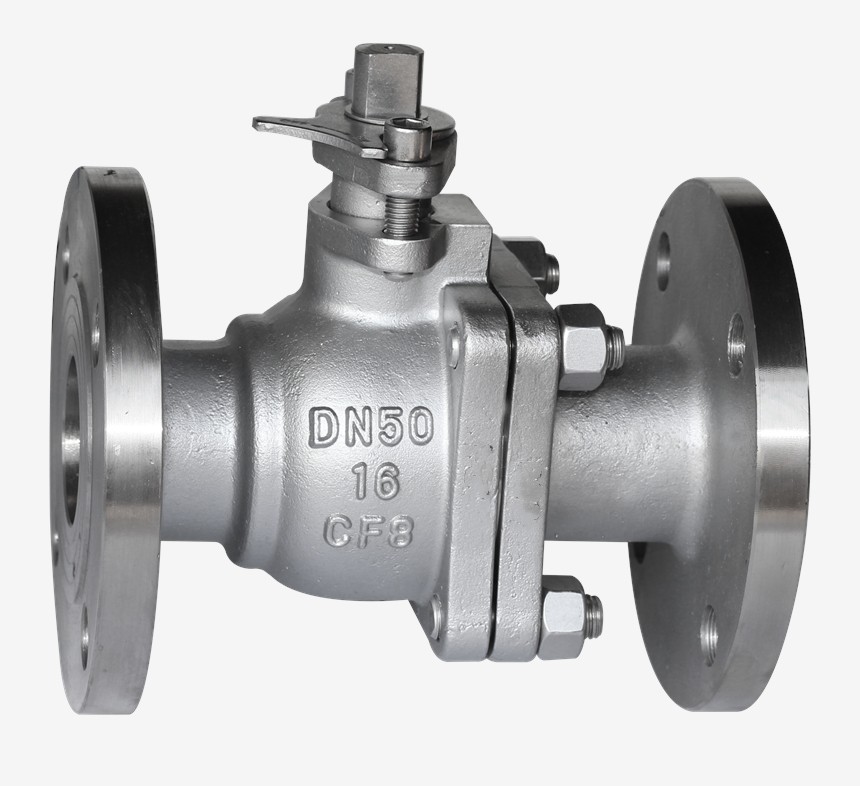
Pipe fitting adapters are critical components in fluid transfer systems, facilitating the connection between pipes, valves, and other equipment with differing sizes, materials, or end configurations. Positioned within the broader piping systems industry, adapters address the inherent need for modularity and adaptability in complex infrastructure. These components are not merely mechanical connectors; they are engineered solutions designed to maintain system integrity under specified pressure, temperature, and chemical conditions. Core performance characteristics include pressure rating, leak tightness, material compatibility, and dimensional accuracy. The increasing demand for specialized fluid handling – particularly in industries such as oil & gas, chemical processing, and water treatment – drives the need for increasingly sophisticated adapter designs and materials. Proper adapter selection is paramount to prevent catastrophic system failures and ensure operational efficiency.
Material Science & Manufacturing
The material selection for pipe fitting adapters is dictated by the intended application and the fluids being conveyed. Common materials include carbon steel (ASTM A53 Grade B, often with galvanized or epoxy coatings for corrosion resistance), stainless steel (304/304L, 316/316L for increased corrosion resistance, particularly in aggressive chemical environments), ductile iron (ASTM A536-89), brass (various alloys, notably C36000 for potable water systems), and engineered plastics like PVC, CPVC, and PTFE (for chemically resistant applications). Manufacturing processes vary depending on material and adapter type. Steel adapters are frequently produced via forging, machining, and welding. Forging establishes the initial shape with high strength, while machining refines dimensional tolerances. Welding, particularly for larger diameter adapters or complex geometries, requires stringent quality control – including non-destructive testing (NDT) like radiographic inspection and ultrasonic testing – to ensure weld integrity and prevent porosity or cracking. Plastic adapters are commonly manufactured through injection molding. Precise control of mold temperature, injection pressure, and cooling rates is crucial to minimize warping and ensure consistent dimensional accuracy. Threading, whether National Pipe Thread (NPT) or British Standard Pipe (BSP), is a critical machining operation requiring tight tolerances to ensure leak-proof connections. Surface treatments, such as passivation for stainless steel or zinc plating for carbon steel, enhance corrosion resistance and prolong component life. Heat treatment processes like annealing and tempering are used to optimize mechanical properties, such as yield strength and ductility, especially in forged steel components.
Performance & Engineering
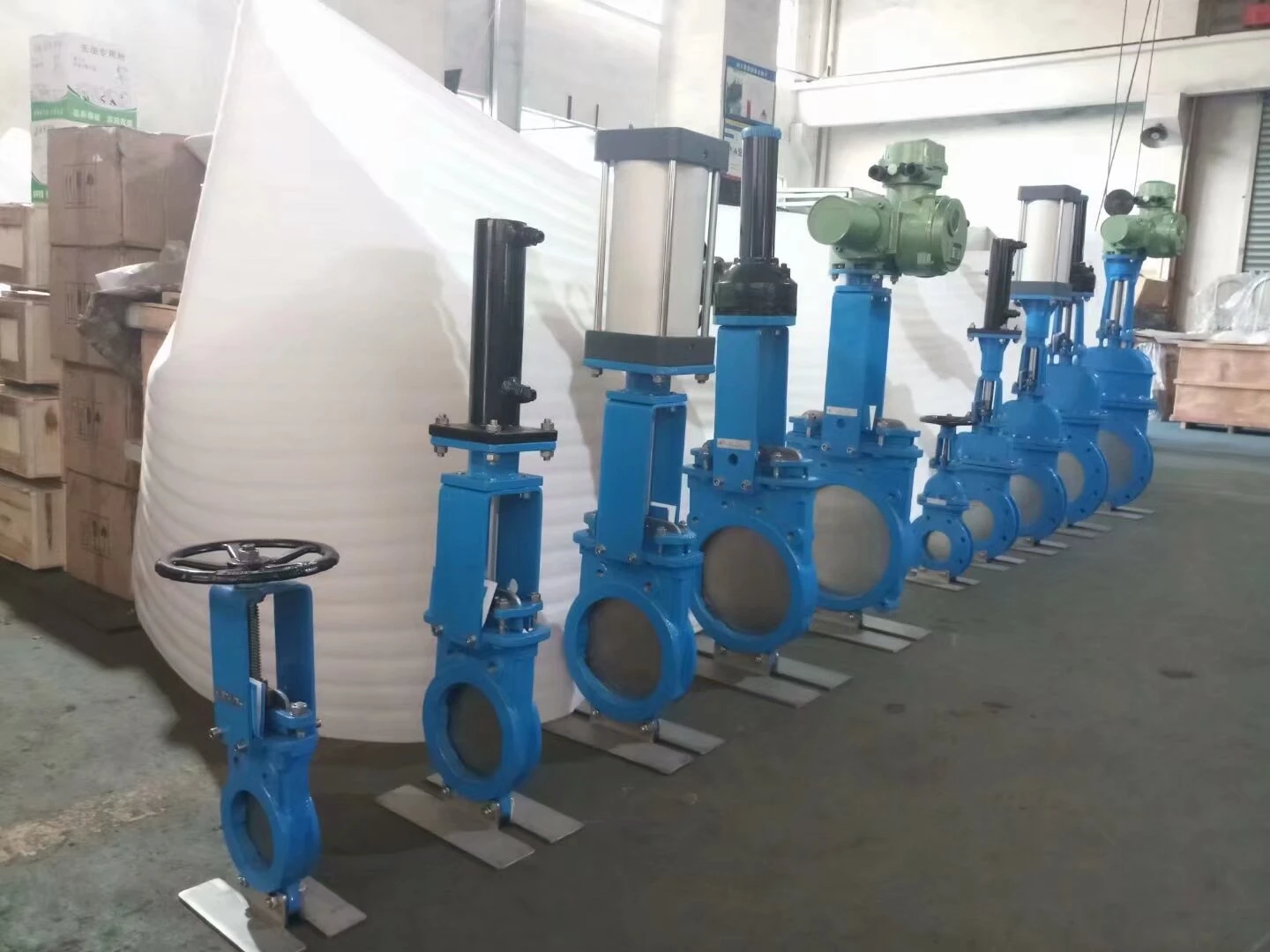
The performance of pipe fitting adapters is governed by several key engineering principles. Pressure containment is paramount; adapters must withstand the maximum operating pressure of the system with an adequate safety factor. This necessitates rigorous stress analysis, often using Finite Element Analysis (FEA), to identify potential stress concentration points, particularly at thread roots and geometric transitions. Torque analysis is also crucial during installation to ensure proper tightening without overstressing the threads. Thermal expansion and contraction, especially in systems conveying hot or cold fluids, must be accounted for to prevent stress buildup and potential leakage. Material compatibility with the conveyed fluid is essential to prevent corrosion, erosion, or chemical degradation. For example, stainless steel adapters are preferred for handling corrosive fluids like hydrochloric acid or sulfuric acid, while PVC adapters are suitable for certain types of wastewater. Vibration analysis is also important, particularly in systems subject to pulsating flow or mechanical vibrations, to prevent fatigue failure. Compliance requirements vary by industry and geographic location. For potable water systems, adapters must meet NSF/ANSI 61 standards to ensure they do not leach harmful contaminants into the water. In the oil and gas industry, adapters must comply with API standards (e.g., API 5L for pipe specifications) and may require certifications for hazardous locations (e.g., ATEX or IECEx). Hydraulic testing, conducted to pressures exceeding the rated operating pressure, is a standard quality control procedure to verify leak tightness and structural integrity.
Technical Specifications
| Parameter | Carbon Steel (A53 Grade B) | Stainless Steel (316/316L) | PVC (Schedule 80) | Ductile Iron (65-45-12) |
|---|---|---|---|---|
| Pressure Rating (PSI) | Up to 600 | Up to 1000 | Up to 400 | Up to 300 |
| Temperature Range (°F) | -30 to 300 | -320 to 650 | -40 to 140 | -20 to 200 |
| Tensile Strength (PSI) | 70,000 | 75,000 | 6,500 | 60,000 |
| Yield Strength (PSI) | 36,000 | 30,000 | N/A (Brittle) | 30,000 |
| Corrosion Resistance | Low (Requires Coating) | Excellent | Good (Specific Chemicals) | Moderate (Requires Coating) |
| Common Standards | ASTM A53, ANSI B1.20.1 | ASTM A276, ANSI B1.20.1 | ASTM D1785, ANSI B1.20.1 | ASTM A536-89, ANSI B1.20.1 |
Failure Mode & Maintenance
Pipe fitting adapters are susceptible to several failure modes. Corrosion, particularly in carbon steel adapters exposed to humid environments or corrosive fluids, is a common cause of failure, leading to pitting, cracking, and eventual leakage. Fatigue cracking can occur in adapters subjected to cyclic loading, such as vibrations or pressure fluctuations. Thread damage, resulting from improper installation or over-tightening, can compromise the seal and lead to leakage. For plastic adapters, UV degradation can cause embrittlement and cracking, especially in outdoor applications. Galvanic corrosion, occurring when dissimilar metals are in contact in the presence of an electrolyte, can accelerate corrosion of the less noble metal. Maintenance practices include regular visual inspections for signs of corrosion, cracks, or leaks. Periodic torque checks ensure proper thread tightness. Protective coatings, such as epoxy or galvanizing, should be reapplied as needed to maintain corrosion resistance. For plastic adapters, minimizing UV exposure and using UV-resistant formulations can extend service life. In systems handling corrosive fluids, regular flushing and chemical cleaning can help prevent buildup of corrosive deposits. Proper storage of adapters in a dry, protected environment is also crucial to prevent corrosion and degradation.
Industry FAQ
Q: What is the primary difference between NPT and BSP threads, and which is more suitable for high-pressure applications?
A: NPT (National Pipe Thread) is a tapered thread commonly used in North America, relying on thread interference for sealing. BSP (British Standard Pipe) comes in parallel (BSPP) and tapered (BSPT) forms. BSPT, like NPT, is tapered but has a different thread angle. For high-pressure applications, BSPT is generally preferred due to its tighter thread pitch and greater sealing capability when used with a sealing compound. However, proper thread sealant is critical for both NPT and BSPT to achieve leak-tight connections.
Q: How does the material grade of stainless steel (e.g., 304 vs. 316) impact the adapter's suitability for specific fluid applications?
A: 304 stainless steel offers good corrosion resistance in many environments, but it is susceptible to pitting corrosion in chloride-rich environments (e.g., seawater). 316 stainless steel contains molybdenum, which significantly enhances its resistance to pitting and crevice corrosion, making it ideal for marine applications, chemical processing, and other harsh environments.
Q: What are the key considerations when selecting a plastic adapter for a system conveying acidic fluids?
A: Chemical compatibility is paramount. PVC is suitable for many mild acids, but CPVC (Chlorinated Polyvinyl Chloride) offers significantly improved resistance to higher temperatures and more aggressive acids. PTFE (Teflon) provides the highest level of chemical resistance but is generally more expensive. It's essential to consult a chemical compatibility chart to ensure the plastic material is suitable for the specific acid concentration and temperature.
Q: What is the purpose of hydrostatic testing, and what constitutes a passing result?
A: Hydrostatic testing involves pressurizing the adapter with a liquid (typically water) to a pressure significantly higher than its rated working pressure, typically 1.5 times the rated pressure. This test verifies the adapter's structural integrity and leak tightness. A passing result indicates that the adapter can withstand the test pressure for a specified duration (e.g., 30 minutes) without exhibiting any leaks or permanent deformation.
Q: What are the implications of using an adapter with an incorrect pressure rating for a given system?
A: Using an adapter with an insufficient pressure rating can lead to catastrophic failure, resulting in leaks, equipment damage, and potential injury. Adapters must be selected to meet or exceed the maximum expected operating pressure of the system, incorporating an adequate safety factor. Conversely, significantly over-rating an adapter may not pose an immediate safety risk but can increase cost unnecessarily.
Conclusion
Pipe fitting adapters represent a vital, often understated, component within broader fluid handling systems. Their selection and implementation are not merely matters of physical fit, but require a comprehensive understanding of material science, manufacturing processes, and engineering principles. Ensuring compatibility with conveyed fluids, adherence to relevant industry standards, and diligent maintenance practices are crucial for long-term system reliability and safety.
Future advancements in adapter technology will likely focus on the development of new materials with enhanced corrosion resistance and mechanical properties, as well as the integration of smart monitoring systems to detect potential failures before they occur. The ongoing trend towards miniaturization and increased process efficiency will also drive demand for increasingly precise and specialized adapter designs. Prioritizing these areas will enable industries to optimize fluid transfer processes, minimize downtime, and maintain operational integrity.
-
Top Reasons to Choose a Stainless Steel Flange Check Valve for Industrial Applications
-
teejet check valve Performance Analysis
-
8 inch check valve Performance Analysis
-
wafer style check valves Performance Analysis
-
3 4 spring check valve Performance Analysis
-
butterfly check valves Performance Analysis
-
electric check valve Performance Engineering
-
electric check valves Performance Analysis
-
Threaded Check Valves Performance Analysis
-
6 inch check valve Performance Analysis
-
8 check valve Performance Analysis
-
diaphragm check valve Material Science Manufacturing
-
dual plate check valve Performance Analysis
-
check valve 6 inch Material Science
-
diaphragm check valves Performance Analysis
 Afrikaans
 Albanian
 Amharic
 Arabic
 Armenian
 Azerbaijani
 Basque
 Belarusian
 Bengali
 Bosnian
 Bulgarian
 Catalan
 Cebuano
 Corsican
 Croatian
 Czech
Czech
 Danish
 Dutch
Dutch
 Esperanto
 Estonian
 Finnish
 French
 Frisian
 Galician
 Georgian
 German
 Greek
Greek
 Gujarati
 Haitian Creole
 Hausa
Hawaiian
Hausa
Hawaiian
 Hebrew
 Hindi
Hindi
 Miao
Miao
 Hungarian
 Icelandic
 Igbo
Igbo
 Indonesian
 Irish
Irish
 Italian
 Japanese
 Javanese
Kannada
Javanese
Kannada
 Kazakh
 Khmer
Khmer
 Rwandese
 Korean
 Kurdish
 Kyrgyz
 Lao
Lao
 Latin
Latin
 Latvian
 Lithuanian
 Luxembourgish
 Macedonian
 Malgashi
 Malay
Malay
 Malayalam
 Maltese
 Maori
Maori
 Marathi
 Mongolian
 Myanmar
 Nepali
 Norwegian
 Norwegian
 Occitan
 Pashto
 Persian
 Polish
 Portuguese
Punjabi
Portuguese
Punjabi
 Romanian
 Russian
 Samoan
 Scottish Gaelic
 Serbian
 Sesotho
 Shona
Shona
 Sindhi
 Sinhala
 Slovak
 Slovenian
 Somali
 Spanish
 Sundanese
 Swahili
 Swedish
Tagalog
Swedish
Tagalog
 Tajik
Tajik
 Tamil
Tamil
 Tatar
Tatar
 Telugu
 Thai
Thai
 Turkish
 Turkmen
 Ukrainian
 Urdu
Urdu
 Uighur
 Uzbek
Uzbek
 Vietnamese
 Welsh
Welsh
 Bantu
Bantu
 Yiddish
 Yoruba
 Zulu
Zulu
 English