




pipe fitting tee Performance and Engineering
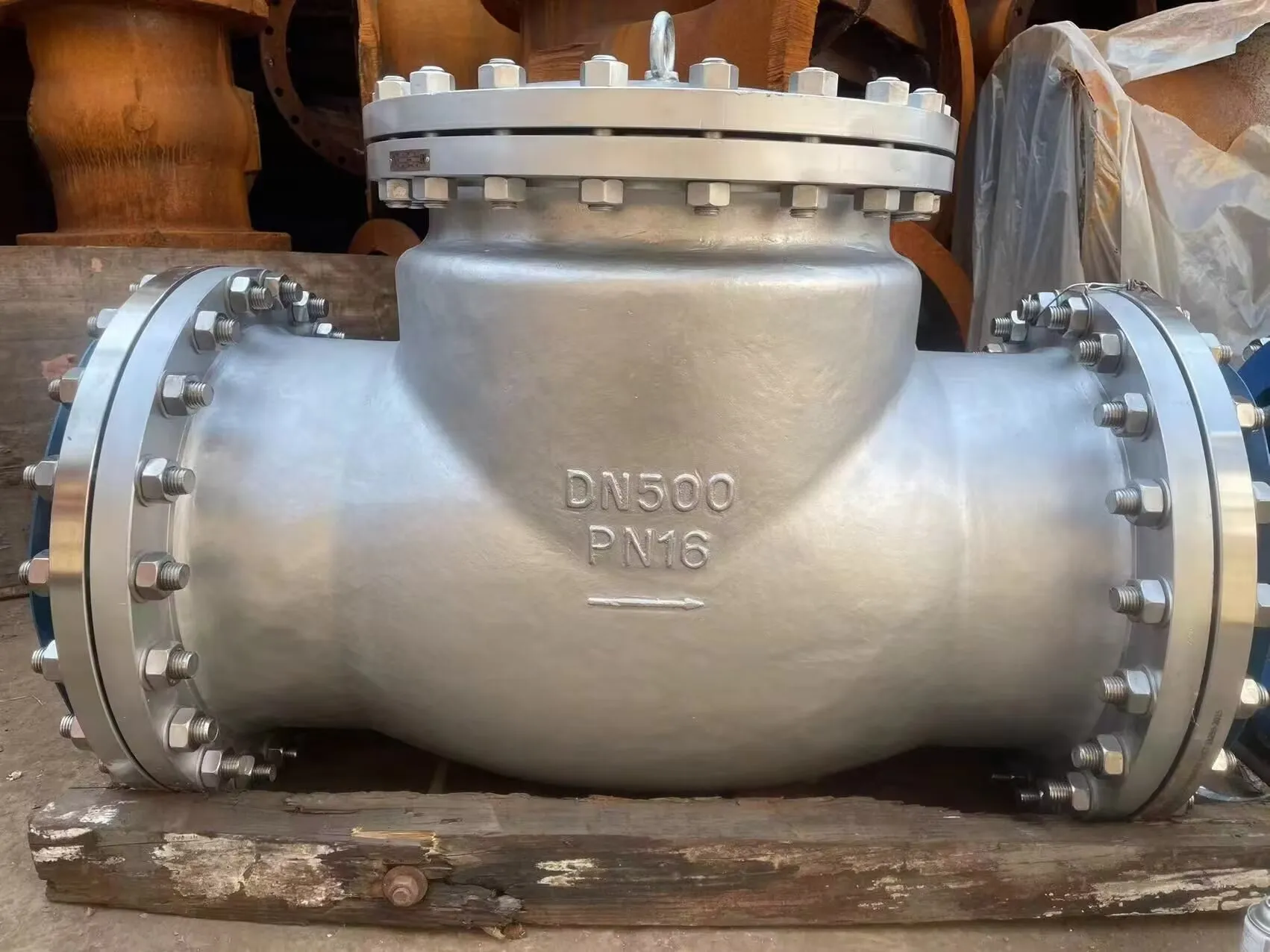
Introduction
A pipe fitting tee, also commonly referred to as a tee joint or T-fitting, is a pipe component used in piping systems to connect three sections of pipe, forming a ‘T’ shape. Technically classified as a branch connector, it allows for the diversion of fluid flow, enabling the creation of side streams or the combination of multiple flows into a single line. Its position within the industry chain is fundamental: bridging the gap between straight pipe segments and enabling complex fluid distribution networks across diverse sectors, including oil & gas, chemical processing, water treatment, and HVAC systems. Core performance characteristics center around its pressure rating, material compatibility, dimensional accuracy, and ability to maintain flow integrity without inducing significant turbulence or pressure drop. Reliable performance is paramount, directly impacting system efficiency, safety, and longevity.
Material Science & Manufacturing
Tees are manufactured from a variety of materials, each exhibiting distinct physical and chemical properties suited to specific applications. Carbon steel (ASTM A53 Grade B, API 5L) is common for general-purpose applications due to its strength and cost-effectiveness, though susceptible to corrosion. Stainless steel (304/316, ASTM A358) offers superior corrosion resistance, critical in chemical processing and food & beverage industries. Alloy steels, such as those containing chromium and molybdenum, enhance high-temperature strength and creep resistance for power generation applications. Polymers (PVC, CPVC, PP, HDPE – ASTM D1785) are used for low-pressure, corrosive fluid handling, offering lightweight alternatives. Manufacturing processes vary based on material and size. For metallic tees, forging is used for high-pressure, large-diameter components, ensuring grain flow alignment for enhanced strength. Seamless tees are created through extrusion and subsequent machining. Welded tees, created by welding branch outlets onto a main run pipe, are cost-effective but require stringent weld quality control (AWS D1.1). Polymeric tees are typically injection molded (ASTM D4104), controlling melt temperature, injection pressure, and cooling rates to achieve dimensional accuracy and minimize residual stress. Key parameter control during manufacturing includes wall thickness uniformity, angle of branch outlet (typically 45° or 90°), and surface finish to minimize flow restriction and promote weldability. Material traceability and non-destructive testing (NDT) like ultrasonic testing (UT) and radiographic testing (RT) are crucial for quality assurance.
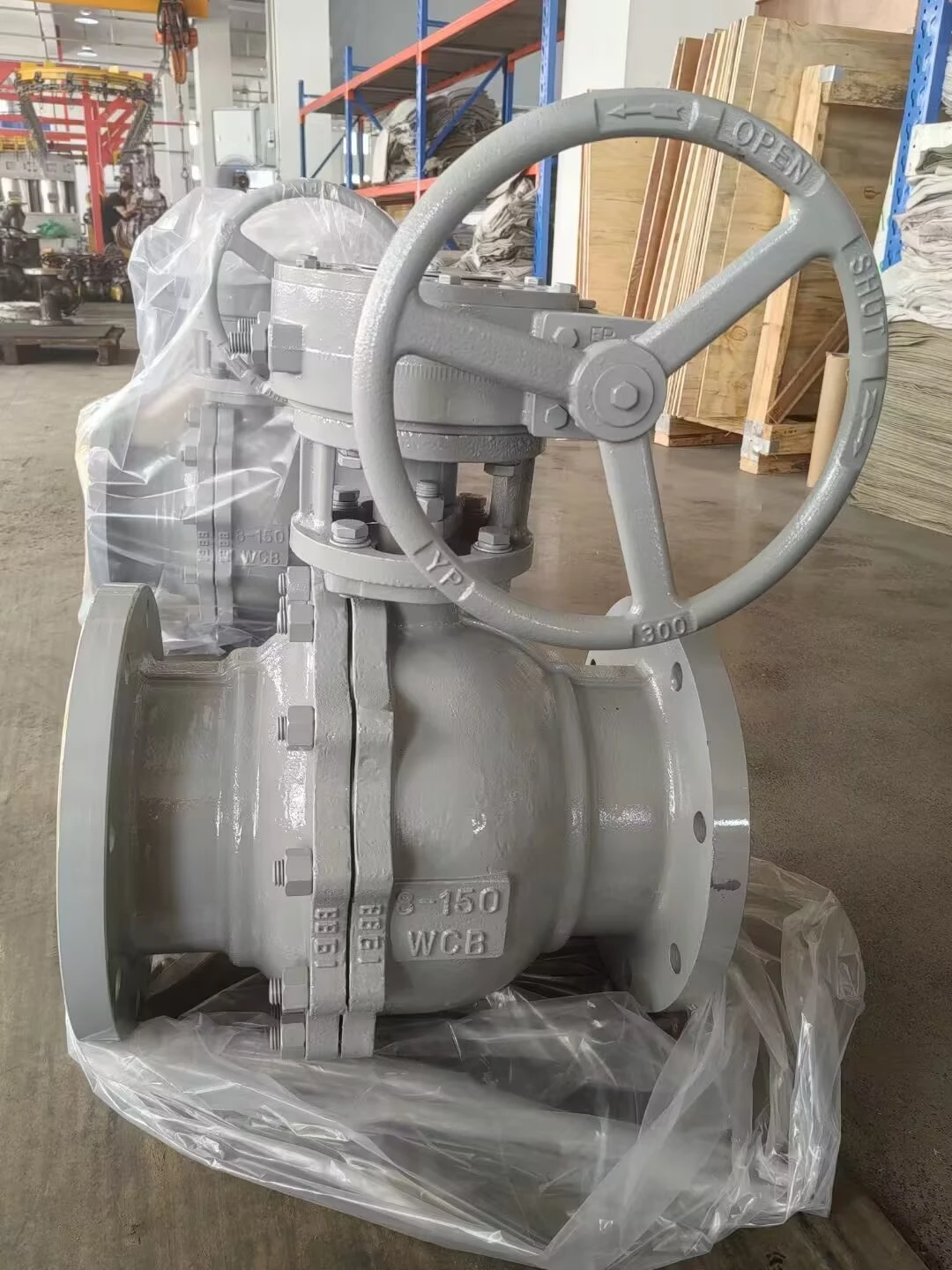
Performance & Engineering
The performance of a tee fitting is largely dictated by its ability to withstand internal pressure and external loads. Force analysis involves calculating hoop stress in the main run and branch, considering pressure, temperature, and material properties. ASME B31.3 (Process Piping) and EN 13480 (Metallic Industrial Piping) dictate allowable stress limits based on these factors. Environmental resistance is crucial; corrosion, erosion, and temperature fluctuations can compromise structural integrity. Corrosion mitigation strategies include material selection (stainless steel, alloys), protective coatings (epoxy, PTFE), and cathodic protection. For cryogenic applications, materials must exhibit adequate ductility at low temperatures to prevent brittle fracture. Compliance requirements depend heavily on the industry. Oil & gas pipelines adhere to API 5L and API 6A standards. Food & beverage applications require compliance with 3-A Sanitary Standards. Functional implementation necessitates careful consideration of flow dynamics. Sharp bends and abrupt changes in diameter create turbulence, increasing pressure drop and potentially leading to cavitation. Optimized tee geometry, incorporating smooth transitions and radiused inlets, minimizes these effects. Finite Element Analysis (FEA) is frequently used to simulate stress distribution and optimize tee design for specific operating conditions. Furthermore, the structural support system around the tee is critical – adequate supports are needed to prevent excessive bending moments and stresses caused by the weight of the piping and fluid contents.
Technical Specifications
| Parameter | Carbon Steel (ASTM A53 Grade B) | Stainless Steel 304/316 (ASTM A358) | PVC (ASTM D1785) | Pressure Rating (PSI) |
|---|---|---|---|---|
| Material | Carbon Steel | 304/316 Stainless Steel | Polyvinyl Chloride | Up to 2000 |
| Size Range (inches) | 1/2" - 24" | 1/2" - 12" | 1/2" - 6" | Varies by Size & Schedule |
| Schedule | 40, 80, 160 | 40, 80, 160 | 40, 80 | Schedule dictates wall thickness |
| Temperature Range (°F) | -30°F to 300°F | -300°F to 600°F | -40°F to 140°F | Dependent on Material |
| Connection Type | Welded, Threaded, Socket Weld | Welded, Threaded, Socket Weld | Solvent Cement, Threaded | Determines installation method |
| Wall Thickness (in) | 0.083" - 0.280" (varies by schedule) | 0.065" - 0.180" (varies by schedule) | 0.050" - 0.150" (varies by schedule) | Critical for Pressure Containment |
Failure Mode & Maintenance
Pipe fitting tees are susceptible to several failure modes. Corrosion, particularly in carbon steel, leads to pitting and weakening of the material. Erosion, caused by high-velocity fluids containing abrasive particles, wears away the internal surface. Fatigue cracking, induced by cyclic loading, initiates at stress concentration points (weld joints, branch outlets). Galvanic corrosion occurs when dissimilar metals are in contact in the presence of an electrolyte. Threaded connections can loosen due to vibration or thermal expansion/contraction, leading to leakage. Welded joints can experience cracking due to inadequate weld quality or residual stress. Maintenance strategies involve regular visual inspections for signs of corrosion, erosion, or cracks. Non-destructive testing (NDT), such as ultrasonic testing (UT) and liquid penetrant testing (PT), can detect subsurface flaws. Periodic pressure testing verifies the integrity of the system. For corroded components, replacement is often the most effective solution. For threaded connections, re-tightening or application of thread sealant may be necessary. Weld repairs should be performed by qualified welders following approved procedures (AWS D1.1). Proper installation, including adequate support and correct alignment, is paramount to prevent premature failure. Preventive maintenance programs, including scheduled inspections and replacements, are critical for ensuring long-term reliability.
Industry FAQ
Q: What is the primary difference between a reducing tee and a straight tee, and when would each be preferred?
A: A straight tee has all three openings the same diameter, maintaining consistent flow area. A reducing tee has a smaller diameter outlet, used to branch off a smaller flow from a larger main line. Reducing tees minimize turbulence and pressure drop when stepping down pipe size, whereas straight tees are suited for applications where flow continuity is paramount and size changes are not required.
Q: How does the weld quality of a welded tee impact its overall pressure rating and long-term reliability?
A: Weld quality is paramount. Imperfections like porosity, slag inclusions, or incomplete penetration significantly weaken the weld joint, reducing its pressure-holding capacity and increasing the risk of failure under stress. Proper weld procedures (AWS D1.1), qualified welders, and thorough NDT (RT, UT) are crucial to ensuring weld integrity.
Q: What considerations are important when selecting a tee material for a system handling corrosive fluids?
A: Material selection must be based on the specific corrosive agent and its concentration. Stainless steel (316) offers excellent resistance to many corrosive chemicals, but certain acids (like hydrochloric acid) can still cause pitting. Polymers like CPVC or PTFE-lined steel are alternatives for highly corrosive environments. Consult a corrosion engineer to determine the most suitable material.
Q: What is the significance of 'schedule' in relation to pipe fitting tees, and how does it affect pressure capacity?
A: 'Schedule' refers to the wall thickness of the pipe and fitting. Higher schedule numbers (e.g., Schedule 80 vs. Schedule 40) indicate thicker walls, providing greater strength and pressure-holding capacity. A thicker wall can withstand higher internal pressure, but also increases cost and weight.
Q: What are the key differences between socket weld and butt weld tees, and which is more commonly used for high-pressure applications?
A: Socket weld tees utilize a recessed hub where the pipe is inserted and welded, suitable for smaller diameter piping. Butt weld tees involve welding the pipe directly to the tee, providing a stronger, smoother internal flow path and are preferred for high-pressure, large-diameter applications. Butt welds generally require more precise alignment and welding skill.
Conclusion
The pipe fitting tee, while seemingly simple in its geometry, represents a critical component in fluid handling systems across numerous industries. Its selection and implementation demand a thorough understanding of material science, manufacturing processes, engineering principles, and relevant industry standards. Ensuring optimal performance requires careful consideration of pressure ratings, temperature ranges, fluid compatibility, and potential failure modes.
Proactive maintenance practices, including regular inspections and adherence to established quality control protocols, are essential for maximizing the lifespan and reliability of tee fittings and the systems they comprise. Continued advancements in materials and manufacturing techniques will further enhance the performance and durability of these vital components, driving efficiency and safety in a wide range of industrial applications.
-
Top Reasons to Choose a Stainless Steel Flange Check Valve for Industrial Applications
-
electric check valve Performance Engineering
-
electric check valves Performance Analysis
-
Threaded Check Valves Performance Analysis
-
6 inch check valve Performance Analysis
-
8 check valve Performance Analysis
-
diaphragm check valve Material Science Manufacturing
-
dual plate check valve Performance Analysis
-
check valve 6 inch Material Science
-
diaphragm check valves Performance Analysis
-
dual plate check valves Performance Analysis
-
vertical check valves Material Science Manufacturing
-
8 check valves Performance Analysis
-
refrigeration check valves Performance Analysis
-
pilot check valve Performance Analysis
 Afrikaans
 Albanian
 Amharic
 Arabic
 Armenian
 Azerbaijani
 Basque
 Belarusian
 Bengali
 Bosnian
 Bulgarian
 Catalan
 Cebuano
 Corsican
 Croatian
 Czech
Czech
 Danish
 Dutch
Dutch
 Esperanto
 Estonian
 Finnish
 French
 Frisian
 Galician
 Georgian
 German
 Greek
Greek
 Gujarati
 Haitian Creole
 Hausa
Hawaiian
Hausa
Hawaiian
 Hebrew
 Hindi
Hindi
 Miao
Miao
 Hungarian
 Icelandic
 Igbo
Igbo
 Indonesian
 Irish
Irish
 Italian
 Japanese
 Javanese
Kannada
Javanese
Kannada
 Kazakh
 Khmer
Khmer
 Rwandese
 Korean
 Kurdish
 Kyrgyz
 Lao
Lao
 Latin
Latin
 Latvian
 Lithuanian
 Luxembourgish
 Macedonian
 Malgashi
 Malay
Malay
 Malayalam
 Maltese
 Maori
Maori
 Marathi
 Mongolian
 Myanmar
 Nepali
 Norwegian
 Norwegian
 Occitan
 Pashto
 Persian
 Polish
 Portuguese
Punjabi
Portuguese
Punjabi
 Romanian
 Russian
 Samoan
 Scottish Gaelic
 Serbian
 Sesotho
 Shona
Shona
 Sindhi
 Sinhala
 Slovak
 Slovenian
 Somali
 Spanish
 Sundanese
 Swahili
 Swedish
Tagalog
Swedish
Tagalog
 Tajik
Tajik
 Tamil
Tamil
 Tatar
Tatar
 Telugu
 Thai
Thai
 Turkish
 Turkmen
 Ukrainian
 Urdu
Urdu
 Uighur
 Uzbek
Uzbek
 Vietnamese
 Welsh
Welsh
 Bantu
Bantu
 Yiddish
 Yoruba
 Zulu
Zulu
 English