




Pipe Union Fitting Performance Analysis
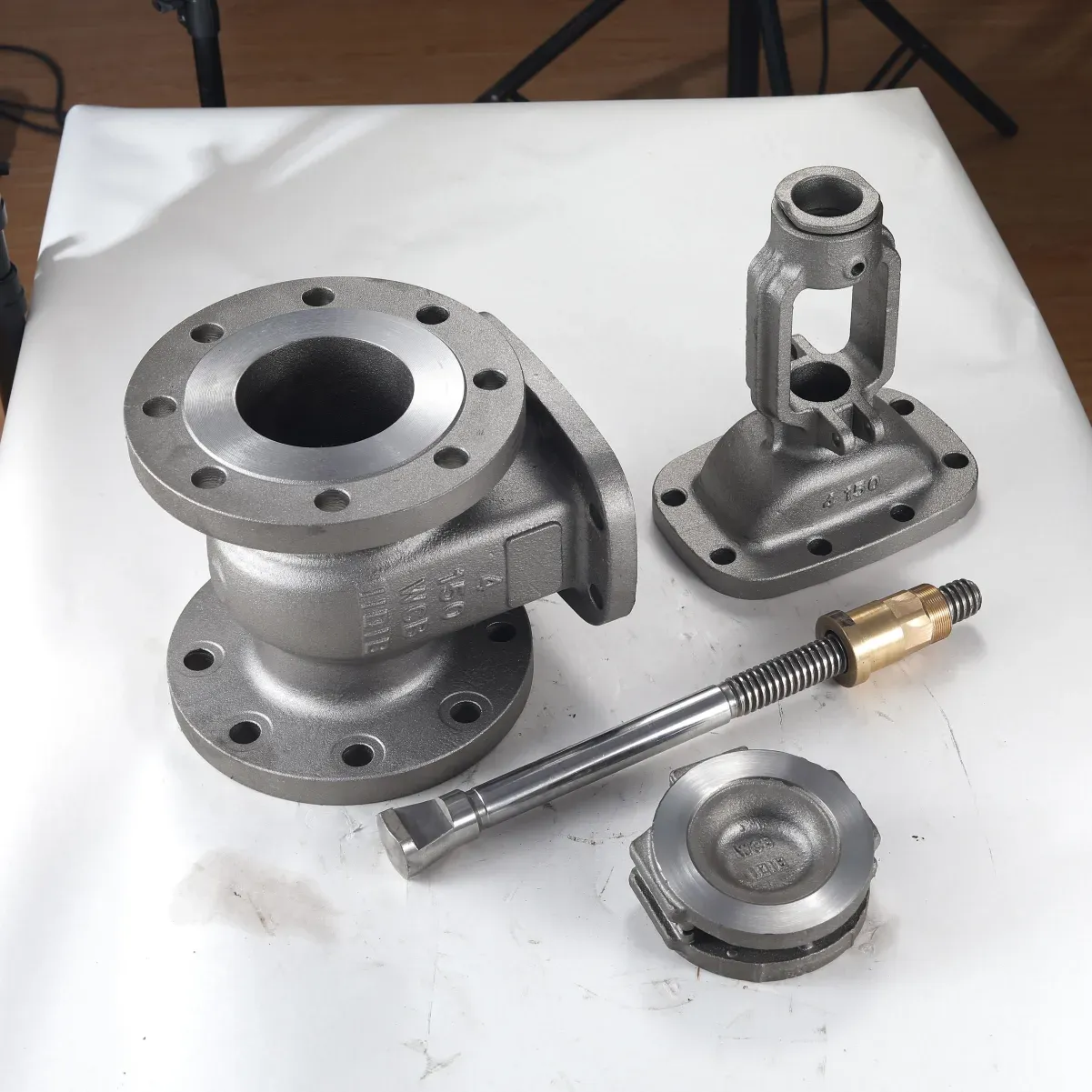
Introduction
Pipe union fittings are essential components in piping systems, designed to connect lengths of pipe or tubing while allowing for ease of disassembly and maintenance. Unlike welded or threaded connections, unions provide a mechanical means of joining pipes, enabling quick separation without disturbing the surrounding pipeline. Their technical position lies within the fluid transfer infrastructure, serving industries ranging from petrochemical and power generation to water treatment and HVAC. Core performance metrics include pressure rating, temperature tolerance, material compatibility with the conveyed fluid, and leak tightness. The critical need for reliable, easily maintained connections drives demand for high-quality pipe unions, especially in applications involving hazardous or corrosive media. The primary pain point in industry stems from selecting the appropriate union material and design to withstand specific operating conditions and prevent premature failure due to corrosion, erosion, or mechanical stress. Proper union selection minimizes downtime and ensures process safety.
Material Science & Manufacturing
Pipe unions are commonly manufactured from carbon steel (ASTM A53 Grade B, ASTM A106 Grade B), stainless steel (304/304L, 316/316L – per ASTM A312), ductile iron (ASTM A509), and various alloys (e.g., Monel, Inconel). Carbon steel offers high strength at a lower cost but is susceptible to corrosion. Stainless steels provide excellent corrosion resistance, making them ideal for demanding environments. Ductile iron offers a balance of strength and ductility. Material selection depends heavily on the fluid being transported and the operational temperature/pressure. Manufacturing processes typically involve forging or casting the union body, followed by machining to precise dimensions. Threaded ends are created via cutting or rolling. Critical parameters during forging and casting include controlled cooling rates to prevent the formation of undesirable microstructures (e.g., martensite in carbon steel, which can lead to cracking). Machining tolerances are critical for ensuring a leak-tight seal. Surface treatments such as galvanization, epoxy coating, or PTFE lining are applied to enhance corrosion resistance or provide a non-stick surface. Weld procedures, when applicable, must adhere to ASME Section IX standards. Non-destructive testing (NDT) methods like radiography and ultrasonic testing are routinely used to verify weld integrity and identify internal flaws. Gaskets, often made of PTFE, EPDM, or compressed fiber, are crucial sealing components and must be compatible with the process fluid to prevent degradation and leakage.
Performance & Engineering
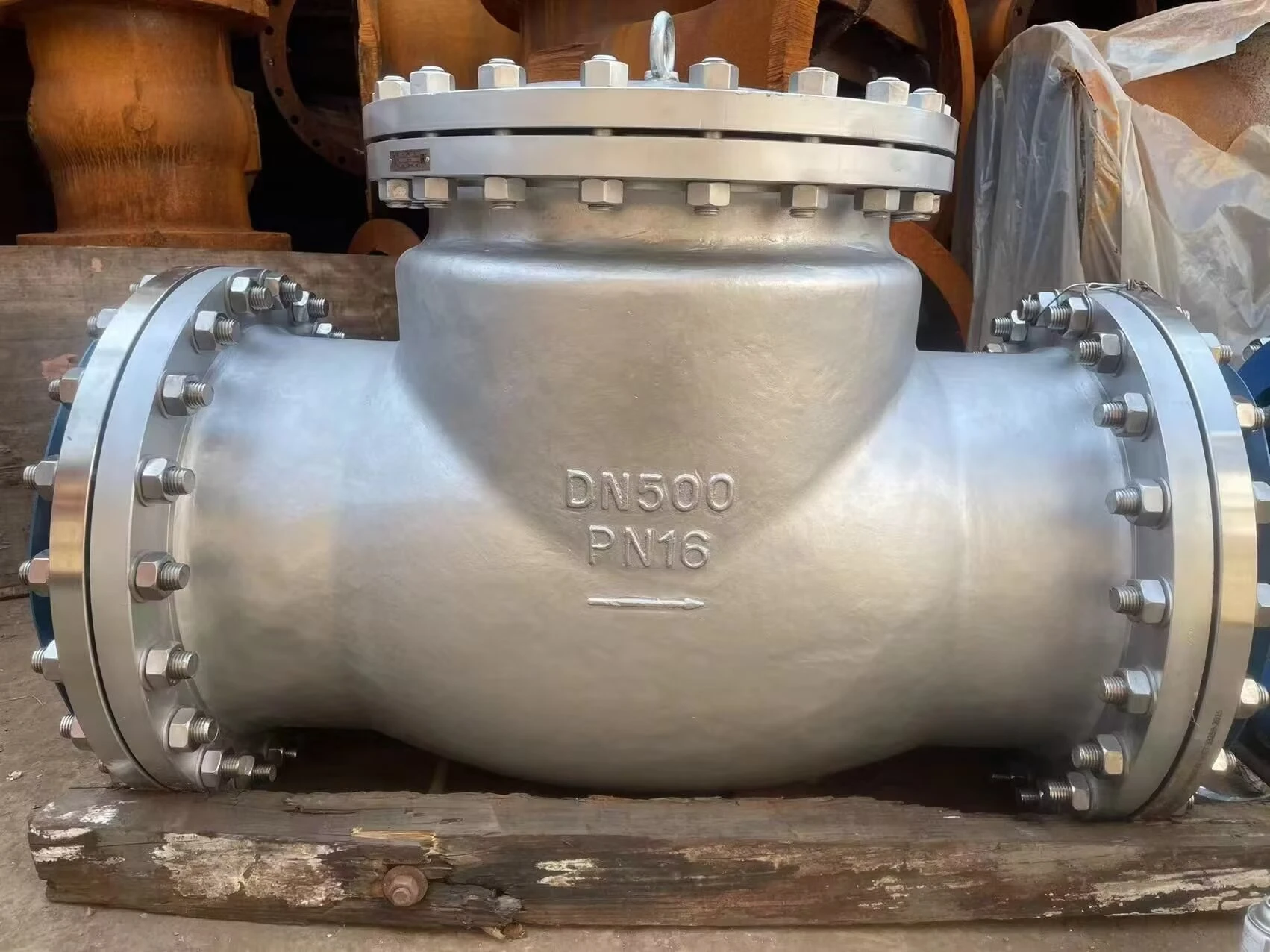
The performance of a pipe union is governed by several engineering principles. Stress analysis, using Finite Element Analysis (FEA), is performed to determine the union's ability to withstand internal pressure, external loads (e.g., pipe weight, thermal expansion), and bending moments. The gasket's compression and resilience are critical for maintaining a seal under varying conditions. Bolt torque specifications must be strictly adhered to during installation; over-tightening can damage the gasket or threads, while under-tightening can lead to leaks. Environmental resistance is a key consideration. Exposure to corrosive fluids, UV radiation, and extreme temperatures can degrade the union material and gasket, leading to failure. Compliance with industry standards like ASME B31.3 (Process Piping) and API 5L (Line Pipe Specifications) is essential for ensuring safe and reliable operation. Consideration must be given to thermal expansion and contraction of the pipe; unions provide a degree of flexibility, but excessive movement can stress the connection. Fatigue analysis is important in applications with cyclic loading. Creep, the tendency of a solid material to deform permanently under sustained stress, becomes a concern at elevated temperatures. The fluid's flow characteristics (velocity, viscosity, turbulence) can also impact union performance, potentially leading to erosion or vibration-induced fatigue.
Technical Specifications
| Parameter | Carbon Steel (A106 Gr. B) | Stainless Steel (316/316L) | Ductile Iron (A509) | PTFE Gasket |
|---|---|---|---|---|
| Pressure Rating (Max PSI) | 2000 | 3000 | 3000 | N/A (Dependent on Union Design) |
| Temperature Range (°F) | -30 to 400 | -325 to 650 | -20 to 500 | -400 to 500 |
| Tensile Strength (PSI) | 75,000 | 80,000 | 60,000 | N/A |
| Yield Strength (PSI) | 36,000 | 30,000 | 35,000 | N/A |
| Corrosion Resistance | Poor (Requires Coating) | Excellent | Moderate (Requires Coating) | Excellent (to most chemicals) |
| Standard Compliance | ASTM A106, ASME B31.3 | ASTM A312, ASME B31.3 | ASTM A509, ASME B31.3 | FDA Compliant (Specific Grades) |
Failure Mode & Maintenance
Common failure modes for pipe unions include: 1) Corrosion: Especially prevalent in carbon steel unions exposed to corrosive fluids or environments. Leads to material degradation and eventual leakage. 2) Gasket Failure: Degradation of the gasket material due to chemical incompatibility, temperature extremes, or excessive compression. Results in leaks. 3) Thread Stripping: Damage to the threads due to over-tightening, corrosion, or repeated assembly/disassembly. Compromises the connection's integrity. 4) Fatigue Cracking: Caused by cyclic loading and stress concentration, particularly in unions subjected to vibration or pressure fluctuations. 5) Erosion: Abrasion of the union material by abrasive particles in the fluid stream. 6) Creep Rupture: At high temperatures, sustained stress can lead to creep deformation and eventual failure. Maintenance involves regular visual inspection for signs of corrosion, leakage, or damage. Gaskets should be replaced periodically, based on the fluid type and operating conditions. Threaded connections should be inspected for damage and lubricated as needed. Bolt torque should be verified during reassembly. Non-destructive testing (NDT) can be employed to assess the integrity of the union body. Preventive maintenance programs, including corrosion monitoring and regular gasket replacement, are crucial for extending the service life of pipe unions.
Industry FAQ
Q: What is the primary difference between a full port and a reduced port union?
A: A full port union has an internal diameter equal to the pipe's inner diameter, minimizing flow restriction and pressure drop. A reduced port union has a smaller internal diameter, which can create turbulence and increase pressure drop but may be necessary for transitioning between different pipe sizes.
Q: How does temperature affect the performance of a PTFE gasket in a stainless steel union?
A: While PTFE offers a wide temperature range, extreme temperatures can affect its sealing performance. At lower temperatures, PTFE can become brittle. At higher temperatures, it can experience creep and lose its compressive strength. The stainless steel itself expands and contracts with temperature, potentially impacting gasket compression.
Q: What torque specification should I use when installing a carbon steel union with black iron pipe?
A: Torque specifications vary based on the pipe size and thread type. Generally, follow the manufacturer's recommendations. However, a common guideline for black iron pipe is to use a torque wrench and tighten to a level that provides a firm, leak-tight seal without stripping the threads. Use a thread sealant compatible with the fluid being conveyed.
Q: Is it acceptable to use a dissimilar metal union (e.g., carbon steel to stainless steel) in a system handling seawater?
A: It is generally not recommended to directly connect carbon steel to stainless steel in a seawater environment. The dissimilar metals can create a galvanic cell, leading to accelerated corrosion of the carbon steel. A dielectric union or isolating flange should be used to prevent this galvanic corrosion.
Q: What are the key considerations when selecting a union for a high-vibration application?
A: For high-vibration applications, choose a union with robust construction and locking mechanisms (e.g., lock washers, set screws) to prevent loosening. Consider using a welded union for added security, if feasible. Regular inspection and re-tightening of the connections are essential.
Conclusion
Pipe union fittings represent a critical, yet often understated, element within piping infrastructure. Their ability to facilitate quick disassembly and maintenance, combined with appropriate material selection and adherence to engineering principles, is paramount for ensuring the reliability and safety of fluid transfer systems. The performance characteristics—pressure rating, temperature tolerance, and material compatibility—must align precisely with application demands to prevent premature failure and costly downtime.
Future advancements in union fitting technology will likely focus on the development of self-sealing mechanisms, smart unions with integrated sensors for leak detection and condition monitoring, and the use of advanced materials with enhanced corrosion resistance and mechanical properties. A continued emphasis on standardization and robust quality control will remain essential to ensure the long-term performance and integrity of these vital components.
-
Top Reasons to Choose a Stainless Steel Flange Check Valve for Industrial Applications
-
12 inch check valve Performance Analysis
-
lift check valves Performance Engineering
-
check valve 12 inch Performance Analysis
-
stop check valve Performance Analysis
-
check stop valve Performance Analysis
-
stop check valves Performance Analysis
-
pilot operated check valve Performance Analysis
-
spring loaded check valve Material Science Manufacturing
-
pilot operated check valves Performance Analysis
-
check valve pilot operated Performance Analysis
-
1 4 in check valve Performance Engineering
-
check valve 3 4 Performance Analysis
-
11 2 check valve Performance Analysis
-
spring check valve Material Science Manufacturing
 Afrikaans
 Albanian
 Amharic
 Arabic
 Armenian
 Azerbaijani
 Basque
 Belarusian
 Bengali
 Bosnian
 Bulgarian
 Catalan
 Cebuano
 Corsican
 Croatian
 Czech
Czech
 Danish
 Dutch
Dutch
 Esperanto
 Estonian
 Finnish
 French
 Frisian
 Galician
 Georgian
 German
 Greek
Greek
 Gujarati
 Haitian Creole
 Hausa
Hawaiian
Hausa
Hawaiian
 Hebrew
 Hindi
Hindi
 Miao
Miao
 Hungarian
 Icelandic
 Igbo
Igbo
 Indonesian
 Irish
Irish
 Italian
 Japanese
 Javanese
Kannada
Javanese
Kannada
 Kazakh
 Khmer
Khmer
 Rwandese
 Korean
 Kurdish
 Kyrgyz
 Lao
Lao
 Latin
Latin
 Latvian
 Lithuanian
 Luxembourgish
 Macedonian
 Malgashi
 Malay
Malay
 Malayalam
 Maltese
 Maori
Maori
 Marathi
 Mongolian
 Myanmar
 Nepali
 Norwegian
 Norwegian
 Occitan
 Pashto
 Persian
 Polish
 Portuguese
Punjabi
Portuguese
Punjabi
 Romanian
 Russian
 Samoan
 Scottish Gaelic
 Serbian
 Sesotho
 Shona
Shona
 Sindhi
 Sinhala
 Slovak
 Slovenian
 Somali
 Spanish
 Sundanese
 Swahili
 Swedish
Tagalog
Swedish
Tagalog
 Tajik
Tajik
 Tamil
Tamil
 Tatar
Tatar
 Telugu
 Thai
Thai
 Turkish
 Turkmen
 Ukrainian
 Urdu
Urdu
 Uighur
 Uzbek
Uzbek
 Vietnamese
 Welsh
Welsh
 Bantu
Bantu
 Yiddish
 Yoruba
 Zulu
Zulu
 English