




pipe valve and fittings Performance Engineering
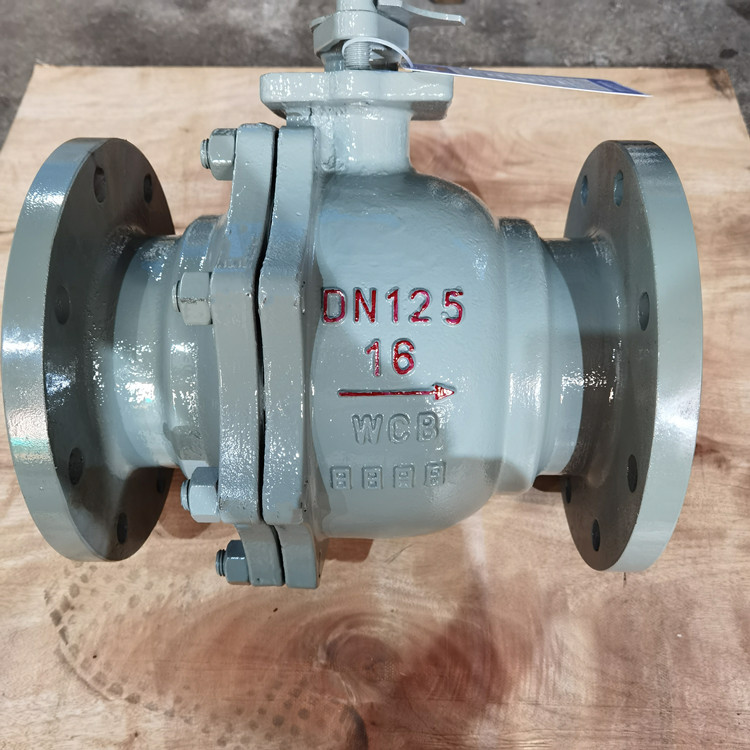
Introduction
Pipe valves and fittings are essential components in fluid conveyance systems, forming a critical link in industries ranging from oil and gas and petrochemical processing to water distribution and power generation. These components regulate, direct, and control the flow of fluids – liquids, gases, and slurries – through piping networks. Valves control flow, while fittings connect pipe sections, change flow direction, or split/combine flows. The selection of appropriate valves and fittings is paramount for system efficiency, safety, and longevity. The industry faces ongoing challenges related to corrosion, erosion, high-pressure/high-temperature applications, and increasingly stringent environmental regulations, driving innovation in materials, designs, and manufacturing techniques. Core performance indicators center around leak tightness, pressure drop, flow capacity, and operational reliability, directly impacting operational costs and environmental impact.
Material Science & Manufacturing
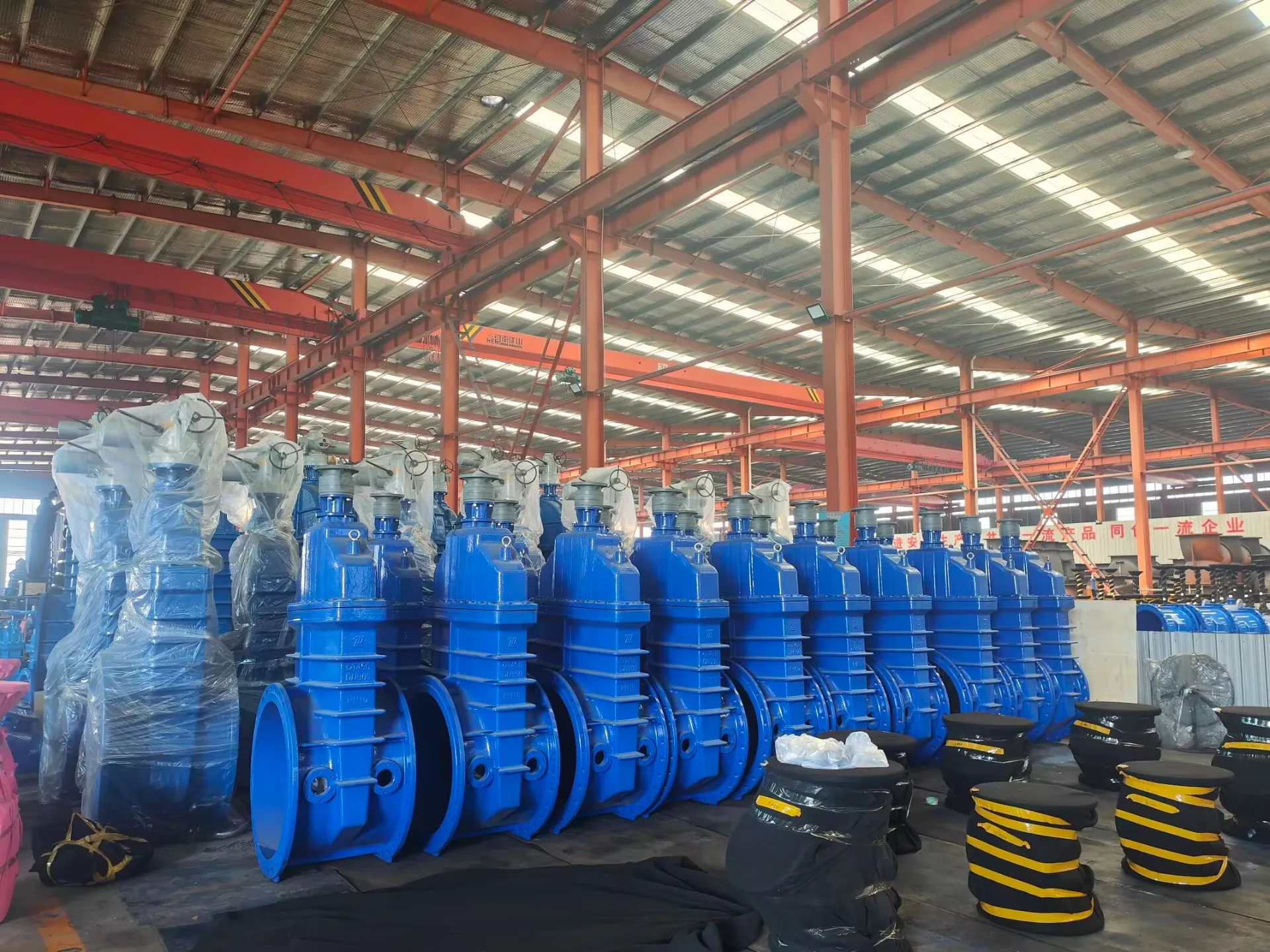
The materials employed in pipe valve and fitting manufacture are dictated by the service conditions, fluid compatibility, and required mechanical properties. Common materials include carbon steel (ASTM A53, A106), stainless steel (304, 316, duplex grades – ASTM A240), alloy steels (ASTM A350), cast iron (ASTM A48, A126), and non-ferrous alloys like brass (ASTM B16) and bronze (ASTM B62). Polymers, such as PTFE (Teflon), PVC, CPVC, and polypropylene, are utilized for liners, seals, and lower-pressure applications. Manufacturing processes vary significantly by component type and material. Valves often involve casting, forging, machining, and welding. Gate valves and globe valves frequently utilize casting followed by extensive machining to achieve precise sealing surfaces. Ball valves are frequently manufactured through forging and precision machining. Fittings rely on processes like forging, extrusion, machining, and welding. For thermoplastic fittings, injection molding and extrusion are dominant. Parameter control is critical throughout. For welding, heat input, shielding gas composition, and post-weld heat treatment are key variables. Casting requires precise mold temperature and pouring rates to avoid porosity and defects. Machining demands tight tolerances to ensure proper valve seat sealing and fitting dimensions. Non-destructive testing (NDT) methods like radiography, ultrasonic testing, and liquid penetrant inspection are vital quality control measures.
Performance & Engineering
Valve and fitting performance is assessed through rigorous engineering analysis and testing. Pressure-temperature ratings (ANSI/ASME B16.34) define the maximum allowable working pressure at a given temperature. Flow coefficient (Cv) quantifies the valve's capacity to pass fluid with minimal pressure drop. Leak tightness is evaluated using seat leak tests (FCI 70-2) to ensure minimal fugitive emissions. For dynamic applications, fatigue analysis is conducted to predict component lifespan under cyclic loading. Finite Element Analysis (FEA) is employed to model stress distribution within valve bodies and fittings under various operating conditions, identifying potential failure points. Environmental resistance is assessed through corrosion testing (ASTM B117 – salt spray testing) and erosion tests. Compliance with industry standards like API 6D (for quarter-turn valves) and API 600 (for gate valves) is mandatory. Proper selection considers fluid velocity, viscosity, and the potential for cavitation or water hammer, which can cause significant damage. Material selection must consider the chemical compatibility with the conveyed fluid to prevent corrosion or degradation. Consideration of thermal expansion/contraction is crucial in piping system design to prevent stress on the valves and fittings.
Technical Specifications
| Valve Type | Material | Pressure Rating (PSI) | Temperature Range (°C) |
|---|---|---|---|
| Gate Valve | Carbon Steel (A105) | 2000 | -29 to 371 |
| Globe Valve | Stainless Steel (316) | 1500 | -196 to 427 |
| Ball Valve | Brass (B16) | 600 | -15 to 175 |
| Check Valve | Cast Iron (A126) | 125 | 0 to 82 |
| 90° Elbow (Threaded) | PVC | 145 | 0 to 60 |
| Tee (Socket Weld) | Stainless Steel (304) | 2000 | -196 to 371 |
Failure Mode & Maintenance
Common failure modes in pipe valves and fittings include corrosion (galvanic, pitting, stress corrosion cracking), erosion (particularly in high-velocity fluid streams), fatigue cracking (due to cyclic loading), seat leakage (caused by wear, erosion, or foreign particle damage), and cavitation (leading to pitting and erosion). For valves, stem packing failure can result in leakage. In fittings, thread stripping, weld defects, and material degradation are frequent issues. Failure analysis often involves metallographic examination, fracture surface analysis, and chemical composition analysis to identify root causes. Preventive maintenance is crucial. This includes regular inspection for corrosion, erosion, and leakage; lubrication of valve stems and operators; torque checks on bolted connections; and replacement of worn seals and packing. Non-destructive testing (NDT) should be performed periodically to detect hidden flaws. Proper cleaning and removal of debris from valve internals can prevent seat damage. For systems handling corrosive fluids, regular corrosion monitoring and the implementation of appropriate corrosion inhibitors are essential. Scheduled replacement of components based on predicted lifespan, rather than waiting for failure, is a best practice.
Industry FAQ
Q: What is the primary difference between a gate valve and a ball valve in terms of flow control?
A: Gate valves primarily offer on/off control with minimal pressure drop when fully open, but are not suitable for throttling. They are best for isolating sections of piping. Ball valves provide both on/off and throttling capabilities due to the rotating ball design, but can exhibit slightly higher pressure drop even when fully open compared to gate valves.
Q: How does the material selection impact the lifespan of fittings in a seawater application?
A: Seawater is highly corrosive due to its chloride content. Carbon steel fittings will corrode rapidly. Stainless steel alloys (316, duplex) and specialized alloys like titanium or super duplex stainless steel are essential for prolonged lifespan. Even with these alloys, cathodic protection or coatings may be necessary.
Q: What are the key considerations when specifying a valve for high-temperature service?
A: Material selection is paramount. Alloys must maintain their mechanical properties at elevated temperatures. Gasket and seal materials must also be compatible with the temperature and fluid. Thermal expansion must be accounted for in the valve design and piping layout to avoid stress. Pressure-temperature ratings must be strictly adhered to.
Q: What is the significance of ‘FCI 70-2’ in valve testing?
A: FCI 70-2 is a standard for seat leak testing of valves. It defines the acceptable leak rates for different valve classes and sizes, ensuring minimal fugitive emissions. Meeting FCI 70-2 standards is critical for environmental compliance and safety.
Q: How can cavitation be prevented in control valves handling liquid fluids?
A: Cavitation occurs when liquid pressure drops below its vapor pressure, forming bubbles that collapse and cause damage. Preventive measures include increasing valve size to reduce velocity, using multi-stage valves to reduce pressure drop, and ensuring adequate upstream pressure.
Conclusion
The selection, application, and maintenance of pipe valves and fittings are fundamental to the safe and efficient operation of fluid handling systems. A comprehensive understanding of material science, manufacturing processes, performance engineering, and potential failure modes is critical for ensuring system reliability and minimizing lifecycle costs. The industry’s relentless pursuit of improved materials, advanced manufacturing techniques, and robust testing protocols is driven by the demanding requirements of diverse applications and increasingly stringent regulatory pressures.
Moving forward, advancements in areas such as predictive maintenance leveraging sensor data and AI, the development of novel corrosion-resistant alloys, and the increasing adoption of digital valve controllers (DVCs) will further enhance the performance and longevity of these critical components. A proactive approach to maintenance, coupled with a deep understanding of fluid dynamics and material behavior, will be vital in addressing the evolving challenges faced by industries reliant on effective fluid conveyance systems.
-
Top Reasons to Choose a Stainless Steel Flange Check Valve for Industrial Applications
-
electric check valve Performance Engineering
-
electric check valves Performance Analysis
-
Threaded Check Valves Performance Analysis
-
6 inch check valve Performance Analysis
-
8 check valve Performance Analysis
-
diaphragm check valve Material Science Manufacturing
-
dual plate check valve Performance Analysis
-
check valve 6 inch Material Science
-
diaphragm check valves Performance Analysis
-
dual plate check valves Performance Analysis
-
vertical check valves Material Science Manufacturing
-
8 check valves Performance Analysis
-
refrigeration check valves Performance Analysis
-
pilot check valve Performance Analysis
 Afrikaans
 Albanian
 Amharic
 Arabic
 Armenian
 Azerbaijani
 Basque
 Belarusian
 Bengali
 Bosnian
 Bulgarian
 Catalan
 Cebuano
 Corsican
 Croatian
 Czech
Czech
 Danish
 Dutch
Dutch
 Esperanto
 Estonian
 Finnish
 French
 Frisian
 Galician
 Georgian
 German
 Greek
Greek
 Gujarati
 Haitian Creole
 Hausa
Hawaiian
Hausa
Hawaiian
 Hebrew
 Hindi
Hindi
 Miao
Miao
 Hungarian
 Icelandic
 Igbo
Igbo
 Indonesian
 Irish
Irish
 Italian
 Japanese
 Javanese
Kannada
Javanese
Kannada
 Kazakh
 Khmer
Khmer
 Rwandese
 Korean
 Kurdish
 Kyrgyz
 Lao
Lao
 Latin
Latin
 Latvian
 Lithuanian
 Luxembourgish
 Macedonian
 Malgashi
 Malay
Malay
 Malayalam
 Maltese
 Maori
Maori
 Marathi
 Mongolian
 Myanmar
 Nepali
 Norwegian
 Norwegian
 Occitan
 Pashto
 Persian
 Polish
 Portuguese
Punjabi
Portuguese
Punjabi
 Romanian
 Russian
 Samoan
 Scottish Gaelic
 Serbian
 Sesotho
 Shona
Shona
 Sindhi
 Sinhala
 Slovak
 Slovenian
 Somali
 Spanish
 Sundanese
 Swahili
 Swedish
Tagalog
Swedish
Tagalog
 Tajik
Tajik
 Tamil
Tamil
 Tatar
Tatar
 Telugu
 Thai
Thai
 Turkish
 Turkmen
 Ukrainian
 Urdu
Urdu
 Uighur
 Uzbek
Uzbek
 Vietnamese
 Welsh
Welsh
 Bantu
Bantu
 Yiddish
 Yoruba
 Zulu
Zulu
 English