




Pipe Valve Fitting Performance Analysis
Introduction
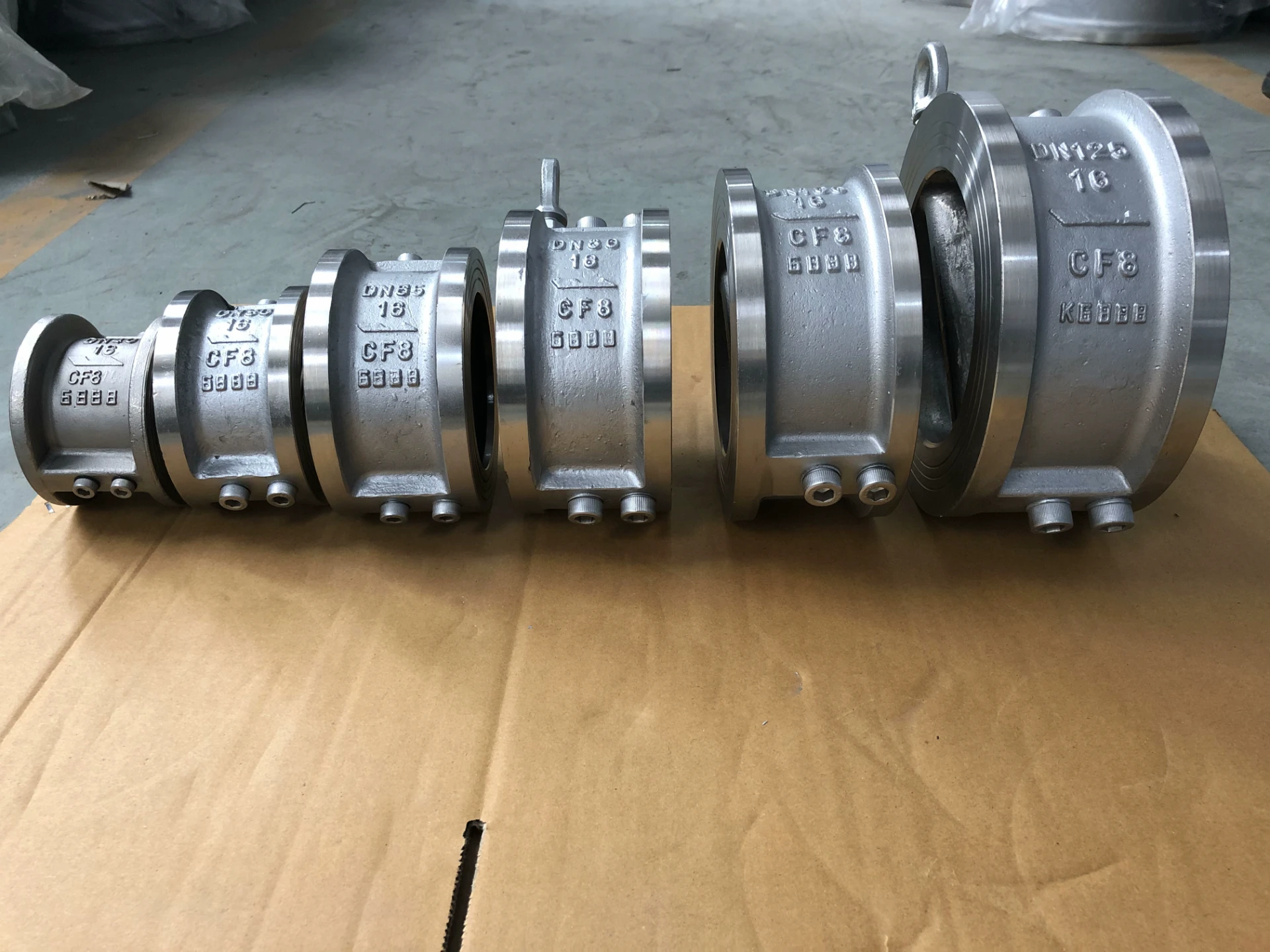
Pipe valve fittings are critical components in fluid handling systems across numerous industries, including oil and gas, chemical processing, water treatment, and power generation. These fittings connect pipes, valves, pumps, and other equipment, ensuring the safe and efficient transport of liquids, gases, or slurries. They serve as essential interfaces, adapting to differing pipe sizes, materials, and connection types. Their performance is dictated by pressure ratings, temperature tolerance, material compatibility, and adherence to stringent industry standards. A comprehensive understanding of pipe valve fitting design, material science, manufacturing processes, and potential failure modes is crucial for ensuring system integrity, minimizing downtime, and maintaining operational safety. This guide provides an in-depth exploration of these aspects, targeting engineers, procurement professionals, and maintenance personnel involved in the selection, installation, and upkeep of pipe valve fitting systems. The core pain point in the industry is maintaining long-term reliability under harsh operating conditions while complying with increasingly complex regulatory requirements.
Material Science & Manufacturing
The performance of pipe valve fittings is fundamentally linked to the materials used in their construction. Common materials include carbon steel (ASTM A53 Grade B, API 5L), stainless steel (304/304L, 316/316L – ASTM A370), alloy steel (ASTM A182 F22), ductile iron (ASTM A509), and various polymers (PVC, CPVC, PP, PVDF). Carbon steel offers high strength and cost-effectiveness but is susceptible to corrosion. Stainless steels provide excellent corrosion resistance but at a higher cost. Alloy steels are utilized for high-temperature and high-pressure applications. Polymers are favored for their chemical resistance and lightweight properties. Manufacturing processes vary depending on the fitting type and material. For metallic fittings, forging, casting, machining, and welding are prominent. Forging offers superior strength due to grain flow alignment. Casting is suitable for complex geometries. Machining provides precision and surface finish. Welding is crucial for joining components and requires meticulous control of parameters like heat input, shielding gas composition, and weld bead geometry to prevent defects such as porosity, cracks, and incomplete fusion. Polymer fittings are typically manufactured via injection molding or extrusion, demanding precise temperature and pressure control to achieve desired dimensions and material properties. Post-processing treatments like annealing, quenching, tempering, pickling, passivation, and coating are employed to enhance material properties and corrosion resistance. Material traceability and adherence to material specifications are paramount.
Performance & Engineering
The engineering performance of pipe valve fittings hinges on their ability to withstand internal pressure, external loads, temperature fluctuations, and chemical attack. Pressure ratings (ANSI/ASME B16.5, EN 1092) define the maximum allowable operating pressure at a specified temperature. Stress analysis, utilizing Finite Element Analysis (FEA) software, is routinely employed to assess the structural integrity of fittings under various loading conditions. Factors of safety are incorporated to account for uncertainties in material properties, manufacturing tolerances, and operating conditions. Thermal expansion and contraction must be considered during system design to prevent stress concentrations and potential leaks. Fluid flow characteristics, including pressure drop and turbulence, are analyzed to optimize system performance. Compatibility with the conveyed fluid is critical to prevent corrosion, erosion, or degradation of the fitting material. For fittings used in seismic zones, seismic qualification testing (IEEE 693) is required to ensure they can withstand earthquake loading. Leak testing, employing pneumatic or hydrostatic pressure, is conducted to verify the integrity of the seal. The selection of appropriate gasket materials (e.g., PTFE, graphite, elastomer) is crucial for achieving a leak-tight seal over a wide range of temperatures and pressures. Compliance with relevant codes and standards (ASME Section VIII, Div. 1; PED 2014/68/EU) is mandatory.
Technical Specifications
| Parameter | Carbon Steel (A53 Gr. B) | Stainless Steel (316L) | Ductile Iron (A509) | PVC (Schedule 80) |
|---|---|---|---|---|
| Maximum Operating Pressure (PSI) | 745 | 650 | 450 | 400 |
| Temperature Range (°F) | -30 to 400 | -325 to 650 | -20 to 450 | -40 to 140 |
| Tensile Strength (MPa) | 483 | 517 | 400 | 55 |
| Yield Strength (MPa) | 241 | 207 | 207 | N/A |
| Corrosion Resistance | Low (requires coating) | Excellent | Moderate (requires coating) | Excellent (to many chemicals) |
| Weight per Unit Length (lbs/ft) | Varies by size/schedule | Varies by size/schedule | Varies by size/schedule | Varies by size/schedule |
Failure Mode & Maintenance
Pipe valve fittings are susceptible to several failure modes. Corrosion, particularly in carbon steel fittings, is a common issue, leading to pitting, cracking, and eventual leakage. Erosion, caused by abrasive particles in the fluid stream, can wear away material and compromise structural integrity. Fatigue cracking, resulting from cyclic loading, can occur at stress concentration points. Creep, a time-dependent deformation under sustained stress, is a concern at elevated temperatures. Gasket failure, due to degradation, improper installation, or excessive compression, can lead to leaks. Thread damage, caused by improper tightening or cross-threading, can compromise the connection. Hydrogen embrittlement, particularly in high-strength steels, can lead to brittle fracture. Regular inspection is crucial for detecting potential failures. Visual inspection should identify signs of corrosion, erosion, cracking, and leakage. Non-destructive testing (NDT) methods, such as ultrasonic testing (UT), radiographic testing (RT), and liquid penetrant testing (PT), can detect subsurface flaws. Preventive maintenance, including lubrication of threads, replacement of worn gaskets, and application of protective coatings, can extend the service life of fittings. Proper torqueing procedures are essential during installation and maintenance. Record keeping of inspection and maintenance activities is vital for tracking performance and identifying trends.
Industry FAQ
Q: What are the critical factors to consider when selecting a fitting material for a highly corrosive environment?
A: When dealing with highly corrosive environments, material selection is paramount. Stainless steel alloys, particularly 316/316L, offer excellent resistance to a broad range of corrosive media. However, the specific corrosive agent must be considered. For example, in chloride-rich environments, super austenitic stainless steels or nickel alloys may be necessary. Polymer fittings, such as those made from PTFE or PVDF, provide superior resistance to many acids and bases. A thorough chemical compatibility analysis is essential to ensure the fitting material will not degrade or corrode in the intended application.
Q: How does welding affect the mechanical properties of carbon steel fittings?
A: Welding introduces a Heat-Affected Zone (HAZ) around the weld, which can alter the microstructure and mechanical properties of the base metal. The HAZ can experience reduced ductility and increased hardness, making it susceptible to cracking. Proper welding procedures, including preheating, post-weld heat treatment (PWHT), and use of appropriate filler metals, are crucial to mitigate these effects. Maintaining a low heat input and using shielding gas composition that minimizes hydrogen pickup are also important. Post-weld inspection, including radiographic and ultrasonic testing, should be performed to detect any weld defects.
Q: What is the significance of the 'factor of safety' in pipe valve fitting design?
A: The factor of safety (FOS) is a design parameter that ensures the fitting can withstand loads beyond its expected operating conditions. It accounts for uncertainties in material properties, manufacturing tolerances, loading conditions, and potential environmental factors. A higher FOS indicates a more conservative design. The appropriate FOS depends on the application’s criticality and the potential consequences of failure. Typically, FOS values range from 3 to 4 for static loading and higher for fatigue loading.
Q: What are the key considerations for the proper installation of threaded pipe valve fittings?
A: Proper installation of threaded fittings is critical to prevent leaks and ensure long-term reliability. Threads must be clean and free of debris. A suitable thread sealant (e.g., PTFE tape, pipe dope) should be applied to ensure a leak-tight seal. Fittings should be tightened to the manufacturer's recommended torque specifications, avoiding over-tightening, which can damage the threads. Proper alignment of the fitting is also essential. Utilizing calibrated torque wrenches and following established installation procedures are best practices.
Q: How often should a comprehensive inspection of pipe valve fittings be conducted?
A: The frequency of inspection depends on the severity of the operating conditions, the criticality of the application, and regulatory requirements. A risk-based inspection (RBI) program should be implemented to prioritize inspection efforts. Typically, a visual inspection should be conducted at least annually, with more frequent inspections for high-risk applications. NDT methods should be employed periodically (e.g., every 3-5 years) to detect subsurface flaws. Records of all inspection and maintenance activities should be maintained for future reference.
Conclusion
Pipe valve fittings are indispensable components in countless industrial processes, demanding a meticulous understanding of their material properties, manufacturing techniques, and performance characteristics. Ensuring long-term reliability necessitates careful consideration of operating conditions, adherence to industry standards, and proactive maintenance practices. The selection of appropriate materials, coupled with sound engineering design and rigorous quality control, is paramount for mitigating failure modes such as corrosion, erosion, and fatigue.
Looking ahead, advancements in materials science, such as the development of more corrosion-resistant alloys and high-performance polymers, will continue to enhance the durability and lifespan of pipe valve fittings. The increasing adoption of digital technologies, including sensor-based monitoring and predictive maintenance analytics, will enable more efficient and effective inspection and maintenance strategies. Continuous improvement in manufacturing processes, driven by automation and data analytics, will lead to higher quality and more consistent products.
-
Top Reasons to Choose a Stainless Steel Flange Check Valve for Industrial Applications
-
electric check valve Performance Engineering
-
electric check valves Performance Analysis
-
Threaded Check Valves Performance Analysis
-
6 inch check valve Performance Analysis
-
8 check valve Performance Analysis
-
diaphragm check valve Material Science Manufacturing
-
dual plate check valve Performance Analysis
-
check valve 6 inch Material Science
-
diaphragm check valves Performance Analysis
-
dual plate check valves Performance Analysis
-
vertical check valves Material Science Manufacturing
-
8 check valves Performance Analysis
-
refrigeration check valves Performance Analysis
-
pilot check valve Performance Analysis
 Afrikaans
 Albanian
 Amharic
 Arabic
 Armenian
 Azerbaijani
 Basque
 Belarusian
 Bengali
 Bosnian
 Bulgarian
 Catalan
 Cebuano
 Corsican
 Croatian
 Czech
Czech
 Danish
 Dutch
Dutch
 Esperanto
 Estonian
 Finnish
 French
 Frisian
 Galician
 Georgian
 German
 Greek
Greek
 Gujarati
 Haitian Creole
 Hausa
Hawaiian
Hausa
Hawaiian
 Hebrew
 Hindi
Hindi
 Miao
Miao
 Hungarian
 Icelandic
 Igbo
Igbo
 Indonesian
 Irish
Irish
 Italian
 Japanese
 Javanese
Kannada
Javanese
Kannada
 Kazakh
 Khmer
Khmer
 Rwandese
 Korean
 Kurdish
 Kyrgyz
 Lao
Lao
 Latin
Latin
 Latvian
 Lithuanian
 Luxembourgish
 Macedonian
 Malgashi
 Malay
Malay
 Malayalam
 Maltese
 Maori
Maori
 Marathi
 Mongolian
 Myanmar
 Nepali
 Norwegian
 Norwegian
 Occitan
 Pashto
 Persian
 Polish
 Portuguese
Punjabi
Portuguese
Punjabi
 Romanian
 Russian
 Samoan
 Scottish Gaelic
 Serbian
 Sesotho
 Shona
Shona
 Sindhi
 Sinhala
 Slovak
 Slovenian
 Somali
 Spanish
 Sundanese
 Swahili
 Swedish
Tagalog
Swedish
Tagalog
 Tajik
Tajik
 Tamil
Tamil
 Tatar
Tatar
 Telugu
 Thai
Thai
 Turkish
 Turkmen
 Ukrainian
 Urdu
Urdu
 Uighur
 Uzbek
Uzbek
 Vietnamese
 Welsh
Welsh
 Bantu
Bantu
 Yiddish
 Yoruba
 Zulu
Zulu
 English