




Pipe Valve Fittings Performance Analysis
Introduction
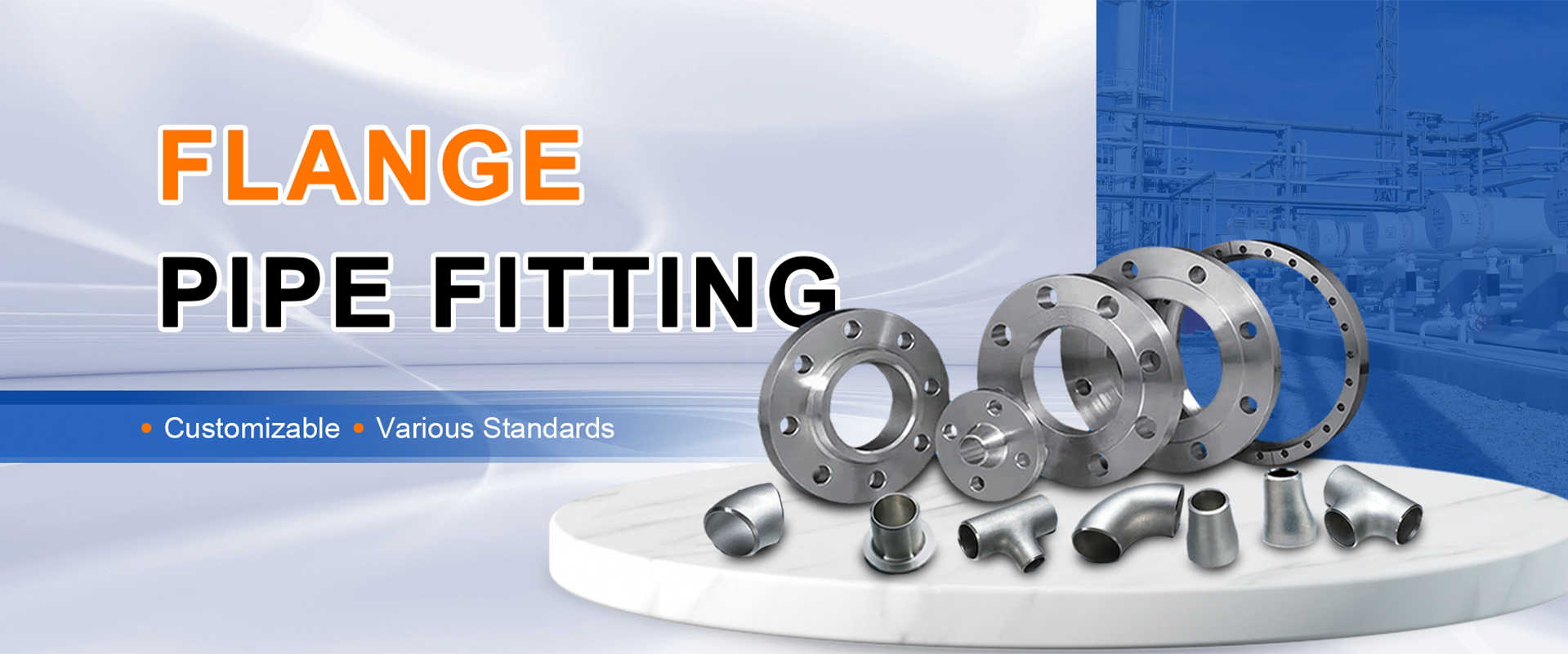
Pipe valve fittings represent a critical component within fluid handling systems across numerous industries including oil and gas, chemical processing, water treatment, and power generation. These fittings facilitate the connection of pipes, valves, and other equipment, enabling the controlled conveyance of liquids, gases, and slurries. Their technical position in the industry chain is foundational; failure impacts system integrity and operational efficiency. Core performance characteristics are defined by pressure rating, material compatibility with the conveyed fluid, leak tightness, and resistance to corrosion and erosion. The selection of appropriate fittings is paramount to ensure system safety, reliability, and longevity, and addresses key industry pain points such as maintaining process integrity, minimizing downtime due to leaks or failures, and complying with stringent safety and environmental regulations.
Material Science & Manufacturing
The materials used in pipe valve fittings are diverse, dictated by application requirements. Carbon steel (ASTM A53 Grade B, A106 Grade B) is common for moderate temperature and pressure applications, offering a balance of strength and cost. Stainless steel (304/304L, 316/316L – ASTM A358) provides superior corrosion resistance and is deployed in aggressive chemical environments. Alloy steels (e.g., Chrome-Moly – ASTM A335) are utilized for high-temperature, high-pressure services. More specialized materials such as duplex stainless steels (UNS S31803, S32205) and nickel alloys (Inconel, Hastelloy) are employed for exceptionally corrosive or extreme temperature conditions.
Manufacturing processes vary based on fitting type and material. Forging is prevalent for larger, high-pressure fittings, resulting in a favorable grain structure and enhanced mechanical properties. Seamless pipe fabrication involves processes like extrusion and drawing. Welded fittings (butt welding, fillet welding – AWS D1.1) require rigorous quality control, including non-destructive testing (NDT) such as radiographic testing (RT), ultrasonic testing (UT), and liquid penetrant testing (PT) to ensure weld integrity. Injection molding is used for plastic fittings (PVC, CPVC, PP - ASTM D1785), demanding precise temperature and pressure control to prevent defects like sink marks and weld lines. Key parameter control includes chemical composition verification, mechanical property testing (tensile strength, yield strength, elongation, hardness), and dimensional accuracy checks per ASME B16.11 and MSS SP-97 standards.
Performance & Engineering
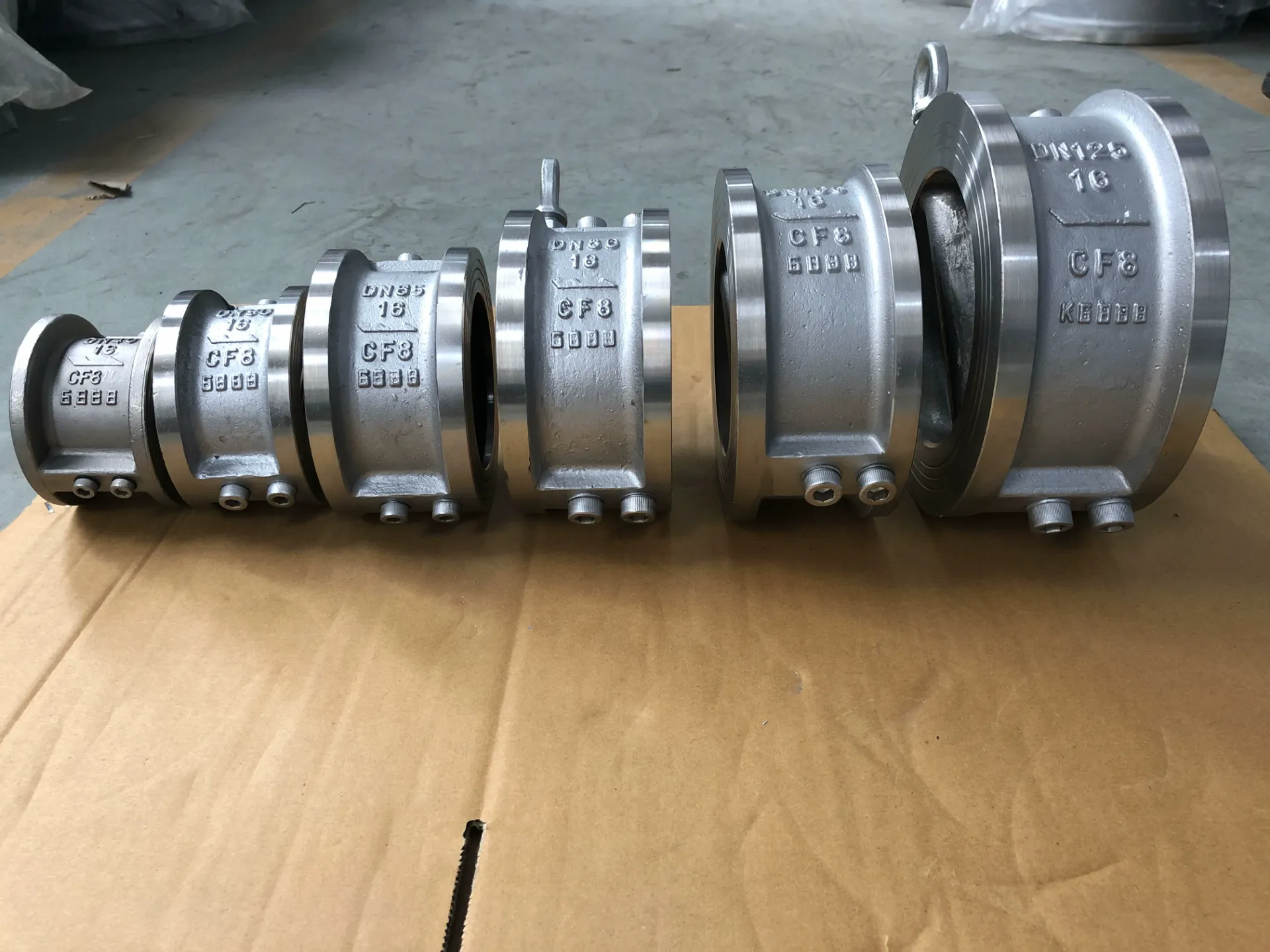
The performance of pipe valve fittings is fundamentally governed by pressure containment and flow characteristics. Force analysis, particularly stress analysis via Finite Element Analysis (FEA), is critical to determine the structural integrity under internal pressure, external loads (weight, seismic activity), and thermal stresses. The von Mises stress is a primary metric used to evaluate potential yielding or fracture. Environmental resistance is a major consideration; corrosion mechanisms (uniform corrosion, pitting corrosion, crevice corrosion, galvanic corrosion) are mitigated through material selection and protective coatings. Compliance requirements stem from industry-specific regulations such as ASME B31.3 (Process Piping), API 5L (Line Pipe Specifications), and PED (Pressure Equipment Directive) for European markets. Functional implementation demands consideration of flow resistance (pressure drop), cavitation (formation of vapor bubbles leading to erosion), and water hammer (pressure surges due to rapid valve closure). Thread sealing relies on proper thread engagement and the use of thread sealant compounds (PTFE tape, anaerobic adhesives) to prevent leakage. Flanged connections necessitate appropriate gasket selection (spiral wound, ring joint) and bolting torque to achieve a leak-tight seal as defined by ASME PCC-1.
Technical Specifications
| Material Grade | Pressure Rating (PSI) | Temperature Range (°F) | Connection Type |
|---|---|---|---|
| Carbon Steel (A53 Grade B) | 600 | -30 to 300 | Threaded, Socket Weld, Butt Weld |
| Stainless Steel (304/304L) | 600 | -325 to 650 | Threaded, Socket Weld, Butt Weld, Flanged |
| Stainless Steel (316/316L) | 600 | -325 to 650 | Threaded, Socket Weld, Butt Weld, Flanged |
| Alloy Steel (A335 P11) | 2600 | -20 to 850 | Butt Weld, Flanged |
| PVC (Schedule 80) | 400 | 32 to 140 | Socket Weld, Threaded |
| CPVC (Schedule 80) | 300 | 32 to 194 | Socket Weld, Threaded |
Failure Mode & Maintenance
Pipe valve fitting failures typically arise from several modes. Fatigue cracking can occur in components subjected to cyclic loading, particularly in welded joints. Corrosion, both localized (pitting, crevice) and generalized, degrades material strength and can lead to leaks. Erosion, especially in high-velocity fluid streams, removes material from internal surfaces. Thread failures result from improper installation (over-tightening, cross-threading) or corrosion. Gasket failures are caused by material degradation, improper compression, or incompatibility with the process fluid.
Maintenance solutions include regular visual inspections for corrosion, leaks, and physical damage. Non-destructive testing (NDT) such as ultrasonic thickness testing (UTT) can assess wall thinning due to corrosion. Torque checks on bolted connections ensure proper gasket compression. Preventative replacement of gaskets and fittings based on service life and process conditions minimizes unscheduled downtime. For plastic fittings, UV exposure can lead to degradation, requiring protective shielding or material upgrades. Lubrication of threaded connections prevents galling and facilitates disassembly. Proper cleaning and removal of debris prevents blockage and maintains flow rates.
Industry FAQ
Q: What is the primary difference between NPT and BSPT threads, and when should each be used?
A: NPT (National Pipe Tapered) threads are 60-degree tapered threads commonly used in North America. BSPT (British Standard Pipe Tapered) threads are also tapered but at a 55-degree angle and are prevalent in Europe and other regions. NPT threads seal via interference between the threads, often requiring PTFE tape. BSPT threads typically require a sealing washer. Using the incorrect thread type will result in leaks and potential failure.
Q: How does the material selection affect the service life of a fitting in a sour gas environment?
A: Sour gas (containing H2S) is highly corrosive. Carbon steel is unsuitable and will rapidly suffer from sulfide stress cracking (SSC). Low-alloy steels containing Cr and Mo, or stainless steels (particularly duplex stainless steels) with controlled ferrite content, are necessary to resist SSC. Material certifications verifying compliance with NACE MR0175/ISO 15156 are crucial.
Q: What are the key considerations when selecting a gasket material for a flanged connection?
A: Gasket material must be chemically compatible with the process fluid and temperature. Consider the pressure rating, flange surface finish, and bolting torque. Common gasket materials include non-asbestos fiber, PTFE, and metallic gaskets (ring joint). The gasket’s resilience and recovery are important for maintaining a seal over time.
Q: What non-destructive testing (NDT) methods are most effective for detecting flaws in welded pipe valve fittings?
A: Radiographic testing (RT) is highly effective at detecting internal flaws (porosity, inclusions, cracks). Ultrasonic testing (UT) can detect both surface and subsurface flaws. Liquid penetrant testing (PT) detects surface cracks and discontinuities. Magnetic particle testing (MT) is used for ferromagnetic materials and detects surface and near-surface flaws.
Q: How does temperature affect the pressure rating of plastic pipe valve fittings?
A: The pressure rating of plastic fittings decreases significantly with increasing temperature. Plastic materials lose strength and become more susceptible to creep and deformation at elevated temperatures. Refer to the manufacturer's derating curves to determine the appropriate pressure rating for the operating temperature.
Conclusion
Pipe valve fittings are indispensable elements in fluid handling systems, and their selection and implementation necessitate a thorough understanding of material science, manufacturing processes, and engineering principles. Maintaining system integrity relies on accurate pressure ratings, robust material compatibility, and diligent adherence to industry standards. The ongoing evolution of materials and manufacturing techniques is driving improvements in performance, reliability, and cost-effectiveness.
Future trends in pipe valve fitting technology include the development of advanced corrosion-resistant alloys, smart fittings with integrated sensors for monitoring pressure, temperature, and flow, and the increased use of additive manufacturing (3D printing) to create customized fittings for specialized applications. Prioritizing preventative maintenance and conducting regular inspections will ensure long-term operational efficiency and safety.
-
Top Reasons to Choose a Stainless Steel Flange Check Valve for Industrial Applications
-
electric check valve Performance Engineering
-
electric check valves Performance Analysis
-
Threaded Check Valves Performance Analysis
-
6 inch check valve Performance Analysis
-
8 check valve Performance Analysis
-
diaphragm check valve Material Science Manufacturing
-
dual plate check valve Performance Analysis
-
check valve 6 inch Material Science
-
diaphragm check valves Performance Analysis
-
dual plate check valves Performance Analysis
-
vertical check valves Material Science Manufacturing
-
8 check valves Performance Analysis
-
refrigeration check valves Performance Analysis
-
pilot check valve Performance Analysis
 Afrikaans
 Albanian
 Amharic
 Arabic
 Armenian
 Azerbaijani
 Basque
 Belarusian
 Bengali
 Bosnian
 Bulgarian
 Catalan
 Cebuano
 Corsican
 Croatian
 Czech
Czech
 Danish
 Dutch
Dutch
 Esperanto
 Estonian
 Finnish
 French
 Frisian
 Galician
 Georgian
 German
 Greek
Greek
 Gujarati
 Haitian Creole
 Hausa
Hawaiian
Hausa
Hawaiian
 Hebrew
 Hindi
Hindi
 Miao
Miao
 Hungarian
 Icelandic
 Igbo
Igbo
 Indonesian
 Irish
Irish
 Italian
 Japanese
 Javanese
Kannada
Javanese
Kannada
 Kazakh
 Khmer
Khmer
 Rwandese
 Korean
 Kurdish
 Kyrgyz
 Lao
Lao
 Latin
Latin
 Latvian
 Lithuanian
 Luxembourgish
 Macedonian
 Malgashi
 Malay
Malay
 Malayalam
 Maltese
 Maori
Maori
 Marathi
 Mongolian
 Myanmar
 Nepali
 Norwegian
 Norwegian
 Occitan
 Pashto
 Persian
 Polish
 Portuguese
Punjabi
Portuguese
Punjabi
 Romanian
 Russian
 Samoan
 Scottish Gaelic
 Serbian
 Sesotho
 Shona
Shona
 Sindhi
 Sinhala
 Slovak
 Slovenian
 Somali
 Spanish
 Sundanese
 Swahili
 Swedish
Tagalog
Swedish
Tagalog
 Tajik
Tajik
 Tamil
Tamil
 Tatar
Tatar
 Telugu
 Thai
Thai
 Turkish
 Turkmen
 Ukrainian
 Urdu
Urdu
 Uighur
 Uzbek
Uzbek
 Vietnamese
 Welsh
Welsh
 Bantu
Bantu
 Yiddish
 Yoruba
 Zulu
Zulu
 English