




Piping Valves and Fittings Performance Analysis
Introduction
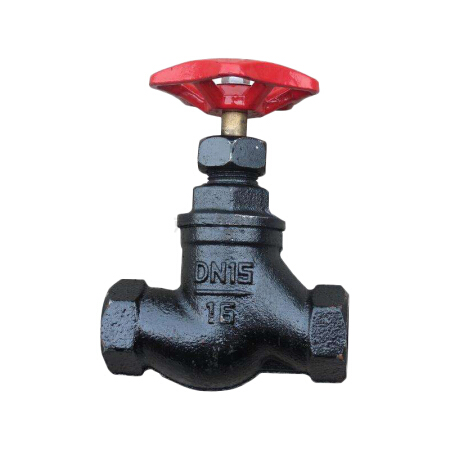
Piping valves and fittings are crucial components in fluid handling systems, representing a significant segment of the industrial infrastructure across sectors including oil and gas, chemical processing, water treatment, power generation, and HVAC. These components regulate, direct, and control the flow of liquids, gases, and slurries within a piping network. While often considered commodity items, their selection and performance critically impact system efficiency, safety, and longevity. The technical challenge lies in balancing flow characteristics, pressure containment, material compatibility with the conveyed fluid, and adherence to stringent industry standards. Valves, ranging from simple gate valves to complex control valves, modulate flow, while fittings – including elbows, tees, reducers, and couplings – facilitate changes in direction, size, or connection points. The performance of these elements is fundamentally defined by their pressure-temperature ratings, material composition, and manufacturing precision. A core industry pain point is mitigating failures due to corrosion, erosion, and fatigue, which can lead to costly downtime and environmental hazards.
Material Science & Manufacturing
The selection of materials for piping valves and fittings is paramount, dictated by the fluid being conveyed, operating temperature, pressure, and potential for corrosion or erosion. Common materials include carbon steel (ASTM A53, A106), stainless steel (304, 316, duplex), alloy steels (e.g., chrome-moly for high-temperature service), cast iron (ductile iron ASTM A509), and various polymers (PVC, CPVC, PTFE). Carbon steel provides high strength and cost-effectiveness but is susceptible to corrosion, necessitating coatings or corrosion inhibitors. Stainless steel offers superior corrosion resistance but at a higher cost. Alloy steels are deployed in extreme environments requiring high creep resistance. Manufacturing processes vary depending on the component and material. Valves are often manufactured via casting, forging, or machining, followed by precise assembly. Forging, utilizing processes like closed-die forging, results in high strength and improved grain structure. Fittings are commonly produced by forging, casting, or extrusion. Welding is a critical joining process, requiring qualified welders and adherence to welding procedures (AWS D1.1) to ensure structural integrity. Parameter control during welding – including pre-heat temperature, welding current, and cooling rate – is essential to prevent cracking and distortion. For plastic fittings, injection molding is prevalent, demanding precise mold design and temperature control to achieve dimensional accuracy and prevent defects like sink marks or warpage. Non-destructive testing (NDT), including radiographic testing (RT), ultrasonic testing (UT), and liquid penetrant testing (PT), is implemented to verify weld quality and detect internal flaws.
Performance & Engineering
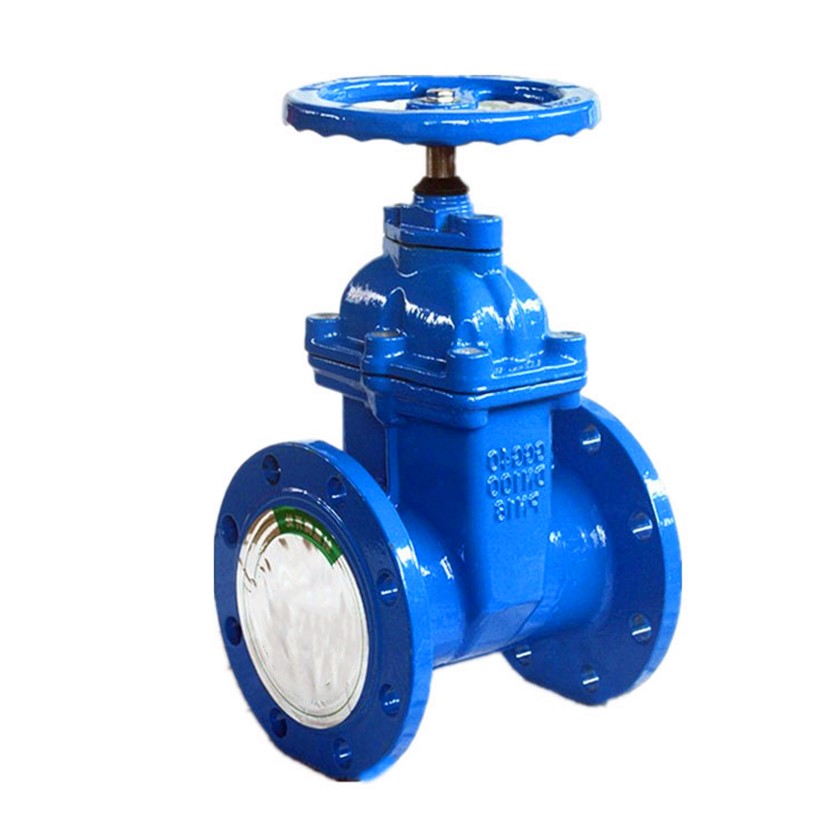
The performance of valves and fittings is assessed through rigorous engineering analysis, focusing on pressure drop, flow coefficient (Cv), seat leakage, and stress analysis. Pressure drop is a critical consideration, impacting pump sizing and energy consumption. Darcy-Weisbach equation and Moody diagrams are employed to calculate pressure loss through fittings and valves, accounting for fluid viscosity, pipe diameter, and flow velocity. Flow coefficient (Cv) quantifies the valve’s capacity to pass fluid, and is essential for control valve selection. Seat leakage, measured in terms of allowable leakage rate (e.g., ANSI/FCI 70-2), is critical in applications requiring tight shut-off. Finite element analysis (FEA) is utilized to assess stress distribution under various loading conditions, including internal pressure, external loads, and thermal stresses. This analysis identifies potential weak points and ensures structural integrity. Environmental resistance is a key performance factor. Valves and fittings exposed to corrosive environments require materials with appropriate corrosion allowances. Consideration must also be given to erosion caused by abrasive particles in the fluid stream. Compliance with industry standards – such as ASME B16.34 (valves), ASME B16.9 (fittings), and API 598 (valve inspection) – is mandatory for ensuring safe and reliable operation. Fatigue analysis is also crucial, especially for components subjected to cyclic loading, to predict lifespan and prevent catastrophic failure. The selection of appropriate gaskets and seals (e.g., PTFE, Viton, EPDM) is essential to maintain leak-tight performance under varying temperature and pressure conditions.
Technical Specifications
| Parameter | Carbon Steel A105 | 316 Stainless Steel | PVC Schedule 80 | Ductile Iron 65-45-12 |
|---|---|---|---|---|
| Pressure Rating (PSI) | Up to 2000 | Up to 1500 | Up to 400 | Up to 600 |
| Temperature Range (°F) | -20 to 650 | -325 to 650 | -40 to 140 | -20 to 450 |
| Tensile Strength (PSI) | 74,000 | 75,000 | 6,500 | 60,000 |
| Yield Strength (PSI) | 36,000 | 30,000 | N/A | 35,000 |
| Corrosion Resistance | Low (requires coating) | Excellent | Good (to many chemicals) | Moderate (requires coating) |
| Typical Applications | Water, Steam, Oil | Chemical Processing, Food/Bev | Irrigation, Chemical Transfer | Water Distribution, Wastewater |
Failure Mode & Maintenance
Common failure modes in piping valves and fittings include corrosion, erosion, fatigue cracking, gasket failure, and cavitation. Corrosion, particularly in carbon steel components, can lead to wall thinning and leakage. Erosion, caused by abrasive particles, damages valve internals and fitting surfaces. Fatigue cracking, induced by cyclic loading, initiates at stress concentrators and propagates over time. Gasket failure results in leakage, often due to improper installation, material degradation, or exceeding temperature/pressure limits. Cavitation, occurring in valves with significant pressure drops, forms vapor bubbles that implode, causing erosion and noise. Maintenance strategies involve regular inspection, leak testing, lubrication, and replacement of worn parts. Non-destructive testing (NDT) – visual inspection, ultrasonic testing, and radiographic testing – is used to detect cracks, corrosion, and other defects. Preventative maintenance schedules should be based on operating conditions, fluid characteristics, and manufacturer’s recommendations. Periodic valve overhauls, including seat replacement and packing gland adjustment, are essential to maintain tight shut-off. For plastic fittings, UV exposure can cause degradation, requiring periodic replacement or application of UV-resistant coatings. Proper storage is also crucial to prevent environmental stress cracking. Root cause analysis of failures is vital for implementing corrective actions and preventing recurrence. Detailed records of inspections, maintenance activities, and repairs should be maintained for traceability and performance monitoring.
Industry FAQ
Q: What is the difference between a gate valve and a ball valve, and when would you choose one over the other?
A: Gate valves are primarily for on/off service, offering minimal pressure drop when fully open. They are not suitable for throttling. Ball valves, conversely, provide quick quarter-turn operation and can be used for both on/off and throttling applications. Gate valves are generally more cost-effective for large diameter, infrequent operation. Ball valves are preferred for frequent operation, tight shut-off, and applications requiring quick response.
Q: How does the material selection impact the longevity of a valve exposed to seawater?
A: Seawater is highly corrosive due to its chloride content. Carbon steel valves will rapidly corrode in seawater unless protected with robust coatings or cathodic protection. Stainless steel (316 or duplex) is significantly more resistant to seawater corrosion but can still experience pitting corrosion. Alloy 2205 duplex stainless steel provides superior resistance. Non-metallic valves, like those made from CPVC or PVDF, offer excellent corrosion resistance but may have lower pressure and temperature ratings.
Q: What are the key considerations when selecting a gasket material for a high-temperature, high-pressure application?
A: Gasket material must maintain its sealing properties at elevated temperatures and pressures. Factors to consider include temperature resistance, pressure rating, chemical compatibility with the fluid, and creep resistance. Common materials include PTFE, graphite, and spiral-wound gaskets with appropriate core materials. The gasket’s resilience and ability to conform to flange irregularities are also critical.
Q: How can cavitation be prevented or mitigated in a control valve?
A: Cavitation can be prevented by ensuring sufficient upstream pressure, avoiding excessive pressure drops across the valve, and selecting a valve trim design optimized for cavitation resistance. Multi-stage trim designs and specially shaped orifices can reduce the likelihood of cavitation. Proper valve sizing and flow control are also essential.
Q: What are the typical acceptance criteria for liquid penetrant testing (PT) of welded fittings?
A: Acceptance criteria for PT are typically defined by ASME Section V, Article 6. Acceptable indications are generally limited to minor, isolated imperfections that do not compromise the structural integrity of the weld. Unacceptable indications include cracks, porosity, and lack of fusion. The size, orientation, and location of indications are carefully evaluated against established acceptance standards.
Conclusion
The selection, installation, and maintenance of piping valves and fittings are inextricably linked to the overall reliability and safety of fluid handling systems. A thorough understanding of material science, manufacturing processes, performance characteristics, and potential failure modes is crucial for mitigating risks and maximizing operational efficiency. The industry trend towards digitalization and predictive maintenance is driving increased demand for smart valves equipped with sensors and data analytics capabilities, allowing for real-time monitoring of performance and proactive identification of potential issues.
Continued innovation in materials, coatings, and valve designs will further enhance the performance and longevity of these critical components. Adherence to established industry standards, coupled with rigorous quality control procedures, remains paramount for ensuring safe and dependable operation. Ultimately, a holistic approach encompassing design, materials, manufacturing, and maintenance is essential for optimizing the lifecycle cost and minimizing downtime associated with piping valve and fitting systems.
-
Top Reasons to Choose a Stainless Steel Flange Check Valve for Industrial Applications
-
check valves high pressure Performance Analysis
-
check valves low pressure Performance Analysis
-
High Pressure Check Valves Performance Analysis
-
low pressure check valves Performance Analysis
-
6 check valve Performance Analysis
-
stainless steel check valves Performance Analysis
-
check valve 6 Performance Analysis
-
check valve stainless steel Performance Analysis
-
6 in check valve Performance Engineering
-
6 check valves Performance Analysis
-
12 inch check valve Performance Analysis
-
lift check valves Performance Engineering
-
check valve 12 inch Performance Analysis
-
stop check valve Performance Analysis
 Afrikaans
 Albanian
 Amharic
 Arabic
 Armenian
 Azerbaijani
 Basque
 Belarusian
 Bengali
 Bosnian
 Bulgarian
 Catalan
 Cebuano
 Corsican
 Croatian
 Czech
Czech
 Danish
 Dutch
Dutch
 Esperanto
 Estonian
 Finnish
 French
 Frisian
 Galician
 Georgian
 German
 Greek
Greek
 Gujarati
 Haitian Creole
 Hausa
Hawaiian
Hausa
Hawaiian
 Hebrew
 Hindi
Hindi
 Miao
Miao
 Hungarian
 Icelandic
 Igbo
Igbo
 Indonesian
 Irish
Irish
 Italian
 Japanese
 Javanese
Kannada
Javanese
Kannada
 Kazakh
 Khmer
Khmer
 Rwandese
 Korean
 Kurdish
 Kyrgyz
 Lao
Lao
 Latin
Latin
 Latvian
 Lithuanian
 Luxembourgish
 Macedonian
 Malgashi
 Malay
Malay
 Malayalam
 Maltese
 Maori
Maori
 Marathi
 Mongolian
 Myanmar
 Nepali
 Norwegian
 Norwegian
 Occitan
 Pashto
 Persian
 Polish
 Portuguese
Punjabi
Portuguese
Punjabi
 Romanian
 Russian
 Samoan
 Scottish Gaelic
 Serbian
 Sesotho
 Shona
Shona
 Sindhi
 Sinhala
 Slovak
 Slovenian
 Somali
 Spanish
 Sundanese
 Swahili
 Swedish
Tagalog
Swedish
Tagalog
 Tajik
Tajik
 Tamil
Tamil
 Tatar
Tatar
 Telugu
 Thai
Thai
 Turkish
 Turkmen
 Ukrainian
 Urdu
Urdu
 Uighur
 Uzbek
Uzbek
 Vietnamese
 Welsh
Welsh
 Bantu
Bantu
 Yiddish
 Yoruba
 Zulu
Zulu
 English