




valves pipe fittings Performance Engineering
Introduction
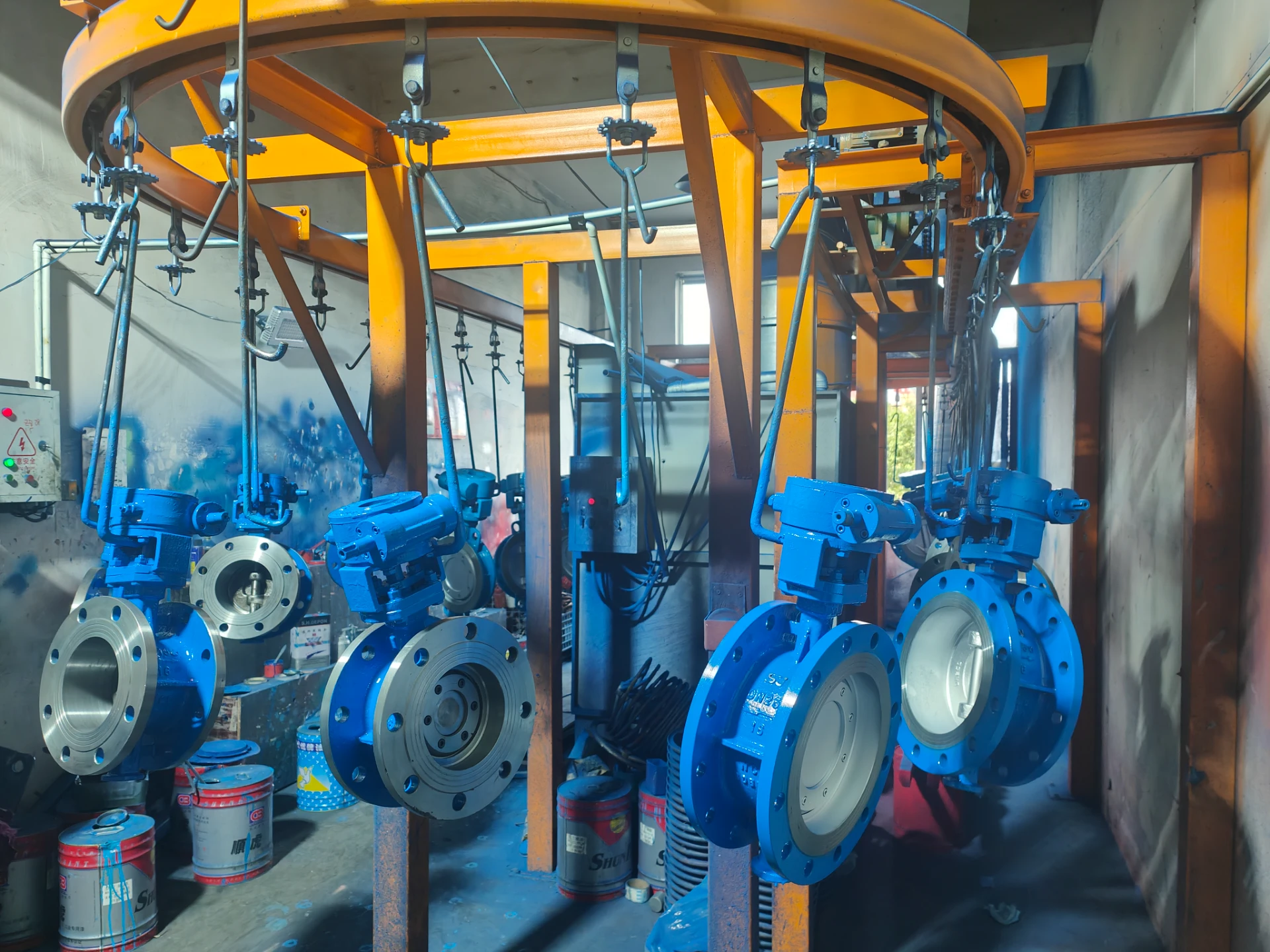
Valves and pipe fittings are fundamental components in fluid handling systems across numerous industries, including oil and gas, chemical processing, power generation, and water treatment. They control, direct, and regulate the flow of liquids, gases, and slurries. Their technical position within the industry chain is critical, acting as the interface between source, processing equipment, and end-use applications. Valves dictate flow characteristics (throttling, on/off), while fittings enable changes in direction, connection to equipment, and system branching. Core performance characteristics center on pressure containment, leak tightness, flow capacity (Cv), material compatibility with the conveyed fluid, and operational reliability under specified temperature and pressure conditions. Achieving optimal performance requires precise engineering, material selection, and adherence to stringent industry standards to prevent catastrophic failures and ensure process efficiency.
Material Science & Manufacturing
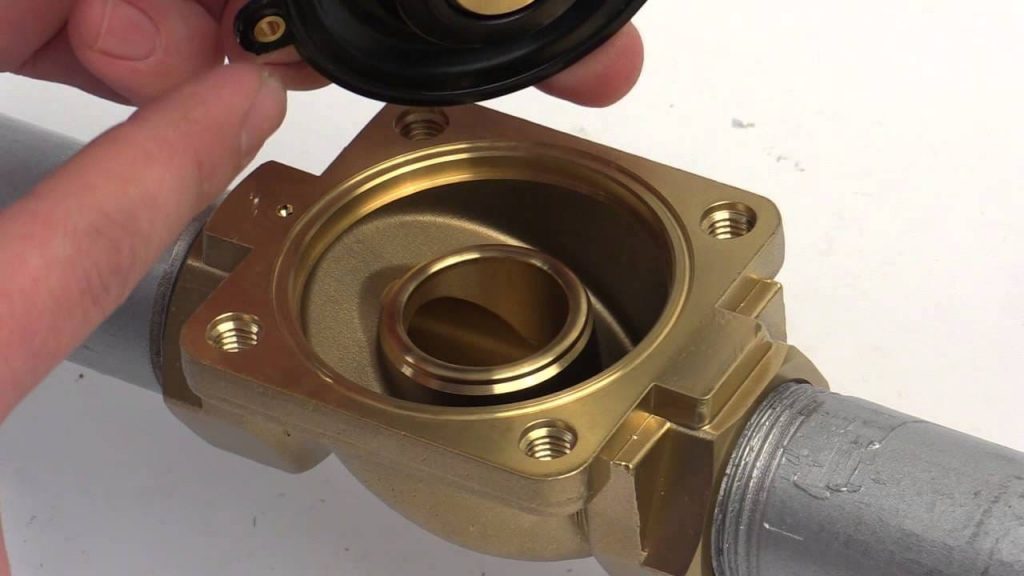
The materials utilized in valve and fitting construction significantly impact their performance and lifespan. Common materials include carbon steel (ASTM A105, A53), stainless steels (304/304L, 316/316L – ASTM A351), alloy steels (ASTM A182 F11, F22), ductile iron (ASTM A536), brass (ASTM B16), and polymers (PTFE, PEEK, PVC). Material selection is dictated by the fluid’s corrosivity, temperature, pressure, and potential for erosion. Manufacturing processes vary considerably. Casting is prevalent for valve bodies, requiring precise mold design and controlled cooling rates to minimize porosity and residual stresses. Forging provides superior mechanical properties, especially for high-pressure applications. Pipe fittings are often manufactured via machining from bar stock, seamless tube drawing, or investment casting. Welding, a critical joining process, requires qualified procedures (per ASME Section IX) and non-destructive testing (NDT – radiography, ultrasonic testing, liquid penetrant inspection) to ensure weld integrity. Polymer fittings utilize injection molding, where precise temperature and pressure control are essential for achieving dimensional accuracy and consistent material properties. Key parameter control during manufacturing includes chemical composition verification (spectroscopy), mechanical testing (tensile strength, yield strength, elongation), and dimensional inspection (coordinate measuring machines – CMM).
Performance & Engineering
Valve and fitting performance is governed by rigorous engineering principles. Force analysis is paramount, particularly in high-pressure systems. Stress concentration at geometric discontinuities (e.g., corners, threads) must be minimized through optimized design. Finite element analysis (FEA) is routinely employed to predict stress distributions and identify potential failure points. Environmental resistance is a critical consideration. Corrosion, erosion, and temperature cycling can degrade material properties over time. Cathodic protection, material coatings (e.g., epoxy, PTFE), and corrosion inhibitors are employed to mitigate corrosion. Compliance requirements are extensive, dictated by industry-specific regulations (e.g., ASME B31.3 for process piping, API 5L for pipelines). Functional implementation relies on precise valve actuation mechanisms (manual, pneumatic, hydraulic, electric). Control valves incorporate feedback loops and programmable logic controllers (PLCs) to maintain desired flow rates and pressures. Leak tightness is quantified by leak rate standards (e.g., ANSI/FCI 70-2, ISO 5208), which specify allowable leakage rates based on valve size and operating conditions. Cavitation, a phenomenon caused by rapid pressure drops, can erode valve internals; careful valve sizing and flow control are essential to prevent cavitation damage.
Technical Specifications
| Valve Type | Maximum Operating Pressure (PSI) | Temperature Range (°C) | Connection Type |
|---|---|---|---|
| Gate Valve | 2500 | -29 to 427 | Threaded, Socket Weld, Butt Weld |
| Globe Valve | 1440 | -60 to 427 | Threaded, Socket Weld, Butt Weld, Flanged |
| Ball Valve | 740 | -60 to 204 | Threaded, Socket Weld, Butt Weld, Flanged |
| Butterfly Valve | 285 | -40 to 232 | Wafer, Lug, Flange |
| Check Valve | 1440 | -60 to 427 | Threaded, Socket Weld, Butt Weld, Flanged |
| Reducer Fitting | Varies with Pipe Rating | Varies with Material | Welded, Threaded, Compression |
Failure Mode & Maintenance
Valve and fitting failures can stem from various causes. Fatigue cracking, induced by cyclic loading, is a common failure mode, particularly in high-pressure applications. Corrosion, both general and localized (pitting, crevice corrosion), degrades material strength and can lead to leaks. Erosion, caused by abrasive particles in the fluid stream, wears away material surfaces. Delamination, in polymeric fittings, occurs when layers separate due to poor bonding or thermal stress. Oxidation, at elevated temperatures, alters material properties and can lead to embrittlement. Failure analysis techniques, including fractography (examining fracture surfaces) and metallurgical analysis, are crucial for determining root causes. Preventive maintenance is essential. Regular inspection for corrosion, erosion, and leaks is vital. Lubrication of valve stems and actuators reduces friction and prevents seizing. Periodic testing of valve actuation systems ensures proper functionality. Replacement of seals and gaskets prevents leakage. Non-destructive testing (NDT) can identify subsurface defects before they lead to catastrophic failure. Following manufacturer's recommendations regarding torque specifications and operating limits is paramount. Record keeping of maintenance activities facilitates trend analysis and proactive failure prevention.
Industry FAQ
Q: What is the primary difference between a gate valve and a ball valve in terms of throttling capability?
A: Gate valves are not designed for throttling. Their design promotes full flow or complete shutoff, and prolonged throttling can cause erosion of the gate and seat. Ball valves, however, offer relatively good throttling capability due to the V-shaped port design available in some models, allowing for controlled flow reduction. However, even with a V-port, frequent throttling can still reduce valve lifespan compared to using a globe valve specifically designed for that purpose.
Q: How does the choice of gasket material affect the chemical compatibility and leak tightness of a flange connection?
A: Gasket material selection is critical for chemical compatibility. Incompatible materials can swell, degrade, or dissolve in the process fluid, leading to leakage. Common gasket materials include PTFE, EPDM, Viton, and compressed fiber. PTFE offers broad chemical resistance but may exhibit creep under high loads. EPDM is suitable for water and steam but not for hydrocarbons. Viton is resistant to many chemicals and high temperatures. Leak tightness is also influenced by gasket material; materials with lower compressibility offer better sealing characteristics but require precise flange surface finish and bolting torque.
Q: What are the key considerations when selecting a fitting material for a system handling corrosive acids?
A: Material selection for corrosive acid handling necessitates careful consideration of the acid’s concentration, temperature, and flow velocity. Stainless steels, such as 316L, are often used, but specific acids (e.g., hydrochloric acid) can cause pitting corrosion. Alloy steels (e.g., Hastelloy) or fluoropolymers (e.g., PTFE, PFA) offer superior resistance to harsh acids. The fitting’s construction method (welded, threaded) also influences corrosion resistance; welds require careful passivation to remove surface contaminants.
Q: What Non-Destructive Testing (NDT) methods are commonly used to verify the integrity of welded pipe fittings?
A: Common NDT methods include Radiographic Testing (RT), which uses X-rays or gamma rays to detect internal flaws; Ultrasonic Testing (UT), which uses sound waves to identify defects; Liquid Penetrant Inspection (LPI), which detects surface cracks; and Magnetic Particle Inspection (MPI), used for ferromagnetic materials. The selection of the appropriate NDT method depends on the material, weld geometry, and potential flaw types.
Q: How does the K-factor (flow coefficient) influence the selection of a control valve for a specific application?
A: The K-factor (Cv) quantifies a valve’s flow capacity. It represents the flow rate of a fluid at a specific pressure drop across the valve. Correctly matching the valve's Cv to the system’s flow requirements is crucial for achieving stable and accurate control. An undersized valve will cause excessive pressure drop and limit flow, while an oversized valve will exhibit poor control resolution and instability. The Cv is calculated based on fluid properties, pressure drop, and desired flow rate.
Conclusion
The selection, application, and maintenance of valves and pipe fittings are critical to the safe and efficient operation of any fluid handling system. A thorough understanding of material science, manufacturing processes, performance engineering principles, and relevant industry standards is paramount. Proper material selection, based on fluid compatibility and operating conditions, is the first line of defense against corrosion and failure. Rigorous quality control during manufacturing, including NDT of welds, ensures structural integrity.
Continued innovation in valve and fitting technology focuses on improved sealing materials, automated actuation systems, and predictive maintenance techniques. The increasing adoption of digital twins and IoT sensors enables real-time monitoring of valve performance, facilitating proactive maintenance and minimizing downtime. A holistic approach, encompassing design, manufacturing, operation, and maintenance, is essential for maximizing the lifespan and reliability of these critical components.
-
Top Reasons to Choose a Stainless Steel Flange Check Valve for Industrial Applications
-
teejet check valve Performance Analysis
-
8 inch check valve Performance Analysis
-
wafer style check valves Performance Analysis
-
3 4 spring check valve Performance Analysis
-
butterfly check valves Performance Analysis
-
electric check valve Performance Engineering
-
electric check valves Performance Analysis
-
Threaded Check Valves Performance Analysis
-
6 inch check valve Performance Analysis
-
8 check valve Performance Analysis
-
diaphragm check valve Material Science Manufacturing
-
dual plate check valve Performance Analysis
-
check valve 6 inch Material Science
-
diaphragm check valves Performance Analysis
 Afrikaans
 Albanian
 Amharic
 Arabic
 Armenian
 Azerbaijani
 Basque
 Belarusian
 Bengali
 Bosnian
 Bulgarian
 Catalan
 Cebuano
 Corsican
 Croatian
 Czech
Czech
 Danish
 Dutch
Dutch
 Esperanto
 Estonian
 Finnish
 French
 Frisian
 Galician
 Georgian
 German
 Greek
Greek
 Gujarati
 Haitian Creole
 Hausa
Hawaiian
Hausa
Hawaiian
 Hebrew
 Hindi
Hindi
 Miao
Miao
 Hungarian
 Icelandic
 Igbo
Igbo
 Indonesian
 Irish
Irish
 Italian
 Japanese
 Javanese
Kannada
Javanese
Kannada
 Kazakh
 Khmer
Khmer
 Rwandese
 Korean
 Kurdish
 Kyrgyz
 Lao
Lao
 Latin
Latin
 Latvian
 Lithuanian
 Luxembourgish
 Macedonian
 Malgashi
 Malay
Malay
 Malayalam
 Maltese
 Maori
Maori
 Marathi
 Mongolian
 Myanmar
 Nepali
 Norwegian
 Norwegian
 Occitan
 Pashto
 Persian
 Polish
 Portuguese
Punjabi
Portuguese
Punjabi
 Romanian
 Russian
 Samoan
 Scottish Gaelic
 Serbian
 Sesotho
 Shona
Shona
 Sindhi
 Sinhala
 Slovak
 Slovenian
 Somali
 Spanish
 Sundanese
 Swahili
 Swedish
Tagalog
Swedish
Tagalog
 Tajik
Tajik
 Tamil
Tamil
 Tatar
Tatar
 Telugu
 Thai
Thai
 Turkish
 Turkmen
 Ukrainian
 Urdu
Urdu
 Uighur
 Uzbek
Uzbek
 Vietnamese
 Welsh
Welsh
 Bantu
Bantu
 Yiddish
 Yoruba
 Zulu
Zulu
 English