




welding pipe fitting Performance Analysis
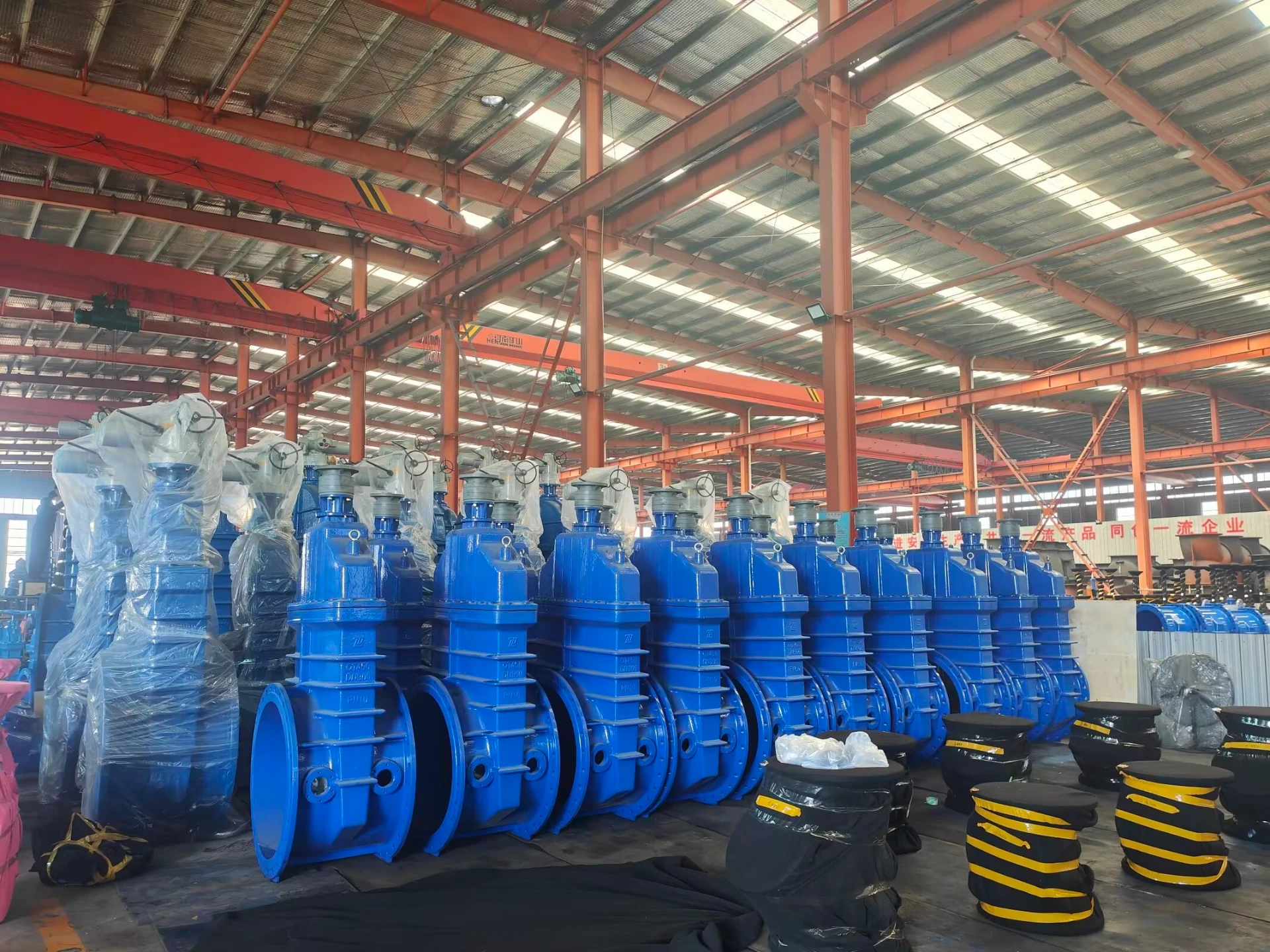
Introduction
Welding pipe fitting represents a critical juncture in fluid transport systems across numerous industries, including oil and gas, petrochemicals, power generation, and water treatment. Unlike mechanical fittings relying on threading or compression, welded fittings create a permanent, structurally integrated joint offering superior strength, leak integrity, and resistance to cyclical stresses. This technical guide provides a comprehensive overview of welding pipe fitting, covering material science, manufacturing processes, performance characteristics, failure modes, and relevant industry standards. The increasing demands for pipeline safety and efficiency drive the continuous evolution of welding technologies and fitting designs, requiring engineers and procurement professionals to maintain a robust understanding of the underlying principles. Specifically, this document addresses the common challenges associated with material compatibility, weld quality control, and long-term operational reliability.
Material Science & Manufacturing
The selection of materials for welding pipe fittings is paramount and directly influences weldability, corrosion resistance, and mechanical properties. Common materials include carbon steel (ASTM A53 Grade B, API 5L), stainless steel (304/304L, 316/316L – ASTM A312), alloy steels (ASTM A335 P11, P22), and increasingly, duplex stainless steels and nickel alloys for highly corrosive environments. Carbon steels, while cost-effective, are susceptible to corrosion and require protective coatings. Stainless steels offer enhanced corrosion resistance due to the formation of a passive chromium oxide layer. Alloy steels provide superior strength and creep resistance at elevated temperatures. Manufacturing processes typically involve forging, machining, and forming of raw material into fitting shapes (elbows, tees, reducers, couplings). The welding process itself is critically dependent on precise parameter control. Shielded Metal Arc Welding (SMAW), Gas Metal Arc Welding (GMAW), Gas Tungsten Arc Welding (GTAW), and Submerged Arc Welding (SAW) are commonly employed. Key parameters include welding current, voltage, travel speed, electrode type, shielding gas composition, and pre/post-weld heat treatment. Preheating is crucial for thicker sections and higher carbon equivalent steels to prevent cracking. Post-weld heat treatment (PWHT) relieves residual stresses and improves ductility. The chemical composition of the welding consumables must be carefully matched to the base material to ensure compatibility and prevent localized corrosion or embrittlement.
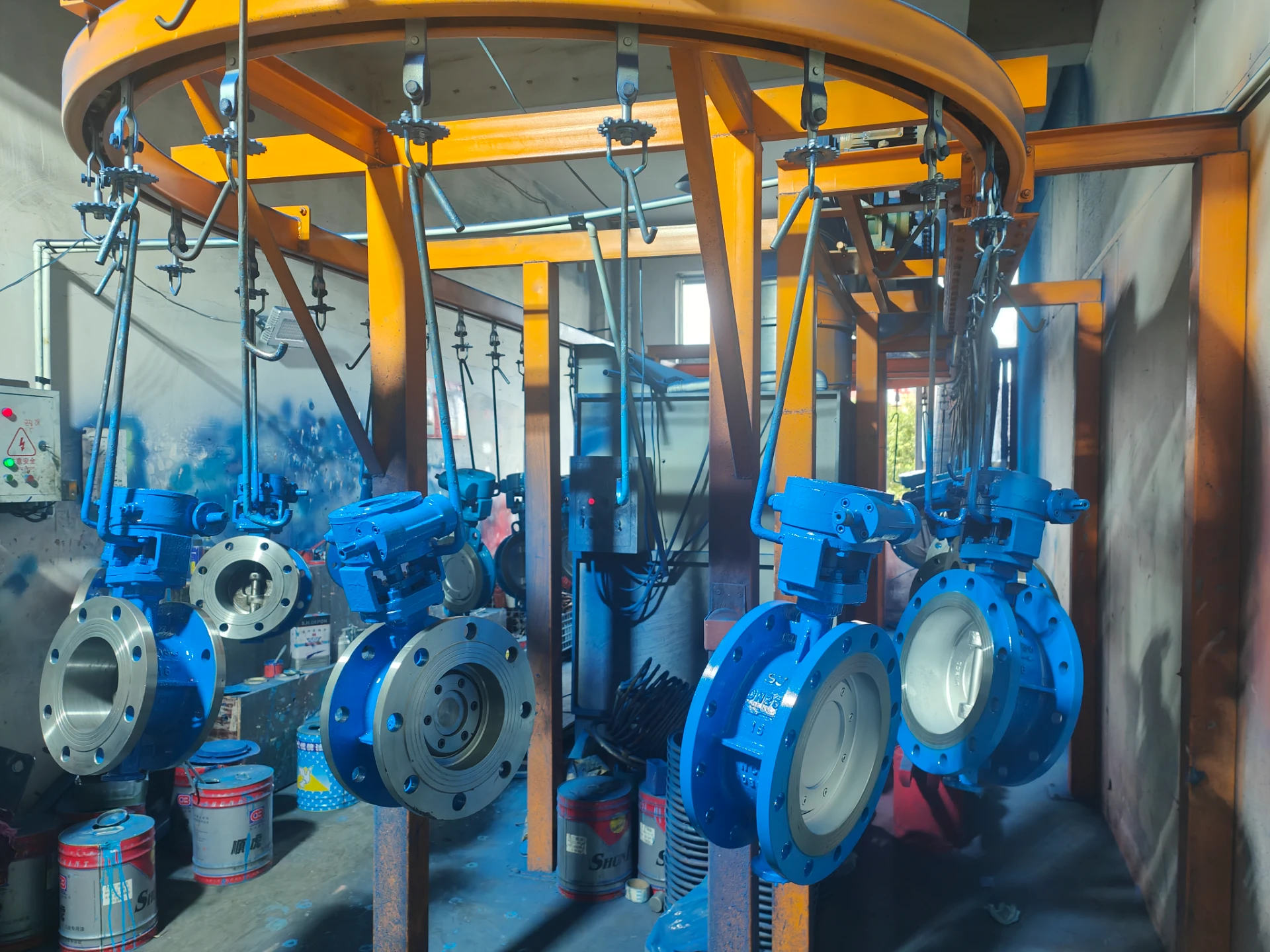
Performance & Engineering
The performance of welded pipe fittings is evaluated based on several critical engineering factors. Stress analysis, utilizing Finite Element Analysis (FEA), is employed to predict stress concentrations around the weld joint under various loading conditions, including internal pressure, external loads, and thermal cycling. The weld joint geometry (full penetration vs. partial penetration) significantly impacts stress distribution. Full penetration welds, while stronger, are more susceptible to distortion. Corrosion resistance is assessed through electrochemical testing and exposure to simulated service environments. The pitting resistance equivalent number (PREN) is a metric used to evaluate the resistance of stainless steels to localized corrosion. Cyclic fatigue is a major concern in pipelines subjected to pressure fluctuations and vibrations. Fatigue life prediction models are used to estimate the number of cycles to failure. Compliance requirements are dictated by industry codes and standards, such as ASME B31.3 (Process Piping), ASME B31.8 (Gas Transmission and Distribution), and EN 13480 (Metallic Industrial Piping). Non-Destructive Examination (NDE) techniques, including Radiographic Testing (RT), Ultrasonic Testing (UT), Liquid Penetrant Testing (PT), and Magnetic Particle Testing (MT), are essential for verifying weld quality and detecting defects. The hydrostatic testing is a vital performance check done with water at a pressure 1.5 times the design pressure.
Technical Specifications
| Material Grade | Tensile Strength (MPa) | Yield Strength (MPa) | Elongation (%) | Corrosion Rate (mm/year) in NaCl | Operating Temperature Range (°C) |
|---|---|---|---|---|---|
| ASTM A53 Gr. B | 400-530 | 250-345 | 22-25 | 0.1-0.5 | -30 to 150 |
| ASTM A312 304/304L | 485-725 | 170-275 | 35-50 | <0.01 | -196 to 427 |
| ASTM A335 P11 | 415-550 | 205-310 | 20-30 | 0.05-0.2 | -30 to 538 |
| Duplex Stainless Steel (UNS S31803) | 550-700 | 350-500 | 25-35 | <0.005 | -50 to 150 |
| ASTM A53 Gr. B (Coated) | 400-530 | 250-345 | 22-25 | 0.01-0.1 | -30 to 150 |
| ASTM A312 316/316L | 485-790 | 170-290 | 30-55 | <0.01 | -196 to 450 |
Failure Mode & Maintenance
Welded pipe fittings are susceptible to several failure modes. Corrosion, particularly localized corrosion (pitting, crevice corrosion, galvanic corrosion), is a common cause of failure. Fatigue cracking can occur due to cyclical loading, exacerbated by stress concentrations at weld defects. Hydrogen embrittlement, induced by atomic hydrogen diffusion into the metal, can lead to cracking, especially in high-strength steels. Creep, a time-dependent deformation under sustained stress at elevated temperatures, can cause gradual failure. Weld defects, such as porosity, inclusions, and lack of fusion, reduce the joint strength and increase susceptibility to failure. Regular inspection and maintenance are crucial. Visual inspection for signs of corrosion or cracking is the first line of defense. Periodic NDE, including UT and RT, can detect subsurface defects. Protective coatings (epoxy, polyurethane, thermal spray coatings) can mitigate corrosion. Cathodic protection is used to prevent corrosion in buried pipelines. Leak detection systems can identify and address leaks promptly. Proper torqueing of bolted connections (if applicable) is essential to prevent loosening and leaks. Periodic hydrostatic testing verifies the integrity of the pipeline system. Replacement of fittings exhibiting significant corrosion or defects is the ultimate maintenance solution.
Industry FAQ
Q: What is the impact of heat affected zone (HAZ) on the mechanical properties of a welded joint?
A: The HAZ is the area surrounding the weld that experiences temperature changes during welding, altering its microstructure and mechanical properties. It generally exhibits reduced ductility and increased hardness compared to the base metal. Proper welding parameter control and PWHT can mitigate these effects and optimize HAZ properties.
Q: How does the selection of welding consumables affect the corrosion resistance of the weld joint?
A: Incorrectly matched consumables can introduce elements that promote corrosion or create galvanic couples with the base metal. Consumables must be compatible with the base metal's chemical composition and service environment to maintain corrosion resistance. Overmatching the base metal alloy in the weld is often preferable.
Q: What are the critical factors to consider when welding dissimilar metals?
A: Dissimilar metal welds require careful consideration of metallurgical compatibility, thermal expansion differences, and potential for galvanic corrosion. Intermediate buffer layers may be necessary to mitigate these issues. The selection of filler metal and welding process is crucial.
Q: What NDE methods are most effective for detecting subsurface weld defects?
A: Ultrasonic Testing (UT) and Radiographic Testing (RT) are the most effective NDE methods for detecting subsurface weld defects. UT is sensitive to planar defects (cracks, lack of fusion), while RT is better for detecting volumetric defects (porosity, inclusions). Phased array UT provides enhanced defect characterization.
Q: How does the carbon equivalent (CE) of a steel influence its weldability?
A: Higher carbon equivalent values indicate a greater susceptibility to cracking during welding. Lower CE steels are generally easier to weld. Preheating and PWHT are often required for higher CE steels to reduce the risk of cracking.
Conclusion
Welding pipe fitting constitutes a cornerstone of secure and reliable fluid transport infrastructure. The selection of appropriate materials, meticulous manufacturing processes, rigorous quality control, and diligent maintenance practices are all interdependent factors governing long-term performance and operational safety. Understanding the nuances of material science, failure modes, and applicable industry standards is crucial for engineers and procurement specialists alike.
Future advancements in welding technology, such as automated welding systems, advanced NDE techniques, and the development of new alloy compositions, will continue to enhance the reliability and efficiency of welded pipe fitting systems. A proactive approach to corrosion management, coupled with ongoing monitoring and inspection, remains paramount to ensuring the integrity and longevity of these critical infrastructure components.
-
Top Reasons to Choose a Stainless Steel Flange Check Valve for Industrial Applications
-
check valves high pressure Performance Analysis
-
check valves low pressure Performance Analysis
-
High Pressure Check Valves Performance Analysis
-
low pressure check valves Performance Analysis
-
6 check valve Performance Analysis
-
stainless steel check valves Performance Analysis
-
check valve 6 Performance Analysis
-
check valve stainless steel Performance Analysis
-
6 in check valve Performance Engineering
-
6 check valves Performance Analysis
-
12 inch check valve Performance Analysis
-
lift check valves Performance Engineering
-
check valve 12 inch Performance Analysis
-
stop check valve Performance Analysis
 Afrikaans
 Albanian
 Amharic
 Arabic
 Armenian
 Azerbaijani
 Basque
 Belarusian
 Bengali
 Bosnian
 Bulgarian
 Catalan
 Cebuano
 Corsican
 Croatian
 Czech
Czech
 Danish
 Dutch
Dutch
 Esperanto
 Estonian
 Finnish
 French
 Frisian
 Galician
 Georgian
 German
 Greek
Greek
 Gujarati
 Haitian Creole
 Hausa
Hawaiian
Hausa
Hawaiian
 Hebrew
 Hindi
Hindi
 Miao
Miao
 Hungarian
 Icelandic
 Igbo
Igbo
 Indonesian
 Irish
Irish
 Italian
 Japanese
 Javanese
Kannada
Javanese
Kannada
 Kazakh
 Khmer
Khmer
 Rwandese
 Korean
 Kurdish
 Kyrgyz
 Lao
Lao
 Latin
Latin
 Latvian
 Lithuanian
 Luxembourgish
 Macedonian
 Malgashi
 Malay
Malay
 Malayalam
 Maltese
 Maori
Maori
 Marathi
 Mongolian
 Myanmar
 Nepali
 Norwegian
 Norwegian
 Occitan
 Pashto
 Persian
 Polish
 Portuguese
Punjabi
Portuguese
Punjabi
 Romanian
 Russian
 Samoan
 Scottish Gaelic
 Serbian
 Sesotho
 Shona
Shona
 Sindhi
 Sinhala
 Slovak
 Slovenian
 Somali
 Spanish
 Sundanese
 Swahili
 Swedish
Tagalog
Swedish
Tagalog
 Tajik
Tajik
 Tamil
Tamil
 Tatar
Tatar
 Telugu
 Thai
Thai
 Turkish
 Turkmen
 Ukrainian
 Urdu
Urdu
 Uighur
 Uzbek
Uzbek
 Vietnamese
 Welsh
Welsh
 Bantu
Bantu
 Yiddish
 Yoruba
 Zulu
Zulu
 English