




carbon steel pipe fittings Performance Analysis
Introduction
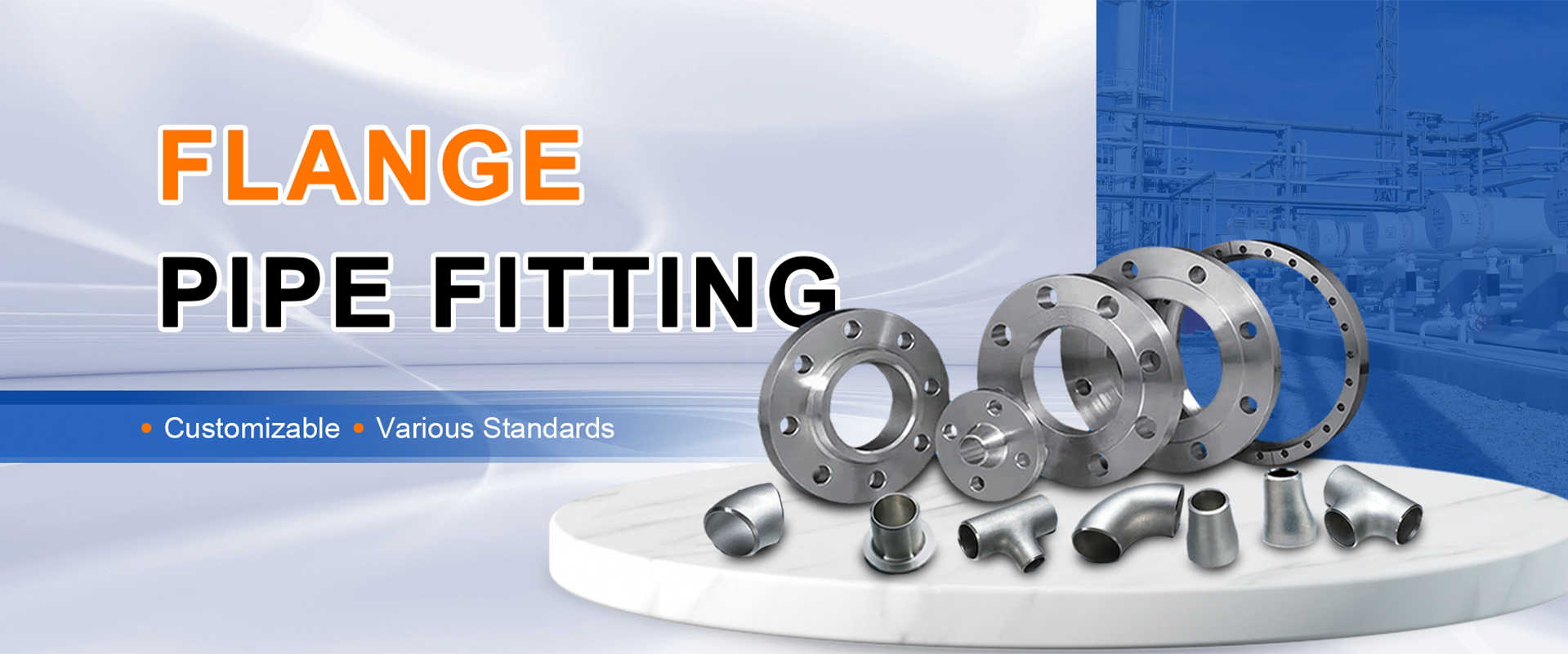
Carbon steel pipe fittings are critical components in fluid conveyance systems across diverse industries, including oil and gas, chemical processing, water treatment, and power generation. These fittings, encompassing elbows, tees, reducers, couplings, and flanges, facilitate directional changes, branching, and connections within piping networks. Their primary function is to ensure a leak-proof and structurally sound pathway for the transport of liquids, gases, and slurries under varying pressure and temperature conditions. Unlike stainless steel or plastic alternatives, carbon steel fittings offer a balance of high strength, cost-effectiveness, and weldability, making them a staple in many industrial applications. However, their susceptibility to corrosion necessitates careful material selection, protective coatings, and routine inspection. The performance of these fittings directly impacts the safety, efficiency, and longevity of the entire piping system, placing significant emphasis on adherence to stringent manufacturing standards and quality control procedures. This guide provides an in-depth exploration of carbon steel pipe fittings, covering material science, manufacturing processes, performance characteristics, failure modes, and industry best practices.
Material Science & Manufacturing
Carbon steel pipe fittings are predominantly manufactured from various grades of carbon steel, categorized by their carbon content and mechanical properties. Common grades include ASTM A53 Grade B (0.30% max carbon), ASTM A105 (0.25% max carbon), and ASTM A182 F302 (equivalent to A182 Grade 302, though often with tighter compositional controls). The steel’s base material consists of iron, carbon, and small percentages of manganese, silicon, phosphorus, and sulfur. Manganese enhances strength and hardness, silicon improves deoxidation during steelmaking, while phosphorus and sulfur are present as impurities, impacting ductility and weldability. The manufacturing process typically begins with billet or bar stock. Seamless fittings are produced via hot extrusion or piercing processes, offering superior strength and pressure-holding capabilities. This involves heating the steel billet to a plastic state and forcing it through a die to create the desired shape. Welded fittings, conversely, are fabricated by rolling steel plates into the desired form and welding the seam longitudinally or spirally. Subsequent heat treatment (normalizing, annealing, or quenching and tempering) refines the metallurgical structure, relieving stresses and optimizing mechanical properties. Critical parameters during manufacturing include precise temperature control, consistent wall thickness, accurate dimensional tolerances, and thorough non-destructive testing (NDT) – including radiographic testing (RT), ultrasonic testing (UT), and liquid penetrant inspection (LPI) – to detect flaws like porosity, inclusions, and cracks. The choice between seamless and welded fittings depends on application criticality and cost considerations; seamless fittings are preferred for high-pressure, high-temperature, and corrosive environments, while welded fittings provide a more economical option for less demanding applications.
Performance & Engineering
The performance of carbon steel pipe fittings is dictated by several key engineering considerations. Pressure rating, dictated by standards like ASME B16.11 for forged fittings and ASME B31.3 for process piping, is a primary concern. This rating is determined by burst pressure testing and considers factors like material tensile strength, wall thickness, and diameter. Temperature considerations are also crucial; elevated temperatures can reduce yield strength and increase susceptibility to creep. Conversely, low temperatures can lead to brittle fracture. The fittings must be engineered to withstand the expected operating temperature range, accounting for thermal expansion and contraction. Corrosion is a significant performance limiter. Carbon steel is prone to corrosion in the presence of water, oxygen, and corrosive chemicals. Therefore, coatings like epoxy, polyethylene, or galvanization are often applied to provide a protective barrier. Cathodic protection can also be employed in buried pipelines. Force analysis during installation and operation is essential. Fittings are subjected to internal pressure forces, external loads from piping weight and support structures, and bending moments from thermal expansion. Finite element analysis (FEA) is frequently used to model stress distribution and optimize fitting geometry. Compliance with industry regulations – including ASME, ASTM, and API standards – is paramount to ensure safety and reliability. Proper material traceability and documentation are required to verify compliance. The fatigue life of the fitting must also be considered, particularly in applications involving cyclical loading and unloading.
Technical Specifications
| Parameter | ASTM A53 Grade B | ASTM A105 | ASTM A182 F302 | ASME B16.11 (Forged Fittings) |
|---|---|---|---|---|
| Material | Carbon Steel | Carbon Steel | Alloy Steel (Cr-Mo) | Various Carbon & Alloy Steels |
| Tensile Strength (MPa) | 400-530 | 517-655 | 345-483 | Dependent on Material Grade |
| Yield Strength (MPa) | 240-310 | 276-414 | 207-310 | Dependent on Material Grade |
| Elongation (%) | 22-25 | 20-25 | 18-22 | Dependent on Material Grade |
| Wall Thickness (mm) | Schedule 40, 80, 160 | Schedule 40, 80, 160 | Varies by application | Varies by fitting size and pressure class |
| Pressure Rating (Class) | 150#, 300#, 600# | 150#, 300#, 600# | 150#, 300#, 600#, 900# | 150#, 300#, 600#, 900#, 1500#, 2500# |
Failure Mode & Maintenance
Carbon steel pipe fittings are susceptible to several failure modes. Corrosion, as previously mentioned, is a primary cause, leading to pitting, erosion, and ultimately, leaks. Localized corrosion, such as galvanic corrosion (when dissimilar metals are in contact) and crevice corrosion (in shielded areas), can accelerate degradation. Fatigue cracking can occur under cyclical loading, initiating at stress concentrators like weld seams or geometric discontinuities. This is particularly problematic in applications with vibration or fluctuating pressures. Erosion corrosion can occur in systems with high fluid velocities, particularly if the fluid contains abrasive particles. Hydrogen embrittlement, a phenomenon where hydrogen diffuses into the steel lattice, can reduce ductility and promote cracking, especially in high-strength steels. Maintenance strategies should include regular visual inspections for signs of corrosion, cracks, or deformation. Non-destructive testing (NDT) – including ultrasonic thickness testing (UTT) to monitor wall thinning – should be performed periodically. Protective coatings should be inspected and repaired as needed. Proper torqueing of bolted connections is crucial to prevent leaks. Internal cleaning and pigging operations can remove debris and prevent erosion corrosion. For critical applications, consider implementing a corrosion monitoring program to track corrosion rates and predict remaining life. Replacement of fittings should be based on a risk assessment, considering the potential consequences of failure.
Industry FAQ
Q: What is the difference between seamless and welded fittings, and when should each be used?
A: Seamless fittings are manufactured from a single piece of steel, offering superior strength and resistance to failure under high pressure and temperature. Welded fittings are created by welding a steel plate, and while generally more cost-effective, they have a weld seam that is a potential point of weakness. Seamless fittings are ideal for critical applications such as high-pressure pipelines and corrosive environments. Welded fittings are suitable for less demanding applications where cost is a primary consideration.
Q: How do I select the appropriate coating for carbon steel fittings to prevent corrosion?
A: Coating selection depends on the specific corrosive environment. Epoxy coatings provide good general corrosion protection. Polyethylene coatings are suitable for buried pipelines. Galvanization offers protection in atmospheric environments. For highly corrosive environments, consider specialized coatings like fluoropolymers or duplex systems. The coating must be compatible with the fluid being conveyed and the operating temperature.
Q: What is the importance of material traceability and documentation?
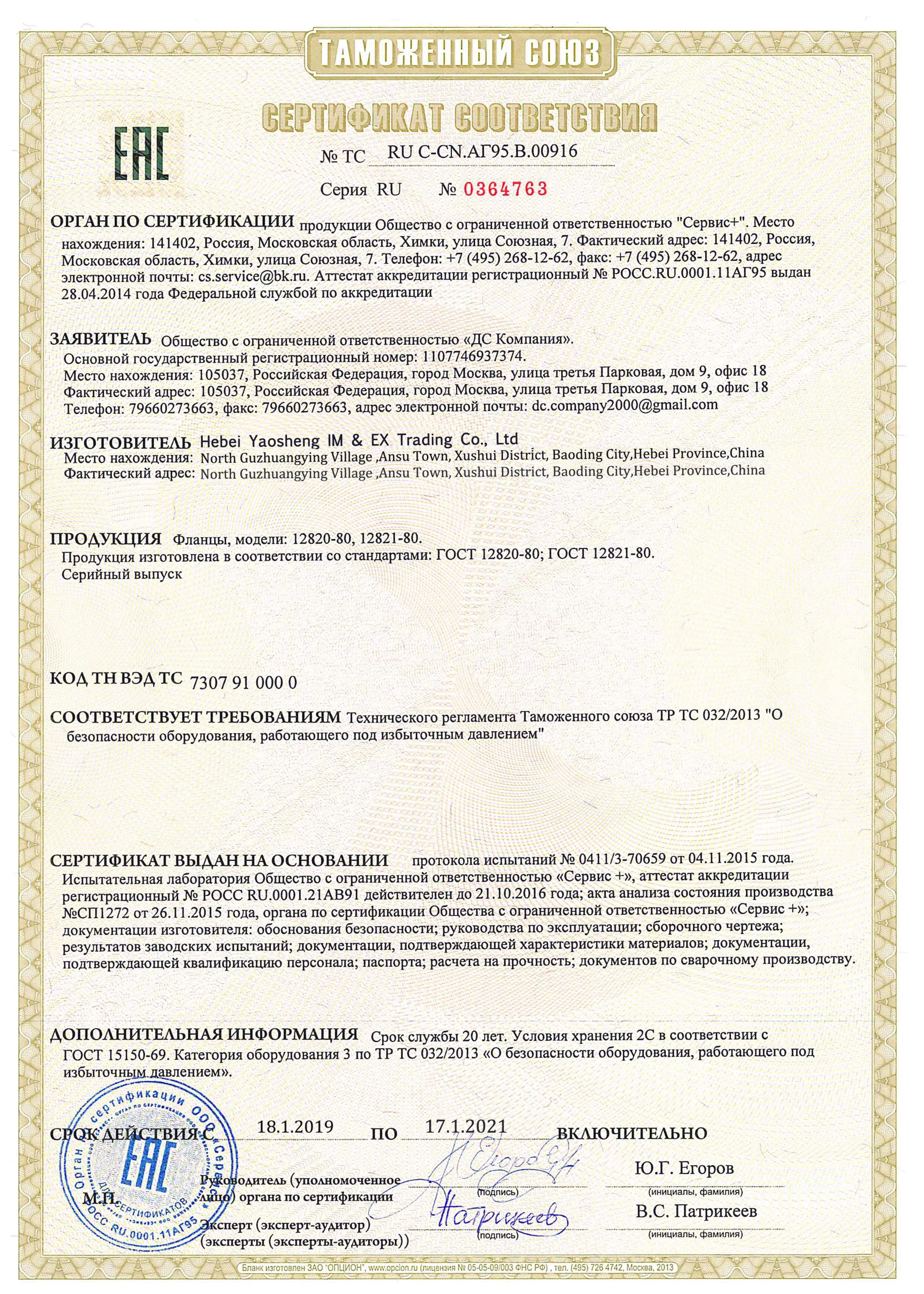
A: Material traceability and documentation are essential for verifying that the fittings meet specified standards and have been manufactured from the correct materials. This documentation, including material test reports (MTRs), ensures compliance with industry regulations and provides a record of the fitting's history for quality control and liability purposes.
Q: What are the key considerations for proper installation of carbon steel pipe fittings?
A: Proper installation involves careful alignment, correct torqueing of bolts, and adherence to manufacturer's recommendations. Ensure that the fittings are clean and free from debris before installation. Use appropriate lifting equipment to avoid damage. Avoid excessive bending or stress on the fittings during installation. Conduct hydrostatic testing after installation to verify leak-tightness.
Q: How often should carbon steel pipe fittings be inspected and maintained?
A: Inspection frequency depends on the criticality of the application and the severity of the operating environment. Regular visual inspections should be conducted monthly or quarterly. Non-destructive testing (NDT) should be performed annually or as dictated by a risk-based inspection plan. Maintenance should be performed as needed, based on inspection findings, including coating repairs, bolt tightening, and replacement of damaged fittings.
Conclusion
Carbon steel pipe fittings remain a cornerstone of fluid handling systems due to their robust mechanical properties and cost-effectiveness. However, their inherent susceptibility to corrosion and potential failure modes necessitate a comprehensive understanding of material science, manufacturing processes, and diligent maintenance practices. Proper material selection, adherence to industry standards (ASME, ASTM), and implementation of effective corrosion control strategies are paramount to ensuring the long-term reliability and safety of piping systems.
Future trends in carbon steel fitting technology will likely focus on the development of enhanced coatings with improved corrosion resistance, advanced NDT techniques for more accurate flaw detection, and the integration of smart sensors for real-time monitoring of fitting condition. These advancements will contribute to increased operational efficiency, reduced maintenance costs, and enhanced safety in critical industrial applications.
-
Top Reasons to Choose a Stainless Steel Flange Check Valve for Industrial Applications
-
electric check valve Performance Engineering
-
electric check valves Performance Analysis
-
Threaded Check Valves Performance Analysis
-
6 inch check valve Performance Analysis
-
8 check valve Performance Analysis
-
diaphragm check valve Material Science Manufacturing
-
dual plate check valve Performance Analysis
-
check valve 6 inch Material Science
-
diaphragm check valves Performance Analysis
-
dual plate check valves Performance Analysis
-
vertical check valves Material Science Manufacturing
-
8 check valves Performance Analysis
-
refrigeration check valves Performance Analysis
-
pilot check valve Performance Analysis
 Afrikaans
 Albanian
 Amharic
 Arabic
 Armenian
 Azerbaijani
 Basque
 Belarusian
 Bengali
 Bosnian
 Bulgarian
 Catalan
 Cebuano
 Corsican
 Croatian
 Czech
Czech
 Danish
 Dutch
Dutch
 Esperanto
 Estonian
 Finnish
 French
 Frisian
 Galician
 Georgian
 German
 Greek
Greek
 Gujarati
 Haitian Creole
 Hausa
Hawaiian
Hausa
Hawaiian
 Hebrew
 Hindi
Hindi
 Miao
Miao
 Hungarian
 Icelandic
 Igbo
Igbo
 Indonesian
 Irish
Irish
 Italian
 Japanese
 Javanese
Kannada
Javanese
Kannada
 Kazakh
 Khmer
Khmer
 Rwandese
 Korean
 Kurdish
 Kyrgyz
 Lao
Lao
 Latin
Latin
 Latvian
 Lithuanian
 Luxembourgish
 Macedonian
 Malgashi
 Malay
Malay
 Malayalam
 Maltese
 Maori
Maori
 Marathi
 Mongolian
 Myanmar
 Nepali
 Norwegian
 Norwegian
 Occitan
 Pashto
 Persian
 Polish
 Portuguese
Punjabi
Portuguese
Punjabi
 Romanian
 Russian
 Samoan
 Scottish Gaelic
 Serbian
 Sesotho
 Shona
Shona
 Sindhi
 Sinhala
 Slovak
 Slovenian
 Somali
 Spanish
 Sundanese
 Swahili
 Swedish
Tagalog
Swedish
Tagalog
 Tajik
Tajik
 Tamil
Tamil
 Tatar
Tatar
 Telugu
 Thai
Thai
 Turkish
 Turkmen
 Ukrainian
 Urdu
Urdu
 Uighur
 Uzbek
Uzbek
 Vietnamese
 Welsh
Welsh
 Bantu
Bantu
 Yiddish
 Yoruba
 Zulu
Zulu
 English