




Cast Iron Pipe Fitting Performance Analysis
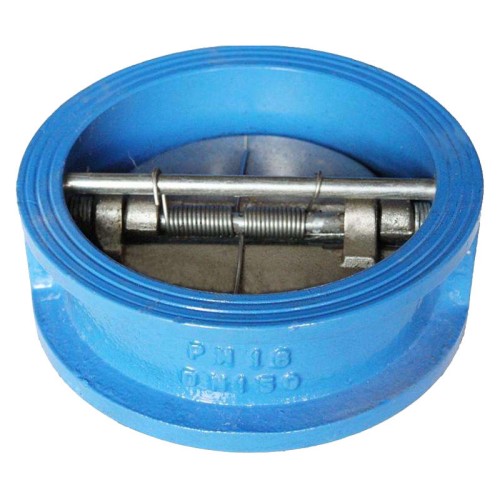
Introduction
Cast iron pipe fittings are crucial components in fluid conveyance systems, primarily utilized in water, gas, and sewage infrastructure. Positioned within the broader piping system supply chain, these fittings connect lengths of cast iron pipe, enabling directional changes, branching, and the integration of valves and other accessories. Their technical significance stems from their durability, cost-effectiveness, and ability to withstand substantial internal pressure. Core performance characteristics include pressure rating, tensile strength, corrosion resistance (specifically against soil conditions and water quality), and dimensional accuracy to ensure leak-proof connections. A primary industry pain point centers around long-term corrosion, specifically graphitic corrosion in certain soil types, leading to structural failure. Another challenge lies in maintaining consistent quality across different manufacturing processes and ensuring adherence to evolving environmental regulations regarding lead content.
Material Science & Manufacturing
Cast iron, the primary material, is an iron alloy with a carbon content generally exceeding 2.11%. The specific grade employed in pipe fittings is typically ductile iron (also known as nodular cast iron), which incorporates magnesium or cerium during the molten state to modify the graphite morphology from flakes (in gray cast iron) to spheroids. This dramatically improves ductility, tensile strength, and impact resistance. Raw materials include iron ore, coke (a carbon source), limestone (a flux), and alloying elements like magnesium. Manufacturing primarily utilizes the sand casting process. Molten iron is poured into sand molds shaped to the fitting’s geometry. Key parameters controlled during casting include melt temperature, pouring rate, mold material composition, and cooling rate. Post-casting, fittings undergo cleaning (removal of sand and scale), inspection for defects (using techniques like radiography and ultrasonic testing), and machining operations to achieve precise dimensions and smooth sealing surfaces. Surface treatments, such as epoxy coating or zinc coating, are applied for enhanced corrosion resistance. The chemical composition must be tightly controlled to meet ASTM standards, with specific allowances for silicon, manganese, phosphorus, and sulfur. The microstructure is critical; the size, shape, and distribution of graphite spheroids directly influence mechanical properties.
Performance & Engineering
Performance of cast iron pipe fittings is heavily dictated by hydrostatic pressure testing, ensuring they can withstand specified operating pressures without leakage or structural deformation. Force analysis involves evaluating tensile, compressive, and shear stresses induced by internal pressure and external loads (soil pressure, traffic loads). Fittings are designed with sufficient wall thickness and geometry to handle these stresses with a safety factor. Environmental resistance is paramount, with attention focused on corrosion protection. Soil composition significantly impacts corrosion rates; aggressive soils containing sulfates, chlorides, and acids accelerate corrosion. Cathodic protection (sacrificial anodes or impressed current systems) can mitigate corrosion in challenging environments. Compliance requirements include adherence to AWWA (American Water Works Association) standards, NSF/ANSI 61 (for drinking water system components), and local plumbing codes. Functional implementation depends on the fitting type – elbows, tees, crosses, reducers, and flanges each require specific engineering considerations regarding flow characteristics and connection methods. Fatigue life is a critical parameter, especially in applications subject to cyclic pressure fluctuations. Finite element analysis (FEA) is frequently employed to optimize fitting designs for stress distribution and long-term durability.
Technical Specifications
| Nominal Pipe Size (Inches) | Pressure Rating (PSI) | Minimum Tensile Strength (PSI) | Wall Thickness (Inches) |
|---|---|---|---|
| 2 | 350 | 60,000 | 0.28 |
| 4 | 250 | 55,000 | 0.38 |
| 6 | 200 | 50,000 | 0.44 |
| 8 | 150 | 45,000 | 0.50 |
| 10 | 125 | 40,000 | 0.56 |
| 12 | 100 | 35,000 | 0.63 |
Failure Mode & Maintenance
Common failure modes include corrosion (graphitic corrosion, pitting corrosion), fatigue cracking (due to cyclic loading), and mechanical damage (impact, improper installation). Graphitic corrosion, prevalent in low-pH soils, selectively attacks the graphite spheroids, weakening the iron matrix. Fatigue cracking typically originates at stress concentrators (e.g., weld points, sharp corners) and propagates under repeated loading. Mechanical damage can occur during handling or installation. Failure analysis often involves metallographic examination to identify the root cause of failure. Maintenance strategies include periodic inspections for corrosion and cracks, application of protective coatings, and proper torqueing of bolts during assembly. Cathodic protection systems require regular monitoring and maintenance. For fittings exhibiting localized corrosion, repair welding may be feasible, but it must be performed by qualified personnel using appropriate welding procedures and filler metals. Preventive maintenance programs, including soil testing and corrosion monitoring, can significantly extend the service life of cast iron pipe fittings. Replacement of severely corroded or cracked fittings is essential to prevent catastrophic failures.
Industry FAQ
Q: What is the primary difference between gray cast iron and ductile cast iron in terms of pipe fitting applications?
A: Gray cast iron contains graphite in flake form, making it brittle and less suitable for applications requiring high tensile strength and ductility. Ductile cast iron, through the addition of magnesium, modifies the graphite into spheroids, significantly improving its mechanical properties – tensile strength, ductility, and impact resistance – making it the preferred material for pipe fittings subjected to pressure and stress.
Q: How does soil resistivity impact the corrosion rate of cast iron pipe fittings?
A: Lower soil resistivity indicates a higher concentration of ions and increased conductivity, accelerating corrosion rates. Aggressive soils with low resistivity (e.g., those containing sulfates or chlorides) pose a significant threat to cast iron pipe fittings. Cathodic protection is often employed in such environments to mitigate corrosion.
Q: What are the key considerations when selecting a coating for cast iron pipe fittings?
A: Coating selection depends on the soil conditions and the fluid being conveyed. Epoxy coatings provide good overall corrosion resistance, while zinc coatings offer sacrificial protection. The coating must be durable, adhere well to the cast iron surface, and be compatible with the surrounding environment.
Q: What is the significance of hydrostatic testing in the quality control process for cast iron fittings?
A: Hydrostatic testing verifies the structural integrity of the fitting by subjecting it to a pressure significantly higher than its rated working pressure. This test identifies any leaks or weaknesses in the casting, ensuring it can safely withstand operating conditions. It’s a crucial step in ensuring product reliability and preventing failures.
Q: How do different types of joint connections (e.g., mechanical joints, push-on joints) affect the long-term performance of cast iron piping systems?
A: Mechanical joints, while offering flexibility and ease of installation, require proper bolt torqueing and gasket maintenance to prevent leaks. Push-on joints, utilizing elastomeric gaskets, provide a more secure and reliable connection but may be less adaptable to misalignment. The choice of joint connection significantly impacts the system's leak rate and long-term durability. Correct installation and regular inspection are paramount for all joint types.
Conclusion
Cast iron pipe fittings remain a viable and cost-effective solution for numerous fluid conveyance applications, particularly where durability and longevity are prioritized. However, understanding the nuances of material science, manufacturing processes, and potential failure modes is critical for ensuring optimal performance and minimizing lifecycle costs. The ongoing challenge of corrosion demands proactive mitigation strategies, including appropriate coating selection, cathodic protection, and regular inspection programs.
Future advancements may focus on developing improved corrosion-resistant alloys, enhancing coating technologies, and implementing advanced monitoring systems for early detection of corrosion and structural defects. Continued adherence to industry standards (AWWA, NSF/ANSI) and best practices in installation and maintenance will be essential for maximizing the service life and reliability of cast iron piping systems.
-
Top Reasons to Choose a Stainless Steel Flange Check Valve for Industrial Applications
-
electric check valve Performance Engineering
-
electric check valves Performance Analysis
-
Threaded Check Valves Performance Analysis
-
6 inch check valve Performance Analysis
-
8 check valve Performance Analysis
-
diaphragm check valve Material Science Manufacturing
-
dual plate check valve Performance Analysis
-
check valve 6 inch Material Science
-
diaphragm check valves Performance Analysis
-
dual plate check valves Performance Analysis
-
vertical check valves Material Science Manufacturing
-
8 check valves Performance Analysis
-
refrigeration check valves Performance Analysis
-
pilot check valve Performance Analysis
 Afrikaans
 Albanian
 Amharic
 Arabic
 Armenian
 Azerbaijani
 Basque
 Belarusian
 Bengali
 Bosnian
 Bulgarian
 Catalan
 Cebuano
 Corsican
 Croatian
 Czech
Czech
 Danish
 Dutch
Dutch
 Esperanto
 Estonian
 Finnish
 French
 Frisian
 Galician
 Georgian
 German
 Greek
Greek
 Gujarati
 Haitian Creole
 Hausa
Hawaiian
Hausa
Hawaiian
 Hebrew
 Hindi
Hindi
 Miao
Miao
 Hungarian
 Icelandic
 Igbo
Igbo
 Indonesian
 Irish
Irish
 Italian
 Japanese
 Javanese
Kannada
Javanese
Kannada
 Kazakh
 Khmer
Khmer
 Rwandese
 Korean
 Kurdish
 Kyrgyz
 Lao
Lao
 Latin
Latin
 Latvian
 Lithuanian
 Luxembourgish
 Macedonian
 Malgashi
 Malay
Malay
 Malayalam
 Maltese
 Maori
Maori
 Marathi
 Mongolian
 Myanmar
 Nepali
 Norwegian
 Norwegian
 Occitan
 Pashto
 Persian
 Polish
 Portuguese
Punjabi
Portuguese
Punjabi
 Romanian
 Russian
 Samoan
 Scottish Gaelic
 Serbian
 Sesotho
 Shona
Shona
 Sindhi
 Sinhala
 Slovak
 Slovenian
 Somali
 Spanish
 Sundanese
 Swahili
 Swedish
Tagalog
Swedish
Tagalog
 Tajik
Tajik
 Tamil
Tamil
 Tatar
Tatar
 Telugu
 Thai
Thai
 Turkish
 Turkmen
 Ukrainian
 Urdu
Urdu
 Uighur
 Uzbek
Uzbek
 Vietnamese
 Welsh
Welsh
 Bantu
Bantu
 Yiddish
 Yoruba
 Zulu
Zulu
 English