




female needle valve Performance Analysis
Introduction
Female needle valves are precision flow control devices used to regulate the flow of liquids or gases in a variety of industrial applications. Characterized by a streamlined body with a female threaded end connection, they offer a robust and reliable solution for applications demanding precise metering. Positioned within the fluid control industry chain, they operate downstream of pumps and reservoirs, upstream of instrumentation and process equipment. Their core performance characteristics revolve around achieving accurate flow control, leak-tight shutoff, and durability in demanding environments. Unlike other valve types such as ball valves which provide quick on/off functionality, needle valves excel in applications requiring gradual flow adjustment. The primary pain point addressed by female needle valves is the need for precise and repeatable flow regulation, particularly in processes sensitive to fluid velocity or pressure.
Material Science & Manufacturing
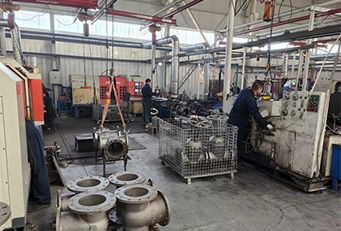
The construction of a female needle valve necessitates careful material selection to ensure compatibility with the intended fluid media and operating conditions. Common body materials include 316/304 stainless steel for corrosive environments, brass for non-corrosive applications, and carbon steel with protective coatings for general-purpose use. The valve stem and needle are typically manufactured from hardened stainless steel alloys (e.g., 410, 420) to resist wear and erosion. Seals are frequently composed of PTFE (Teflon), PEEK, or Viton, selected for their chemical inertness and temperature resistance. Manufacturing processes begin with the forging or machining of the valve body. Subsequent steps include precision drilling to create the flow path and seat, and threading the female connection end. The needle is then meticulously ground and polished to achieve a smooth, leak-tight seal against the valve seat. Critical parameters during manufacturing include dimensional accuracy of the needle and seat, surface finish to minimize friction, and thread quality to ensure proper sealing. Welding, if employed, requires stringent quality control to prevent porosity and maintain structural integrity. Material traceability is crucial, documenting the alloy composition and heat treatment processes for each component. The selection of materials is often driven by NACE standards (MR0175/MR0103) for sour gas and corrosive environments.
Performance & Engineering
The performance of a female needle valve is heavily influenced by its hydrodynamic design and the precise machining of its internal components. Flow analysis, often employing computational fluid dynamics (CFD), is used to optimize the valve’s flow path and minimize pressure drop. The valve’s coefficient of flow (Cv) is a critical performance parameter, indicating the flow rate at a given pressure differential. Engineering considerations include force analysis to determine the torque required to operate the handwheel, and stress analysis to ensure the valve body can withstand the maximum operating pressure. Environmental resistance is paramount; valves intended for outdoor use must be protected against corrosion and UV degradation. Compliance requirements vary by industry and geographic location, encompassing standards such as ANSI/FCI 70-2, which defines performance testing procedures, and PED (Pressure Equipment Directive) for European markets. The seat design is crucial for achieving leak-tight shutoff, with common configurations including metal-to-metal, soft seat, and conical seat designs. The valve’s resilience to thermal shock and vibration are also critical performance factors. Proper stem packing selection and installation are essential to prevent stem leakage and maintain valve integrity under fluctuating temperatures and pressures.
Technical Specifications
| Parameter | Specification (Typical) | Unit | Testing Standard |
|---|---|---|---|
| Maximum Operating Pressure | Up to 10,000 | psi | ASME B16.34 |
| Temperature Range | -60 to 400 | °F | ASTM E203 |
| Cv (Flow Coefficient) | 0.01 – 1.0 | - | FCI 70-2 |
| Connection Type | Female NPT, BSPT, BSPP | - | ISO 7/1 |
| Body Material | 316 Stainless Steel, Brass, Carbon Steel | - | ASTM A743/A744 |
| Seal Material | PTFE, PEEK, Viton | - | ASTM D2000 |
Failure Mode & Maintenance
Female needle valves are susceptible to several failure modes, primarily stemming from erosion, corrosion, and mechanical stress. Fatigue cracking can occur in the valve stem due to repeated cycling, particularly under high-pressure conditions. Erosion of the needle and seat leads to leakage and reduced flow control accuracy. Corrosion, especially in aggressive fluid environments, can degrade the valve body and internal components. Common maintenance procedures include periodic inspection of the valve body for corrosion or cracks, replacement of worn seals, and lubrication of the valve stem. Failure analysis often reveals the root cause of failure, such as improper material selection, excessive operating pressure, or inadequate maintenance. Preventive maintenance programs should include regular testing of the valve’s shutoff capability and flow characteristics. Seat damage is frequently identified through leak testing using air or nitrogen. Stem packing should be checked and replaced if it exhibits signs of degradation or leakage. The use of appropriate thread sealant during reassembly is crucial to prevent leaks at the connection points. Regular calibration of flow settings is recommended to maintain accurate flow control. Proper storage procedures, protecting the valve from moisture and contamination, are essential to extend its service life.
Industry FAQ
Q: What is the impact of fluid viscosity on the Cv value of a needle valve?
A: Fluid viscosity significantly impacts the Cv value. Higher viscosity fluids exhibit increased resistance to flow, resulting in a lower Cv value. The relationship is not linear; as viscosity increases, the reduction in Cv becomes more pronounced. It's crucial to consult viscosity correction factors when selecting a valve for viscous fluids to ensure adequate flow capacity.
Q: How does the valve seat material affect the suitability for specific fluids?
A: Valve seat material dictates compatibility with the fluid. PTFE seats offer broad chemical resistance but have temperature limitations. Metal seats are suitable for high-temperature applications and offer excellent mechanical strength, but may not be compatible with corrosive fluids. PEEK seats provide a balance of chemical resistance and temperature tolerance.
Q: What are the key considerations when selecting a needle valve for high-pressure applications?
A: For high-pressure applications, prioritize valve body material strength (e.g., 316 Stainless Steel), ensure the valve is rated for the maximum operating pressure, and choose a robust seat design to prevent leakage. Regular inspection for fatigue cracking is critical. Employ stress relieving techniques during manufacturing for high pressure valves.
Q: How can I minimize the risk of galling between the needle and seat?
A: Galling can be minimized by using compatible materials for the needle and seat, applying a suitable lubricant, and ensuring a smooth surface finish on both components. Avoid operating the valve at excessive speeds, as this can exacerbate galling.
Q: What is the best way to determine if a needle valve is leaking?
A: Leak testing using air or nitrogen at a controlled pressure is the most reliable method. A soap solution applied to the valve body and connections can reveal bubbles indicating a leak. Ultrasonic leak detection is another advanced method.
Conclusion
Female needle valves represent a critical component in precise fluid control systems, offering reliable performance and durability when appropriately specified and maintained. Their unique ability to modulate flow with high accuracy distinguishes them from other valve types. The selection process demands a thorough understanding of fluid compatibility, operating conditions, and relevant industry standards.
Continued advancements in materials science and manufacturing techniques are driving the development of needle valves with enhanced performance characteristics, including improved leak-tightness, reduced pressure drop, and extended service life. Future trends include the integration of smart technologies, such as position feedback sensors and automated control systems, to optimize valve operation and enhance process efficiency.
-
Top Reasons to Choose a Stainless Steel Flange Check Valve for Industrial Applications
-
teejet check valve Performance Analysis
-
8 inch check valve Performance Analysis
-
wafer style check valves Performance Analysis
-
3 4 spring check valve Performance Analysis
-
butterfly check valves Performance Analysis
-
electric check valve Performance Engineering
-
electric check valves Performance Analysis
-
Threaded Check Valves Performance Analysis
-
6 inch check valve Performance Analysis
-
8 check valve Performance Analysis
-
diaphragm check valve Material Science Manufacturing
-
dual plate check valve Performance Analysis
-
check valve 6 inch Material Science
-
diaphragm check valves Performance Analysis
 Afrikaans
 Albanian
 Amharic
 Arabic
 Armenian
 Azerbaijani
 Basque
 Belarusian
 Bengali
 Bosnian
 Bulgarian
 Catalan
 Cebuano
 Corsican
 Croatian
 Czech
Czech
 Danish
 Dutch
Dutch
 Esperanto
 Estonian
 Finnish
 French
 Frisian
 Galician
 Georgian
 German
 Greek
Greek
 Gujarati
 Haitian Creole
 Hausa
Hawaiian
Hausa
Hawaiian
 Hebrew
 Hindi
Hindi
 Miao
Miao
 Hungarian
 Icelandic
 Igbo
Igbo
 Indonesian
 Irish
Irish
 Italian
 Japanese
 Javanese
Kannada
Javanese
Kannada
 Kazakh
 Khmer
Khmer
 Rwandese
 Korean
 Kurdish
 Kyrgyz
 Lao
Lao
 Latin
Latin
 Latvian
 Lithuanian
 Luxembourgish
 Macedonian
 Malgashi
 Malay
Malay
 Malayalam
 Maltese
 Maori
Maori
 Marathi
 Mongolian
 Myanmar
 Nepali
 Norwegian
 Norwegian
 Occitan
 Pashto
 Persian
 Polish
 Portuguese
Punjabi
Portuguese
Punjabi
 Romanian
 Russian
 Samoan
 Scottish Gaelic
 Serbian
 Sesotho
 Shona
Shona
 Sindhi
 Sinhala
 Slovak
 Slovenian
 Somali
 Spanish
 Sundanese
 Swahili
 Swedish
Tagalog
Swedish
Tagalog
 Tajik
Tajik
 Tamil
Tamil
 Tatar
Tatar
 Telugu
 Thai
Thai
 Turkish
 Turkmen
 Ukrainian
 Urdu
Urdu
 Uighur
 Uzbek
Uzbek
 Vietnamese
 Welsh
Welsh
 Bantu
Bantu
 Yiddish
 Yoruba
 Zulu
Zulu
 English