




Float Valve Performance Analysis

Introduction
Float valves are mechanical devices utilized to automatically control liquid levels within a tank or vessel. Positioned within the industrial chain, they function as critical components in process control systems, serving applications spanning water treatment, chemical processing, fuel management, and hydraulic systems. Unlike pressure-activated or electrically-controlled valves, float valves operate solely on the buoyancy principle, offering inherent reliability and energy independence. Their core performance characteristic is maintaining a predetermined liquid level, preventing overfilling or running dry, thereby safeguarding equipment and optimizing process efficiency. A key pain point in many industries is the need for consistently reliable level control without the complexity and maintenance requirements of more sophisticated systems. Float valves directly address this need, offering a cost-effective and robust solution.
Material Science & Manufacturing
The construction of a float valve typically involves several materials, each chosen for specific properties. Valve bodies are commonly crafted from brass (CA360, C46400) due to its corrosion resistance in many fluids, machinability, and cost-effectiveness. However, in aggressive chemical environments, stainless steel (304, 316) or polymers like polypropylene (PP) and polyvinyl chloride (PVC) are preferred. The float itself is often made of hollow plastic (polyethylene, polypropylene) providing buoyancy, or stainless steel for applications requiring greater durability and resistance to temperature extremes. Manufacturing processes vary depending on material. Brass bodies are frequently produced via investment casting or sand casting, followed by machining for precise dimensions and smooth sealing surfaces. Polymer components are typically injection molded, controlling parameters such as melt temperature, injection pressure, and cooling rate to ensure dimensional accuracy and material integrity. Stainless steel components may be formed through machining, stamping, or forging. A critical parameter is surface finish on sealing surfaces; roughness must be minimized to prevent leakage. Welding (in stainless steel construction) requires careful control of shielding gas and heat input to avoid oxidation and maintain structural integrity. Post-processing treatments like passivation are essential for stainless steel to enhance corrosion resistance. Proper material selection based on fluid compatibility is paramount; for example, using brass in ammonia-rich environments will lead to dezincification and valve failure.
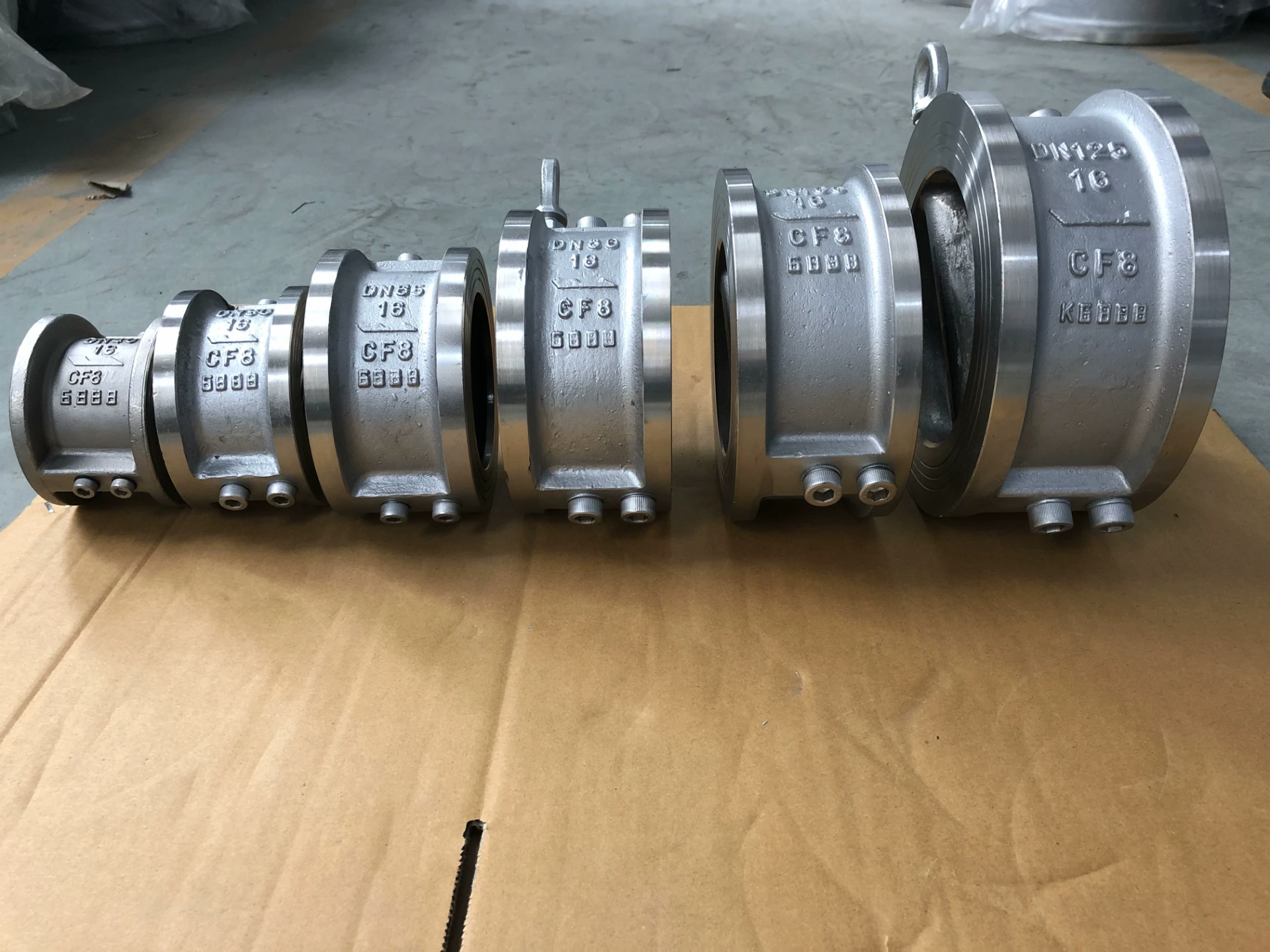
Performance & Engineering
The performance of a float valve is governed by principles of hydrostatic force and buoyancy. The valve opens and closes based on the vertical position of the float, which is directly proportional to the liquid level. The force exerted by the liquid on the float must overcome the weight of the float and the spring force (if present) to open the valve. This requires a careful engineering analysis of the buoyancy force (Fb = ρgV, where ρ is fluid density, g is gravitational acceleration, and V is the volume of the float) and the spring force (Fs = kx, where k is the spring constant and x is the spring deflection). Environmental resistance is a key consideration. Temperature fluctuations can alter fluid density and viscosity, impacting the valve’s response time. Extreme temperatures can also affect the mechanical properties of the valve materials, leading to deformation or failure. Compliance requirements often dictate materials certification (e.g., NSF/ANSI 61 for potable water applications) and pressure testing standards. Valve sizing is critical; undersized valves restrict flow, while oversized valves can exhibit erratic behavior. The valve’s inlet and outlet connections must be compatible with the system piping, considering pressure ratings and thread types (NPT, BSPT, etc.). Fatigue analysis is important for valves subjected to repeated opening and closing cycles, evaluating stress concentrations and potential crack propagation at critical junctions.
Technical Specifications
| Parameter | Typical Value (Brass Body, Polypropylene Float) | Typical Value (Stainless Steel 316 Body, Stainless Steel Float) | Units |
|---|---|---|---|
| Maximum Pressure | 10 | 20 | bar |
| Maximum Temperature | 80 | 150 | °C |
| Flow Rate (at 1 bar pressure drop) | 0.5 - 2 | 1 - 5 | m³/h |
| Connection Size | 1/2", 3/4", 1" | 1/2", 3/4", 1", 1.5" | inches |
| Float Material | Polypropylene | Stainless Steel 316 | - |
| Body Material | Brass (CA360) | Stainless Steel 316 | - |
Failure Mode & Maintenance
Float valves are susceptible to several failure modes. Sediment buildup within the valve body can obstruct flow and impede the float’s movement, causing erratic operation or complete failure. Corrosion, particularly in brass valves exposed to corrosive fluids, leads to material degradation and leakage. Fatigue cracking can occur in the float arm or hinge points due to repeated stress cycles. Delamination of polymeric floats can result in loss of buoyancy and valve malfunction. Oxidation of stainless steel components at high temperatures can compromise their structural integrity. Maintenance involves periodic inspection for sediment buildup and corrosion. Regular cleaning with appropriate solvents is essential. Lubrication of moving parts (hinge points) reduces friction and prevents wear. Replacing worn or corroded components (float, seals, valve seat) restores functionality. For stainless steel valves, passivation treatment can be reapplied to maintain corrosion resistance. A preventative maintenance schedule should be established based on the operating environment and fluid characteristics. Failure analysis of returned valves should focus on identifying the root cause of failure (e.g., corrosion, erosion, mechanical stress) to improve design and material selection.
Industry FAQ
Q: What is the impact of fluid viscosity on the response time of a float valve?
A: Higher fluid viscosity increases the drag force on the float, slowing down its response time. This can lead to delayed valve opening or closing, resulting in level fluctuations. Valve sizing and float design must account for the expected fluid viscosity range.
Q: How does temperature affect the accuracy of a float valve?
A: Temperature changes alter fluid density and can also cause thermal expansion or contraction of valve components. This affects the buoyancy force and the valve's set point, potentially leading to inaccurate level control. Temperature compensation mechanisms or careful material selection are necessary for applications with significant temperature variations.
Q: What materials are best suited for float valves handling aggressive chemicals?
A: For aggressive chemicals, stainless steel (316, Alloy 20), PTFE (Teflon), and polypropylene are preferred. The specific material choice depends on the chemical’s compatibility with the material. A chemical resistance chart should be consulted to ensure long-term durability and prevent material degradation.
Q: What are the common causes of leakage in float valves?
A: Leakage can be caused by sediment buildup on the valve seat, damage to the valve seat or float, corrosion of valve components, or improper tightening of connections. Regular inspection and maintenance, including cleaning and replacement of worn parts, are essential to prevent leakage.
Q: How can I ensure proper grounding of a float valve in a potentially explosive environment?
A: In hazardous environments, ensure the valve body is electrically conductive and properly grounded to prevent static electricity buildup. Use grounding straps and connections that comply with relevant safety standards (e.g., ATEX, IECEx). Material selection should prioritize static dissipation characteristics.
Conclusion
Float valves represent a reliable and cost-effective solution for liquid level control across a wide range of industrial applications. Their operation, rooted in fundamental principles of buoyancy and hydrostatic force, offers simplicity and energy independence. However, proper material selection, careful engineering design considering environmental factors, and diligent maintenance are crucial for ensuring long-term performance and preventing failure. Understanding the potential failure modes – from sediment buildup and corrosion to fatigue cracking and material degradation – allows for proactive maintenance strategies and informed component replacement.
Future advancements in float valve technology may focus on integrating smart sensors and remote monitoring capabilities, enhancing diagnostic capabilities and enabling predictive maintenance. Furthermore, exploring new materials with improved corrosion resistance and mechanical properties will extend valve lifespan in challenging environments. The continued demand for reliable, low-maintenance level control solutions ensures the float valve will remain a vital component in numerous industrial processes for years to come.
-
Top Reasons to Choose a Stainless Steel Flange Check Valve for Industrial Applications
-
teejet check valve Performance Analysis
-
8 inch check valve Performance Analysis
-
wafer style check valves Performance Analysis
-
3 4 spring check valve Performance Analysis
-
butterfly check valves Performance Analysis
-
electric check valve Performance Engineering
-
electric check valves Performance Analysis
-
Threaded Check Valves Performance Analysis
-
6 inch check valve Performance Analysis
-
8 check valve Performance Analysis
-
diaphragm check valve Material Science Manufacturing
-
dual plate check valve Performance Analysis
-
check valve 6 inch Material Science
-
diaphragm check valves Performance Analysis
 Afrikaans
 Albanian
 Amharic
 Arabic
 Armenian
 Azerbaijani
 Basque
 Belarusian
 Bengali
 Bosnian
 Bulgarian
 Catalan
 Cebuano
 Corsican
 Croatian
 Czech
Czech
 Danish
 Dutch
Dutch
 Esperanto
 Estonian
 Finnish
 French
 Frisian
 Galician
 Georgian
 German
 Greek
Greek
 Gujarati
 Haitian Creole
 Hausa
Hawaiian
Hausa
Hawaiian
 Hebrew
 Hindi
Hindi
 Miao
Miao
 Hungarian
 Icelandic
 Igbo
Igbo
 Indonesian
 Irish
Irish
 Italian
 Japanese
 Javanese
Kannada
Javanese
Kannada
 Kazakh
 Khmer
Khmer
 Rwandese
 Korean
 Kurdish
 Kyrgyz
 Lao
Lao
 Latin
Latin
 Latvian
 Lithuanian
 Luxembourgish
 Macedonian
 Malgashi
 Malay
Malay
 Malayalam
 Maltese
 Maori
Maori
 Marathi
 Mongolian
 Myanmar
 Nepali
 Norwegian
 Norwegian
 Occitan
 Pashto
 Persian
 Polish
 Portuguese
Punjabi
Portuguese
Punjabi
 Romanian
 Russian
 Samoan
 Scottish Gaelic
 Serbian
 Sesotho
 Shona
Shona
 Sindhi
 Sinhala
 Slovak
 Slovenian
 Somali
 Spanish
 Sundanese
 Swahili
 Swedish
Tagalog
Swedish
Tagalog
 Tajik
Tajik
 Tamil
Tamil
 Tatar
Tatar
 Telugu
 Thai
Thai
 Turkish
 Turkmen
 Ukrainian
 Urdu
Urdu
 Uighur
 Uzbek
Uzbek
 Vietnamese
 Welsh
Welsh
 Bantu
Bantu
 Yiddish
 Yoruba
 Zulu
Zulu
 English