




Gas needle valve Performance Analysis
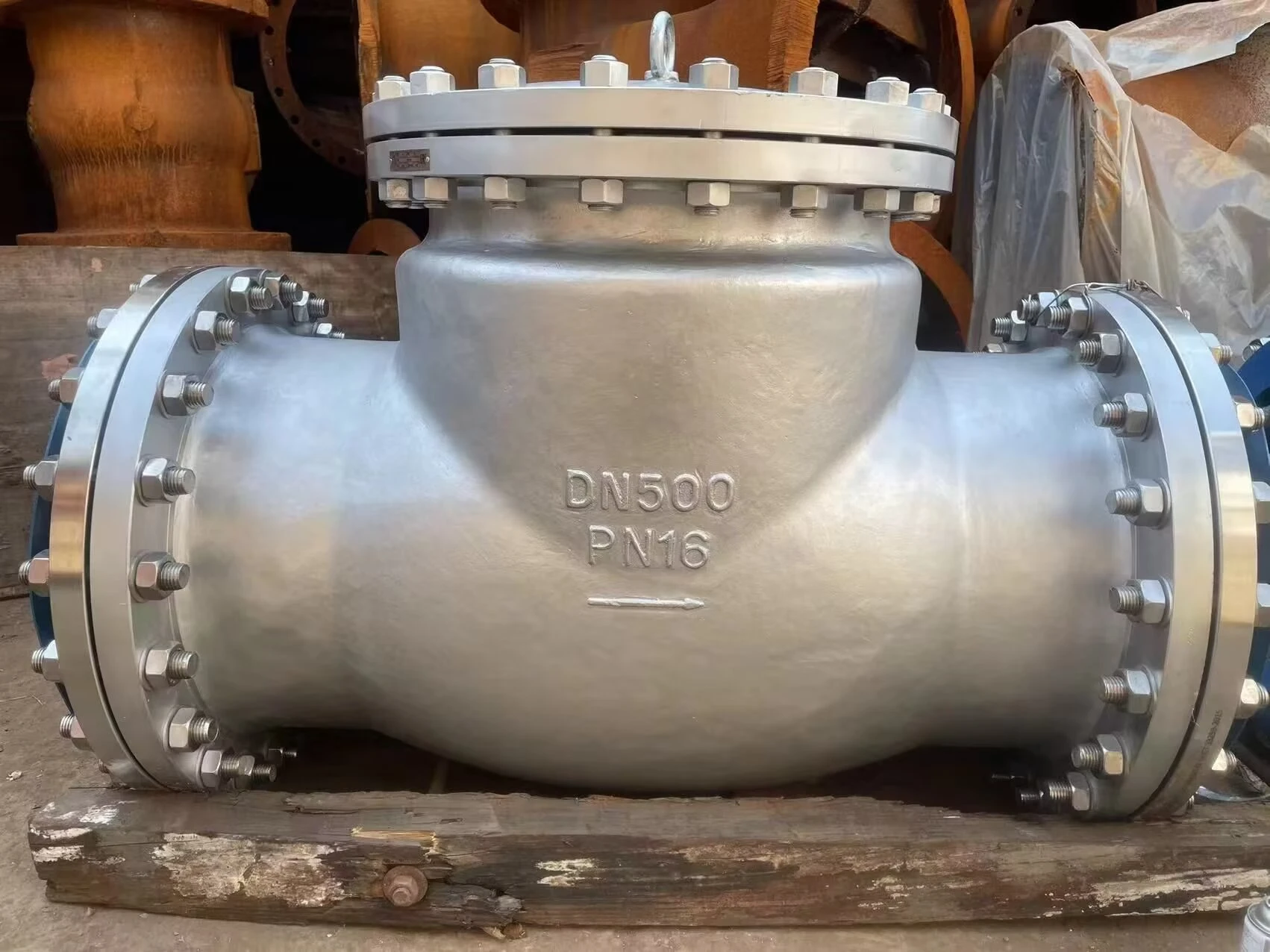
Introduction
Gas needle valves are precision flow control devices utilized extensively in industrial gas handling systems. Positioned within the broader valve technology landscape, they offer significantly more granular control than conventional ball or gate valves, particularly at low flow rates. Their primary function is to precisely meter the flow of gases, typically in applications demanding accurate control, such as analytical instruments, pilot plant operations, gas chromatography, and laboratory experiments. This guide will detail the material science, manufacturing processes, performance characteristics, failure modes, and maintenance procedures associated with gas needle valves, adhering to relevant industry standards. The core performance metric is Cv (Coefficient of Flow), reflecting the valve's capacity to pass a specific volume of gas at a given pressure drop. A key industry pain point lies in ensuring leak-tight operation at high pressures and maintaining consistent flow rates over extended periods despite potential particulate contamination or temperature fluctuations.
Material Science & Manufacturing
Gas needle valves are typically manufactured from stainless steel (304, 316, 316L being common grades) due to their excellent corrosion resistance and compatibility with a wide range of gases. The valve body, stem, and cone are frequently constructed from these alloys. The cone and seat, critical for sealing, often employ hardened materials like Stellite or tungsten carbide to maximize wear resistance and maintain leak-tightness. Seals, vital for preventing external leakage, are typically made from materials such as PTFE (Teflon), PEEK, or Kalrez, chosen based on the specific gas handled and operating temperature. Manufacturing processes include precision machining of the valve body and stem, followed by lapping and polishing of the cone and seat to achieve a smooth, consistent sealing surface. The stem is often subjected to surface hardening techniques to enhance durability. Key parameter control during manufacturing involves maintaining tight tolerances on the cone angle, seat geometry, and surface finish. Welding processes, if utilized (e.g., for valve body fabrication), require stringent quality control to prevent porosity and ensure structural integrity. Material traceability is crucial, particularly for high-purity gas applications where contamination is a major concern. The chemical compatibility of all materials with the intended gas is paramount; for example, valves used with corrosive gases like chlorine require specialized alloys like Hastelloy.

Performance & Engineering
The performance of a gas needle valve is primarily dictated by its flow characteristics and sealing capability. Force analysis focuses on the force required to actuate the stem and the clamping force between the cone and seat. Higher clamping forces generally improve sealing but increase actuation torque. Environmental resistance is a critical consideration, particularly in outdoor or corrosive environments. Materials selection plays a crucial role in mitigating corrosion, oxidation, and UV degradation. Compliance requirements vary depending on the application and geographical location. For example, valves used in flammable gas systems must comply with standards such as ATEX (Europe) or FM/CSA (North America). Functional implementation involves careful consideration of the valve's position in the gas handling system, ensuring proper upstream and downstream piping connections. Flow calculations and pressure drop assessments are essential to select a valve with the appropriate Cv rating for the desired flow rate. The valve's hysteresis (the difference between the flow rate for increasing and decreasing stem positions) must be minimized for precise control. Leak testing, typically performed with helium or nitrogen, is crucial to verify the valve’s sealing performance.
Technical Specifications
| Parameter | Typical Value (Units) | Operating Range | Standard Compliance |
|---|---|---|---|
| Maximum Pressure Rating | 500 PSI | Vacuum to 1000 PSI | ASME B16.34 |
| Cv (Coefficient of Flow) | 0.01 - 1.0 | Application Specific | ISA 75.1 |
| Operating Temperature | -60°C to 200°C | -196°C to 400°C (depending on seal material) | ASTM E83 |
| Connection Type | 1/4" NPT, 1/8" NPT, Swagelok | Various, depending on requirements | ISO 7-1 |
| Leak Rate | <1 x 10⁻⁶ SCCM | Application Specific | ANSI/FCI 70-2 |
| Body Material | 316 Stainless Steel | 304, 316L, Hastelloy | ASTM A240 |
Failure Mode & Maintenance
Common failure modes for gas needle valves include seat erosion (leading to leakage), stem packing failure (resulting in external leakage), and cone damage (caused by particulate contamination or excessive force). Fatigue cracking can occur in the stem due to repeated actuation cycles. Delamination of the seat material can also lead to leakage. Oxidation of internal components can occur at high temperatures, reducing valve performance. Maintenance procedures include regular inspection of the valve body, stem, cone, and seat for signs of wear or damage. Stem packing should be replaced periodically to prevent leakage. Cleaning the valve with an appropriate solvent can remove particulate contamination. Lapping and polishing the cone and seat can restore sealing performance. For critical applications, preventive maintenance schedules should be implemented based on operating conditions and usage frequency. Proper lubrication of the stem threads is also essential for smooth operation. Failure analysis, involving metallographic examination of failed components, can identify the root cause of failure and prevent recurrence. Consideration should be given to replacing the entire valve if significant corrosion or erosion is detected.
Industry FAQ
Q: What is the significance of the Cv value when selecting a gas needle valve?
A: The Cv value is a critical parameter that indicates the valve’s capacity to pass a specific volume of gas at a given pressure drop. Selecting a valve with an appropriate Cv is crucial to ensure the desired flow rate without excessive pressure loss. Undersized valves will restrict flow, while oversized valves may provide insufficient control at low flow rates.
Q: How does temperature affect the performance of a gas needle valve?
A: Temperature variations can affect the valve’s sealing performance and flow characteristics. Increased temperatures can cause thermal expansion of valve components, potentially leading to leakage. Changes in gas density due to temperature fluctuations also influence flow rates. Selecting seal materials that are compatible with the operating temperature range is essential.
Q: What are the best materials for a gas needle valve used in a corrosive gas application?
A: For corrosive gas applications, materials such as Hastelloy, Monel, or other corrosion-resistant alloys are recommended for the valve body, stem, and cone. The seal material must also be chemically compatible with the gas. PTFE or Kalrez are often suitable choices, but the specific compatibility should be verified.
Q: How can I prevent particulate contamination from damaging a gas needle valve?
A: Installing a filter upstream of the valve is the most effective way to prevent particulate contamination. Regular inspection and cleaning of the valve are also important. Using a valve with a hardened cone and seat can improve its resistance to abrasive wear.
Q: What maintenance procedures should be followed to ensure long-term reliability of a gas needle valve?
A: Regular inspection of the valve for leaks and wear is crucial. The stem packing should be replaced periodically, and the valve should be cleaned to remove any accumulated debris. Lapping and polishing the cone and seat can restore sealing performance. Following a preventive maintenance schedule based on operating conditions is highly recommended.
Conclusion
Gas needle valves are essential components in precise gas handling systems, offering accurate flow control in a variety of industrial applications. Their performance is heavily reliant on material selection, meticulous manufacturing processes, and consistent maintenance. Understanding the potential failure modes and adhering to relevant industry standards are critical for ensuring long-term reliability and safe operation. The selection of appropriate materials, particularly for corrosive gas environments, and implementing a robust preventive maintenance program, are paramount to maximizing valve lifespan and minimizing downtime.
Looking ahead, advancements in valve design and materials science will likely focus on improving sealing performance, reducing hysteresis, and enhancing resistance to extreme temperatures and pressures. The integration of smart technologies, such as automated flow control and remote monitoring, could further optimize the performance and efficiency of gas needle valves in increasingly complex industrial processes. Continuous improvement in manufacturing techniques will also drive down costs and improve the overall quality of these critical components.
-
Top Reasons to Choose a Stainless Steel Flange Check Valve for Industrial Applications
-
teejet check valve Performance Analysis
-
8 inch check valve Performance Analysis
-
wafer style check valves Performance Analysis
-
3 4 spring check valve Performance Analysis
-
butterfly check valves Performance Analysis
-
electric check valve Performance Engineering
-
electric check valves Performance Analysis
-
Threaded Check Valves Performance Analysis
-
6 inch check valve Performance Analysis
-
8 check valve Performance Analysis
-
diaphragm check valve Material Science Manufacturing
-
dual plate check valve Performance Analysis
-
check valve 6 inch Material Science
-
diaphragm check valves Performance Analysis
 Afrikaans
 Albanian
 Amharic
 Arabic
 Armenian
 Azerbaijani
 Basque
 Belarusian
 Bengali
 Bosnian
 Bulgarian
 Catalan
 Cebuano
 Corsican
 Croatian
 Czech
Czech
 Danish
 Dutch
Dutch
 Esperanto
 Estonian
 Finnish
 French
 Frisian
 Galician
 Georgian
 German
 Greek
Greek
 Gujarati
 Haitian Creole
 Hausa
Hawaiian
Hausa
Hawaiian
 Hebrew
 Hindi
Hindi
 Miao
Miao
 Hungarian
 Icelandic
 Igbo
Igbo
 Indonesian
 Irish
Irish
 Italian
 Japanese
 Javanese
Kannada
Javanese
Kannada
 Kazakh
 Khmer
Khmer
 Rwandese
 Korean
 Kurdish
 Kyrgyz
 Lao
Lao
 Latin
Latin
 Latvian
 Lithuanian
 Luxembourgish
 Macedonian
 Malgashi
 Malay
Malay
 Malayalam
 Maltese
 Maori
Maori
 Marathi
 Mongolian
 Myanmar
 Nepali
 Norwegian
 Norwegian
 Occitan
 Pashto
 Persian
 Polish
 Portuguese
Punjabi
Portuguese
Punjabi
 Romanian
 Russian
 Samoan
 Scottish Gaelic
 Serbian
 Sesotho
 Shona
Shona
 Sindhi
 Sinhala
 Slovak
 Slovenian
 Somali
 Spanish
 Sundanese
 Swahili
 Swedish
Tagalog
Swedish
Tagalog
 Tajik
Tajik
 Tamil
Tamil
 Tatar
Tatar
 Telugu
 Thai
Thai
 Turkish
 Turkmen
 Ukrainian
 Urdu
Urdu
 Uighur
 Uzbek
Uzbek
 Vietnamese
 Welsh
Welsh
 Bantu
Bantu
 Yiddish
 Yoruba
 Zulu
Zulu
 English