




pneumatic actuator butterfly valve Performance Analysis
Introduction
Pneumatic actuator butterfly valves are integral components in industrial fluid control systems, facilitating the regulation of flow across a wide spectrum of applications including chemical processing, water treatment, HVAC, and oil & gas. These valves combine the simplicity and cost-effectiveness of a butterfly valve with the automated control offered by a pneumatic actuator. Unlike manually operated valves or those utilizing electric actuators, pneumatic actuators leverage compressed air to provide rapid, reliable, and precise positioning. The core performance characteristics – flow coefficient (Cv), pressure drop, and sealing capability – are dictated by the valve’s design, materials of construction, and the actuator’s force output. A key industry pain point revolves around ensuring long-term reliability and leak-tight shutoff under varying process conditions, particularly with aggressive media and cyclical operation. Another challenge lies in correctly sizing the actuator to match valve torque requirements to prevent both actuator failure and process disruptions.
Material Science & Manufacturing
The primary material for butterfly valve discs is commonly ductile iron (ASTM A536-83), offering a balance of strength, ductility, and corrosion resistance. However, stainless steel (304/316 – ASTM A240) is frequently specified for corrosive environments or applications demanding higher purity. Valve body materials include cast iron, ductile iron, and various stainless steel alloys. The actuator housing is typically constructed from aluminum alloy (ADC12 – EN AC-AlSi9Mg) for lightweight operation and robust durability, with internal components utilizing hardened steel for longevity. Manufacturing the butterfly valve involves several key processes. The disc is typically cast or forged, followed by machining to achieve precise dimensions and a smooth sealing surface. The valve body is cast and subsequently machined to accommodate the disc and shaft. The pneumatic actuator assembly involves precise cylinder boring, piston fitting, and spring integration. Critical parameter control during manufacturing includes dimensional accuracy of the disc and seat (to ensure proper sealing), concentricity of the disc with the shaft, and surface finish of the disc to minimize frictional losses. Welding processes, when employed (e.g., for actuator mounting), must adhere to standards like AWS D1.1 to guarantee weld integrity and prevent stress corrosion cracking. PTFE (polytetrafluoroethylene) seats are often compression molded and precisely fitted to the valve body to provide a leak-tight seal.
Performance & Engineering
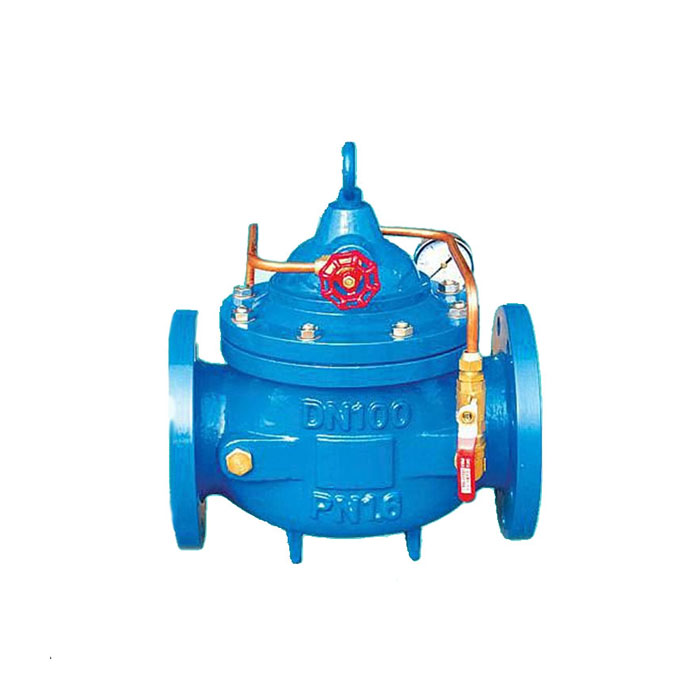
The performance of a pneumatic actuator butterfly valve is fundamentally governed by torque balance. The actuator must generate sufficient torque to overcome the fluid torque acting on the disc, plus friction within the valve. Force analysis involves calculating the fluid torque based on pressure, pipe diameter, and disc position. Environmental resistance is a significant consideration; exposure to extreme temperatures, UV radiation, and corrosive atmospheres can degrade seals and actuator components. Actuators are typically rated for specific temperature ranges and require appropriate materials selection for harsh environments. Compliance requirements vary by industry and geographic location. For example, valves used in potable water systems must comply with NSF/ANSI 61 standards for lead content and material safety. Valves used in hazardous locations must meet ATEX or IECEx standards for explosion protection. Functional implementation relies on a 3/2-way or 5/2-way pneumatic valve to control air flow to the actuator, resulting in either opening or closing action. Spring return mechanisms are frequently incorporated to ensure the valve returns to a safe position (e.g., closed) in the event of air supply failure. Proper actuator sizing is crucial, calculated based on the valve’s Kv/Cv value, the pressure drop across the valve, and the required closing/opening time.
Technical Specifications
| Parameter | Unit | Specification (Common Range) | Testing Standard |
|---|---|---|---|
| Valve Size | inch | 2" - 24" | MSS SP-61 |
| Pressure Rating | psi | 150 - 600 | ANSI B16.34 |
| Actuator Type | - | Rack and Pinion, Scotch Yoke | ISO 5211 |
| Actuator Supply Pressure | psi | 40 - 100 | ISO 4413 |
| Operating Temperature | °F | -20 to 200 (depending on seal material) | ASTM E203 |
| Leakage Rate | % of Full Scale | <0.1 | FCI 70-2 |
Failure Mode & Maintenance
Common failure modes for pneumatic actuator butterfly valves include seat erosion leading to leakage, actuator diaphragm rupture, corrosion of valve body or disc, and cylinder seal failure within the actuator. Fatigue cracking can occur in the disc due to cyclical loading, particularly at stress concentration points around the shaft. Delamination of PTFE seats can happen due to thermal cycling or exposure to aggressive chemicals. Oxidation of metal components, especially in high-temperature environments, contributes to material degradation. Regular maintenance is crucial for preventing these failures. This includes periodic inspection of seals for wear and tear, lubrication of actuator moving parts, checking for corrosion, and testing the actuator’s response time. Diaphragm replacement should be scheduled based on operating hours and application severity. Preventive maintenance programs should incorporate torque checks on the actuator to ensure proper operation and identify potential binding issues. For seat erosion, consider using hardened seat materials or applying protective coatings. In case of actuator failure, a thorough assessment is needed to determine if the entire actuator needs replacement or if only specific components (e.g., piston seals, springs) can be repaired. Non-destructive testing (NDT) methods like ultrasonic testing can be employed to detect internal cracks or flaws in valve body and disc.
Industry FAQ
Q: What is the impact of media compatibility on seal selection for a pneumatic actuator butterfly valve used in a sulfuric acid application?
A: Sulfuric acid is highly corrosive. Standard elastomers like nitrile or EPDM will rapidly degrade. The optimal seal material is typically PTFE (polytetrafluoroethylene) due to its exceptional chemical resistance. However, even PTFE can be affected by high concentrations and temperatures, so reinforced PTFE (e.g., with carbon fiber or glass fiber) is often preferred. The concentration and temperature of the sulfuric acid must be precisely known to ensure the selected PTFE compound is suitable. Regular inspection and replacement of the seal are critical due to the aggressive nature of the media.
Q: How does the actuator’s mounting configuration (NAMUR vs. direct) influence valve performance and maintenance requirements?
A: NAMUR mounting (VDI/VDE 3845) is a standardized mounting interface for pneumatic actuators, providing interchangeability between actuators from different manufacturers. Direct mounting connects the actuator directly to the valve stem without an intermediate bracket. NAMUR mounting generally simplifies actuator replacement and offers more flexibility, but it can introduce some slight play in the system. Direct mounting offers a more rigid connection, potentially improving precision, but limits actuator interchangeability. Maintenance is generally easier with NAMUR mounting due to the standardized components and accessibility.
Q: What considerations should be taken into account when sizing a pneumatic actuator for a butterfly valve handling abrasive slurries?
A: Abrasive slurries increase the torque required to operate the valve significantly. The actuator must be oversized to overcome the increased friction and potential for jamming. Consider using a valve design with a resilient seat to accommodate particle impingement. Select an actuator with a robust spring return mechanism to ensure reliable closing even if the slurry builds up. Regularly inspect and replace the seat and disc as wear will accelerate in abrasive applications.
Q: What are the implications of using dry air vs. filtered/lubricated air for pneumatic actuator operation?
A: Using dry, unfiltered air can lead to corrosion within the actuator cylinder and premature wear of seals and moving parts. Filtered air removes particulate matter, preventing abrasive damage. Lubricated air provides a protective coating on internal components, reducing friction and extending actuator life. However, excessive lubrication can attract dirt and form sludge, potentially causing valve malfunction. A properly maintained air preparation system (filter, regulator, lubricator – FRL) is essential for optimal actuator performance and longevity.
Q: How do temperature fluctuations impact the performance of a pneumatic actuator butterfly valve, and what mitigation strategies can be employed?
A: Temperature fluctuations can affect the viscosity of the compressed air, altering the actuator's speed and force output. Extreme temperatures can also cause seals to swell or contract, leading to leakage. Mitigation strategies include selecting actuator seals compatible with the expected temperature range, using temperature-compensated regulators in the pneumatic system, and providing insulation to minimize temperature variations. For applications with extreme temperature swings, consider using a heated or cooled actuator housing.
Conclusion
Pneumatic actuator butterfly valves represent a versatile and cost-effective solution for a wide range of fluid control applications. Their performance is intrinsically linked to careful material selection, precise manufacturing processes, and diligent maintenance practices. Understanding the potential failure modes, such as seat erosion, actuator diaphragm rupture, and corrosion, is paramount for ensuring long-term reliability and minimizing downtime.
Proper actuator sizing, consideration of media compatibility, and adherence to relevant industry standards (ASTM, ISO) are vital for optimal operation and compliance. Continued advancements in sealing materials, actuator designs, and monitoring technologies promise to further enhance the performance and longevity of these critical components in industrial processing environments.
-
Top Reasons to Choose a Stainless Steel Flange Check Valve for Industrial Applications
-
teejet check valve Performance Analysis
-
8 inch check valve Performance Analysis
-
wafer style check valves Performance Analysis
-
3 4 spring check valve Performance Analysis
-
butterfly check valves Performance Analysis
-
electric check valve Performance Engineering
-
electric check valves Performance Analysis
-
Threaded Check Valves Performance Analysis
-
6 inch check valve Performance Analysis
-
8 check valve Performance Analysis
-
diaphragm check valve Material Science Manufacturing
-
dual plate check valve Performance Analysis
-
check valve 6 inch Material Science
-
diaphragm check valves Performance Analysis
 Afrikaans
 Albanian
 Amharic
 Arabic
 Armenian
 Azerbaijani
 Basque
 Belarusian
 Bengali
 Bosnian
 Bulgarian
 Catalan
 Cebuano
 Corsican
 Croatian
 Czech
Czech
 Danish
 Dutch
Dutch
 Esperanto
 Estonian
 Finnish
 French
 Frisian
 Galician
 Georgian
 German
 Greek
Greek
 Gujarati
 Haitian Creole
 Hausa
Hawaiian
Hausa
Hawaiian
 Hebrew
 Hindi
Hindi
 Miao
Miao
 Hungarian
 Icelandic
 Igbo
Igbo
 Indonesian
 Irish
Irish
 Italian
 Japanese
 Javanese
Kannada
Javanese
Kannada
 Kazakh
 Khmer
Khmer
 Rwandese
 Korean
 Kurdish
 Kyrgyz
 Lao
Lao
 Latin
Latin
 Latvian
 Lithuanian
 Luxembourgish
 Macedonian
 Malgashi
 Malay
Malay
 Malayalam
 Maltese
 Maori
Maori
 Marathi
 Mongolian
 Myanmar
 Nepali
 Norwegian
 Norwegian
 Occitan
 Pashto
 Persian
 Polish
 Portuguese
Punjabi
Portuguese
Punjabi
 Romanian
 Russian
 Samoan
 Scottish Gaelic
 Serbian
 Sesotho
 Shona
Shona
 Sindhi
 Sinhala
 Slovak
 Slovenian
 Somali
 Spanish
 Sundanese
 Swahili
 Swedish
Tagalog
Swedish
Tagalog
 Tajik
Tajik
 Tamil
Tamil
 Tatar
Tatar
 Telugu
 Thai
Thai
 Turkish
 Turkmen
 Ukrainian
 Urdu
Urdu
 Uighur
 Uzbek
Uzbek
 Vietnamese
 Welsh
Welsh
 Bantu
Bantu
 Yiddish
 Yoruba
 Zulu
Zulu
 English