




stainless steel knife gate valve Performance Analysis
Introduction
Stainless steel knife gate valves are critical components in fluid handling systems across a diverse range of industries, including chemical processing, water and wastewater treatment, pulp and paper, mining, and food and beverage. Positioned as a quarter-turn valve, its primary function is to isolate or regulate the flow of liquids, slurries, and gases. Unlike traditional gate valves featuring a sliding gate, the knife gate valve utilizes a sharp-edged ‘knife’ that shears through the media, enabling effective closure even with solids-laden fluids or viscous substances. The selection of stainless steel alloys, primarily 304, 316, and duplex stainless steels, provides robust corrosion resistance, essential for prolonged service life in harsh environments. This guide provides a comprehensive technical overview of stainless steel knife gate valves, covering material science, manufacturing processes, performance characteristics, failure modes, and applicable industry standards.
Material Science & Manufacturing
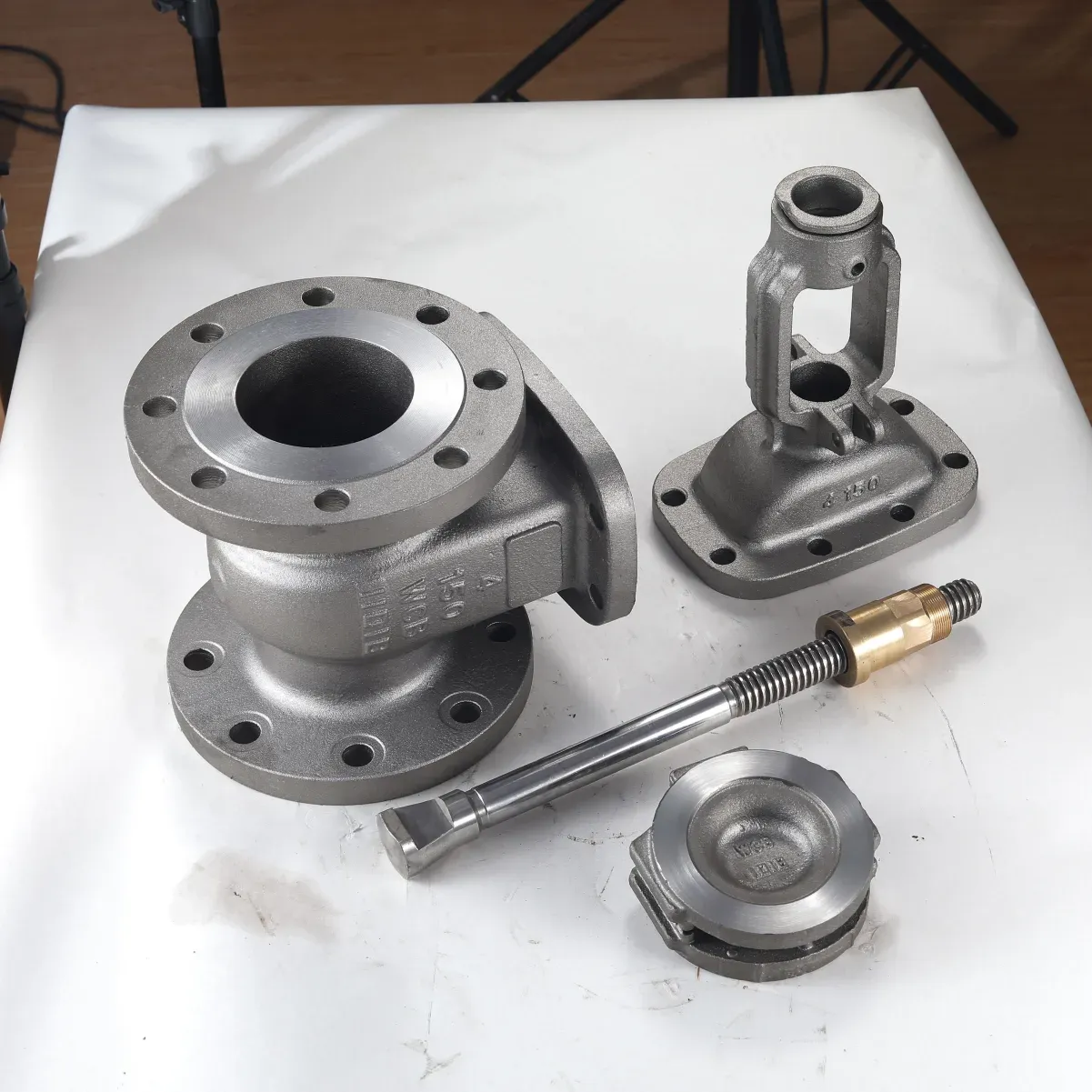
The core material for stainless steel knife gate valves is, unsurprisingly, stainless steel. Commonly employed grades include 304/304L, 316/316L, and duplex stainless steels (e.g., 2205). 304/304L offers good corrosion resistance in general applications. The addition of molybdenum in 316/316L significantly enhances resistance to chloride pitting and crevice corrosion, making it suitable for seawater and other halide-containing environments. Duplex stainless steels combine high strength with excellent corrosion resistance. The “L” designation indicates low carbon content, minimizing carbide precipitation during welding, thereby improving weldability and preventing intergranular corrosion. The knife itself is often hardened to RC 60-65 through heat treatment for enhanced wear resistance. Body construction typically involves investment casting or sand casting followed by machining. Seats are commonly made from elastomers like EPDM, Viton, or PTFE, selected based on fluid compatibility and temperature range. Manufacturing involves precise machining of valve body and knife components, followed by surface finishing (typically polishing) to reduce friction and enhance flow characteristics. Welding procedures must adhere to ASME Section IX for certified welders and qualified weld procedures. Key parameters controlled during manufacturing include material composition verification via Positive Material Identification (PMI), dimensional accuracy using Coordinate Measuring Machines (CMM), and non-destructive testing (NDT) such as liquid penetrant inspection (LPI) and radiographic testing (RT) to detect defects.
Performance & Engineering
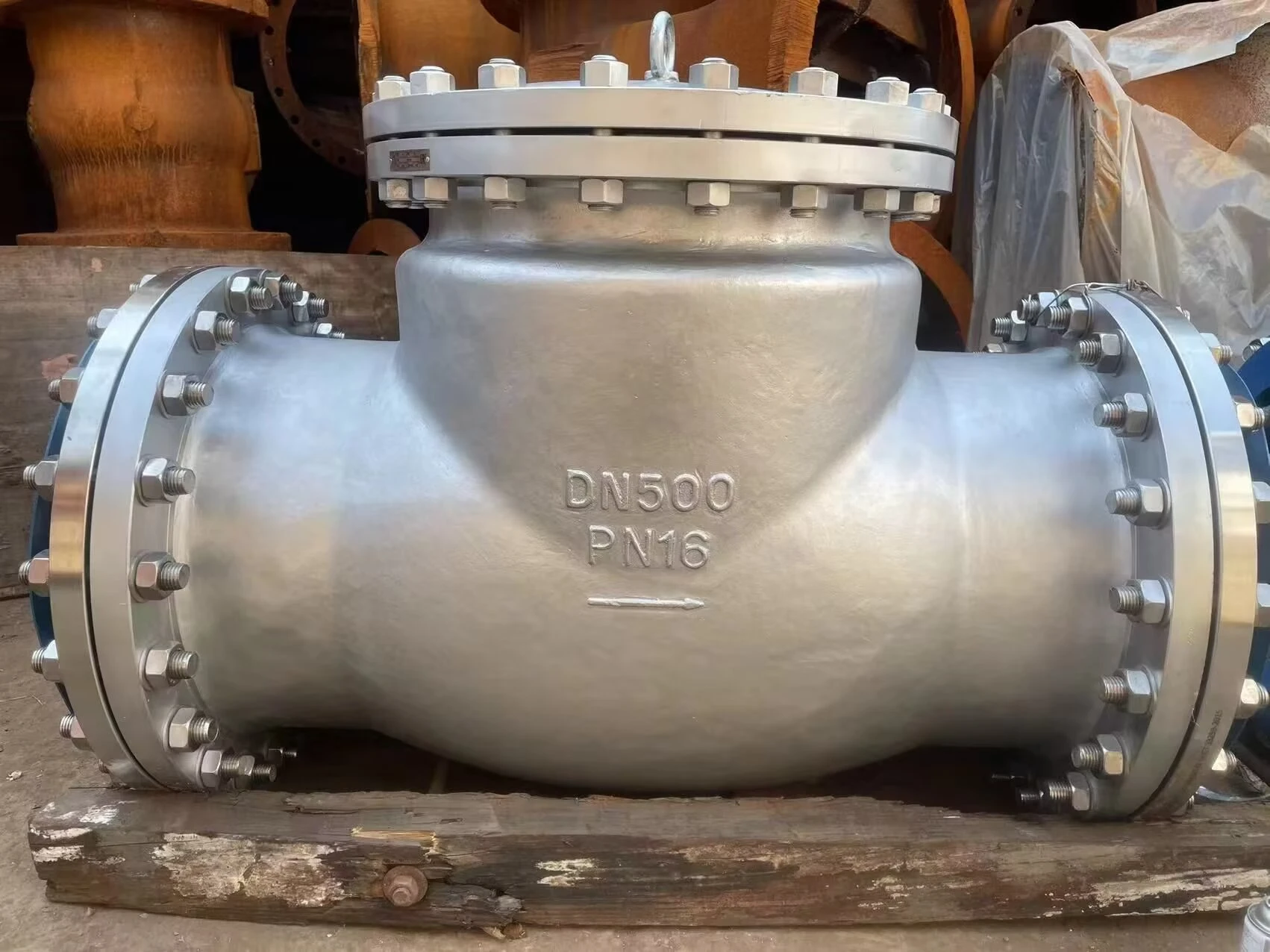
Knife gate valve performance is evaluated based on several critical parameters. Seat leakage rate, measured in mL/min or ppm, determines the valve's ability to provide tight shut-off. Flow coefficient (Cv) indicates the valve's capacity to handle fluid flow with minimal pressure drop. Torque requirements are crucial for actuator sizing; higher fluid viscosity and solids content demand increased torque. Environmental resistance encompasses temperature range, pressure rating (typically up to ANSI Class 600), and chemical compatibility. The knife-to-seat contact area, influenced by seat material and knife geometry, dictates sealing efficiency and wear resistance. Force analysis is vital during design to ensure the body can withstand internal pressure and external loads. Finite Element Analysis (FEA) is frequently employed to simulate stress distribution and identify potential failure points. Compliance with standards such as ANSI/FCI 70-2, BS EN 12516-1, and API 598 ensures dimensional accuracy, pressure testing protocols, and performance criteria. Cavitation resistance is also an important consideration; proper valve sizing and operating conditions can minimize cavitation damage to the knife and body.
Technical Specifications
| Parameter | Unit | 304 Stainless Steel | 316 Stainless Steel |
|---|---|---|---|
| Maximum Operating Pressure | psi | 200 | 250 |
| Temperature Range | °F | -20 to 450 | -20 to 650 |
| Cv Value (12” Valve, Full Bore) | - | 850 | 850 |
| Seat Material Options | - | EPDM, Viton, PTFE | EPDM, Viton, PTFE |
| Body Material | - | 304/304L | 316/316L |
| Knife Material Hardness | RC | 60-65 | 60-65 |
Failure Mode & Maintenance
Common failure modes for stainless steel knife gate valves include seat damage (erosion, tearing, or chemical degradation), knife wear (blunting or corrosion), body erosion (particularly with abrasive slurries), and stem seal leakage. Fatigue cracking can occur under cyclic loading, especially at weld joints. Corrosion, especially pitting and crevice corrosion, is a significant concern in chloride-rich environments. Galvanic corrosion can occur if dissimilar metals are in contact. To mitigate these issues, regular inspection and preventative maintenance are crucial. Maintenance includes periodic seat replacement, knife sharpening or replacement, stem seal packing adjustment or replacement, and lubrication of moving parts. Non-destructive testing (NDT) such as ultrasonic testing (UT) can detect internal cracks or corrosion. Proper valve sizing to avoid excessive fluid velocity minimizes erosion. Selection of compatible seat materials and alloys appropriate for the process fluid prevents chemical degradation and corrosion. Regular torque checks ensure proper valve operation and identify potential issues before they escalate. Proper storage and handling during installation and maintenance prevent damage and contamination. For valves exposed to aggressive media, consider protective coatings or cladding to enhance corrosion resistance.
Industry FAQ
Q: What is the primary advantage of a knife gate valve over a ball valve in slurry applications?
A: Knife gate valves excel in slurry applications due to their straight-through flow path and the knife's ability to shear through solids, minimizing clogging and pressure drop. Ball valves, with their internal ball and seats, can be prone to solids buildup and erosion, leading to reduced performance and increased maintenance.
Q: How does the choice of seat material affect valve performance with different chemicals?
A: Seat material compatibility is paramount. EPDM offers good resistance to many chemicals but is not suitable for hydrocarbons. Viton provides excellent resistance to oils, fuels, and chemicals, but has a limited temperature range. PTFE offers broad chemical compatibility and a wide temperature range but may exhibit creep under high loads.
Q: What are the implications of selecting a 316 stainless steel valve over a 304 stainless steel valve?
A: 316 stainless steel provides superior corrosion resistance, particularly against chloride-induced pitting and crevice corrosion. This makes it ideal for marine environments, chemical processing involving chlorides, or applications where prolonged exposure to corrosive substances is expected. 304 is sufficient for less demanding environments.
Q: How do you determine the appropriate valve actuator size for a specific application?
A: Actuator sizing requires calculating the maximum torque needed to operate the valve under all foreseeable conditions, including maximum fluid pressure, viscosity, and solids content. Factors like valve size, seat friction, and stem friction are also considered. Safety factors are applied to ensure reliable operation.
Q: What are the key considerations for preventing galvanic corrosion in a knife gate valve system?
A: Galvanic corrosion occurs when dissimilar metals are in contact in the presence of an electrolyte. To prevent it, avoid direct contact between incompatible metals (e.g., stainless steel and carbon steel). Use dielectric unions or sleeves to isolate dissimilar metals. Cathodic protection can be employed in severe environments.
Conclusion
Stainless steel knife gate valves represent a robust and versatile solution for fluid handling in a wide array of industrial applications. Their ability to effectively isolate and control the flow of fluids, including those containing solids, combined with the inherent corrosion resistance of stainless steel alloys, ensures long-term reliability and minimal maintenance. Careful material selection, precise manufacturing processes, and adherence to industry standards are critical for optimal performance.
Looking ahead, advancements in materials science, such as the development of super-duplex stainless steels and improved elastomer formulations, will continue to enhance the capabilities of these valves. Furthermore, the integration of smart valve technologies, including remote monitoring and predictive maintenance capabilities, will further optimize their operation and minimize downtime.
-
Top Reasons to Choose a Stainless Steel Flange Check Valve for Industrial Applications
-
teejet check valve Performance Analysis
-
8 inch check valve Performance Analysis
-
wafer style check valves Performance Analysis
-
3 4 spring check valve Performance Analysis
-
butterfly check valves Performance Analysis
-
electric check valve Performance Engineering
-
electric check valves Performance Analysis
-
Threaded Check Valves Performance Analysis
-
6 inch check valve Performance Analysis
-
8 check valve Performance Analysis
-
diaphragm check valve Material Science Manufacturing
-
dual plate check valve Performance Analysis
-
check valve 6 inch Material Science
-
diaphragm check valves Performance Analysis
 Afrikaans
 Albanian
 Amharic
 Arabic
 Armenian
 Azerbaijani
 Basque
 Belarusian
 Bengali
 Bosnian
 Bulgarian
 Catalan
 Cebuano
 Corsican
 Croatian
 Czech
Czech
 Danish
 Dutch
Dutch
 Esperanto
 Estonian
 Finnish
 French
 Frisian
 Galician
 Georgian
 German
 Greek
Greek
 Gujarati
 Haitian Creole
 Hausa
Hawaiian
Hausa
Hawaiian
 Hebrew
 Hindi
Hindi
 Miao
Miao
 Hungarian
 Icelandic
 Igbo
Igbo
 Indonesian
 Irish
Irish
 Italian
 Japanese
 Javanese
Kannada
Javanese
Kannada
 Kazakh
 Khmer
Khmer
 Rwandese
 Korean
 Kurdish
 Kyrgyz
 Lao
Lao
 Latin
Latin
 Latvian
 Lithuanian
 Luxembourgish
 Macedonian
 Malgashi
 Malay
Malay
 Malayalam
 Maltese
 Maori
Maori
 Marathi
 Mongolian
 Myanmar
 Nepali
 Norwegian
 Norwegian
 Occitan
 Pashto
 Persian
 Polish
 Portuguese
Punjabi
Portuguese
Punjabi
 Romanian
 Russian
 Samoan
 Scottish Gaelic
 Serbian
 Sesotho
 Shona
Shona
 Sindhi
 Sinhala
 Slovak
 Slovenian
 Somali
 Spanish
 Sundanese
 Swahili
 Swedish
Tagalog
Swedish
Tagalog
 Tajik
Tajik
 Tamil
Tamil
 Tatar
Tatar
 Telugu
 Thai
Thai
 Turkish
 Turkmen
 Ukrainian
 Urdu
Urdu
 Uighur
 Uzbek
Uzbek
 Vietnamese
 Welsh
Welsh
 Bantu
Bantu
 Yiddish
 Yoruba
 Zulu
Zulu
 English