




stainless steel pipe fitting Performance Analysis
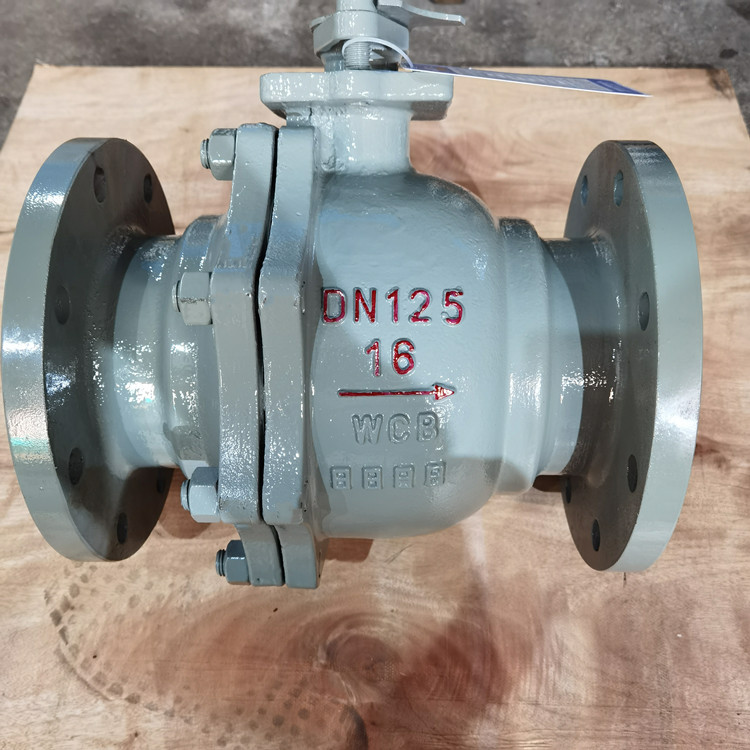
Introduction
Stainless steel pipe fittings are critical components in piping systems utilized across a vast range of industries, including chemical processing, oil & gas, pharmaceutical manufacturing, food & beverage production, and water treatment. They facilitate connections between pipe sections, enabling changes in direction, branching, and the control of fluid flow. Their corrosion resistance, high strength, and durability make them preferable to carbon steel alternatives in many applications. This guide provides a comprehensive technical overview of stainless steel pipe fittings, covering material science, manufacturing processes, performance characteristics, failure modes, and relevant industry standards. The selection of the correct fitting grade and configuration is paramount to ensure long-term system integrity and prevent costly failures, representing a significant pain point for procurement and engineering professionals. The ongoing challenge lies in balancing initial cost with lifecycle performance and ensuring compliance with increasingly stringent regulatory requirements.
Material Science & Manufacturing
The primary material for stainless steel pipe fittings is, unsurprisingly, stainless steel. The specific alloy grade dictates the properties of the fitting. Common grades include 304/304L, 316/316L, and duplex stainless steels like 2205. 304/304L offers good corrosion resistance in many environments and is readily weldable. The 'L' designation indicates low carbon content, minimizing carbide precipitation during welding which can lead to intergranular corrosion. 316/316L provides enhanced corrosion resistance, particularly against chlorides, due to the addition of molybdenum. Duplex stainless steels combine austenitic and ferritic microstructures, offering superior strength and corrosion resistance, but can be more challenging to weld. Raw material properties such as tensile strength, yield strength, elongation, and hardness are meticulously controlled during steel production, typically through electric arc furnace (EAF) melting and subsequent refining processes like Argon Oxygen Decarburization (AOD).
Manufacturing processes vary depending on fitting type and size. Forging is common for larger diameter fittings, providing excellent mechanical properties. The process involves heating a billet of stainless steel and shaping it under compressive forces. Seamless fittings are often produced via extrusion or piercing processes. Welded fittings, manufactured by welding pre-formed sections of stainless steel, are a cost-effective option, but the weld quality is crucial and requires stringent non-destructive testing (NDT) such as radiographic inspection (RT) and ultrasonic testing (UT). Machining is employed to achieve precise dimensions and smooth surface finishes. Key parameter control includes maintaining consistent forging temperatures, precise weld parameters (current, voltage, gas shielding), and appropriate machining speeds and feeds. Surface passivation, typically using nitric acid, is critical to enhance corrosion resistance by forming a protective chromium oxide layer.
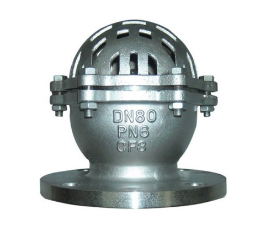
Performance & Engineering
The performance of stainless steel pipe fittings is governed by several engineering principles. Pressure containment is paramount; fittings must withstand the internal pressure of the fluid being conveyed without failure. Force analysis, utilizing finite element analysis (FEA), is often employed to model stress distribution and identify potential weak points, particularly in complex fitting geometries. Fatigue resistance is also crucial, especially in systems subject to cyclic loading or vibration. Environmental resistance is a major consideration, dictating material selection based on the chemical composition of the fluid and the operating temperature. For example, exposure to chlorides can lead to pitting corrosion in certain stainless steel grades. Compliance requirements, such as ASME B31.3 for process piping, dictate allowable stresses, inspection procedures, and documentation requirements. Functional implementation relies on proper fitting selection (e.g., elbow angle, tee branch diameter) to maintain flow characteristics and minimize pressure drop.
Corrosion prevention is critical. Passivation, as previously mentioned, establishes a protective layer. However, crevice corrosion can occur in stagnant areas, especially in chloride-rich environments. Proper design to minimize crevices and the use of welded fittings rather than threaded fittings can mitigate this risk. Galvanic corrosion can also occur when dissimilar metals are in contact; careful material selection is essential to avoid this. Regular inspections and maintenance, including cleaning and passivation, are vital to maintaining long-term performance.
Technical Specifications
| Material Grade | Tensile Strength (MPa) | Yield Strength (MPa) | Elongation (%) | Corrosion Resistance | Operating Temperature Range (°C) |
|---|---|---|---|---|---|
| 304/304L | 517-724 | 205-276 | 30-45 | Good (General Corrosion) | -196 to 427 |
| 316/316L | 517-790 | 205-310 | 35-50 | Excellent (Chloride Resistance) | -196 to 450 |
| 2205 (Duplex) | 780-930 | 480-620 | 20-25 | Superior (Pitting & Crevice) | -50 to 350 |
| Pressure Rating (PN) | PN6 | PN10 | PN16 | PN25 | PN40 |
| Wall Thickness (mm) | 1.5 | 2.0 | 2.5 | 3.0 | 3.5 |
| Fitting Type | Elbow (90°) | Tee | Reducer | Coupling | Flange |
Failure Mode & Maintenance
Stainless steel pipe fittings are susceptible to several failure modes. Pitting corrosion, as discussed earlier, can initiate localized attack, leading to perforation. Crevice corrosion occurs in shielded areas. Intergranular corrosion can result from improper heat treatment or welding, causing grain boundary weakening. Stress corrosion cracking (SCC) can occur in the presence of tensile stress and specific corrosive agents. Fatigue cracking can develop under cyclic loading. Erosion corrosion can occur in systems with high flow velocities and abrasive particles. Oxidation can also degrade the material at elevated temperatures.
Preventive maintenance is crucial. Regular visual inspections should be conducted to identify signs of corrosion, cracks, or leaks. Non-destructive testing (NDT) methods, such as liquid penetrant testing (LPT) and magnetic particle inspection (MPI), can detect surface cracks. Hydrostatic testing verifies the integrity of the system under pressure. Periodic cleaning removes contaminants that can contribute to corrosion. Re-passivation treatments can restore the protective chromium oxide layer. If a fitting is found to be damaged or corroded, it should be replaced immediately. Proper torqueing of bolted connections is essential to prevent leaks and ensure structural integrity. Record keeping of inspection and maintenance activities is vital for tracking performance and identifying potential issues.
Industry FAQ
Q: What is the difference between 304L and 304 stainless steel, and when should I use the 'L' grade?
A: The primary difference is carbon content. 304L contains less carbon than 304, typically less than 0.03%. This lower carbon content minimizes carbide precipitation during welding, which reduces the risk of intergranular corrosion. The 'L' grade is recommended for applications involving welding, particularly where post-weld heat treatment is not feasible, or in severely corrosive environments where sensitization is a concern.
Q: How do I select the correct pressure rating for a stainless steel pipe fitting?
A: The pressure rating must be compatible with the maximum operating pressure of the system, with an appropriate safety factor. Consider the fluid temperature, as pressure ratings often decrease at higher temperatures. Consult the fitting manufacturer's specifications and relevant piping codes (e.g., ASME B31.3) for guidance. Never exceed the rated pressure of any component in the system.
Q: What are the common causes of pitting corrosion in stainless steel pipe fittings?
A: Pitting corrosion is typically initiated by the presence of chlorides or other halides in the environment. Localized breakdown of the passive layer can occur, leading to small, deep pits. Crevices, stagnant areas, and surface imperfections can exacerbate the problem. Insufficient passivation or exposure to abrasive particles can also contribute to pitting.
Q: What non-destructive testing (NDT) methods are commonly used to inspect stainless steel pipe fittings?
A: Common NDT methods include visual inspection (VT), liquid penetrant testing (LPT) for surface cracks, magnetic particle inspection (MPI) for ferromagnetic materials, radiographic testing (RT) for internal defects, and ultrasonic testing (UT) for thickness measurements and internal flaw detection. The specific method chosen depends on the type of fitting, the potential failure modes, and the applicable inspection standards.
Q: Is there a significant cost difference between using forged versus welded stainless steel pipe fittings?
A: Generally, forged fittings are more expensive than welded fittings, particularly for larger diameters. Forging requires more material and a more complex manufacturing process. However, forged fittings typically offer superior mechanical properties and are preferred for critical applications. Welded fittings can be a cost-effective alternative when weld quality is rigorously controlled and properly inspected.
Conclusion
Stainless steel pipe fittings are essential components in numerous industrial applications, providing reliable and corrosion-resistant fluid conveyance. Careful material selection, based on the specific operating environment and fluid characteristics, is paramount. Understanding the manufacturing processes, potential failure modes, and relevant industry standards is critical for ensuring long-term system integrity and minimizing maintenance costs. The continued development of duplex and super-duplex stainless steel alloys offers improved performance characteristics, but requires specialized welding and fabrication techniques.
As regulatory requirements become more stringent and the demand for increased efficiency grows, the focus on lifecycle cost analysis and preventative maintenance will intensify. Investing in high-quality fittings, coupled with robust inspection and maintenance programs, will prove to be a cost-effective strategy in the long run. Future innovations in corrosion monitoring technologies and predictive maintenance will further enhance the reliability and performance of stainless steel piping systems.
-
Top Reasons to Choose a Stainless Steel Flange Check Valve for Industrial Applications
-
electric check valve Performance Engineering
-
electric check valves Performance Analysis
-
Threaded Check Valves Performance Analysis
-
6 inch check valve Performance Analysis
-
8 check valve Performance Analysis
-
diaphragm check valve Material Science Manufacturing
-
dual plate check valve Performance Analysis
-
check valve 6 inch Material Science
-
diaphragm check valves Performance Analysis
-
dual plate check valves Performance Analysis
-
vertical check valves Material Science Manufacturing
-
8 check valves Performance Analysis
-
refrigeration check valves Performance Analysis
-
pilot check valve Performance Analysis
 Afrikaans
 Albanian
 Amharic
 Arabic
 Armenian
 Azerbaijani
 Basque
 Belarusian
 Bengali
 Bosnian
 Bulgarian
 Catalan
 Cebuano
 Corsican
 Croatian
 Czech
Czech
 Danish
 Dutch
Dutch
 Esperanto
 Estonian
 Finnish
 French
 Frisian
 Galician
 Georgian
 German
 Greek
Greek
 Gujarati
 Haitian Creole
 Hausa
Hawaiian
Hausa
Hawaiian
 Hebrew
 Hindi
Hindi
 Miao
Miao
 Hungarian
 Icelandic
 Igbo
Igbo
 Indonesian
 Irish
Irish
 Italian
 Japanese
 Javanese
Kannada
Javanese
Kannada
 Kazakh
 Khmer
Khmer
 Rwandese
 Korean
 Kurdish
 Kyrgyz
 Lao
Lao
 Latin
Latin
 Latvian
 Lithuanian
 Luxembourgish
 Macedonian
 Malgashi
 Malay
Malay
 Malayalam
 Maltese
 Maori
Maori
 Marathi
 Mongolian
 Myanmar
 Nepali
 Norwegian
 Norwegian
 Occitan
 Pashto
 Persian
 Polish
 Portuguese
Punjabi
Portuguese
Punjabi
 Romanian
 Russian
 Samoan
 Scottish Gaelic
 Serbian
 Sesotho
 Shona
Shona
 Sindhi
 Sinhala
 Slovak
 Slovenian
 Somali
 Spanish
 Sundanese
 Swahili
 Swedish
Tagalog
Swedish
Tagalog
 Tajik
Tajik
 Tamil
Tamil
 Tatar
Tatar
 Telugu
 Thai
Thai
 Turkish
 Turkmen
 Ukrainian
 Urdu
Urdu
 Uighur
 Uzbek
Uzbek
 Vietnamese
 Welsh
Welsh
 Bantu
Bantu
 Yiddish
 Yoruba
 Zulu
Zulu
 English