




stainless steel solenoid valve Performance Analysis
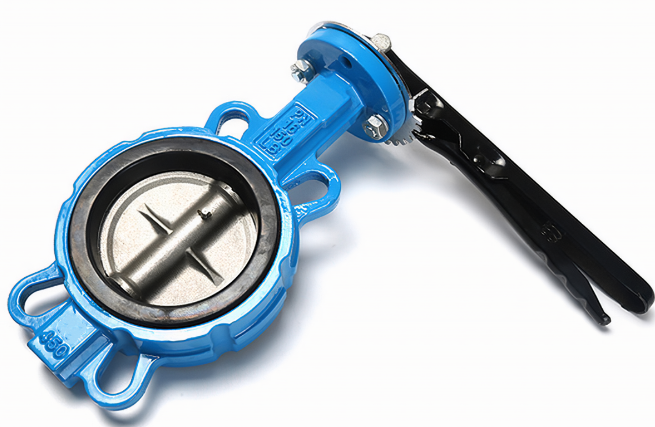
Introduction
Stainless steel solenoid valves are electromechanically operated valves used to control the flow of fluids, including gases and liquids. Employing a solenoid coil to actuate a plunger that opens or closes the valve orifice, these components are crucial in a wide range of industrial applications including process control, irrigation, chemical processing, and medical equipment. Their selection over other valve types stems from their fast response times, reliability, and suitability for remote operation. The use of stainless steel as the primary material of construction provides corrosion resistance, mechanical strength, and compatibility with a broad spectrum of media. This guide will provide an in-depth technical overview of stainless steel solenoid valves, encompassing materials, manufacturing, performance, failure modes, and industry standards. A key pain point in selecting these valves revolves around ensuring material compatibility with the process fluid to prevent corrosion and maintain operational lifespan, along with verifying the valve's pressure and flow rate capabilities meet process demands.
Material Science & Manufacturing
The body of a stainless steel solenoid valve is typically constructed from grades 304 or 316 stainless steel, selected for their superior corrosion resistance and mechanical properties. 304 stainless steel, an austenitic stainless steel, contains approximately 18% chromium and 8% nickel, providing excellent resistance to oxidation and general corrosion in many environments. 316 stainless steel further enhances this resistance through the addition of molybdenum (2-3%), improving resistance to pitting and crevice corrosion, particularly in chloride-rich environments. The plunger and core tube are often made from 430F stainless steel, a martensitic grade chosen for its magnetic properties essential for solenoid operation. Seals are commonly constructed from materials like PTFE (Teflon), Viton (fluoroelastomer), or EPDM (ethylene propylene diene monomer), depending on the fluid compatibility requirements. Manufacturing involves several key processes. Investment casting or machining is used to form the valve body. Solenoid coils are wound with copper wire and encapsulated in a robust insulating material, typically a thermoplastic. Assembly requires precise alignment and torque control to ensure proper sealing and operation. Welding processes, such as TIG (Tungsten Inert Gas) welding, are employed for joining components, with stringent quality control to prevent porosity and maintain structural integrity. Heat treatment processes are used on martensitic stainless steels (like 430F) to achieve the desired hardness and magnetic permeability. Parameter control during these manufacturing stages, particularly temperature and duration during heat treatment, is critical to prevent material degradation and ensure consistent performance.

Performance & Engineering
The performance of a stainless steel solenoid valve is governed by several key engineering principles. Force analysis dictates the necessary solenoid coil strength to overcome the spring force and fluid pressure acting on the plunger. The magnetic force generated by the coil is proportional to the square of the current and the number of turns in the coil. Environmental resistance is a critical consideration. Stainless steel’s inherent corrosion resistance mitigates degradation in harsh chemical environments. However, exposure to extremely corrosive media (e.g., concentrated acids) or high temperatures can still compromise valve performance. Compliance requirements vary depending on the application. Valves used in food and beverage processing must comply with FDA regulations regarding material compatibility and hygiene. Valves used in hazardous areas (e.g., explosive atmospheres) must be certified to ATEX or IECEx standards. Functional implementation involves careful consideration of the valve’s operating cycle. Rapid cycling can generate heat within the solenoid coil, potentially leading to overheating and premature failure. Proper ventilation and thermal management are essential. Response time, defined as the time taken for the valve to fully open or close, is also a critical parameter, particularly in applications requiring precise control. This is affected by plunger mass, spring rate, and solenoid coil characteristics. Flow coefficient (Cv) defines the valve’s capacity to pass a specific fluid at a given pressure drop, and is a primary design consideration when selecting a valve for a particular application. Pressure ratings are also crucial and dictate the maximum allowable pressure differential the valve can withstand without leakage or failure.
Technical Specifications
| Parameter | Unit | 304 Stainless Steel Valve (Typical) | 316 Stainless Steel Valve (Typical) |
|---|---|---|---|
| Maximum Pressure | PSI | 500 | 750 |
| Operating Voltage | VDC | 12, 24, 110, 220 | 12, 24, 110, 220 |
| Flow Coefficient (Cv) | Gallons per minute per PSI | 1.5 - 10 | 1.5 - 15 |
| Operating Temperature Range | °F | -40 to 350 | -40 to 450 |
| Port Size | Inch | 1/4", 1/2", 3/4", 1" | 1/4", 1/2", 3/4", 1" |
| Body Material | - | 304 Stainless Steel | 316 Stainless Steel |
Failure Mode & Maintenance
Stainless steel solenoid valves, while robust, are susceptible to several failure modes. Fatigue cracking can occur in the valve body or plunger due to repeated cycling under pressure, especially with fluctuating loads. Corrosion, even with stainless steel, can occur if the valve is exposed to incompatible fluids or harsh environments. Pitting corrosion is a particular concern with 304 stainless steel in chloride-rich environments. Delamination, or separation of layers within the valve body, can occur due to improper welding or material defects. Degradation of seals (PTFE, Viton, EPDM) is a common failure point, leading to leakage. This degradation can be accelerated by exposure to high temperatures, aggressive chemicals, or UV radiation. Oxidation of electrical contacts within the solenoid coil can lead to increased resistance and eventual failure to actuate. Maintenance solutions include regular inspection of seals and replacement as needed. Periodic cleaning to remove debris and prevent clogging is essential. Lubrication of moving parts (if applicable) can reduce wear and friction. Conducting dielectric strength tests on the solenoid coil can identify insulation breakdown. Preventative maintenance schedules should be implemented based on the severity of the operating environment and the valve’s duty cycle. For corrosion-related failures, thorough cleaning and passivation of the stainless steel surface may restore some functionality. Regular torque checks on fasteners prevent loosening due to vibration and thermal cycling.
Industry FAQ
Q: What is the primary difference between a normally open (NO) and a normally closed (NC) stainless steel solenoid valve, and when would I choose one over the other?
A: A normally open (NO) valve is energized to close, while a normally closed (NC) valve is energized to open. NC valves are preferred for safety applications where the valve should fail closed in case of power loss, such as shutting off a hazardous gas supply. NO valves are used where the valve should fail open in case of power loss, like venting a system to atmosphere. Selection depends entirely on the process requirements and safety considerations.
Q: How does the fluid viscosity affect the performance of a stainless steel solenoid valve, and what adjustments should be made?
A: Higher viscosity fluids increase the resistance to flow, reducing the flow coefficient (Cv) and potentially slowing down response time. A larger valve size or a valve specifically designed for viscous fluids may be required to maintain the desired flow rate. Consideration should also be given to the solenoid coil's power consumption, as higher viscosity may require greater force to open the valve.
Q: What is the significance of the IP rating for a stainless steel solenoid valve, and what level of protection is typically required for outdoor applications?
A: The IP (Ingress Protection) rating defines the level of protection against solid objects and liquids. For outdoor applications, a minimum IP65 rating is recommended, which provides protection against dust-tight enclosure and water jets. IP67 offers complete protection against dust and immersion in water for a limited duration. IP68 provides higher level of water proofing.
Q: What impact does the material of the valve seat have on the valve’s leak tightness and longevity, and what are common seat material options?
A: The valve seat material is critical for achieving leak tightness and ensuring longevity. Common seat materials include PTFE, PEEK, and reinforced PTFE. PTFE provides excellent chemical resistance and low friction, but may exhibit creep under high loads. PEEK offers higher mechanical strength and temperature resistance. The seat material must be compatible with the process fluid to prevent swelling, degradation, or erosion.
Q: Can stainless steel solenoid valves be used with abrasive fluids, and what measures can be taken to mitigate wear and extend valve life?
A: While stainless steel offers good wear resistance, abrasive fluids can still cause erosion and damage to the valve internals, particularly the valve seat and plunger. Using hardened materials for the seat and plunger, incorporating a filter upstream of the valve to remove abrasive particles, and reducing the flow velocity can help mitigate wear and extend valve life.
Conclusion
Stainless steel solenoid valves represent a critical component in numerous industrial processes, offering reliable fluid control with robust corrosion resistance and mechanical strength. The selection process necessitates a thorough understanding of fluid compatibility, operating conditions, and regulatory compliance requirements. Proper material selection (304 vs 316 stainless steel), coupled with appropriate seal materials, is paramount to ensuring long-term performance and minimizing the risk of failure.
Looking ahead, advancements in materials science are focused on developing new stainless steel alloys with even greater corrosion resistance and wear properties. Furthermore, integration of smart sensors and diagnostic capabilities into solenoid valves will enable predictive maintenance and optimize system performance. Prioritizing proactive maintenance strategies and adhering to industry best practices will be essential for maximizing the lifespan and reliability of these vital components.
-
Top Reasons to Choose a Stainless Steel Flange Check Valve for Industrial Applications
-
electric check valve Performance Engineering
-
electric check valves Performance Analysis
-
Threaded Check Valves Performance Analysis
-
6 inch check valve Performance Analysis
-
8 check valve Performance Analysis
-
diaphragm check valve Material Science Manufacturing
-
dual plate check valve Performance Analysis
-
check valve 6 inch Material Science
-
diaphragm check valves Performance Analysis
-
dual plate check valves Performance Analysis
-
vertical check valves Material Science Manufacturing
-
8 check valves Performance Analysis
-
refrigeration check valves Performance Analysis
-
pilot check valve Performance Analysis
 Afrikaans
 Albanian
 Amharic
 Arabic
 Armenian
 Azerbaijani
 Basque
 Belarusian
 Bengali
 Bosnian
 Bulgarian
 Catalan
 Cebuano
 Corsican
 Croatian
 Czech
Czech
 Danish
 Dutch
Dutch
 Esperanto
 Estonian
 Finnish
 French
 Frisian
 Galician
 Georgian
 German
 Greek
Greek
 Gujarati
 Haitian Creole
 Hausa
Hawaiian
Hausa
Hawaiian
 Hebrew
 Hindi
Hindi
 Miao
Miao
 Hungarian
 Icelandic
 Igbo
Igbo
 Indonesian
 Irish
Irish
 Italian
 Japanese
 Javanese
Kannada
Javanese
Kannada
 Kazakh
 Khmer
Khmer
 Rwandese
 Korean
 Kurdish
 Kyrgyz
 Lao
Lao
 Latin
Latin
 Latvian
 Lithuanian
 Luxembourgish
 Macedonian
 Malgashi
 Malay
Malay
 Malayalam
 Maltese
 Maori
Maori
 Marathi
 Mongolian
 Myanmar
 Nepali
 Norwegian
 Norwegian
 Occitan
 Pashto
 Persian
 Polish
 Portuguese
Punjabi
Portuguese
Punjabi
 Romanian
 Russian
 Samoan
 Scottish Gaelic
 Serbian
 Sesotho
 Shona
Shona
 Sindhi
 Sinhala
 Slovak
 Slovenian
 Somali
 Spanish
 Sundanese
 Swahili
 Swedish
Tagalog
Swedish
Tagalog
 Tajik
Tajik
 Tamil
Tamil
 Tatar
Tatar
 Telugu
 Thai
Thai
 Turkish
 Turkmen
 Ukrainian
 Urdu
Urdu
 Uighur
 Uzbek
Uzbek
 Vietnamese
 Welsh
Welsh
 Bantu
Bantu
 Yiddish
 Yoruba
 Zulu
Zulu
 English