




two way needle valve Performance Engineering
Introduction
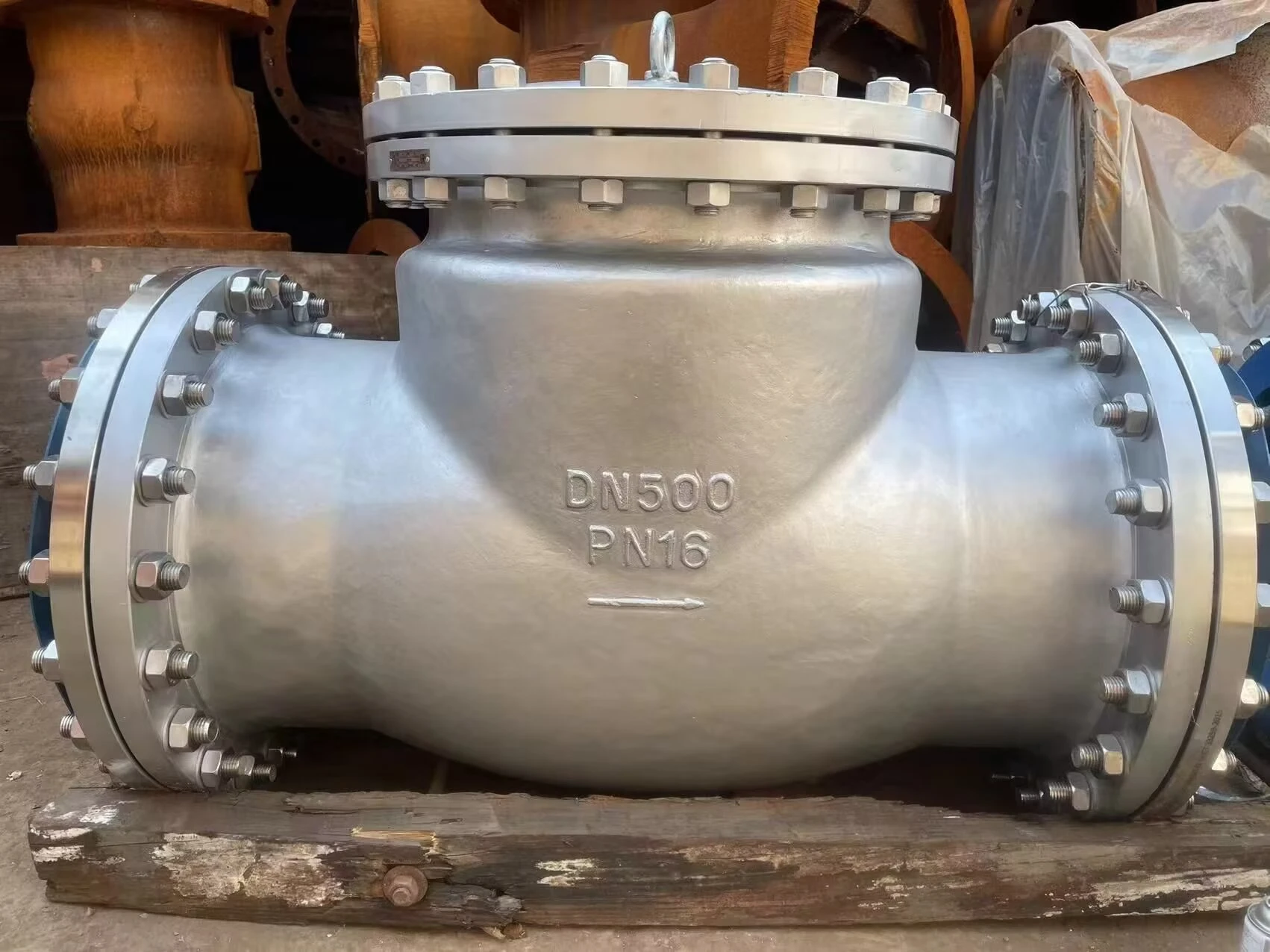
Two-way needle valves are precision fluid control devices integral to numerous industrial processes. Positioned within the fluid control valve family, they serve as critical components in regulating flow rates with high accuracy, particularly in applications demanding fine adjustments. Unlike gate valves or ball valves designed for on/off service, needle valves employ a tapered needle-shaped plunger that, when moved within a corresponding seat, modulates flow. Their primary function lies in precise metering and throttling of liquids and gases, commonly utilized in instrumentation, sampling systems, and pilot plant operations. Core performance characteristics include Cv (flow coefficient), pressure drop, and leak tightness. The industry pain point addressed by needle valves is the need for granular control where traditional valves are too coarse, avoiding system inefficiencies and ensuring accurate process control. This guide provides an in-depth technical analysis of two-way needle valves, covering material science, manufacturing, performance engineering, failure modes, and relevant industry standards.
Material Science & Manufacturing
The body of a two-way needle valve is commonly manufactured from materials exhibiting high corrosion resistance and mechanical strength. 316/316L stainless steel is prevalent due to its exceptional resistance to a broad range of corrosive media, including acids, bases, and chlorides. Carbon steel (ASTM A105) is used in less corrosive applications. For particularly aggressive fluids, materials like Hastelloy C-276 or Monel 400 are employed, offering superior chemical inertness. The needle and seat are critical components, often constructed from harder materials than the body to withstand erosion and wear. Common choices include hardened stainless steel (410, 420) or specialized alloys like Stellite. PTFE (Teflon) is a widely used seat material due to its low friction coefficient and excellent chemical resistance. Manufacturing processes involve precision machining of the valve body, requiring tight tolerances to ensure proper sealing and smooth operation. The needle is typically manufactured via CNC turning and grinding to achieve the precise taper necessary for flow control. Welding processes (TIG welding for stainless steel) must be performed with careful control of heat input to minimize distortion and maintain material integrity. Quality control involves hydrostatic testing to verify leak tightness and dimensional inspection to confirm adherence to specifications. Key parameter control during manufacturing includes surface finish of the needle and seat (Ra values), concentricity of the bore, and dimensional accuracy of the taper.
Performance & Engineering
The performance of a two-way needle valve is fundamentally dictated by fluid dynamics and mechanical engineering principles. Cv (flow coefficient) is a critical parameter, quantifying the valve’s capacity to pass flow at a given pressure drop. Accurate Cv determination is crucial for system design, preventing flow starvation or excessive pressure loss. The tapered needle design results in a non-linear flow characteristic; small changes in needle position yield significant flow variations at lower flow rates. This characteristic is advantageous for precise control but requires careful consideration in control loop design. Force analysis focuses on the torque required to operate the handwheel and the force exerted on the seat by the needle. Proper spring loading and thread design are essential for smooth, consistent operation and preventing galling or seizing. Environmental resistance is paramount, particularly in outdoor or harsh industrial environments. Valves must be rated for temperature extremes, humidity, and potential exposure to corrosive atmospheres. Compliance requirements often include pressure vessel directives (PED) for high-pressure applications and ATEX certification for use in potentially explosive atmospheres. Functional implementation involves careful selection of valve size and material based on fluid properties, operating pressure, and temperature. Leak tightness is assessed using bubble leak tests and conform to specified leak rate standards.
Technical Specifications
| Parameter | Unit | Typical Value (Stainless Steel Body) | Typical Value (Carbon Steel Body) |
|---|---|---|---|
| Maximum Working Pressure | psi | 10,000 | 6,000 |
| Temperature Range | °F | -60 to 450 | -20 to 350 |
| Cv (Water at 70°F) – 1/4" Valve | gal/min/psi | 0.35 | 0.30 |
| Connection Type | - | NPT, BSPT, Socket Weld, Butt Weld | NPT, BSPT, Socket Weld |
| Body Material | - | 316/316L Stainless Steel | Carbon Steel (A105) |
| Seat Material | - | PTFE, PEEK | PTFE |
Failure Mode & Maintenance
Failure modes in two-way needle valves are typically associated with wear, corrosion, or contamination. Erosion of the needle and seat due to particulate matter in the fluid stream is a common issue, leading to increased leakage. Galling, a form of adhesive wear, can occur if the needle and seat materials are incompatible or improperly lubricated. Corrosion, particularly in aggressive environments, can pit the valve body or needle, compromising its integrity. Fatigue cracking can occur in the stem or handwheel due to repeated cycling. Delamination of the PTFE seat can result in leakage. Oxidation of carbon steel components is also a concern. Preventative maintenance includes regular inspection for leaks, lubrication of the stem threads, and replacement of worn seats and packing. Back-flushing the valve can remove accumulated debris. For critical applications, periodic disassembly and inspection of internal components are recommended. In the event of a failure, a thorough failure analysis should be conducted to identify the root cause and prevent recurrence. This includes microscopic examination of the needle and seat surfaces, and chemical analysis of any corrosion products. Replacement parts should be sourced from reputable suppliers and meet original equipment manufacturer (OEM) specifications.
Industry FAQ
Q: What is the primary difference between a needle valve and a ball valve in terms of flow control precision?
A: Ball valves are designed for on/off service or coarse flow regulation, offering limited precision. Needle valves, with their tapered needle and seat, provide significantly finer and more accurate control over flow rates, particularly at lower flow velocities. This makes needle valves ideal for applications requiring precise metering.
Q: How does the material selection impact the service life of a needle valve in a corrosive environment?
A: Material selection is critical. Stainless steel (316/316L) provides good resistance to many common corrosives. However, for highly aggressive chemicals, alloys like Hastelloy or Monel are necessary. Using an inappropriate material will lead to rapid corrosion and valve failure.
Q: What are the potential consequences of exceeding the maximum working pressure rating of a needle valve?
A: Exceeding the maximum working pressure can cause catastrophic failure of the valve body, potentially leading to leaks, component rupture, and safety hazards. It’s crucial to ensure the valve’s pressure rating matches or exceeds the system’s operating pressure.
Q: How often should the PTFE seat be replaced in a typical application?
A: The replacement frequency depends on the fluid, pressure, temperature, and the presence of abrasive particles. Generally, PTFE seats should be inspected annually and replaced if they exhibit signs of wear, delamination, or leakage. Applications with high flow velocities or abrasive fluids will require more frequent replacement.
Q: What is the significance of the Cv value when selecting a needle valve?
A: The Cv value determines the valve’s flow capacity. Selecting a valve with an appropriate Cv ensures the desired flow rate can be achieved at the required pressure drop. An undersized valve will restrict flow, while an oversized valve may be difficult to control precisely.
Conclusion
Two-way needle valves represent a vital component in industries demanding precise fluid control. Their functionality relies on a complex interplay of material science, manufacturing precision, and sound engineering principles. Selecting the appropriate materials, understanding the valve's performance characteristics, and implementing a robust maintenance program are crucial for ensuring reliable operation and preventing premature failure.
Looking ahead, advancements in valve design, such as the integration of self-cleaning mechanisms and the development of more durable seat materials, promise to enhance the performance and longevity of needle valves. Furthermore, ongoing research into optimized flow profiles and reduced friction coefficients will continue to improve their efficiency and responsiveness. Proper application and regular inspection remain essential for maximizing the lifespan and effectiveness of these critical control devices.
-
Top Reasons to Choose a Stainless Steel Flange Check Valve for Industrial Applications
-
teejet check valve Performance Analysis
-
8 inch check valve Performance Analysis
-
wafer style check valves Performance Analysis
-
3 4 spring check valve Performance Analysis
-
butterfly check valves Performance Analysis
-
electric check valve Performance Engineering
-
electric check valves Performance Analysis
-
Threaded Check Valves Performance Analysis
-
6 inch check valve Performance Analysis
-
8 check valve Performance Analysis
-
diaphragm check valve Material Science Manufacturing
-
dual plate check valve Performance Analysis
-
check valve 6 inch Material Science
-
diaphragm check valves Performance Analysis
 Afrikaans
 Albanian
 Amharic
 Arabic
 Armenian
 Azerbaijani
 Basque
 Belarusian
 Bengali
 Bosnian
 Bulgarian
 Catalan
 Cebuano
 Corsican
 Croatian
 Czech
Czech
 Danish
 Dutch
Dutch
 Esperanto
 Estonian
 Finnish
 French
 Frisian
 Galician
 Georgian
 German
 Greek
Greek
 Gujarati
 Haitian Creole
 Hausa
Hawaiian
Hausa
Hawaiian
 Hebrew
 Hindi
Hindi
 Miao
Miao
 Hungarian
 Icelandic
 Igbo
Igbo
 Indonesian
 Irish
Irish
 Italian
 Japanese
 Javanese
Kannada
Javanese
Kannada
 Kazakh
 Khmer
Khmer
 Rwandese
 Korean
 Kurdish
 Kyrgyz
 Lao
Lao
 Latin
Latin
 Latvian
 Lithuanian
 Luxembourgish
 Macedonian
 Malgashi
 Malay
Malay
 Malayalam
 Maltese
 Maori
Maori
 Marathi
 Mongolian
 Myanmar
 Nepali
 Norwegian
 Norwegian
 Occitan
 Pashto
 Persian
 Polish
 Portuguese
Punjabi
Portuguese
Punjabi
 Romanian
 Russian
 Samoan
 Scottish Gaelic
 Serbian
 Sesotho
 Shona
Shona
 Sindhi
 Sinhala
 Slovak
 Slovenian
 Somali
 Spanish
 Sundanese
 Swahili
 Swedish
Tagalog
Swedish
Tagalog
 Tajik
Tajik
 Tamil
Tamil
 Tatar
Tatar
 Telugu
 Thai
Thai
 Turkish
 Turkmen
 Ukrainian
 Urdu
Urdu
 Uighur
 Uzbek
Uzbek
 Vietnamese
 Welsh
Welsh
 Bantu
Bantu
 Yiddish
 Yoruba
 Zulu
Zulu
 English