




china 2 in ball valve Performance Analysis

Introduction
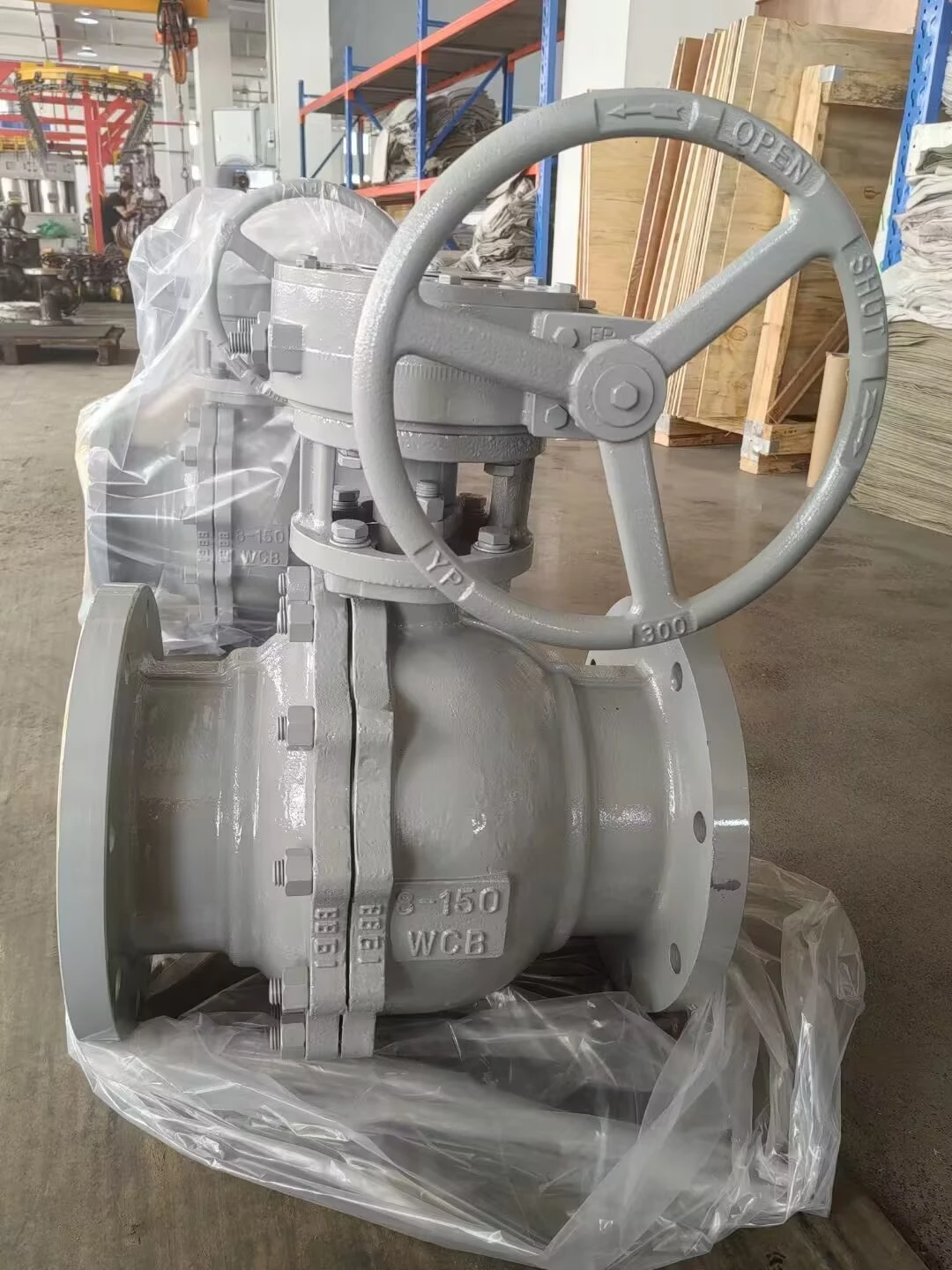
The 2-inch ball valve manufactured in China represents a critical component in fluid control systems across diverse industrial applications. Positioned as a quarter-turn valve, it utilizes a hollow, perforated, and pivoting ball to control flow. These valves are favored for their robust sealing capabilities, quick operation, and relatively low pressure drop when fully open. Within the industrial chain, they bridge the gap between upstream pipeline infrastructure and downstream process equipment, offering isolation and regulation of liquids, gases, and slurries. Core performance characteristics center around pressure rating, temperature tolerance, material compatibility, and leakage rates, all crucial considerations for reliable and safe operation. A prevalent industry pain point is the variation in quality control standards amongst Chinese manufacturers, necessitating rigorous inspection and materials verification to ensure adherence to international specifications and prevent premature failure.
Material Science & Manufacturing
The body of a 2-inch ball valve is commonly manufactured from carbon steel (ASTM A105, A53 Grade B), stainless steel (304/316), or alloy steel, chosen based on the fluid’s corrosivity and operating temperature. Carbon steel offers cost-effectiveness but requires internal coatings for corrosive environments. Stainless steel provides superior corrosion resistance, particularly 316, which includes molybdenum for enhanced chloride resistance. The ball itself is typically made from hardened stainless steel or chrome-plated carbon steel to withstand abrasion and maintain a tight seal. Seals are usually PTFE (Teflon) or reinforced PTFE, selected for their low friction coefficient and chemical inertness. Manufacturing processes involve precision casting or forging of the body, followed by machining of the bore and sealing surfaces. The ball is formed through cold forging and hardened through heat treatment. Key parameters controlled during manufacturing include surface finish of the ball and seat, dimensional accuracy of the bore, and concentricity of the ball within the body. Welding procedures (SMAW, GTAW, or FCAW) used for joining components must comply with ASME Section IX to ensure structural integrity. Proper heat treatment post-welding is vital to prevent stress corrosion cracking and maintain material properties. Surface treatments like passivation (for stainless steel) and epoxy coating (for carbon steel) are applied to enhance corrosion resistance.
Performance & Engineering
Performance of a 2-inch ball valve is governed by its pressure-temperature rating, determined through hydrostatic testing according to API 598. Force analysis considers the torque required to operate the valve, influenced by seat material, stem packing friction, and fluid viscosity. Environmental resistance is assessed through corrosion testing (ASTM B117 - salt spray test) and temperature cycling tests. Compliance requirements mandate adherence to standards like ANSI/ASME B16.34 for valve dimensions and pressure ratings, and API 6D for ball valve performance. Functional implementation involves selecting the appropriate actuator (manual, pneumatic, or electric) based on operating conditions and automation needs. The valve’s Cv (flow coefficient) dictates its capacity to handle specific flow rates at a given pressure drop. The seat design – whether it’s a soft seat (PTFE) or a metal seat – significantly impacts leakage class (Class VI, Class V, or Class IV). Metal seats offer higher temperature capability and better resistance to particulate matter but generally have higher leakage rates. A critical engineering consideration is cavitation, which can occur with high-velocity flow through a partially open valve, causing damage to the ball and seat. Proper valve sizing and throttling control strategies are essential to mitigate cavitation risk.
Technical Specifications
| Parameter | Carbon Steel | 304 Stainless Steel | 316 Stainless Steel | Alloy Steel (e.g., F11) |
|---|---|---|---|---|
| Maximum Operating Pressure (PSI) | Up to 740 | Up to 600 | Up to 600 | Up to 800 |
| Temperature Range (°F) | -20 to 450 | -400 to 500 | -320 to 600 | -50 to 800 |
| Cv (Flow Coefficient) - Typical | 45-60 | 40-55 | 40-55 | 42-58 |
| Seat Material | PTFE, RPTFE | PTFE, RPTFE | PTFE, RPTFE | PTFE, RPTFE |
| Connection Type | Screwed (NPT), Welded, Flanged | Screwed (NPT), Welded, Flanged | Screwed (NPT), Welded, Flanged | Screwed (NPT), Welded, Flanged |
| Actuation Type | Manual, Pneumatic, Electric | Manual, Pneumatic, Electric | Manual, Pneumatic, Electric | Manual, Pneumatic, Electric |
Failure Mode & Maintenance
Common failure modes in 2-inch ball valves include seat erosion or damage due to particulate matter in the fluid stream, leading to leakage. Fatigue cracking can occur in the stem or body under cyclic loading, particularly at high pressures. Corrosion, both general and localized (pitting, crevice corrosion), can degrade the valve body and ball, compromising its integrity. PTFE seat degradation occurs with prolonged exposure to high temperatures or aggressive chemicals, leading to reduced sealing performance. Failure analysis often reveals inadequate lubrication of the stem packing, resulting in increased friction and potential stem failure. Maintenance procedures involve regular inspection of the stem packing for leaks and tightening or replacement as needed. Periodic internal cleaning to remove debris and prevent seat erosion is crucial. Non-destructive testing (NDT) methods, such as liquid penetrant testing (PT) and ultrasonic testing (UT), can detect cracks and corrosion. Seat replacement should be performed when leakage exceeds acceptable limits. Lubrication with appropriate valve grease is essential to maintain smooth operation and prevent galling. Proper storage conditions, protecting the valve from moisture and corrosive atmospheres, are vital to prolong its service life.
Industry FAQ
Q: What is the typical leakage rate for a 2-inch Class VI ball valve?
A: A Class VI ball valve, utilizing a tight shut-off design with a reinforced PTFE seat, typically exhibits a leakage rate of 0.1 ml of air per minute per inch of seat diameter at maximum rated pressure. This equates to a very minimal leakage, suitable for critical applications where complete shut-off is paramount.
Q: How does the material of the ball impact the valve's resistance to abrasive fluids?
A: The ball material significantly impacts resistance to abrasive fluids. A hardened stainless steel ball (e.g., 410 or 17-4 PH) offers superior resistance to wear compared to a carbon steel ball with chrome plating. However, even hardened balls can erode over time with highly abrasive slurries. Selecting a metal-seated ball valve eliminates the vulnerability of the soft PTFE seat to abrasive damage.
Q: What are the implications of exceeding the valve's maximum operating temperature?
A: Exceeding the maximum operating temperature can lead to several issues. PTFE seat material will begin to soften and degrade, compromising the seal. The mechanical strength of the valve body and ball will decrease, increasing the risk of failure. Thermal expansion can cause distortion and misalignment, further exacerbating leakage. Long-term exposure to elevated temperatures accelerates corrosion processes.
Q: What are the key considerations when specifying a valve actuator for a remote location?
A: For remote locations, consider the availability of power (electric, pneumatic, hydraulic). Pneumatic actuators are often favored for their simplicity and reliability, but require a compressed air supply. Electric actuators offer precise control but may be more susceptible to environmental conditions. Battery backup systems should be considered for critical applications. Actuator materials must be suitable for the local climate (e.g., corrosion resistance in marine environments).
Q: How does the valve’s body material affect its suitability for sour service applications (H2S)?
A: Sour service requires materials specifically resistant to sulfide stress cracking (SSC). Carbon steel is unsuitable for sour service. Low alloy steels (e.g., NACE MR0175/ISO 15156 compliant) and austenitic stainless steels (316L) with specific heat treatment are commonly used. Material selection must be verified through rigorous testing and documentation to ensure compliance with relevant standards.
Conclusion
The 2-inch ball valve manufactured in China represents a ubiquitous yet crucial component in numerous industrial processes. Its performance and longevity are heavily dependent on material selection, manufacturing quality, and adherence to international standards. Understanding the potential failure modes and implementing a proactive maintenance strategy are paramount to ensuring reliable operation and minimizing downtime. The variations in quality control among Chinese manufacturers necessitate stringent quality assurance procedures and materials verification upon receipt.
Future trends involve the integration of smart valve technologies, including remote monitoring, predictive maintenance capabilities, and automated diagnostics. Developments in materials science are focused on creating more robust and corrosion-resistant alloys. Optimizing valve designs to minimize pressure drop and cavitation risk remains a key engineering challenge. Careful consideration of the entire system requirements, coupled with a thorough understanding of valve specifications, will ensure optimal performance and long-term reliability.
-
Top Reasons to Choose a Stainless Steel Flange Check Valve for Industrial Applications
-
12 inch check valve Performance Analysis
-
lift check valves Performance Engineering
-
check valve 12 inch Performance Analysis
-
stop check valve Performance Analysis
-
check stop valve Performance Analysis
-
stop check valves Performance Analysis
-
pilot operated check valve Performance Analysis
-
spring loaded check valve Material Science Manufacturing
-
pilot operated check valves Performance Analysis
-
check valve pilot operated Performance Analysis
-
1 4 in check valve Performance Engineering
-
check valve 3 4 Performance Analysis
-
11 2 check valve Performance Analysis
-
spring check valve Material Science Manufacturing
 Afrikaans
 Albanian
 Amharic
 Arabic
 Armenian
 Azerbaijani
 Basque
 Belarusian
 Bengali
 Bosnian
 Bulgarian
 Catalan
 Cebuano
 Corsican
 Croatian
 Czech
Czech
 Danish
 Dutch
Dutch
 Esperanto
 Estonian
 Finnish
 French
 Frisian
 Galician
 Georgian
 German
 Greek
Greek
 Gujarati
 Haitian Creole
 Hausa
Hawaiian
Hausa
Hawaiian
 Hebrew
 Hindi
Hindi
 Miao
Miao
 Hungarian
 Icelandic
 Igbo
Igbo
 Indonesian
 Irish
Irish
 Italian
 Japanese
 Javanese
Kannada
Javanese
Kannada
 Kazakh
 Khmer
Khmer
 Rwandese
 Korean
 Kurdish
 Kyrgyz
 Lao
Lao
 Latin
Latin
 Latvian
 Lithuanian
 Luxembourgish
 Macedonian
 Malgashi
 Malay
Malay
 Malayalam
 Maltese
 Maori
Maori
 Marathi
 Mongolian
 Myanmar
 Nepali
 Norwegian
 Norwegian
 Occitan
 Pashto
 Persian
 Polish
 Portuguese
Punjabi
Portuguese
Punjabi
 Romanian
 Russian
 Samoan
 Scottish Gaelic
 Serbian
 Sesotho
 Shona
Shona
 Sindhi
 Sinhala
 Slovak
 Slovenian
 Somali
 Spanish
 Sundanese
 Swahili
 Swedish
Tagalog
Swedish
Tagalog
 Tajik
Tajik
 Tamil
Tamil
 Tatar
Tatar
 Telugu
 Thai
Thai
 Turkish
 Turkmen
 Ukrainian
 Urdu
Urdu
 Uighur
 Uzbek
Uzbek
 Vietnamese
 Welsh
Welsh
 Bantu
Bantu
 Yiddish
 Yoruba
 Zulu
Zulu
 English