




china 2in ball valve Performance Analysis
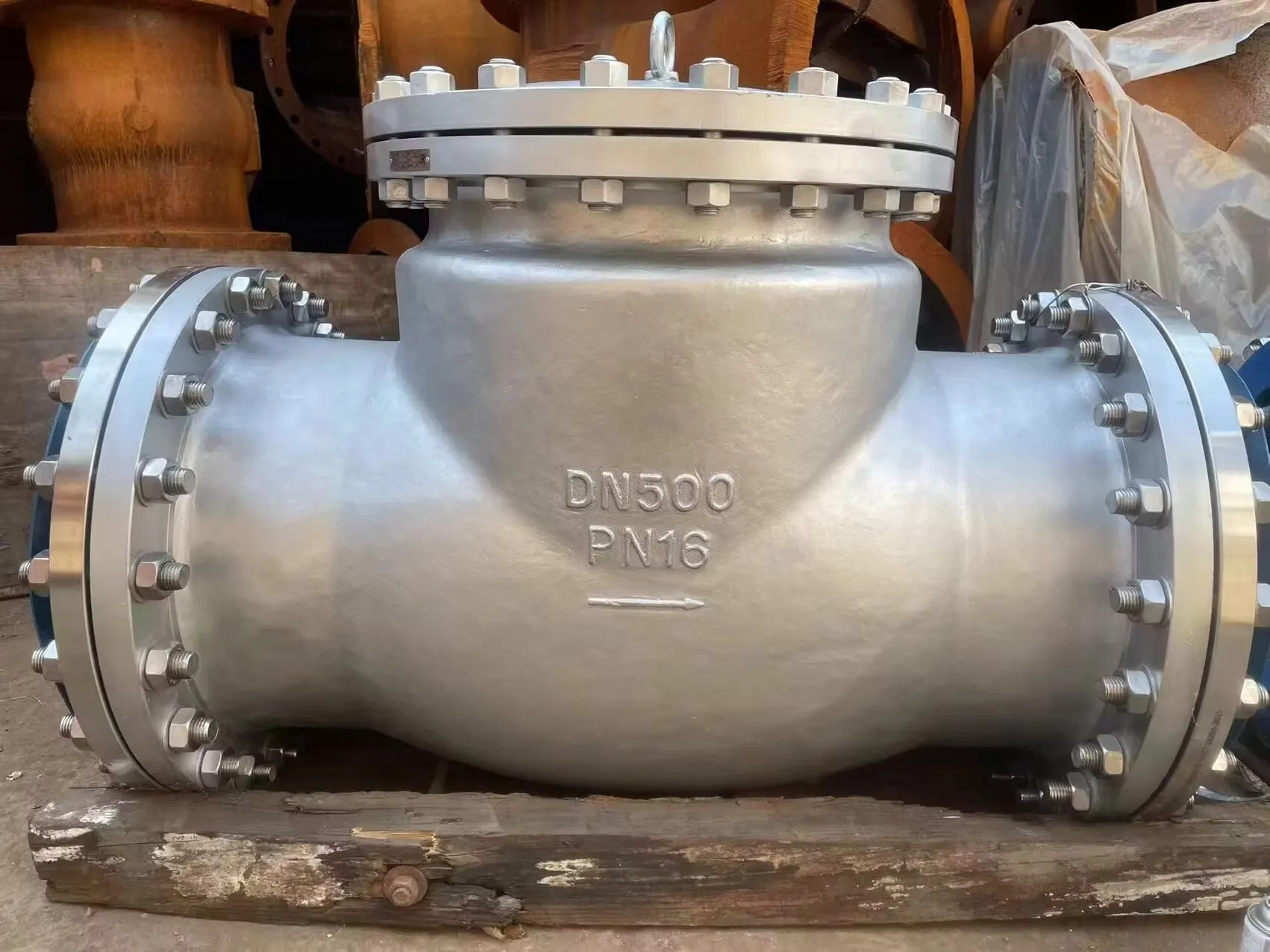
Introduction
The 2-inch ball valve manufactured in China represents a critical component in fluid control systems across a diverse range of industries, including oil and gas, chemical processing, water treatment, and HVAC. Functionally, it employs a hollow, perforated, and pivoting ball to control flow. This guide provides a comprehensive technical overview, detailing material science, manufacturing processes, performance characteristics, potential failure modes, and relevant industry standards. The proliferation of Chinese-manufactured ball valves is driven by competitive pricing, increasingly sophisticated manufacturing capabilities, and adherence to international quality control standards. Core performance aspects include tight shut-off, minimal pressure drop, and robust durability, crucial for maintaining process efficiency and safety. A key industry pain point is ensuring consistent quality and material traceability across various manufacturers, requiring diligent verification of certifications and adherence to established specifications.
Material Science & Manufacturing
The body of a 2-inch ball valve is commonly constructed from carbon steel (ASTM A105, A350), stainless steel (304/316, ASTM A182 F304/F316), or brass (HPb59-1, HPb62-3). Carbon steel offers high strength and cost-effectiveness for general applications, but requires internal coatings to prevent corrosion. Stainless steel provides superior corrosion resistance, critical for handling aggressive media. Brass is often used for lower pressure and temperature applications. The ball itself is frequently made from hardened stainless steel (440C) or chrome-plated carbon steel to ensure wear resistance and a tight seal. Seals are typically PTFE (Teflon), reinforced PTFE, or other fluoropolymers chosen for their chemical inertness and low friction coefficient. Manufacturing involves several key steps: casting or forging of the body, machining of the ball and seats, assembly, and rigorous testing. Parameter control is paramount during forging and casting to ensure dimensional accuracy and eliminate defects like porosity. Precise machining of the ball’s surface finish (Ra < 0.8 μm) is crucial for leak-tight performance. Welding processes (SMAW, GTAW) used for joining components must be qualified and inspected to meet ASME Section IX standards. Heat treatment processes for hardening the ball are critical to achieving the required hardness (HRC 60-65) and preventing premature wear.
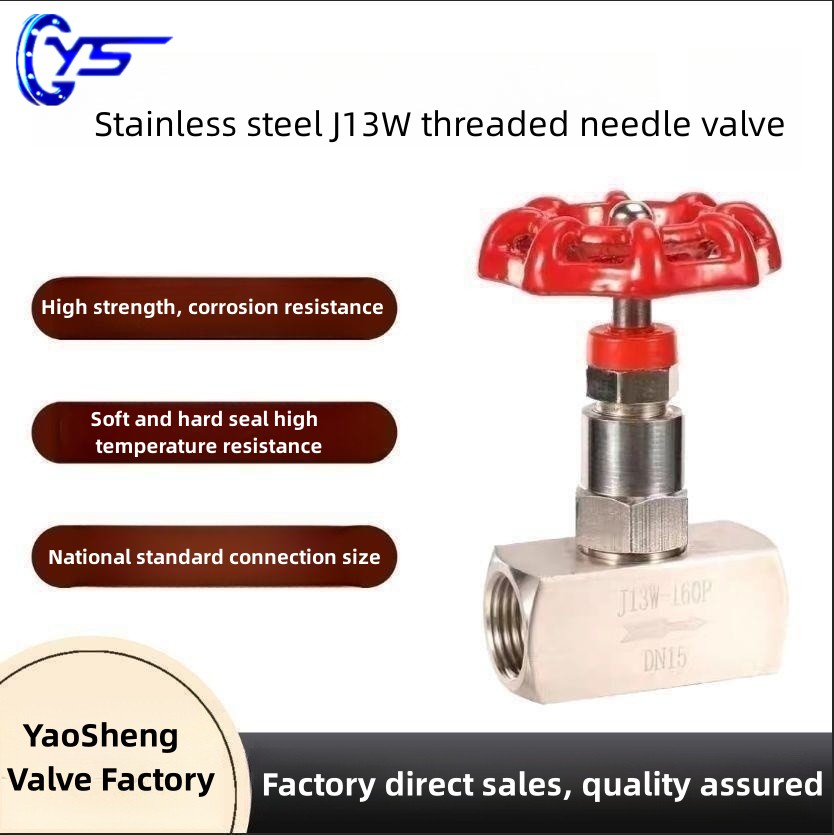
Performance & Engineering
The performance of a 2-inch ball valve is governed by several engineering principles. Torque calculations are vital to determine the actuation force required to operate the valve under varying pressure and temperature conditions. These calculations consider the ball diameter, seat material, fluid viscosity, and internal pressure. Environmental resistance, particularly corrosion resistance, is crucial. Stainless steel valves are preferred in corrosive environments, but even these require careful material selection based on the specific chemical composition of the fluid. Compliance requirements dictate adherence to standards such as API 6D (for quarter-turn valves) and MSS SP-110 (for ball valves). Functional implementation involves considerations for end connections (threaded, welded, flanged) and actuation methods (manual, pneumatic, electric). Pressure testing, including hydrostatic and pneumatic tests, verifies the valve’s integrity and leak-tightness. A critical performance metric is the leakage rate, typically expressed in parts per million (ppm), and is rigorously tested according to industry standards like FCI 70-2.
Technical Specifications
| Parameter | Specification (Typical) | Unit | Test Standard |
|---|---|---|---|
| Nominal Size | 2 inch (DN50) | - | ANSI/ASME B16.34 |
| Maximum Operating Pressure | 2500 | PSI | API 6D |
| Temperature Range | -29 to 121 | °C | ASTM F36 |
| Material (Body) | Carbon Steel (A105) / Stainless Steel (316) | - | ASTM A182 |
| Material (Ball) | Stainless Steel (440C) | - | ASTM A276 |
| Material (Seat) | PTFE | - | ASTM D1710 |
Failure Mode & Maintenance
Common failure modes in 2-inch ball valves include seat erosion, ball scratching, stem leakage, and body corrosion. Seat erosion is often caused by abrasive particles in the fluid stream. Ball scratching can result from particulate contamination or improper operation. Stem leakage is frequently due to packing gland failure or corrosion of the stem. Body corrosion, as previously discussed, depends on material selection and the fluid’s chemical compatibility. Fatigue cracking can occur in the body due to cyclic pressure loading. Delamination of the seat material can occur over time due to thermal cycling and chemical attack. Regular maintenance is crucial for preventing these failures. This includes periodic inspection of the valve for leaks, lubrication of the stem and ball, replacement of worn seats and packing, and corrosion protection measures. Non-destructive testing (NDT) methods, such as ultrasonic testing (UT) and radiographic testing (RT), can be employed to detect internal defects. A preventative maintenance schedule should be established based on the operating conditions and the valve’s criticality in the process.
Industry FAQ
Q: What is the expected lifespan of a 2-inch carbon steel ball valve in a water treatment application?
A: The expected lifespan depends heavily on water quality and operating conditions. With regular maintenance, including packing replacement and corrosion protection, a carbon steel valve can operate for 5-10 years. However, if the water contains high levels of chlorides or other corrosive elements, the lifespan may be significantly reduced. Consider upgrading to a stainless steel valve for prolonged service life in such environments.
Q: How does the pressure drop across a 2-inch ball valve compare to a gate valve?
A: Ball valves generally exhibit a lower pressure drop than gate valves due to their full-bore design. A full-bore ball valve has an internal diameter equal to the pipe's internal diameter, minimizing flow restriction. Gate valves, conversely, have a restricted flow path, resulting in a higher pressure drop. The difference is particularly significant in high-flow applications.
Q: What is the significance of the valve’s "Cv" value?
A: The "Cv" value (flow coefficient) is a measure of the valve’s ability to pass fluid. It represents the flow rate of water at 60°F with a pressure drop of 1 PSI across the valve. A higher Cv value indicates a greater flow capacity. Engineers use the Cv value to size valves correctly for specific applications and to calculate pressure drop.
Q: What are the implications of using a full-port versus reduced-port ball valve?
A: A full-port (full-bore) ball valve offers minimal flow restriction and therefore lower pressure drop, ideal for applications requiring maximum flow capacity. A reduced-port ball valve has a smaller bore diameter, resulting in higher pressure drop but potentially offering better flow control characteristics and cost savings. The choice depends on the application’s specific requirements.
Q: What certifications should I look for when sourcing a 2-inch ball valve from a Chinese manufacturer?
A: Essential certifications include ISO 9001 (Quality Management System), API 6D (Quarter-Turn Valve Specification), and CE marking (for European markets). Material test reports (MTRs) confirming compliance with ASTM standards are also critical. Verification of PED (Pressure Equipment Directive) compliance may be necessary for applications within the European Union. Thorough due diligence and factory audits are recommended.
Conclusion
The 2-inch ball valve, a fundamental component in numerous industrial processes, demands a thorough understanding of its material science, manufacturing intricacies, and performance characteristics. Consistent quality control, adherence to international standards, and diligent maintenance practices are paramount for ensuring reliable operation and minimizing the risk of failure. Selecting the appropriate material and valve configuration – considering factors like fluid compatibility, pressure, and temperature – is crucial for optimizing performance and extending service life.
As manufacturing capabilities in China continue to advance, these valves represent a cost-effective and increasingly reliable solution for fluid control applications. However, procurement professionals must prioritize rigorous quality assurance and supplier vetting to mitigate potential risks associated with material traceability and adherence to global standards. Future trends will likely focus on the development of smart ball valves with integrated sensors for remote monitoring and predictive maintenance, further enhancing operational efficiency and safety.
-
Top Reasons to Choose a Stainless Steel Flange Check Valve for Industrial Applications
-
12 inch check valve Performance Analysis
-
lift check valves Performance Engineering
-
check valve 12 inch Performance Analysis
-
stop check valve Performance Analysis
-
check stop valve Performance Analysis
-
stop check valves Performance Analysis
-
pilot operated check valve Performance Analysis
-
spring loaded check valve Material Science Manufacturing
-
pilot operated check valves Performance Analysis
-
check valve pilot operated Performance Analysis
-
1 4 in check valve Performance Engineering
-
check valve 3 4 Performance Analysis
-
11 2 check valve Performance Analysis
-
spring check valve Material Science Manufacturing
 Afrikaans
 Albanian
 Amharic
 Arabic
 Armenian
 Azerbaijani
 Basque
 Belarusian
 Bengali
 Bosnian
 Bulgarian
 Catalan
 Cebuano
 Corsican
 Croatian
 Czech
Czech
 Danish
 Dutch
Dutch
 Esperanto
 Estonian
 Finnish
 French
 Frisian
 Galician
 Georgian
 German
 Greek
Greek
 Gujarati
 Haitian Creole
 Hausa
Hawaiian
Hausa
Hawaiian
 Hebrew
 Hindi
Hindi
 Miao
Miao
 Hungarian
 Icelandic
 Igbo
Igbo
 Indonesian
 Irish
Irish
 Italian
 Japanese
 Javanese
Kannada
Javanese
Kannada
 Kazakh
 Khmer
Khmer
 Rwandese
 Korean
 Kurdish
 Kyrgyz
 Lao
Lao
 Latin
Latin
 Latvian
 Lithuanian
 Luxembourgish
 Macedonian
 Malgashi
 Malay
Malay
 Malayalam
 Maltese
 Maori
Maori
 Marathi
 Mongolian
 Myanmar
 Nepali
 Norwegian
 Norwegian
 Occitan
 Pashto
 Persian
 Polish
 Portuguese
Punjabi
Portuguese
Punjabi
 Romanian
 Russian
 Samoan
 Scottish Gaelic
 Serbian
 Sesotho
 Shona
Shona
 Sindhi
 Sinhala
 Slovak
 Slovenian
 Somali
 Spanish
 Sundanese
 Swahili
 Swedish
Tagalog
Swedish
Tagalog
 Tajik
Tajik
 Tamil
Tamil
 Tatar
Tatar
 Telugu
 Thai
Thai
 Turkish
 Turkmen
 Ukrainian
 Urdu
Urdu
 Uighur
 Uzbek
Uzbek
 Vietnamese
 Welsh
Welsh
 Bantu
Bantu
 Yiddish
 Yoruba
 Zulu
Zulu
 English