




china 4 inch globe valve Performance and Engineering

Introduction
The 4-inch globe valve, manufactured in China, is a critical component in fluid flow control systems across diverse industrial applications. Positioned as a linear motion valve, it functions by regulating flow via a disc moving perpendicular to the flow path. Within the industrial chain, it operates downstream of pumps and other primary flow generation devices, serving to throttle or isolate fluid transport. Core performance characteristics are defined by its sealing capability, pressure drop characteristics, and the longevity of its internal components under varying operational conditions. Globe valves, unlike gate valves, are specifically designed for frequent operation and precise flow regulation, making them ideal for processes requiring consistent control. The prevalence of Chinese manufacturing contributes to cost-effectiveness, but necessitates a detailed understanding of material quality and adherence to international standards to ensure reliability and safety.
Material Science & Manufacturing
The body of a typical 4-inch globe valve is constructed from cast iron (ASTM A126 Grade B), ductile iron (ASTM A536 65-45-12), or carbon steel (ASTM A216 WCB). Cast iron provides a cost-effective solution for low-pressure, non-corrosive applications. Ductile iron offers improved tensile strength and impact resistance. Carbon steel is preferred for high-temperature and high-pressure environments. The disc itself is commonly manufactured from bronze (ASTM B584 Alloy C83600), stainless steel (304, 316 – ASTM A276), or alloy steel, selected for its corrosion resistance and ability to withstand erosion. Seat materials frequently include reinforced PTFE (polytetrafluoroethylene) for tight sealing at lower temperatures, or metal-to-metal seating configurations using hardened alloys for high-temperature applications.
Manufacturing involves several key processes. Casting forms the body. Machining operations are crucial for achieving dimensional accuracy of the valve’s internal components, particularly the disc and seat. Welding (SMAW, GTAW, or FCAW) is used to join components where necessary, requiring rigorous quality control per AWS D1.1 standards. Surface treatment, including epoxy coating, provides corrosion protection. The disc is typically forged or cast and then precision-machined. Quality control focuses on hydrostatic testing (API 598) to verify body integrity and seat leakage testing to ensure tight shut-off. Parameter control is critical throughout: casting temperature, cooling rates, welding parameters (current, voltage, gas shielding), and machining tolerances all directly impact valve performance and lifespan. Improper heat treatment can lead to residual stresses and premature failure.
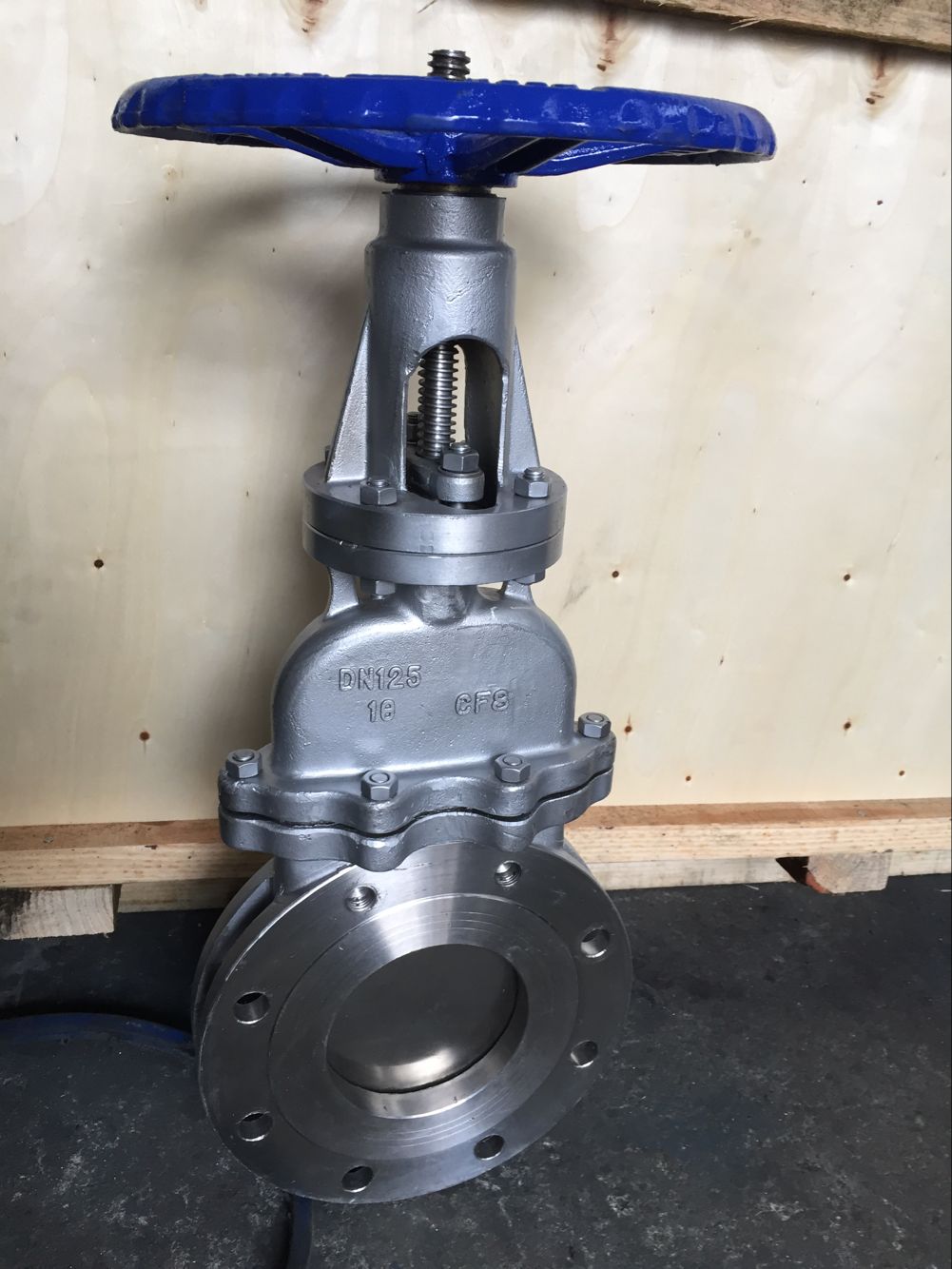
Performance & Engineering
Globe valve performance is fundamentally governed by fluid dynamics and stress analysis. The constricted flow path introduces a significant pressure drop, proportional to the square of the flow rate. Force analysis dictates the mechanical design of the stem, disc, and actuator, ensuring they can withstand the hydrostatic and hydrodynamic forces exerted by the fluid. Environmental resistance is paramount; corrosion can affect body and disc materials, leading to leakage and failure. Stainless steel and alloy materials are chosen based on the chemical compatibility with the process fluid. Compliance requirements, such as ANSI/FCI 70-2 and MSS SP-110, specify standards for valve construction, testing, and performance.
Functional implementation centers on the actuator mechanism. Manual globe valves rely on handwheels to operate the stem. Pneumatic actuators (using compressed air) and electric actuators provide automated control, offering faster response times and remote operation capabilities. Actuator selection depends on the required torque, speed, and control system integration. Cavitation, a common issue in globe valves handling liquids, erodes the disc and seat, reducing valve life. Proper valve sizing and flow control strategies are vital to mitigate cavitation. Furthermore, water hammer, resulting from sudden valve closure, can induce high stresses and damage the valve body; slow-closing mechanisms or surge suppression devices are often employed.
Technical Specifications
| Parameter | Specification (Typical) | Testing Standard | Material |
|---|---|---|---|
| Nominal Diameter | 4 inches (100mm) | ASME B16.34 | Carbon Steel/Ductile Iron |
| Pressure Rating | 125 PSI (8.6 bar) / 250 PSI (17.2 bar) | ANSI B16.34 | A216 WCB / A536 65-45-12 |
| Connection End | Flanged (ANSI B16.5) | ANSI B16.5 | A105 Carbon Steel |
| Seat Material | PTFE / Metal-to-Metal | API 598 | Reinforced PTFE / Stainless Steel |
| Disc Material | Bronze Alloy C83600 / Stainless Steel 316 | ASTM A276 / ASTM B584 | C83600 / 316 Stainless Steel |
| Actuator Type | Manual / Pneumatic / Electric | MSS SP-110 | Steel / Aluminum |
Failure Mode & Maintenance
Common failure modes for 4-inch globe valves include seat erosion and leakage, disc corrosion, stem packing failure, and body cracking. Seat erosion arises from high-velocity flow and particulate matter in the fluid, leading to decreased sealing efficiency. Corrosion affects the disc and body materials, weakening their structural integrity. Stem packing failure results in external leakage. Body cracking typically occurs due to thermal stresses, pressure fluctuations, or material defects. Fatigue cracking can occur in the stem or disc under cyclical loading.
Maintenance involves regular inspection of the seat for wear and erosion. Packing gland adjustment is critical to prevent stem leakage. Lubrication of the stem threads ensures smooth operation. Hydrostatic testing should be performed periodically to verify body integrity. For severe corrosion or erosion, component replacement is necessary. Non-destructive testing (NDT) methods, such as ultrasonic testing (UT) and radiographic testing (RT), can detect internal cracks or flaws. Preventative maintenance schedules, aligned with the process conditions and fluid characteristics, are essential to prolong valve life and minimize downtime. Implementing a robust valve management program, including detailed records of maintenance and repairs, is crucial for identifying trends and proactively addressing potential failures. Consideration should also be given to flow velocity reduction where possible to mitigate erosion.
Industry FAQ
Q: What are the key differences between a globe valve and a gate valve in terms of application?
A: Globe valves are designed for throttling and frequent operation, providing precise flow control. They introduce a significant pressure drop. Gate valves are primarily for on/off service, offering minimal flow restriction when fully open, but are not suitable for throttling. Gate valves are prone to wire drawing and erosion when partially open, whereas globe valves are specifically designed to handle partial flow conditions.
Q: How does the material selection impact the lifespan of a globe valve in a corrosive environment?
A: Material selection is paramount. Carbon steel will corrode rapidly in many environments, requiring protective coatings or complete replacement with corrosion-resistant alloys like stainless steel (316) or specialized alloys (e.g., Hastelloy). The seat material also needs to be chemically compatible with the fluid to prevent degradation and maintain sealing performance.
Q: What is the significance of hydrostatic testing per API 598?
A: Hydrostatic testing verifies the structural integrity of the valve body and connections. It involves pressurizing the valve with a hydraulic fluid to a specified test pressure, typically 1.5 times the working pressure, and inspecting for leaks or deformation. This ensures the valve can safely withstand the operating conditions.
Q: What are the limitations of using PTFE seats at high temperatures?
A: PTFE has a limited temperature range. Above approximately 200°C (392°F), PTFE begins to degrade, losing its elasticity and sealing capability. At higher temperatures, metal-to-metal seating configurations are preferred, although they may require more frequent maintenance and provide a less tight shut-off.
Q: How can cavitation be minimized in a globe valve application?
A: Cavitation can be minimized through proper valve sizing to avoid excessive pressure drop. Controlling the inlet pressure and fluid temperature can also help. Installation of a diffuser or orifice plate upstream of the valve can reduce flow velocity and mitigate cavitation damage.
Conclusion
The 4-inch globe valve, a cornerstone of fluid control systems, demands meticulous attention to material science, manufacturing processes, and operational parameters. Understanding the interplay between these factors – from the chemical compatibility of disc materials to the intricacies of actuator selection – is vital for ensuring reliable performance and long-term cost-effectiveness. Chinese manufacturing offers a competitive price point, but rigorous quality control and adherence to international standards are non-negotiable to mitigate risks associated with material variability and fabrication quality.
Looking ahead, advancements in valve technology will likely focus on smart valve designs incorporating predictive maintenance capabilities, utilizing sensor data to detect early signs of failure and optimize maintenance schedules. Furthermore, the development of novel corrosion-resistant alloys and sealing materials will enhance valve lifespan in demanding applications. A holistic approach to valve management, encompassing proper selection, installation, operation, and maintenance, remains paramount for maximizing the value of this critical industrial component.
-
Top Reasons to Choose a Stainless Steel Flange Check Valve for Industrial Applications
-
6 wafer check valve Performance Analysis
-
cryogenic check valves Performance Analysis
-
soft seated check valve Performance Analysis
-
3/4 check valve Performance Analysis
-
wafer style check valve Performance Analysis
-
check valve with orifice Performance Analysis
-
check valve 8 inch Performance Analysis
-
1 1 2 inch check valve Performance Analysis
-
cast iron check valves Performance Analysis
-
teejet check valves Performance Analysis
-
teejet check valve Performance Analysis
-
8 inch check valve Performance Analysis
-
wafer style check valves Performance Analysis
-
3 4 spring check valve Performance Analysis
 Afrikaans
 Albanian
 Amharic
 Arabic
 Armenian
 Azerbaijani
 Basque
 Belarusian
 Bengali
 Bosnian
 Bulgarian
 Catalan
 Cebuano
 Corsican
 Croatian
 Czech
Czech
 Danish
 Dutch
Dutch
 Esperanto
 Estonian
 Finnish
 French
 Frisian
 Galician
 Georgian
 German
 Greek
Greek
 Gujarati
 Haitian Creole
 Hausa
Hawaiian
Hausa
Hawaiian
 Hebrew
 Hindi
Hindi
 Miao
Miao
 Hungarian
 Icelandic
 Igbo
Igbo
 Indonesian
 Irish
Irish
 Italian
 Japanese
 Javanese
Kannada
Javanese
Kannada
 Kazakh
 Khmer
Khmer
 Rwandese
 Korean
 Kurdish
 Kyrgyz
 Lao
Lao
 Latin
Latin
 Latvian
 Lithuanian
 Luxembourgish
 Macedonian
 Malgashi
 Malay
Malay
 Malayalam
 Maltese
 Maori
Maori
 Marathi
 Mongolian
 Myanmar
 Nepali
 Norwegian
 Norwegian
 Occitan
 Pashto
 Persian
 Polish
 Portuguese
Punjabi
Portuguese
Punjabi
 Romanian
 Russian
 Samoan
 Scottish Gaelic
 Serbian
 Sesotho
 Shona
Shona
 Sindhi
 Sinhala
 Slovak
 Slovenian
 Somali
 Spanish
 Sundanese
 Swahili
 Swedish
Tagalog
Swedish
Tagalog
 Tajik
Tajik
 Tamil
Tamil
 Tatar
Tatar
 Telugu
 Thai
Thai
 Turkish
 Turkmen
 Ukrainian
 Urdu
Urdu
 Uighur
 Uzbek
Uzbek
 Vietnamese
 Welsh
Welsh
 Bantu
Bantu
 Yiddish
 Yoruba
 Zulu
Zulu
 English