




china ball iron cast valved Performance Analysis
Introduction
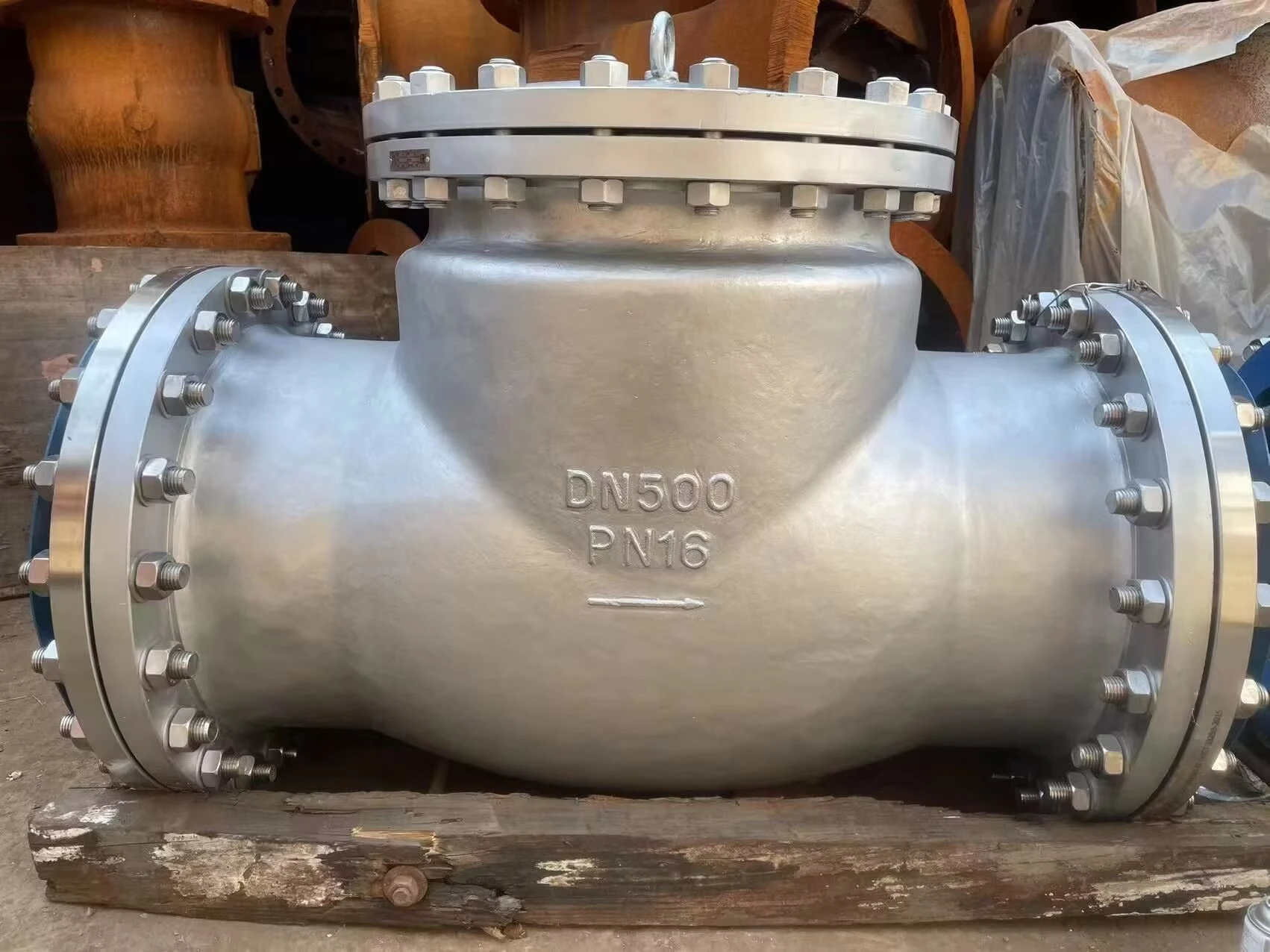
Cast iron ball valves, specifically those manufactured in China, represent a significant component in fluid handling systems across various industries. These valves are characterized by their robust construction, relatively low cost, and suitability for a wide range of applications involving non-corrosive fluids. They function by utilizing a hollow, perforated, and pivoting ball to control fluid flow. Positioned within the industrial chain, they are typically integrated downstream of pumps and reservoirs, acting as isolation or control elements in piping networks. Core performance metrics revolve around pressure rating, flow coefficient (Cv), sealing capability, and operational torque. A primary industry pain point is balancing cost with long-term reliability, particularly concerning corrosion resistance and material traceability. This guide provides an in-depth technical overview of cast iron ball valves, encompassing material science, manufacturing processes, performance characteristics, failure modes, and relevant industry standards.
Material Science & Manufacturing
The primary material for the valve body is typically gray cast iron (ASTM A48 Class 30), chosen for its machinability, vibration damping, and cost-effectiveness. The chemical composition is predominantly iron (Fe), carbon (C) ranging from 2.5% to 4.0%, silicon (Si) between 1.0% and 3.0%, manganese (Mn) up to 0.5%, and sulfur (S) up to 0.2%. The ball itself is frequently made from ductile iron (ASTM A536 Grade 65-45-12) which offers enhanced impact resistance and tensile strength compared to gray iron. Seals are commonly composed of nitrile rubber (NBR) or polytetrafluoroethylene (PTFE), selected for their compatibility with various fluids and temperature ranges. Manufacturing involves several key steps. First, the valve body is cast using sand casting, requiring precise mold preparation and control of pouring temperature (typically 1500-1600°C) to minimize porosity. Following casting, machining operations – including boring, drilling, and milling – are performed to achieve dimensional accuracy and surface finish. The ball is precision-machined and hardened through heat treatment to enhance wear resistance. Assembly involves precise fitting of the ball, seats, stem, and handle/actuator, with critical torque specifications applied during tightening to ensure leak-tight sealing. Critical parameters include ensuring adequate carbon content in the cast iron to enable proper machining, controlled cooling rates during heat treatment of the ball to prevent cracking, and rigorous inspection for casting defects like blowholes and inclusions.
Performance & Engineering
Performance is heavily influenced by hydrodynamic principles and material stress analysis. The flow coefficient (Cv) determines the valve’s capacity to pass fluid at a given pressure drop. Cv is calculated based on the valve’s internal diameter and port geometry. Pressure-temperature ratings are dictated by ASME B16.34, with typical ratings ranging from 125 PSI to 250 PSI for cast iron valves. Engineering considerations include torque requirements for actuation. The torque needed to rotate the ball increases with fluid pressure and valve size. Stem design must account for shear stresses generated during operation. Environmental resistance is a critical factor. Cast iron is susceptible to corrosion in humid environments or when exposed to corrosive fluids. Protective coatings (epoxy, polyurethane) are commonly applied to mitigate corrosion. Compliance requirements are often governed by API 6D (Ball Valves) and MSS SP-33 (Standards for Ball Valves). Force analysis involves evaluating the stresses on the ball, seats, and stem during operation, considering both static and dynamic loads. Finite element analysis (FEA) is often employed to optimize valve design and ensure structural integrity. Seat leakage is evaluated according to API 598, specifying allowable leakage rates based on valve size and pressure class.
Technical Specifications
| Parameter | Typical Value (DN50, 125 PSI) | Parameter | Typical Value (DN100, 250 PSI) |
|---|---|---|---|
| Valve Size (DN) | 50 mm | Valve Size (DN) | 100 mm |
| Pressure Rating (PSI) | 125 | Pressure Rating (PSI) | 250 |
| Cv (Flow Coefficient) | 12.5 | Cv (Flow Coefficient) | 45 |
| Body Material | ASTM A48 Class 30 Gray Cast Iron | Body Material | ASTM A48 Class 30 Gray Cast Iron |
| Ball Material | ASTM A536 65-45-12 Ductile Iron | Ball Material | ASTM A536 65-45-12 Ductile Iron |
| Seat Material | Nitrile Rubber (NBR) | Seat Material | Polytetrafluoroethylene (PTFE) |
Failure Mode & Maintenance
Common failure modes include corrosion of the cast iron body, leading to leakage and eventual failure. This is exacerbated by exposure to corrosive fluids or prolonged exposure to humidity. Seat degradation, specifically in NBR seals, can occur due to chemical attack, temperature extremes, or abrasive particles in the fluid stream. Ball erosion or damage can result from high-velocity flow or the presence of solids. Stem corrosion or seizing can impede valve operation. Fatigue cracking can occur in the valve body or ball due to cyclic loading. Oxidation of the cast iron surface can lead to surface pitting and reduced corrosion resistance. Maintenance procedures include regular inspection for corrosion and leakage. Lubrication of the stem threads is essential to prevent seizing. Periodic replacement of seals is recommended based on fluid compatibility and operating conditions. Protective coatings should be reapplied as needed to maintain corrosion protection. In cases of significant corrosion or damage, complete valve replacement is often the most cost-effective solution. Non-destructive testing methods (e.g., ultrasonic testing) can be used to assess the integrity of the valve body and identify potential cracks.
Industry FAQ
Q: What is the expected service life of a cast iron ball valve in a freshwater application?
A: In a freshwater application, a properly maintained cast iron ball valve can have a service life of 10-15 years. However, this is heavily dependent on water quality (pH levels, mineral content), operating pressure, and frequency of operation. Regular inspection and seal replacement are crucial for maximizing service life.
Q: How does the manufacturing process affect the valve’s resistance to pressure fluctuations?
A: The casting process significantly influences pressure resistance. Higher quality sand casting with controlled cooling rates minimizes porosity within the cast iron, increasing its strength. Machining tolerances also play a role; precise machining of the ball and seat ensures proper sealing under fluctuating pressures. Heat treatment of the ball is critical for achieving the necessary hardness and ductility.
Q: What are the limitations of using cast iron ball valves with abrasive fluids?
A: Cast iron is relatively susceptible to abrasive wear. Abrasive particles in the fluid can erode the ball and seats, leading to leakage and valve failure. For abrasive applications, hardened balls (e.g., chrome-plated) and more durable seat materials (e.g., PTFE) are recommended. Frequent inspection and seal replacement are also essential.
Q: How do different coatings impact the corrosion resistance of the valve body?
A: Epoxy coatings provide a good general level of corrosion protection against mild corrosion. Polyurethane coatings offer superior resistance to abrasion and chemical attack. Zinc-rich primers can provide sacrificial corrosion protection. The effectiveness of any coating depends on proper surface preparation and application thickness.
Q: What are the key considerations when selecting a valve for high-temperature applications?
A: For high-temperature applications, the seat material is the primary concern. NBR seals have limited temperature resistance and may degrade at elevated temperatures. PTFE is a better option, but its sealing performance can be affected by thermal expansion. The valve body material must also be able to withstand the thermal stresses. Ductile iron generally performs better than gray cast iron at elevated temperatures.
Conclusion
Cast iron ball valves manufactured in China represent a cost-effective solution for a wide range of fluid handling applications. However, understanding their material properties, manufacturing processes, and potential failure modes is crucial for ensuring long-term reliability. While offering advantages in terms of cost and machinability, cast iron's susceptibility to corrosion and abrasive wear necessitates careful consideration of fluid compatibility, operating conditions, and appropriate protective measures.
Future developments are likely to focus on improved coating technologies to enhance corrosion resistance, as well as exploring alternative cast iron alloys with enhanced mechanical properties. Proper maintenance practices, including regular inspection, lubrication, and seal replacement, are essential for maximizing valve lifespan and minimizing downtime. Selecting a valve that meets the specific requirements of the application is paramount to long-term success.
-
Rubber Flanges Performance Analysis
-
Square Flanges Material Science Manufacturing
-
Hubbed Flange Performance Analysis
-
Flat Face Flange Performance Analysis
-
Ball Valve Flange Performance Analysis
-
flat face flanges Performance Analysis
-
Flat Faced Flange Performance Analysis
-
3 in flange Performance Analysis
-
2in flange Performance Analysis
-
Flat Faced Flanges Performance Analysis
-
megalug flange Performance and Engineering
-
Plate Flange Performance Analysis
-
Reducing Flange Performance Analysis
-
Sealing Flange Performance Analysis
-
Turbo Flanges Performance Analysis
 Afrikaans
 Albanian
 Amharic
 Arabic
 Armenian
 Azerbaijani
 Basque
 Belarusian
 Bengali
 Bosnian
 Bulgarian
 Catalan
 Cebuano
 Corsican
 Croatian
 Czech
Czech
 Danish
 Dutch
Dutch
 Esperanto
 Estonian
 Finnish
 French
 Frisian
 Galician
 Georgian
 German
 Greek
Greek
 Gujarati
 Haitian Creole
 Hausa
Hawaiian
Hausa
Hawaiian
 Hebrew
 Hindi
Hindi
 Miao
Miao
 Hungarian
 Icelandic
 Igbo
Igbo
 Indonesian
 Irish
Irish
 Italian
 Japanese
 Javanese
Kannada
Javanese
Kannada
 Kazakh
 Khmer
Khmer
 Rwandese
 Korean
 Kurdish
 Kyrgyz
 Lao
Lao
 Latin
Latin
 Latvian
 Lithuanian
 Luxembourgish
 Macedonian
 Malgashi
 Malay
Malay
 Malayalam
 Maltese
 Maori
Maori
 Marathi
 Mongolian
 Myanmar
 Nepali
 Norwegian
 Norwegian
 Occitan
 Pashto
 Persian
 Polish
 Portuguese
Punjabi
Portuguese
Punjabi
 Romanian
 Russian
 Samoan
 Scottish Gaelic
 Serbian
 Sesotho
 Shona
Shona
 Sindhi
 Sinhala
 Slovak
 Slovenian
 Somali
 Spanish
 Sundanese
 Swahili
 Swedish
Tagalog
Swedish
Tagalog
 Tajik
Tajik
 Tamil
Tamil
 Tatar
Tatar
 Telugu
 Thai
Thai
 Turkish
 Turkmen
 Ukrainian
 Urdu
Urdu
 Uighur
 Uzbek
Uzbek
 Vietnamese
 Welsh
Welsh
 Bantu
Bantu
 Yiddish
 Yoruba
 Zulu
Zulu
 English