




china ball valve stainless Performance Analysis
Introduction
Stainless steel ball valves represent a critical component in fluid control systems across diverse industrial applications, including chemical processing, oil and gas, water treatment, and power generation. These valves, manufactured extensively in China, are prized for their robust construction, corrosion resistance, and tight shut-off capabilities. Their technical position within the industry chain lies between pipeline infrastructure and process equipment, acting as essential on/off control or flow regulation points. The core performance characteristics of a stainless steel ball valve – measured by pressure rating, flow coefficient (Cv), and leak tightness – directly impact system efficiency, safety, and longevity. Understanding the nuanced material science and manufacturing processes is vital to selecting a valve optimized for specific operating conditions and minimizing lifecycle costs. The increasing demand for high-performance, reliable valves in expanding industrial sectors has positioned China as a major global supplier, necessitating a detailed technical overview of these critical components.
Material Science & Manufacturing
The primary material for stainless steel ball valves is typically 304/304L or 316/316L stainless steel. 304/304L offers excellent corrosion resistance in many environments, relying on a chromium content of 18-20% and nickel content of 8-10.5%. The ‘L’ designation denotes low carbon content, minimizing carbide precipitation during welding and enhancing weldability. 316/316L incorporates molybdenum (2-3%), significantly improving resistance to pitting and crevice corrosion, particularly in chloride-rich environments. The choice depends on the fluid being handled and the operating temperature. The body is often forged or cast, with forging generally providing superior mechanical strength. The ball itself is precision-machined from a solid bar of stainless steel and undergoes rigorous hardening and polishing. Seals are commonly made of PTFE (Teflon), reinforced PTFE, or other compatible elastomers like Viton, selected for chemical resistance and low friction.
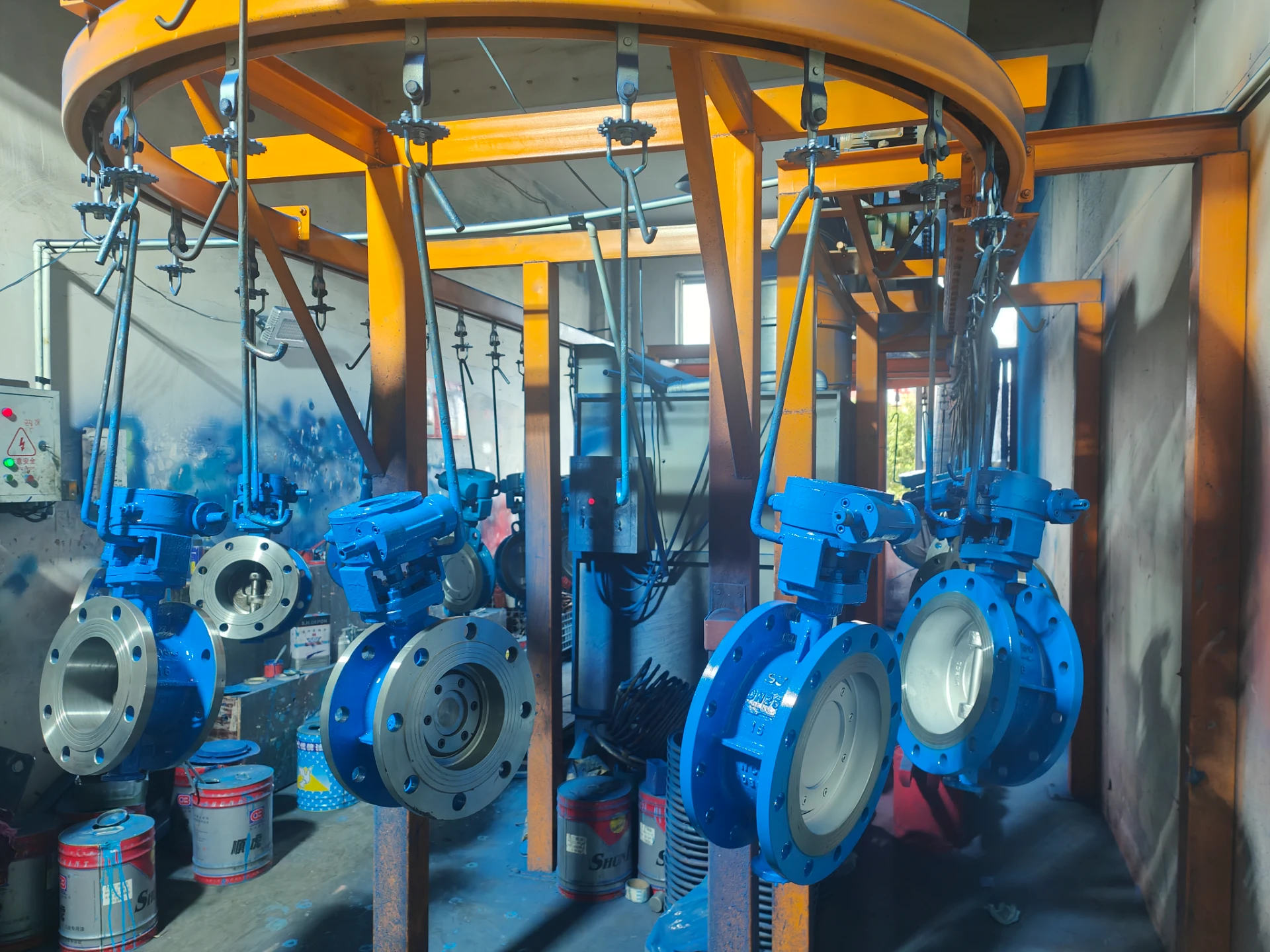
Manufacturing involves several key processes. Forged valve bodies require precise forging parameters – temperature, pressure, and die design – to ensure grain flow alignment and prevent defects. Casting utilizes investment casting or sand casting, followed by extensive machining. Ball polishing is a critical step, achieving a Ra (roughness average) value typically below 0.8 µm to minimize friction and ensure leak-tight sealing. Welding, when required for valve body construction or end connection, is typically performed using GTAW (Gas Tungsten Arc Welding) or SMAW (Shielded Metal Arc Welding), with strict adherence to WPS (Welding Procedure Specification) to maintain corrosion resistance. Post-weld heat treatment is crucial for stress relieving and restoring the microstructure. Quality control throughout the process includes hydrostatic testing, pneumatic testing, and non-destructive testing (NDT) methods like radiography and liquid penetrant inspection to verify integrity and dimensional accuracy.
Performance & Engineering
The performance of a stainless steel ball valve is governed by several engineering principles. Torque requirements, crucial for actuator sizing, are influenced by differential pressure, fluid viscosity, and seal material. Higher pressures and viscous fluids necessitate greater torque. Flow coefficient (Cv) dictates the valve’s capacity to pass fluid, with larger Cv values indicating higher flow rates. This value is determined through empirical testing and is dependent on valve size and bore diameter. Environmental resistance is paramount; stainless steel’s inherent corrosion resistance is enhanced by proper alloy selection and surface finish.
Compliance requirements are substantial. Valves intended for potable water applications must meet standards like NSF/ANSI 61, ensuring they do not leach harmful contaminants. For hazardous environments, ATEX or IECEx certification is mandatory, guaranteeing the valve is explosion-proof. Pressure vessel directives, such as PED (Pressure Equipment Directive) in Europe, govern design, manufacturing, and testing to ensure safe operation at specified pressures. Furthermore, fugitive emissions standards (e.g., EPA Method 21) are increasingly stringent, driving the adoption of low-emission valve designs with advanced sealing technologies. Force analysis under pressure considers hoop stress in the valve body and stresses on the ball and seats. Finite Element Analysis (FEA) is frequently employed during the design phase to optimize geometry and minimize stress concentrations.
Technical Specifications
| Parameter | 304 Stainless Steel | 316 Stainless Steel | Unit |
|---|---|---|---|
| Tensile Strength | 500-700 | 520-740 | MPa |
| Yield Strength | 205-275 | 240-310 | MPa |
| Hardness (Brinell) | 180-220 | 190-230 | HB |
| Corrosion Resistance (Pitting Resistance Equivalent Number - PREN) | 16-18 | 24-28 | - |
| Operating Temperature Range | -196 to 427 | -200 to 450 | °C |
| Pressure Rating (Typical) | Up to 6400 | Up to 6400 | psi |
Failure Mode & Maintenance
Common failure modes in stainless steel ball valves include seat leakage, stem packing failure, ball scratching or erosion, and body corrosion. Seat leakage often results from particulate matter lodging between the ball and seat, causing damage or preventing a tight seal. Stem packing failure allows fluid leakage around the stem, typically due to degradation of the packing material or insufficient compression. Ball scratching or erosion can occur in abrasive fluids, reducing sealing efficiency and leading to eventual failure. Corrosion, while less common with stainless steel, can occur in aggressive environments or due to improper alloy selection. Fatigue cracking may develop in the valve body under cyclic loading, particularly at stress concentration points. Delamination can occur in coatings applied for enhanced corrosion resistance. Oxidation at high temperatures can reduce the material's protective properties.
Preventative maintenance is crucial. Regular inspection of stem packing, tightening as needed, and replacing worn packing components can prevent leakage. Periodic actuation of the valve (full open and closed) helps prevent seat sticking. Backwashing or filtering the fluid stream removes particulate matter. Lubrication of the stem and ball can reduce friction and wear. If corrosion is suspected, a thorough inspection of the valve body and internal components is necessary. Non-destructive testing methods can identify cracks or other defects. Replacement of seals and packing should be performed on a schedule based on operating conditions and fluid properties. Avoid over-tightening, which can damage the seats and ball.
Industry FAQ
Q: What is the impact of chloride concentration on the longevity of a 316 stainless steel ball valve in a seawater application?
A: High chloride concentrations in seawater significantly increase the risk of pitting and crevice corrosion in 316 stainless steel. While 316 offers improved resistance compared to 304, prolonged exposure can still lead to localized corrosion. Regular inspection, cathodic protection, and consideration of super-austenitic stainless steels (e.g., Alloy 2205) or nickel-based alloys may be necessary for extended service life. The PREN value of the alloy is a key indicator of its chloride resistance.
Q: How does the surface finish (Ra value) of the ball affect the sealing performance and torque requirements?
A: A smoother surface finish (lower Ra value) on the ball reduces friction, improving sealing performance and lowering torque requirements. A rougher surface increases friction and can create pathways for leakage. Typically, a Ra value below 0.8 µm is recommended for optimal performance. Polishing the ball to achieve this finish is a critical manufacturing step.
Q: What are the key considerations when selecting a valve actuator (electric, pneumatic, hydraulic) for a large-diameter stainless steel ball valve?
A: Actuator selection depends on several factors, including required torque, speed of operation, and available power source. Electric actuators are suitable for remote control and precise positioning, while pneumatic actuators offer faster response times and are often used in hazardous environments. Hydraulic actuators provide high torque for large valves but require a hydraulic power unit. Torque calculations must account for differential pressure, fluid viscosity, and stem packing friction.
Q: What is the difference between a full-port and a reduced-port ball valve, and how does this affect flow characteristics?
A: A full-port ball valve has an internal diameter equal to the pipeline’s internal diameter, offering minimal flow restriction and negligible pressure drop. A reduced-port ball valve has a smaller bore diameter, creating some flow restriction and a corresponding pressure drop. Full-port valves are preferred when maximizing flow capacity is critical, while reduced-port valves can be used for throttling or flow control applications.
Q: What are the common causes of valve cavitation and how can it be mitigated in a stainless steel ball valve?
A: Cavitation occurs when a sudden pressure drop in the fluid causes the formation and collapse of vapor bubbles. This can damage the valve internals, particularly the ball and seats. Common causes include excessive pressure drop, flashing liquids, and improper valve sizing. Mitigation strategies include increasing valve size, reducing flow velocity, and selecting a valve with a trim design that minimizes pressure drop.
Conclusion
Stainless steel ball valves, particularly those manufactured in China, represent a cornerstone of modern fluid control systems. Their selection demands a thorough understanding of material science, manufacturing processes, and application-specific performance requirements. The choice between 304 and 316 stainless steel, coupled with attention to surface finish and sealing materials, directly influences longevity and reliability. Adherence to international standards and rigorous quality control are paramount in ensuring safe and efficient operation.
The ongoing trend toward digitalization and Industry 4.0 is driving innovation in ball valve technology, including the integration of smart sensors for predictive maintenance and remote monitoring. Future advancements will likely focus on developing materials with enhanced corrosion resistance, optimizing valve designs for reduced pressure drop, and implementing advanced sealing technologies to minimize fugitive emissions. Continued collaboration between manufacturers, engineers, and end-users will be crucial in shaping the future of stainless steel ball valve technology.
-
Top Reasons to Choose a Stainless Steel Flange Check Valve for Industrial Applications
-
6 wafer check valve Performance Analysis
-
cryogenic check valves Performance Analysis
-
soft seated check valve Performance Analysis
-
3/4 check valve Performance Analysis
-
wafer style check valve Performance Analysis
-
check valve with orifice Performance Analysis
-
check valve 8 inch Performance Analysis
-
1 1 2 inch check valve Performance Analysis
-
cast iron check valves Performance Analysis
-
teejet check valves Performance Analysis
-
teejet check valve Performance Analysis
-
8 inch check valve Performance Analysis
-
wafer style check valves Performance Analysis
-
3 4 spring check valve Performance Analysis
 Afrikaans
 Albanian
 Amharic
 Arabic
 Armenian
 Azerbaijani
 Basque
 Belarusian
 Bengali
 Bosnian
 Bulgarian
 Catalan
 Cebuano
 Corsican
 Croatian
 Czech
Czech
 Danish
 Dutch
Dutch
 Esperanto
 Estonian
 Finnish
 French
 Frisian
 Galician
 Georgian
 German
 Greek
Greek
 Gujarati
 Haitian Creole
 Hausa
Hawaiian
Hausa
Hawaiian
 Hebrew
 Hindi
Hindi
 Miao
Miao
 Hungarian
 Icelandic
 Igbo
Igbo
 Indonesian
 Irish
Irish
 Italian
 Japanese
 Javanese
Kannada
Javanese
Kannada
 Kazakh
 Khmer
Khmer
 Rwandese
 Korean
 Kurdish
 Kyrgyz
 Lao
Lao
 Latin
Latin
 Latvian
 Lithuanian
 Luxembourgish
 Macedonian
 Malgashi
 Malay
Malay
 Malayalam
 Maltese
 Maori
Maori
 Marathi
 Mongolian
 Myanmar
 Nepali
 Norwegian
 Norwegian
 Occitan
 Pashto
 Persian
 Polish
 Portuguese
Punjabi
Portuguese
Punjabi
 Romanian
 Russian
 Samoan
 Scottish Gaelic
 Serbian
 Sesotho
 Shona
Shona
 Sindhi
 Sinhala
 Slovak
 Slovenian
 Somali
 Spanish
 Sundanese
 Swahili
 Swedish
Tagalog
Swedish
Tagalog
 Tajik
Tajik
 Tamil
Tamil
 Tatar
Tatar
 Telugu
 Thai
Thai
 Turkish
 Turkmen
 Ukrainian
 Urdu
Urdu
 Uighur
 Uzbek
Uzbek
 Vietnamese
 Welsh
Welsh
 Bantu
Bantu
 Yiddish
 Yoruba
 Zulu
Zulu
 English