




china cast gate valved iron Performance Analysis
Introduction
China cast gate valves, constructed primarily from iron, represent a foundational component in fluid handling systems across numerous industries, including water treatment, wastewater management, oil and gas, and chemical processing. Positioned within the industrial chain as a critical control element, these valves regulate flow through precise disc movement, offering robust shut-off capabilities. Their technical significance lies in their ability to handle a wide range of fluids and pressures, while maintaining relatively low flow restriction when fully open. Core performance characteristics include sealing efficiency, operational torque, and resistance to corrosion and erosion. A key industry pain point centers around achieving consistent material quality and dimensional accuracy in mass production, impacting long-term reliability and requiring stringent quality control measures. Further concerns include managing internal pressure drop, ensuring effective stem sealing, and mitigating the risk of cavitation or water hammer.
Material Science & Manufacturing
The predominant material in china cast gate valves is gray cast iron (ASTM A126 Class B is common), selected for its machinability, damping characteristics, and cost-effectiveness. Chemical composition typically includes 96-98% iron, 2-4% carbon, 0.5-1.5% silicon, and smaller percentages of manganese, sulfur, and phosphorus. The graphite flake structure within the cast iron matrix influences its tensile strength (approximately 200-300 MPa) and compressive strength (significantly higher). Valve bodies are manufactured through sand casting, a process involving creating a mold from sand, pouring molten iron into the mold cavity, and allowing it to solidify. Key parameters during casting include pouring temperature (typically 1350-1400°C), cooling rate, and sand composition (silica sand with clay binders). Gate discs are often made from bronze (Cu-Sn alloys) or stainless steel (304/316) for enhanced corrosion resistance and wear properties. Stem materials are typically stainless steel. Manufacturing processes also include machining (for valve seats and disc faces), surface treatments (epoxy coating for external corrosion protection), and assembly. Critical parameter control during machining involves ensuring precise dimensional tolerances for the disc and seat to achieve leak-tight shutoff. Surface roughness of the sealing surfaces is a crucial factor, typically maintained below Ra 1.6 μm.
Performance & Engineering
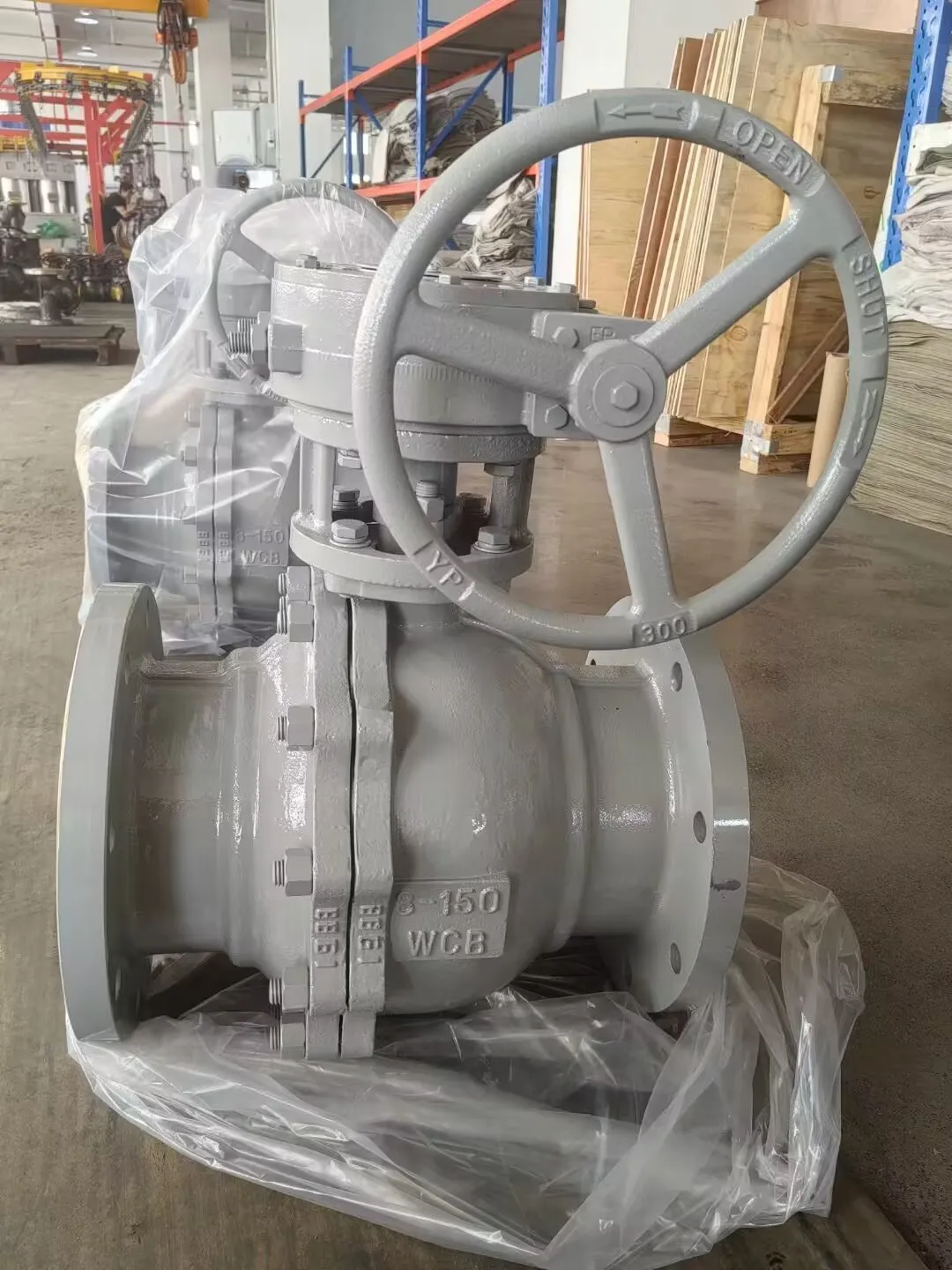
Performance of cast gate valves is fundamentally dictated by fluid mechanics and structural integrity. Force analysis focuses on internal pressure acting on the disc and valve body, requiring adequate wall thickness and robust body design to prevent deformation or failure. The stem experiences axial forces during operation, necessitating sufficient stem diameter and bearing surface area. Environmental resistance is paramount, particularly in corrosive environments. Epoxy coatings are frequently applied to the external surfaces to protect against atmospheric corrosion. Internal corrosion resistance is addressed through material selection (bronze/stainless steel disc and stem) and potentially the application of internal coatings. Compliance requirements vary by region and application; key standards include ANSI/AWWA C509 for resilient seat gate valves and API 598 for valve inspection and testing. The operational principle relies on a wedge-shaped disc that moves perpendicularly to the fluid flow. When fully open, the disc is retracted into the valve body, minimizing flow restriction. When closed, the disc seals against the valve seat, preventing flow. Proper seating is crucial, and achieving a bubble-tight shutoff requires accurate machining and controlled tightening of the bonnet flange bolts. Cavitation, a phenomenon where vapor bubbles form and collapse, can erode the valve trim; appropriate valve sizing and flow control are essential to avoid cavitation.
Technical Specifications
| Parameter | Unit | Typical Value (China Cast Iron Gate Valve) | Standard Specification (e.g., ANSI/AWWA) |
|---|---|---|---|
| Maximum Working Pressure | MPa | 1.6 | ANSI/AWWA C509: Up to 2.05 MPa |
| Body Material | - | Gray Cast Iron (ASTM A126 Class B) | ASTM A126, A129 |
| Disc Material | - | Bronze (Cu-Sn alloy) or Stainless Steel (304/316) | ASTM B148, ASTM A276 |
| Stem Material | - | Stainless Steel (304/316) | ASTM A276 |
| Connection Type | - | Flanged (PN16) | ANSI B16.1, EN 1092-1 |
| Operating Temperature Range | °C | -10 to 80 | Dependent on seal material; generally -20 to 120°C |
Failure Mode & Maintenance
Cast gate valves are susceptible to several failure modes. Corrosion, particularly in aggressive fluid environments, can lead to body wall thinning and leakage. Fatigue cracking can occur in the stem or disc due to repeated operation and cyclical loading. Erosion, caused by abrasive particles in the fluid, can damage the disc and seat surfaces. Gasket degradation results in stem leakage. Cavitation can cause localized erosion of the disc and seat. Failure analysis often reveals the root cause of these issues. Maintenance practices include regular inspection for corrosion, leakage, and visual defects. Periodic stem packing adjustment is essential to prevent stem leakage. Valve actuation should be performed smoothly to minimize impact loads. Replacement of worn gaskets and seals is crucial. For valves operating in corrosive environments, consider implementing cathodic protection or applying more durable coatings. Preventive maintenance schedules should be established based on operating conditions and fluid characteristics. Regular lubrication of the stem threads is also recommended. Proper storage is vital to prevent rust formation if the valve is not in continuous service.
Industry FAQ
Q: What is the typical service life expectation for a china cast iron gate valve used in a potable water application?
A: The service life typically ranges from 20 to 30 years, assuming proper installation, operation within specified parameters, and a regular maintenance schedule. Factors influencing lifespan include water quality (pH, mineral content), operating pressure, and frequency of operation. Regular inspections for corrosion and seal degradation are critical to maximizing service life.
Q: How does the epoxy coating impact the overall corrosion resistance of the valve body?
A: Epoxy coating provides a barrier between the cast iron and the external environment, significantly enhancing corrosion resistance. However, the coating's effectiveness depends on proper application and absence of mechanical damage. Scratches or chips in the coating can create localized corrosion cells. Periodic inspection and repair of the coating are recommended.
Q: What are the key differences between wedge gate valves and parallel seat gate valves in terms of sealing performance and flow characteristics?
A: Wedge gate valves offer a tighter shutoff due to the wedge-shaped disc compressing against the seat. Parallel seat gate valves have lower flow restriction when fully open, but typically exhibit slightly higher leakage rates. Wedge gate valves are generally preferred for applications requiring bubble-tight shutoff, while parallel seat valves are suitable where minimal pressure drop is a priority.
Q: What is the impact of water hammer on the valve’s internal components?
A: Water hammer, or pressure surge, can induce significant stress on the valve body, disc, and stem, potentially leading to fatigue cracking or even catastrophic failure. Adequate pipe support, surge arrestors, and slow valve closure are essential to mitigate the risk of water hammer. Valves should be sized appropriately to minimize flow velocity and potential for pressure surges.
Q: What material selection considerations are crucial when handling abrasive fluids containing solids?
A: When handling abrasive fluids, materials with high wear resistance are essential. Hardened cast iron, stainless steel, or even specialized alloys should be considered for the disc and seat. Using a valve with a renewable seat allows for replacement of the worn surface without replacing the entire valve. Regularly inspect the valve for signs of erosion and implement filtration systems upstream to reduce the solid particle content.
Conclusion
China cast gate valves remain a workhorse solution for flow control, offering a balance of cost-effectiveness, reliability, and versatility. Understanding the intricacies of material science, manufacturing processes, and performance characteristics is critical for selecting the appropriate valve for a given application. Addressing potential failure modes through proactive maintenance and implementing appropriate corrosion protection measures ensures long-term operational integrity and minimizes downtime.
Future advancements in cast iron technology, including improved alloy compositions and advanced coating techniques, will likely lead to enhanced corrosion resistance and extended service life. Furthermore, the integration of smart valve technologies, such as remote monitoring and predictive maintenance capabilities, will offer further benefits in optimizing valve performance and reducing operational costs. Continued adherence to relevant international standards and best practices is essential for maintaining product quality and safety.
-
Top Reasons to Choose a Stainless Steel Flange Check Valve for Industrial Applications
-
circle seal check valve Performance Engineering
-
circle seal check valves Performance Analysis
-
cryogenic check valve Performance Analysis
-
3 swing check valve Performance Analysis
-
4 wafer check valve Performance Analysis
-
6 wafer check valve Performance Analysis
-
cryogenic check valves Performance Analysis
-
soft seated check valve Performance Analysis
-
3/4 check valve Performance Analysis
-
wafer style check valve Performance Analysis
-
check valve with orifice Performance Analysis
-
check valve 8 inch Performance Analysis
-
1 1 2 inch check valve Performance Analysis
-
cast iron check valves Performance Analysis
 Afrikaans
 Albanian
 Amharic
 Arabic
 Armenian
 Azerbaijani
 Basque
 Belarusian
 Bengali
 Bosnian
 Bulgarian
 Catalan
 Cebuano
 Corsican
 Croatian
 Czech
Czech
 Danish
 Dutch
Dutch
 Esperanto
 Estonian
 Finnish
 French
 Frisian
 Galician
 Georgian
 German
 Greek
Greek
 Gujarati
 Haitian Creole
 Hausa
Hawaiian
Hausa
Hawaiian
 Hebrew
 Hindi
Hindi
 Miao
Miao
 Hungarian
 Icelandic
 Igbo
Igbo
 Indonesian
 Irish
Irish
 Italian
 Japanese
 Javanese
Kannada
Javanese
Kannada
 Kazakh
 Khmer
Khmer
 Rwandese
 Korean
 Kurdish
 Kyrgyz
 Lao
Lao
 Latin
Latin
 Latvian
 Lithuanian
 Luxembourgish
 Macedonian
 Malgashi
 Malay
Malay
 Malayalam
 Maltese
 Maori
Maori
 Marathi
 Mongolian
 Myanmar
 Nepali
 Norwegian
 Norwegian
 Occitan
 Pashto
 Persian
 Polish
 Portuguese
Punjabi
Portuguese
Punjabi
 Romanian
 Russian
 Samoan
 Scottish Gaelic
 Serbian
 Sesotho
 Shona
Shona
 Sindhi
 Sinhala
 Slovak
 Slovenian
 Somali
 Spanish
 Sundanese
 Swahili
 Swedish
Tagalog
Swedish
Tagalog
 Tajik
Tajik
 Tamil
Tamil
 Tatar
Tatar
 Telugu
 Thai
Thai
 Turkish
 Turkmen
 Ukrainian
 Urdu
Urdu
 Uighur
 Uzbek
Uzbek
 Vietnamese
 Welsh
Welsh
 Bantu
Bantu
 Yiddish
 Yoruba
 Zulu
Zulu
 English