




china diaphragm check valve Performance Analysis
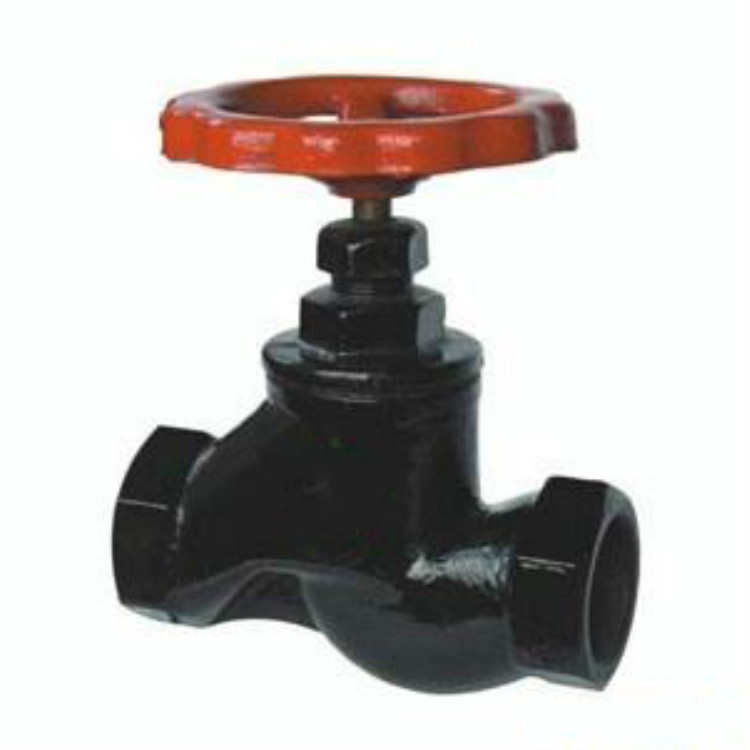
Introduction
The diaphragm check valve is a critical component in fluid handling systems, designed to prevent backflow in pipelines. Specifically, the “china diaphragm check valve” designation refers to valves manufactured within China, often characterized by competitive pricing and a growing emphasis on international quality standards. This valve type utilizes a flexible diaphragm, typically made of elastomers like EPDM, PTFE, or Nitrile, to seal against a valve seat. Its position within the industry chain is as a final control element, situated downstream of pumps, compressors, or other pressure-generating equipment. Core performance metrics include minimal pressure drop in the forward direction, leak-tight shutoff to prevent contamination and system inefficiencies, and resistance to the chemical and physical properties of the conveyed fluid. Unlike swing or lift check valves, diaphragm check valves offer a full-port design, minimizing turbulence and energy loss, making them particularly suitable for sensitive applications like sanitary processing and corrosive fluid handling.
Material Science & Manufacturing
The construction of a china diaphragm check valve relies on a careful selection of materials, dictated by the intended application and fluid compatibility. Valve bodies are commonly fabricated from materials such as ductile iron (QT450-10), stainless steel (304, 316, 316L), or engineered plastics like PVC or CPVC. Ductile iron offers high tensile strength and impact resistance, frequently coated with epoxy or fusion-bonded epoxy (FBE) for enhanced corrosion protection. Stainless steel grades provide superior corrosion resistance, particularly 316L due to its low carbon content minimizing carbide precipitation during welding. The diaphragm itself is typically made of an elastomer. EPDM (ethylene propylene diene monomer) excels in resistance to water, steam, and many chemicals but is not suitable for petroleum-based fluids. PTFE (polytetrafluoroethylene) provides universal chemical resistance but has lower tensile strength and creep resistance. Nitrile (NBR) is cost-effective and resistant to oil and fuels. Manufacturing processes include casting (for iron and steel bodies), injection molding (for plastic bodies and some diaphragm components), and diaphragm bonding – a critical step involving vulcanization or adhesive bonding of the diaphragm to the valve body. Key parameter control during manufacturing focuses on dimensional accuracy of the valve seat and diaphragm, ensuring a leak-tight seal, and the consistency of elastomer durometer (hardness) to guarantee appropriate flexibility and resilience. Welding processes, if applicable (e.g., for stainless steel bodies), require stringent quality control to prevent porosity and maintain structural integrity.
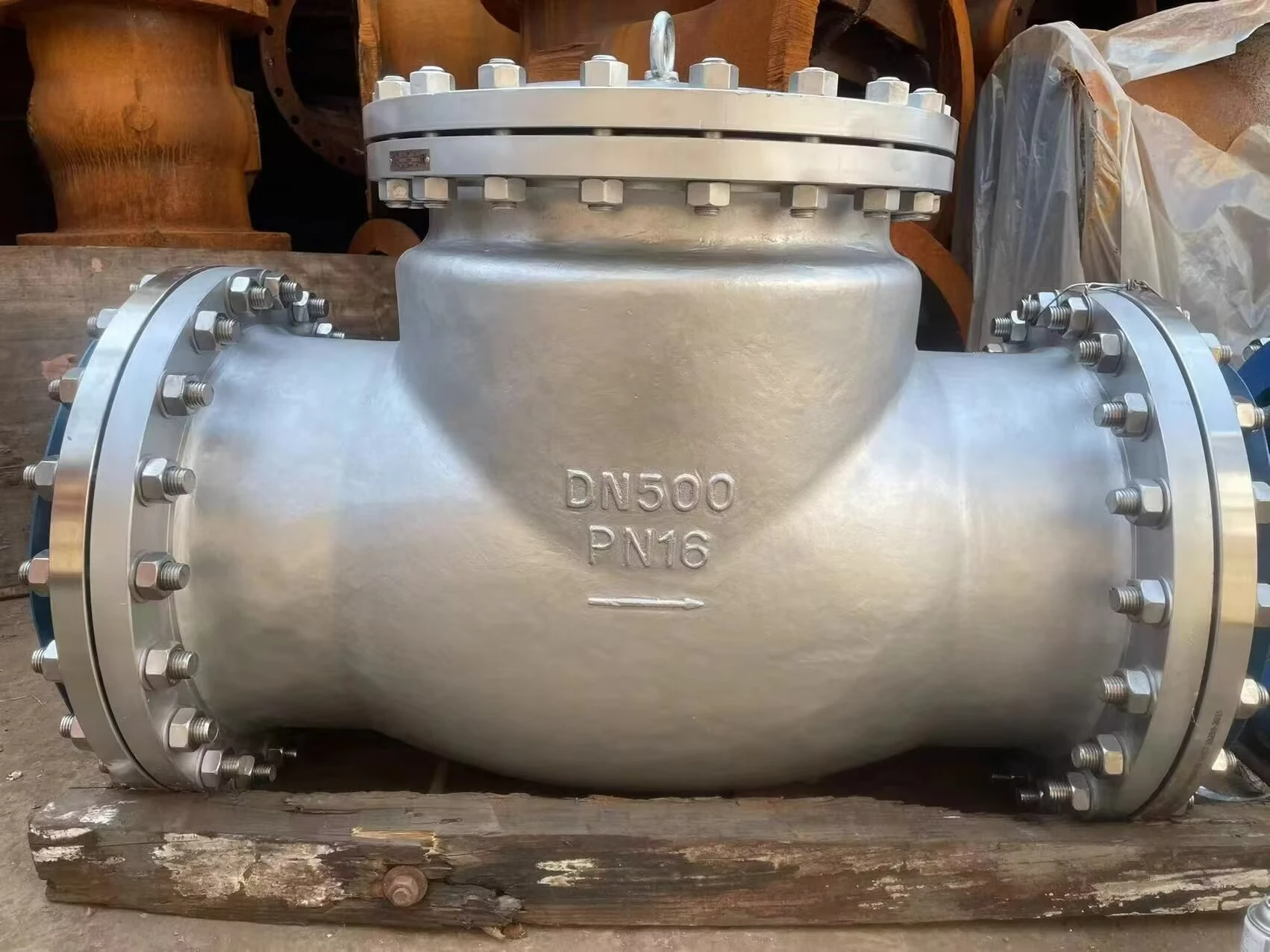
Performance & Engineering
The performance of a diaphragm check valve is governed by hydrodynamic principles and material characteristics. The valve’s cracking pressure – the minimum differential pressure required to lift the diaphragm and initiate flow – is a key engineering parameter. This is directly related to the diaphragm’s effective area, spring force (if incorporated in the design), and the weight of the diaphragm. Force analysis under varying flow conditions is crucial to prevent diaphragm fatigue and ensure long-term reliability. Environmental resistance is paramount; exposure to UV radiation, extreme temperatures, and corrosive fluids can degrade the diaphragm material, leading to premature failure. Compliance requirements vary based on the application. For potable water systems, valves must comply with NSF/ANSI 61 standards for lead content and material safety. For hazardous environments, ATEX or IECEx certification may be required to ensure the valve does not create ignition sources. Functional implementation also demands consideration of the valve’s response time. Rapid closing is essential in applications where water hammer or surge pressure are concerns. Diaphragm materials and valve body design significantly influence response time. Furthermore, the valve’s coefficient of discharge (Cv) – a measure of flow capacity – must be accurately determined to optimize system performance and minimize pressure drop.
Technical Specifications
| Parameter | Unit | Typical Value (Stainless Steel 316L) | Typical Value (Ductile Iron w/ Epoxy Coating) |
|---|---|---|---|
| Maximum Operating Pressure | PSI | 300 | 250 |
| Temperature Range | °F | -20 to 450 | -20 to 200 |
| Valve Size (DN) | mm | 50-300 | 50-400 |
| Connection Type | - | Flanged, Threaded, Welded | Flanged, Threaded |
| Diaphragm Material | - | PTFE, EPDM, Nitrile | EPDM, Nitrile |
| Cracking Pressure | PSI | 2-10 (dependent on diaphragm thickness) | 2-10 (dependent on diaphragm thickness) |
Failure Mode & Maintenance
Diaphragm check valves are susceptible to several failure modes. Diaphragm fatigue cracking is common, particularly under cyclical loading and elevated temperatures. This is exacerbated by improper diaphragm material selection for the conveyed fluid. Chemical attack can lead to diaphragm degradation, causing swelling, embrittlement, or dissolving. For instance, strong oxidizing agents can rapidly deteriorate EPDM diaphragms. Delamination of the diaphragm from the valve body can occur due to inadequate bonding during manufacturing or thermal expansion/contraction differences between the diaphragm and body materials. Corrosion of the valve body, particularly in ductile iron valves without adequate coating, can lead to leakage and structural failure. Sediment buildup on the diaphragm seat can prevent complete closure, resulting in backflow. Maintenance involves regular inspection of the diaphragm for signs of wear, cracking, or chemical attack. Periodic cleaning of the valve body to remove sediment buildup is essential. If the diaphragm is damaged, it should be replaced with a compatible material. For valves operating in corrosive environments, inspect the valve body coating for damage and repair as needed. Preventative maintenance schedules should be established based on the severity of the operating conditions and the fluid being handled. Documenting maintenance activities and tracking failure rates aids in optimizing maintenance intervals and improving valve reliability.
Industry FAQ
Q: What is the primary advantage of a diaphragm check valve over a swing check valve in sanitary applications?
A: Diaphragm check valves offer a full-port design, eliminating dead legs and minimizing the potential for bacterial buildup, which is critical in sanitary applications like food and beverage processing. Swing check valves have a hinged disc that creates turbulence and can trap fluids, increasing the risk of contamination.
Q: How does the material of the diaphragm affect the valve’s chemical compatibility?
A: The diaphragm material dictates the valve’s resistance to specific chemicals. EPDM is excellent for water and steam, PTFE offers broad compatibility, and Nitrile is suitable for oil-based fluids. Incorrect material selection leads to swelling, degradation, and ultimately, failure of the valve.
Q: What steps should be taken to prevent diaphragm fatigue in a high-cycle application?
A: Employing a diaphragm material with high tensile strength and elongation is crucial. Reducing the frequency and magnitude of pressure fluctuations in the system will also minimize fatigue. Consider using a diaphragm with a reinforcing fabric layer to enhance its durability.
Q: What are the implications of exceeding the maximum operating pressure of the valve?
A: Exceeding the maximum operating pressure can cause diaphragm rupture, valve body cracking, and potential system failure. It can also lead to sudden and uncontrolled backflow, posing a safety hazard.
Q: What is the typical lifespan of a diaphragm check valve in a clean water application?
A: In a clean water application with proper installation and maintenance, a diaphragm check valve can typically last 5-10 years. However, this lifespan is highly dependent on water quality (e.g., presence of chlorine), operating temperature, and frequency of cycling.
Conclusion
The china diaphragm check valve represents a cost-effective and versatile solution for backflow prevention in a wide array of industrial applications. Its performance hinges on a careful understanding of material science, precise manufacturing control, and adherence to relevant industry standards. Proper material selection, considering fluid compatibility and operating conditions, is paramount to ensuring long-term reliability and minimizing the risk of premature failure.
Future advancements in diaphragm check valve technology will likely focus on the development of more durable and chemically resistant diaphragm materials, improved valve body designs to enhance flow efficiency, and the integration of smart sensors for predictive maintenance. Continuous monitoring of valve performance and proactive replacement of worn components are essential for maximizing system uptime and minimizing operational costs.
-
Top Reasons to Choose a Stainless Steel Flange Check Valve for Industrial Applications
-
12 inch check valve Performance Analysis
-
lift check valves Performance Engineering
-
check valve 12 inch Performance Analysis
-
stop check valve Performance Analysis
-
check stop valve Performance Analysis
-
stop check valves Performance Analysis
-
pilot operated check valve Performance Analysis
-
spring loaded check valve Material Science Manufacturing
-
pilot operated check valves Performance Analysis
-
check valve pilot operated Performance Analysis
-
1 4 in check valve Performance Engineering
-
check valve 3 4 Performance Analysis
-
11 2 check valve Performance Analysis
-
spring check valve Material Science Manufacturing
 Afrikaans
 Albanian
 Amharic
 Arabic
 Armenian
 Azerbaijani
 Basque
 Belarusian
 Bengali
 Bosnian
 Bulgarian
 Catalan
 Cebuano
 Corsican
 Croatian
 Czech
Czech
 Danish
 Dutch
Dutch
 Esperanto
 Estonian
 Finnish
 French
 Frisian
 Galician
 Georgian
 German
 Greek
Greek
 Gujarati
 Haitian Creole
 Hausa
Hawaiian
Hausa
Hawaiian
 Hebrew
 Hindi
Hindi
 Miao
Miao
 Hungarian
 Icelandic
 Igbo
Igbo
 Indonesian
 Irish
Irish
 Italian
 Japanese
 Javanese
Kannada
Javanese
Kannada
 Kazakh
 Khmer
Khmer
 Rwandese
 Korean
 Kurdish
 Kyrgyz
 Lao
Lao
 Latin
Latin
 Latvian
 Lithuanian
 Luxembourgish
 Macedonian
 Malgashi
 Malay
Malay
 Malayalam
 Maltese
 Maori
Maori
 Marathi
 Mongolian
 Myanmar
 Nepali
 Norwegian
 Norwegian
 Occitan
 Pashto
 Persian
 Polish
 Portuguese
Punjabi
Portuguese
Punjabi
 Romanian
 Russian
 Samoan
 Scottish Gaelic
 Serbian
 Sesotho
 Shona
Shona
 Sindhi
 Sinhala
 Slovak
 Slovenian
 Somali
 Spanish
 Sundanese
 Swahili
 Swedish
Tagalog
Swedish
Tagalog
 Tajik
Tajik
 Tamil
Tamil
 Tatar
Tatar
 Telugu
 Thai
Thai
 Turkish
 Turkmen
 Ukrainian
 Urdu
Urdu
 Uighur
 Uzbek
Uzbek
 Vietnamese
 Welsh
Welsh
 Bantu
Bantu
 Yiddish
 Yoruba
 Zulu
Zulu
 English