




china floating ball valves Performance Engineering
Introduction
China floating ball valves are integral components in fluid control systems across a diverse range of industries, including oil & gas, chemical processing, water treatment, and power generation. These valves utilize a floating ball, typically manufactured from metal alloys or engineered polymers, to regulate flow. The 'floating' design implies the ball is held in place by resilient seats and does not have a dedicated stem extending through the valve body. This contrasts with trunnion-mounted ball valves, particularly suited for high-pressure, high-temperature applications. The market for these valves, particularly those manufactured in China, is driven by cost-effectiveness and increasing industrialization. Key performance characteristics center around tight shut-off, minimal pressure drop, and reliable operation, impacting overall system efficiency and safety. This guide provides a comprehensive analysis of their material science, manufacturing processes, performance engineering, failure modes, and relevant industry standards.
Material Science & Manufacturing
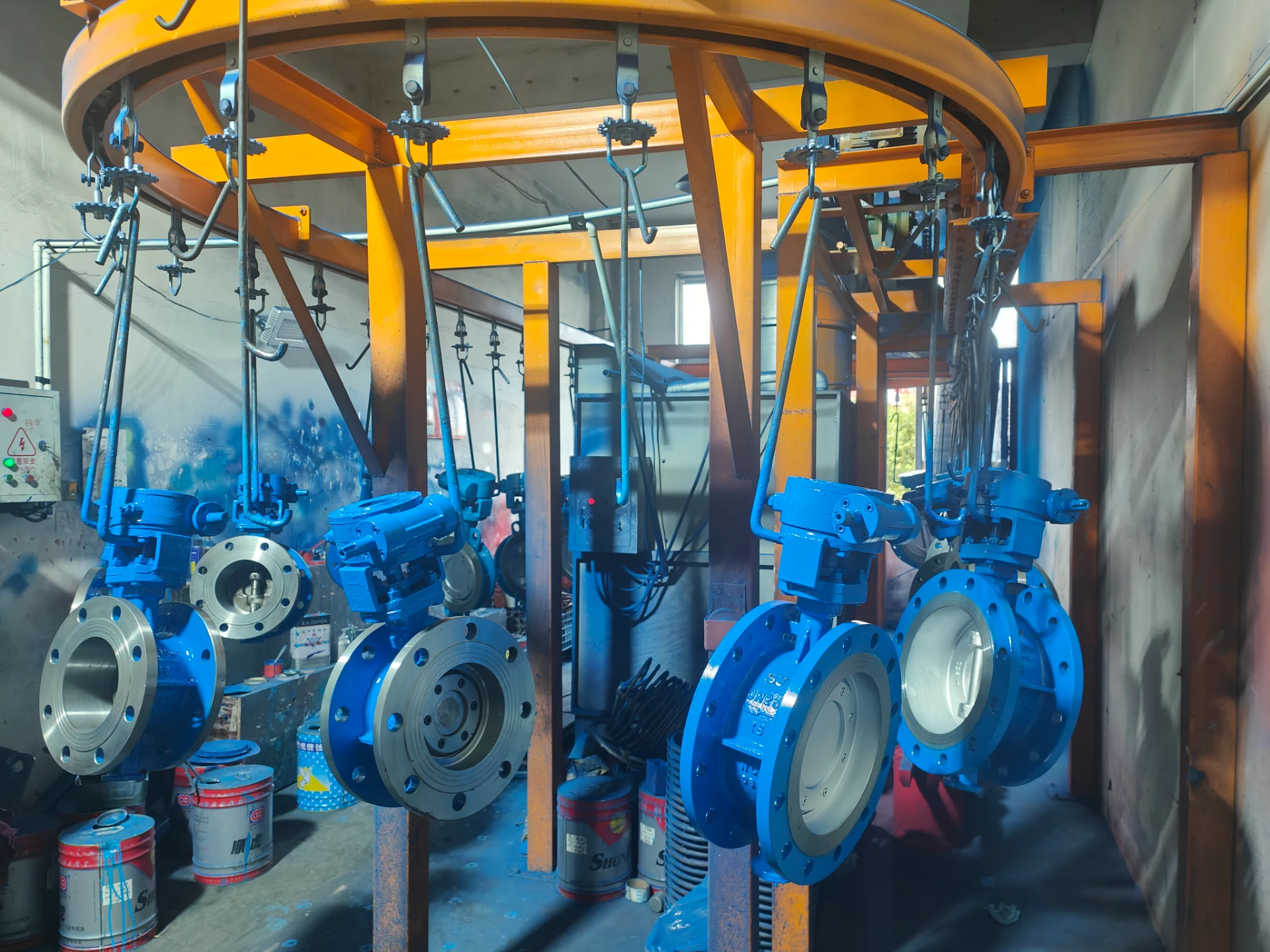
The core materials for China floating ball valves are dictated by the operating environment. Valve bodies are commonly constructed from carbon steel (ASTM A105, equivalent to GB/T 1220), stainless steel (304/316 – ASTM A351, GB/T 1220), or alloy steels (e.g., F304, F316). The choice depends on the fluid being handled and the temperature/pressure requirements. The ball itself is typically made from the same material as the body, though specialized applications may employ hardened alloys like 17-4 PH stainless steel for enhanced wear resistance. Seats are crucial for achieving a tight seal and are commonly made from PTFE (Teflon), reinforced PTFE, or other elastomers like EPDM or Viton, selected for their chemical compatibility and temperature range. Manufacturing processes involve precision casting or forging for the body, followed by machining to exacting tolerances. The ball is typically manufactured via forging and precision grinding to ensure sphericity and surface finish. Critical parameters during manufacturing include heat treatment to achieve desired hardness and microstructure, non-destructive testing (NDT) such as radiographic inspection (RT) and liquid penetrant examination (LPE) to detect defects, and hydrostatic testing to verify body integrity. Surface treatments like passivation (for stainless steel) and coating (e.g., epoxy) are employed to enhance corrosion resistance. Welding procedures, adhering to standards like ASME Section IX and GB/T 8163, are critical for ensuring joint strength and preventing leakage. Accurate seat orientation and ball-to-seat contact are maintained through careful assembly and torque control.
Performance & Engineering
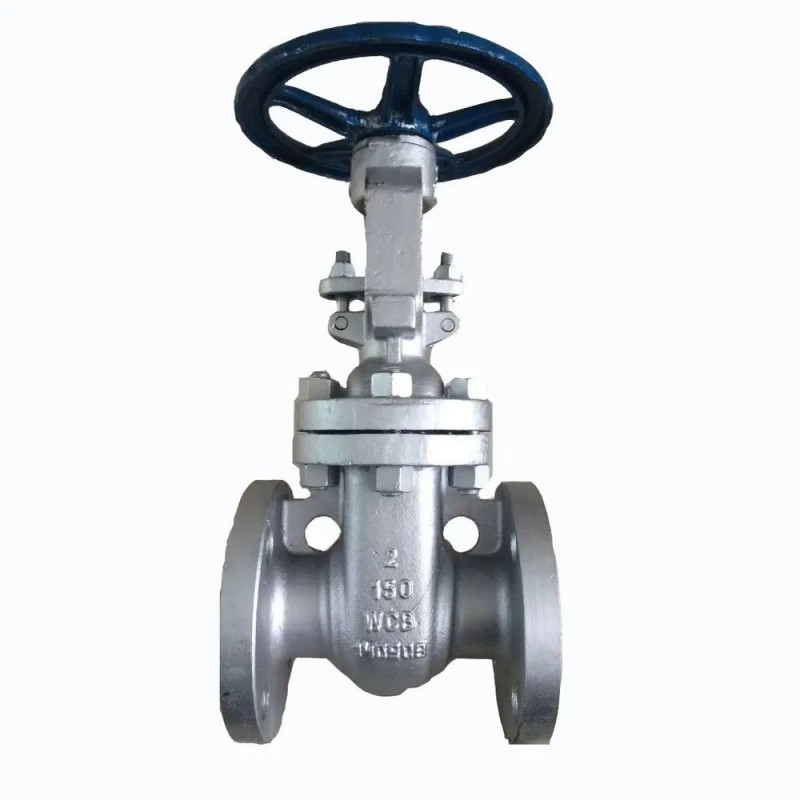
Performance of a floating ball valve is governed by several engineering considerations. Flow coefficient (Cv) dictates the valve’s capacity to pass fluid at a given pressure drop. This is influenced by the ball size, seat bore diameter, and valve body design. Torque requirements for operation are determined by the fluid viscosity, pressure, and ball size. High torque can lead to actuator failure or manual operation difficulties. The stem seal arrangement (if present for auxiliary functions like bleed ports) must prevent leakage, particularly in hazardous environments. Environmental resistance is paramount; corrosion from the process fluid or external atmosphere necessitates appropriate material selection and protective coatings. Pressure-temperature ratings are defined by standards like ASME B16.34 and EN 1333. The valve’s ability to withstand bidirectional pressure is a key design feature. Finite Element Analysis (FEA) is often used to optimize body geometry for pressure containment and stress distribution. Compliance with industry regulations, such as API 6D for quarter-turn valves, dictates design requirements, testing protocols, and documentation. Furthermore, fugitive emissions standards (e.g., EPA Method 21) are increasingly important, demanding low-leakage valve designs and stem sealing solutions. Consideration must also be given to the impact of water hammer and flow-induced vibration, which can cause premature failure. Proper valve sizing is crucial to avoid cavitation and erosion, which degrade valve components.
Technical Specifications
| Parameter | Carbon Steel (A105) | 304 Stainless Steel (CF8) | 316 Stainless Steel (CF8M) | PTFE Seat |
|---|---|---|---|---|
| Maximum Pressure (PSI) | 2500 | 2000 | 2000 | N/A (Seat Material) |
| Temperature Range (°F) | -20 to 450 | -328 to 650 | -328 to 650 | -200 to 500 |
| Connection Type | Screwed, Welded, Flanged | Screwed, Welded, Flanged | Screwed, Welded, Flanged | N/A (Seat Material) |
| Actuation Type | Manual, Pneumatic, Electric | Manual, Pneumatic, Electric | Manual, Pneumatic, Electric | N/A (Seat Material) |
| Leakage Rate (ASTM D1974) | Class VI (Bubble Tight) | Class VI (Bubble Tight) | Class VI (Bubble Tight) | Class A |
| Body Material Standard | ASTM A105 | ASTM A351 Grade CF8 | ASTM A351 Grade CF8M | N/A (Seat Material) |
Failure Mode & Maintenance
Floating ball valves are susceptible to several failure modes. Seat damage (erosion, abrasion, deformation) is common, especially with abrasive fluids or high flow velocities. This leads to leakage and reduced shut-off capability. Ball surface pitting or corrosion can also compromise sealing. Stem leakage, if applicable, is often caused by worn seals or damaged threads. Body cracking can occur due to overpressure, thermal cycling, or material defects. Cavitation erosion damages the ball and seats due to imploding vapor bubbles. Fatigue cracking can initiate at stress concentration points (e.g., weld joints) under cyclic loading. Regular inspection is crucial for preventative maintenance. This includes visual checks for external corrosion, leakage, and actuator functionality. Periodic testing of seat leakage (using pneumatic or hydrostatic testing) is recommended. Lubrication of actuators and stem seals (if applicable) extends component life. Replacement of worn seats and seals should be performed proactively. NDT methods, such as ultrasonic testing, can detect hidden cracks or corrosion. Proper storage conditions (dry, protected from the elements) minimize corrosion during periods of inactivity. Avoid over-tightening during assembly, as this can distort seats and compromise sealing. Implement a preventative maintenance schedule based on operating conditions and fluid characteristics.
Industry FAQ
Q: What is the primary advantage of a floating ball valve compared to a gate valve in high-cycle applications?
A: Floating ball valves offer faster actuation times and require lower operating torque compared to gate valves, making them significantly more suitable for high-cycle applications. Gate valves, due to their sliding gate design, experience higher frictional resistance and wear, leading to slower response times and increased maintenance.
Q: How does the choice of seat material impact the temperature and chemical compatibility of a floating ball valve?
A: The seat material dictates the valve's ability to maintain a leak-tight seal across a specific temperature range and in contact with various chemicals. PTFE offers broad chemical resistance but has temperature limitations. Elastomers like Viton provide better high-temperature performance but may be incompatible with certain solvents. Careful material selection is essential to prevent seat degradation and leakage.
Q: What are the key considerations for selecting a floating ball valve for a slurry service?
A: Slurry services require valves designed for abrasion resistance. Hardened ball and seat materials (e.g., chrome-plated or tungsten carbide) are essential. Larger bore sizes and streamlined flow paths minimize erosion. Regular inspection and replacement of wear components are also critical.
Q: How do international standards like API 6D and ASME B16.34 ensure the reliability of floating ball valves?
A: API 6D and ASME B16.34 define stringent design, manufacturing, and testing requirements for quarter-turn valves, including floating ball valves. These standards cover material specifications, pressure-temperature ratings, leakage limits, and NDT procedures, ensuring consistent quality and safe operation.
Q: What is the significance of hydrostatic testing in the quality control process of floating ball valves?
A: Hydrostatic testing verifies the mechanical integrity of the valve body and connections. The valve is pressurized to a level exceeding its rated working pressure to detect leaks and ensure it can withstand operational stresses without failure. This is a critical step in confirming the valve's safety and reliability.
Conclusion
China floating ball valves represent a critical, cost-effective solution for fluid control across a vast array of industrial applications. Their design, relying on a floating ball and resilient seating, offers a balance of performance, reliability, and ease of operation. However, optimal performance is contingent upon careful material selection, rigorous manufacturing processes adhering to international standards, and a proactive approach to preventative maintenance.
The continued evolution of these valves will likely focus on enhanced sealing technologies to minimize fugitive emissions, further refinement of materials for improved corrosion resistance, and integration of smart valve technologies for remote monitoring and control. Understanding the potential failure modes and implementing appropriate inspection and maintenance procedures are paramount for maximizing service life and ensuring safe, efficient operation in demanding industrial environments.
-
Rubber Flanges Performance Analysis
-
Square Flanges Material Science Manufacturing
-
Hubbed Flange Performance Analysis
-
Flat Face Flange Performance Analysis
-
Ball Valve Flange Performance Analysis
-
flat face flanges Performance Analysis
-
Flat Faced Flange Performance Analysis
-
3 in flange Performance Analysis
-
2in flange Performance Analysis
-
Flat Faced Flanges Performance Analysis
-
megalug flange Performance and Engineering
-
Plate Flange Performance Analysis
-
Reducing Flange Performance Analysis
-
Sealing Flange Performance Analysis
-
Turbo Flanges Performance Analysis
 Afrikaans
 Albanian
 Amharic
 Arabic
 Armenian
 Azerbaijani
 Basque
 Belarusian
 Bengali
 Bosnian
 Bulgarian
 Catalan
 Cebuano
 Corsican
 Croatian
 Czech
Czech
 Danish
 Dutch
Dutch
 Esperanto
 Estonian
 Finnish
 French
 Frisian
 Galician
 Georgian
 German
 Greek
Greek
 Gujarati
 Haitian Creole
 Hausa
Hawaiian
Hausa
Hawaiian
 Hebrew
 Hindi
Hindi
 Miao
Miao
 Hungarian
 Icelandic
 Igbo
Igbo
 Indonesian
 Irish
Irish
 Italian
 Japanese
 Javanese
Kannada
Javanese
Kannada
 Kazakh
 Khmer
Khmer
 Rwandese
 Korean
 Kurdish
 Kyrgyz
 Lao
Lao
 Latin
Latin
 Latvian
 Lithuanian
 Luxembourgish
 Macedonian
 Malgashi
 Malay
Malay
 Malayalam
 Maltese
 Maori
Maori
 Marathi
 Mongolian
 Myanmar
 Nepali
 Norwegian
 Norwegian
 Occitan
 Pashto
 Persian
 Polish
 Portuguese
Punjabi
Portuguese
Punjabi
 Romanian
 Russian
 Samoan
 Scottish Gaelic
 Serbian
 Sesotho
 Shona
Shona
 Sindhi
 Sinhala
 Slovak
 Slovenian
 Somali
 Spanish
 Sundanese
 Swahili
 Swedish
Tagalog
Swedish
Tagalog
 Tajik
Tajik
 Tamil
Tamil
 Tatar
Tatar
 Telugu
 Thai
Thai
 Turkish
 Turkmen
 Ukrainian
 Urdu
Urdu
 Uighur
 Uzbek
Uzbek
 Vietnamese
 Welsh
Welsh
 Bantu
Bantu
 Yiddish
 Yoruba
 Zulu
Zulu
 English