




china forging pipe fittings Performance Analysis
Introduction
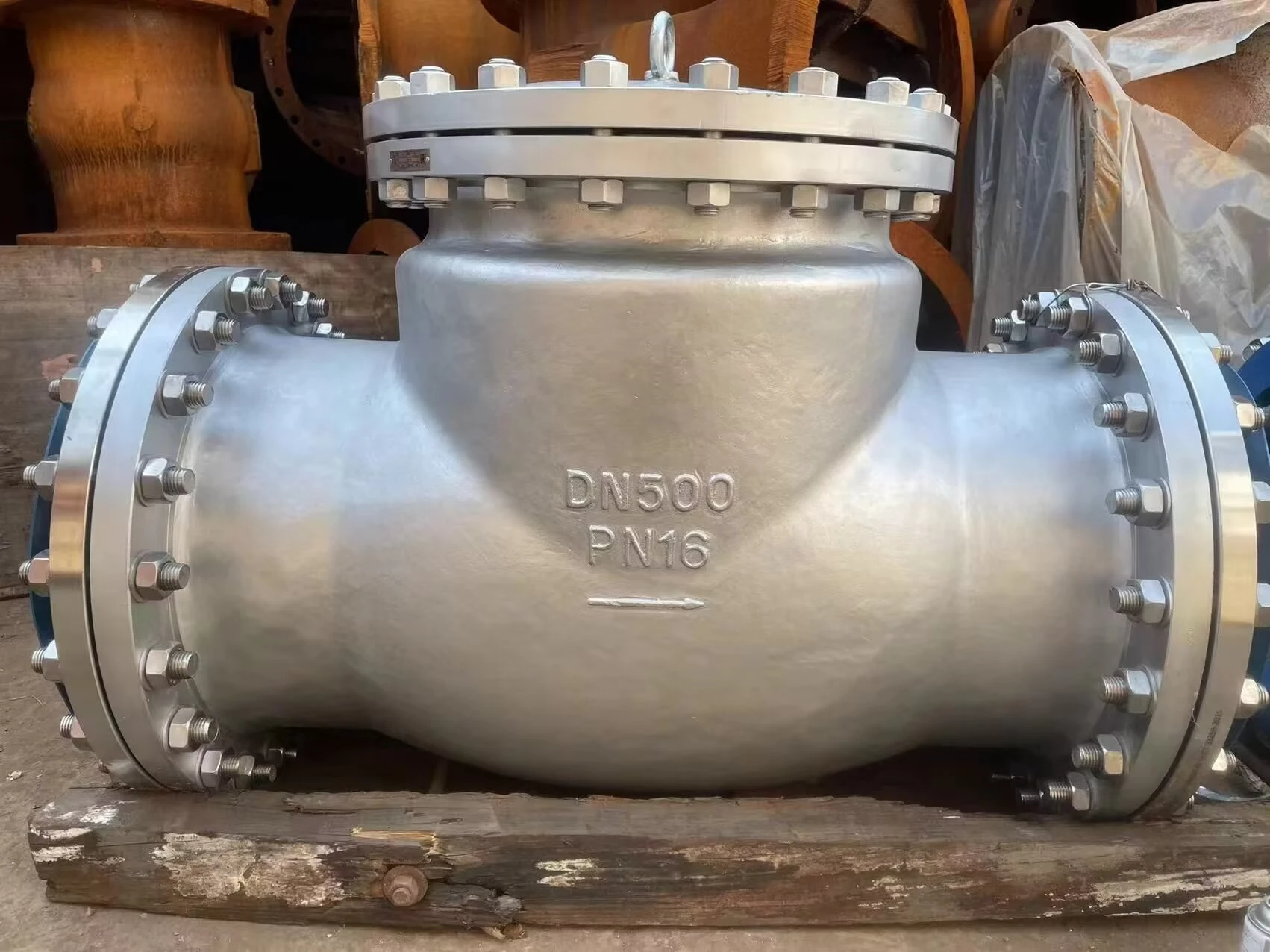
China forging pipe fittings represent a critical component in fluid transfer systems across numerous industries, including oil and gas, petrochemicals, power generation, and water treatment. These fittings, manufactured through forging processes, offer enhanced mechanical properties and reliability compared to fittings produced via alternative methods like casting or machining. Forging involves shaping metal using localized compressive forces, refining the grain structure and eliminating porosity. The strategic sourcing of these components from China is driven by a combination of cost-effectiveness, increasing manufacturing capacity, and evolving quality control measures. Understanding the material composition, manufacturing techniques, performance characteristics, and potential failure modes is paramount for engineers and procurement professionals to ensure the integrity and longevity of pipeline systems. This guide provides a detailed examination of china forging pipe fittings, covering material science, manufacturing processes, performance criteria, failure analysis, and relevant industry standards. A primary industry pain point is ensuring consistent quality and traceability of materials, given the complex supply chains often involved. Proper selection and application are vital to mitigating risks associated with high-pressure and corrosive environments.
Material Science & Manufacturing
The predominant material for china forging pipe fittings is carbon steel, specifically grades like ASTM A105, ASTM A350 LF2, and API 5L. Alloy steels, such as those conforming to ASTM A182 F304/F316, are employed for applications demanding enhanced corrosion resistance and high-temperature performance. The forging process typically commences with raw material in the form of billets or bars. These are heated to forging temperatures (typically 1100-1250°C for carbon steel) and then subjected to processes like open-die forging, closed-die forging, or ring rolling depending on the fitting’s geometry. Open-die forging offers flexibility in shaping complex configurations, while closed-die forging ensures dimensional accuracy and repeatability. Ring rolling is particularly suitable for producing flanges and similar circular components. Critical parameters during forging include temperature control, forging pressure, and cooling rate. Inadequate temperature control can lead to grain growth and reduced mechanical properties. Insufficient forging pressure may result in incomplete deformation and internal defects. Rapid cooling can induce thermal stresses and cracking. Post-forging operations include heat treatment (normalizing, quenching, and tempering) to achieve desired hardness, ductility, and toughness. Surface treatments like phosphating or galvanizing may be applied to enhance corrosion resistance. Chemical composition verification through techniques like Optical Emission Spectroscopy (OES) is crucial to ensure compliance with specified standards. Microstructural analysis utilizing metallography reveals grain size, shape, and the presence of any inclusions or defects, providing insight into the material’s quality and performance potential.
Performance & Engineering
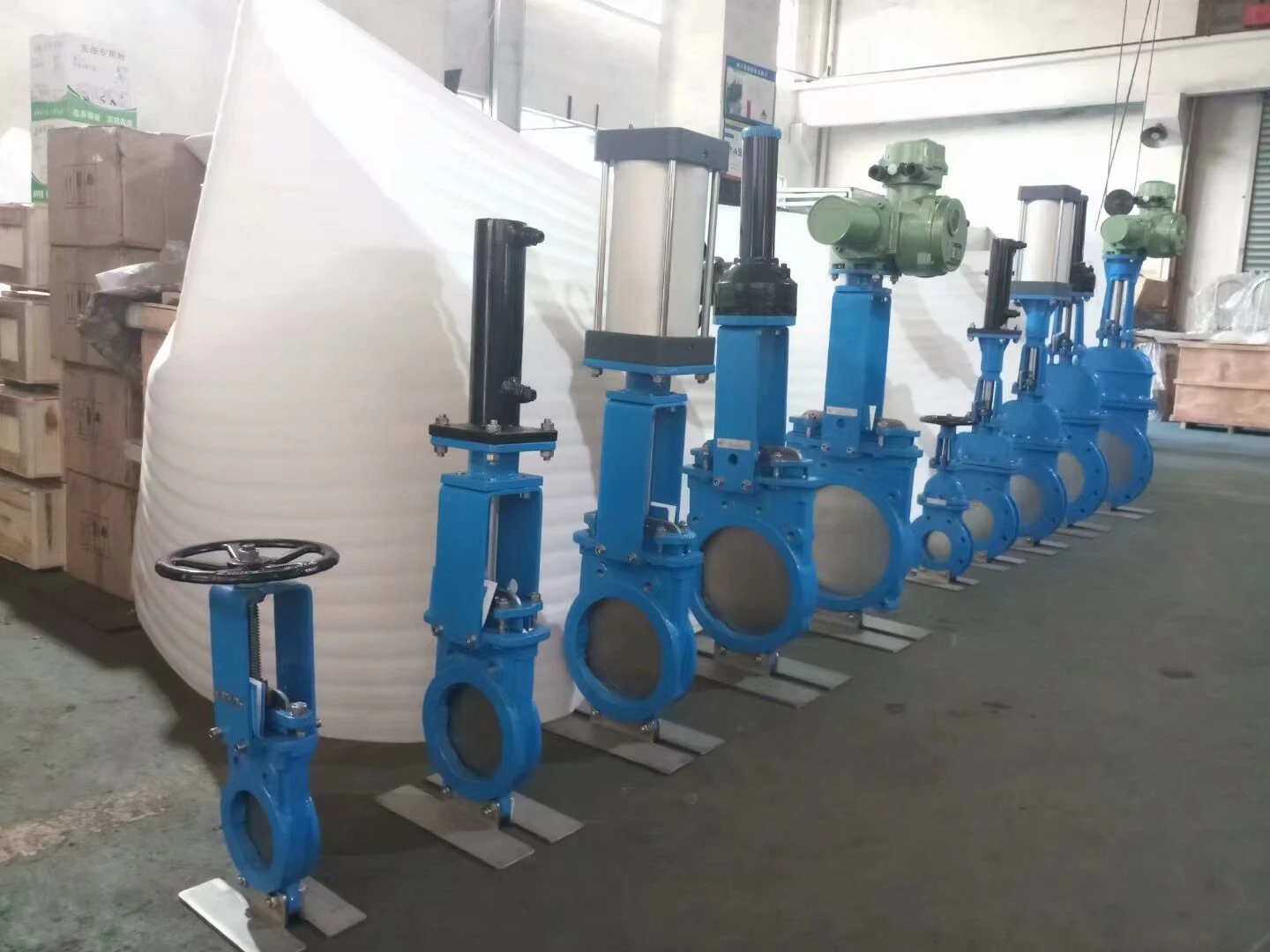
The performance of china forging pipe fittings is governed by several key engineering considerations. Pressure rating, defined by standards like ASME B16.34, dictates the maximum operating pressure the fitting can withstand. This is directly related to the material’s yield strength, tensile strength, and wall thickness. Finite Element Analysis (FEA) is frequently employed to simulate stress distributions under various loading conditions, optimizing fitting geometry and ensuring structural integrity. Fatigue resistance is critical in applications involving cyclic loading, such as those found in reciprocating pumps or thermal expansion/contraction cycles. Corrosion resistance depends on the material’s composition and the nature of the fluid being conveyed. For corrosive environments, material selection must account for pitting corrosion, crevice corrosion, and galvanic corrosion. Leak tightness is paramount, particularly in hazardous fluid systems. Fittings are typically tested using hydrostatic testing, where they are pressurized to a specified level and inspected for leaks. Environmental resistance is another vital performance factor. Exposure to UV radiation, extreme temperatures, and abrasive particles can degrade the fitting’s material and reduce its lifespan. Proper material selection and protective coatings can mitigate these effects. Compliance with industry regulations, such as PED (Pressure Equipment Directive) in Europe and ASME Section VIII in North America, is essential to ensure safety and legal compliance. Force analysis includes calculations for bending moments, shear forces, and torsional stresses, especially for fittings subject to external loads or vibrations. Material selection must balance strength, ductility, and weldability to ensure reliable joining and prevent brittle failure.
Technical Specifications
| Parameter | ASTM A105 Carbon Steel | ASTM A182 F316 Stainless Steel | API 5L Grade B Carbon Steel | Unit |
|---|---|---|---|---|
| Yield Strength | 36,000 | 88,000 | 34,500 | psi |
| Tensile Strength | 58,000 | 100,000 | 58,000 | psi |
| Elongation | 20 | 30 | 22 | % |
| Hardness (Brinell) | 110-150 | 85-100 | 120-160 | HB |
| Corrosion Resistance | Low | High | Low | Qualitative |
| Maximum Operating Temperature | 400 | 850 | 400 | °C |
Failure Mode & Maintenance
China forging pipe fittings are susceptible to several failure modes. Fatigue cracking, particularly in fittings subjected to cyclic pressure fluctuations, is a common issue. This occurs due to the initiation and propagation of cracks under repeated stress. Corrosion-induced failure can manifest as pitting corrosion, crevice corrosion, or stress corrosion cracking, depending on the corrosive environment. Hydrogen embrittlement can occur in high-strength steels exposed to hydrogen-containing environments, leading to brittle fracture. Creep, the time-dependent deformation under constant stress at elevated temperatures, can lead to dimensional changes and eventual failure. Improper welding can introduce defects like porosity, slag inclusions, and undercut, weakening the fitting and creating potential leak paths. Regular inspection and preventative maintenance are crucial for mitigating these risks. Visual inspection for signs of corrosion, cracks, or deformation should be performed periodically. Non-destructive testing (NDT) methods, such as liquid penetrant testing, magnetic particle inspection, and ultrasonic testing, can detect subsurface defects. Hydrostatic testing can verify the fitting’s leak tightness. Lubrication of threaded connections prevents galling and facilitates disassembly. Proper storage to protect against corrosion and environmental degradation is essential. Replacement of fittings showing signs of significant damage or deterioration is crucial to prevent catastrophic failures. Furthermore, detailed record-keeping of inspection and maintenance activities ensures traceability and facilitates informed decision-making regarding component lifespan and replacement schedules.
Industry FAQ
Q: What are the key differences between fittings forged in China versus those forged in Europe or North America?
A: Historically, differences centered around quality control consistency. However, modern Chinese forging facilities have invested significantly in advanced equipment and quality management systems. While price remains a primary driver, the gap in quality has narrowed substantially. Key differences now often relate to traceability documentation and adherence to specific third-party inspection requirements. Some clients still prefer Western-made fittings for extremely critical applications requiring absolute certainty of origin and quality assurance.
Q: How does the choice of forging die material affect the final product quality?
A: The forging die material (typically tool steel) significantly impacts the quality of the forging. Higher-grade die materials exhibit greater wear resistance, dimensional stability, and surface finish. This translates to improved accuracy, reduced surface defects, and a longer die life. Proper die maintenance, including polishing and heat treatment, is equally important for maintaining product quality. Improperly maintained dies can introduce surface imperfections and dimensional inaccuracies.
Q: What role does heat treatment play in optimizing the mechanical properties of forged fittings?
A: Heat treatment is paramount. Normalizing refines the grain structure, improving machinability and uniformity. Quenching and tempering enhance hardness, strength, and toughness. The specific heat treatment cycle must be carefully controlled to achieve the desired balance of properties for the intended application. Improper heat treatment can result in reduced strength, increased brittleness, or residual stresses.
Q: What are the common non-destructive testing (NDT) methods used to verify the integrity of forged pipe fittings?
A: Common NDT methods include Liquid Penetrant Testing (LPT) for detecting surface cracks, Magnetic Particle Inspection (MPI) for detecting subsurface cracks in ferromagnetic materials, Ultrasonic Testing (UT) for detecting internal flaws, and Radiographic Testing (RT) for comprehensive internal inspection. Each method has its strengths and limitations, and the appropriate method is selected based on the material, fitting geometry, and criticality of the application.
Q: How do I ensure traceability of the materials used in China forging pipe fittings?
A: Traceability is achieved through comprehensive documentation, including material test reports (MTRs) verifying chemical composition and mechanical properties, forging certificates detailing the forging process parameters, and heat treatment records. Requesting certifications from reputable third-party inspection agencies can provide independent verification of material quality and compliance with specified standards. Maintaining a robust documentation system is crucial for establishing a clear audit trail.
Conclusion
China forging pipe fittings have become a ubiquitous and essential component in a wide range of industrial applications. Their inherent strength, reliability, and cost-effectiveness make them a compelling choice for fluid transfer systems. However, ensuring consistent quality, traceability, and adherence to stringent industry standards is paramount. Understanding the nuances of material science, manufacturing processes, performance characteristics, and potential failure modes is critical for engineers and procurement professionals. Continued advancements in forging technology, quality control systems, and supply chain management will further enhance the performance and reliability of these components.
Successful implementation relies on diligent material selection, rigorous inspection procedures, and proactive maintenance strategies. By adopting a comprehensive approach that prioritizes quality and safety, industries can maximize the lifespan and operational efficiency of their pipeline systems while mitigating the risks associated with high-pressure and corrosive environments. The future will likely see increased adoption of digital technologies, such as data analytics and predictive maintenance, to optimize performance and proactively identify potential failure points.
-
Rubber Flanges Performance Analysis
-
Square Flanges Material Science Manufacturing
-
Hubbed Flange Performance Analysis
-
Flat Face Flange Performance Analysis
-
Ball Valve Flange Performance Analysis
-
flat face flanges Performance Analysis
-
Flat Faced Flange Performance Analysis
-
3 in flange Performance Analysis
-
2in flange Performance Analysis
-
Flat Faced Flanges Performance Analysis
-
megalug flange Performance and Engineering
-
Plate Flange Performance Analysis
-
Reducing Flange Performance Analysis
-
Sealing Flange Performance Analysis
-
Turbo Flanges Performance Analysis
 Afrikaans
 Albanian
 Amharic
 Arabic
 Armenian
 Azerbaijani
 Basque
 Belarusian
 Bengali
 Bosnian
 Bulgarian
 Catalan
 Cebuano
 Corsican
 Croatian
 Czech
Czech
 Danish
 Dutch
Dutch
 Esperanto
 Estonian
 Finnish
 French
 Frisian
 Galician
 Georgian
 German
 Greek
Greek
 Gujarati
 Haitian Creole
 Hausa
Hawaiian
Hausa
Hawaiian
 Hebrew
 Hindi
Hindi
 Miao
Miao
 Hungarian
 Icelandic
 Igbo
Igbo
 Indonesian
 Irish
Irish
 Italian
 Japanese
 Javanese
Kannada
Javanese
Kannada
 Kazakh
 Khmer
Khmer
 Rwandese
 Korean
 Kurdish
 Kyrgyz
 Lao
Lao
 Latin
Latin
 Latvian
 Lithuanian
 Luxembourgish
 Macedonian
 Malgashi
 Malay
Malay
 Malayalam
 Maltese
 Maori
Maori
 Marathi
 Mongolian
 Myanmar
 Nepali
 Norwegian
 Norwegian
 Occitan
 Pashto
 Persian
 Polish
 Portuguese
Punjabi
Portuguese
Punjabi
 Romanian
 Russian
 Samoan
 Scottish Gaelic
 Serbian
 Sesotho
 Shona
Shona
 Sindhi
 Sinhala
 Slovak
 Slovenian
 Somali
 Spanish
 Sundanese
 Swahili
 Swedish
Tagalog
Swedish
Tagalog
 Tajik
Tajik
 Tamil
Tamil
 Tatar
Tatar
 Telugu
 Thai
Thai
 Turkish
 Turkmen
 Ukrainian
 Urdu
Urdu
 Uighur
 Uzbek
Uzbek
 Vietnamese
 Welsh
Welsh
 Bantu
Bantu
 Yiddish
 Yoruba
 Zulu
Zulu
 English