




china gate valve 1 inch Material Science
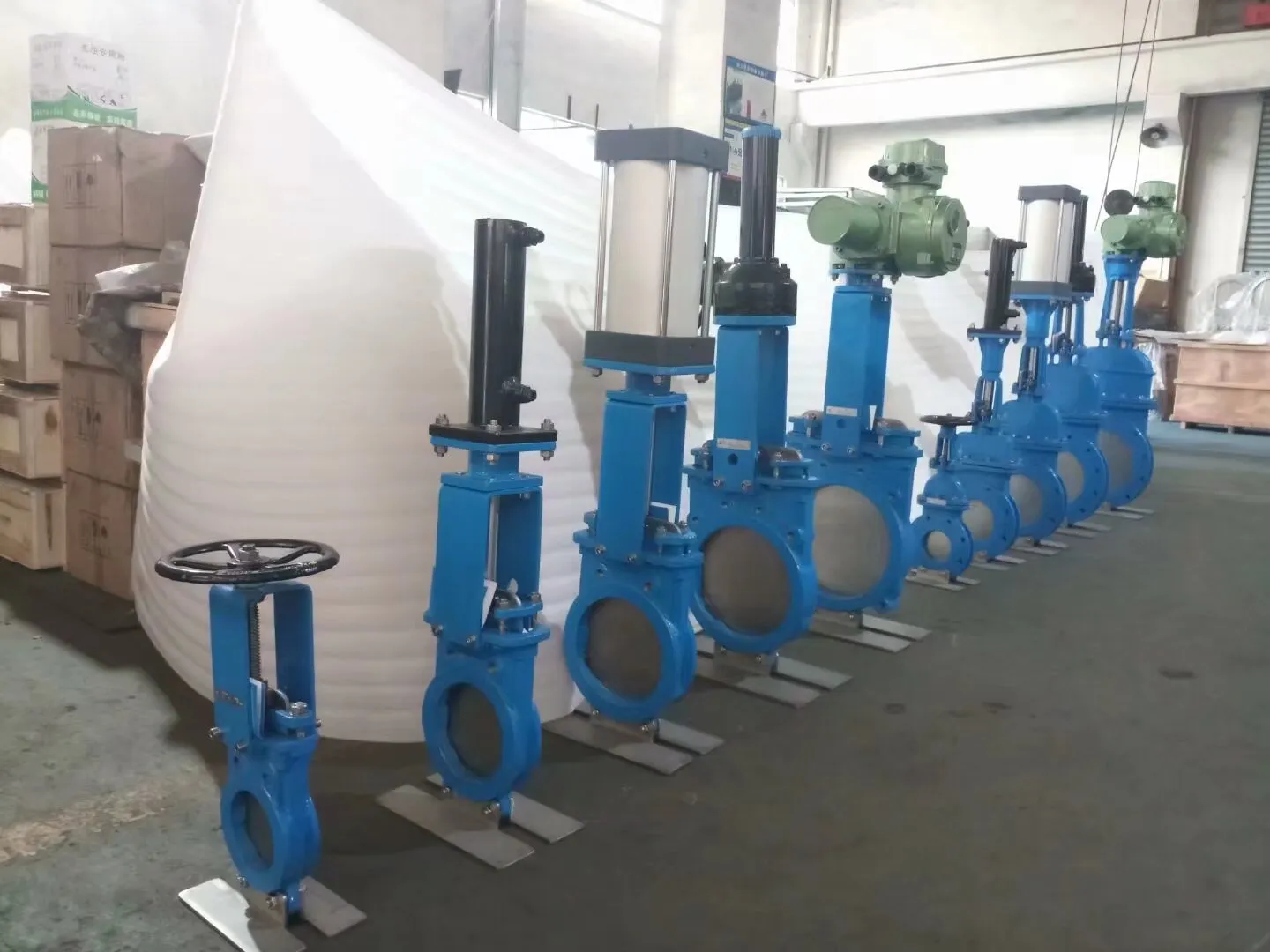
Introduction
The 1-inch China Gate Valve is a linear motion valve employed to start and stop the flow of fluids in pipeline systems. Commonly utilized in industrial applications including water treatment, chemical processing, and irrigation, gate valves offer minimal flow restriction when fully open. This specific size, 1 inch, denotes the internal diameter of the valve, influencing flow capacity and pressure drop. These valves, manufactured in China, represent a cost-effective solution for a wide range of fluid handling needs, but understanding their material composition, operational limits, and potential failure modes is critical for ensuring long-term reliability and safety. A key industry pain point revolves around sourcing consistent quality from Chinese manufacturers, particularly regarding material traceability and adherence to international standards. Gate valves, while simple in design, require careful consideration of fluid compatibility, operating temperature, and pressure ratings to avoid premature failure.
Material Science & Manufacturing
The body of a typical 1-inch China Gate Valve is commonly constructed from cast iron (ASTM A126 Class B), ductile iron (ASTM A536 65-45-12), or carbon steel (ASTM A216 WCB). Cast iron offers cost-effectiveness but possesses limited tensile strength and is susceptible to corrosion. Ductile iron provides enhanced strength and impact resistance, while carbon steel is favored for high-temperature and high-pressure applications. The gate itself is frequently made from cast iron, stainless steel (304, 316), or bronze. The gate material's compatibility with the fluid is paramount to prevent corrosion and contamination. The seat is often made of EPDM, NBR, or PTFE, selected based on fluid resistance and temperature requirements. Manufacturing involves a casting process for the body, followed by machining to achieve precise dimensions and smooth sealing surfaces. The gate is typically fabricated separately and then fitted into the body. Key parameter control includes wall thickness consistency during casting, precise machining tolerances for the gate and seat, and rigorous quality control checks for material composition. Welding processes, when utilized for joining components, must comply with AWS D1.1 standards. Surface treatments like epoxy coating are often applied to cast iron bodies to enhance corrosion resistance.
Performance & Engineering
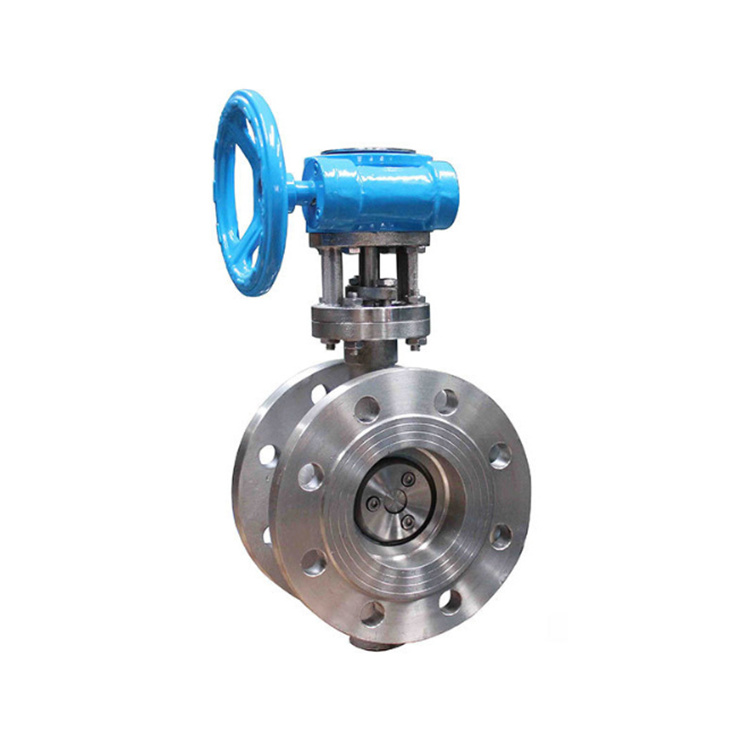
Performance of a 1-inch gate valve is primarily characterized by its flow coefficient (Cv) and pressure drop. A fully open gate valve offers minimal resistance to flow, resulting in a relatively high Cv value. However, gate valves are not designed for throttling flow, as partial opening can cause erosion and cavitation damage to the gate and seat. Force analysis focuses on the stem packing gland load, required to maintain a leak-tight seal under pressure, and the torque required to operate the gate. Environmental resistance is dependent on the materials of construction. Carbon steel valves require protective coatings to prevent corrosion in humid or corrosive environments. Ductile iron valves offer improved corrosion resistance compared to cast iron. Compliance requirements include adherence to ANSI/AWWA C590 for waterworks gate valves and API 600 for general-purpose gate valves. The valve’s design must account for hydrostatic testing pressures, as specified in these standards. Functional implementation relies on a rising stem design, indicating valve position, and typically utilizes a handwheel or actuator for operation. Consideration must be given to the stem’s thread pitch and lubrication to ensure smooth operation and prevent galling.
Technical Specifications
| Parameter | Specification | Unit | Testing Standard |
|---|---|---|---|
| Nominal Diameter | 1 | inch | ANSI B16.5 |
| Pressure Rating | 125 | PSI | ANSI/AWWA C590 |
| Body Material | Ductile Iron (65-45-12) | - | ASTM A536 |
| Gate Material | Bronze (B584) | - | ASTM B584 |
| Seat Material | EPDM | - | ASTM D1418 |
| Connection Type | Flanged (150#) | - | ANSI B16.1 |
Failure Mode & Maintenance
Common failure modes for 1-inch China Gate Valves include: corrosion (particularly in cast iron bodies exposed to corrosive fluids), erosion of the gate and seat (resulting from improper throttling), cavitation damage (caused by rapid pressure fluctuations), stem packing leakage (due to wear or improper adjustment), and gate binding (caused by misalignment or debris). Fatigue cracking can occur in the stem or body under cyclic loading. Failure analysis typically involves visual inspection, non-destructive testing (NDT) such as liquid penetrant inspection, and material analysis. Maintenance procedures include regular inspection of the stem packing and tightening or replacement as needed. Lubrication of the stem threads is crucial for smooth operation. Periodic inspection for corrosion and application of protective coatings can extend the valve’s lifespan. The seat should be inspected for wear or damage during overhaul. For valves handling abrasive fluids, periodic replacement of the gate and seat is recommended. Backseat operation should be verified, and any resistance should be investigated immediately. A preventative maintenance schedule is essential to minimize downtime and ensure continued safe operation.
Industry FAQ
Q: What is the typical service life expectancy of a 1-inch ductile iron gate valve used in a potable water application?
A: A properly maintained 1-inch ductile iron gate valve in a potable water application can typically have a service life of 20-30 years. This assumes the water quality is within acceptable limits for ductile iron (low chloride content) and regular preventative maintenance is performed, including stem packing adjustments and visual inspections for corrosion. The valve’s performance should be monitored periodically to detect any degradation in sealing or operation.
Q: How does the cost of a 1-inch China gate valve compare to a similar valve manufactured in the USA or Europe?
A: Generally, a 1-inch China gate valve is significantly less expensive – typically 30-60% lower – than a comparable valve manufactured in the USA or Europe. This cost difference is primarily due to lower labor costs, material sourcing, and manufacturing overhead. However, this cost advantage may be offset by potential quality control issues, longer lead times, and increased shipping costs.
Q: What are the key considerations when specifying a seat material for a gate valve handling a corrosive chemical?
A: The seat material must be chemically compatible with the fluid being handled. PTFE (Teflon) is a common choice for highly corrosive chemicals due to its excellent chemical resistance. However, PTFE has a limited temperature range. EPDM is suitable for many chemicals but may not be compatible with strong acids or hydrocarbons. NBR offers good resistance to oils and fuels but is less resistant to chemicals than PTFE or EPDM. A chemical compatibility chart should be consulted to ensure the seat material is appropriate for the specific application.
Q: What is the acceptable leakage rate for a 1-inch gate valve in a closed position?
A: The acceptable leakage rate is typically defined by industry standards such as ANSI/AWWA C590 or API 600. For a 1-inch gate valve, a common leakage rate is bubble-tight, meaning no visible bubbles are permitted when the valve is pressurized. Leakage testing is usually performed using air or water at a specified pressure.
Q: How important is material traceability when purchasing a 1-inch gate valve from a Chinese manufacturer?
A: Material traceability is critically important. Confirming the chemical composition and mechanical properties of the valve’s materials is essential to ensure compliance with relevant standards and prevent premature failure. Requesting material test reports (MTRs) from the manufacturer and verifying their authenticity is highly recommended. A reputable manufacturer will readily provide this documentation.
Conclusion
The 1-inch China Gate Valve provides a cost-effective solution for fluid control in numerous industrial applications. However, its long-term performance and reliability are heavily dependent on material selection, manufacturing quality, and proper maintenance. Understanding the potential failure modes – corrosion, erosion, and leakage – and implementing a preventative maintenance program are crucial for maximizing service life and minimizing downtime. Procurement professionals must prioritize material traceability and adherence to international standards when sourcing from Chinese manufacturers.
Selecting the appropriate gate valve requires a careful assessment of the fluid characteristics, operating conditions, and regulatory requirements. While the initial cost may be lower, prioritizing quality and long-term reliability can result in significant cost savings over the valve’s lifecycle. Future developments in gate valve technology will likely focus on improved sealing materials, more durable coatings, and advanced monitoring systems to enhance performance and reduce maintenance requirements.
-
Top Reasons to Choose a Stainless Steel Flange Check Valve for Industrial Applications
-
stainless steel check valves Performance Analysis
-
check valve 6 Performance Analysis
-
check valve stainless steel Performance Analysis
-
6 in check valve Performance Engineering
-
6 check valves Performance Analysis
-
12 inch check valve Performance Analysis
-
lift check valves Performance Engineering
-
check valve 12 inch Performance Analysis
-
stop check valve Performance Analysis
-
check stop valve Performance Analysis
-
stop check valves Performance Analysis
-
pilot operated check valve Performance Analysis
-
spring loaded check valve Material Science Manufacturing
-
pilot operated check valves Performance Analysis
 Afrikaans
 Albanian
 Amharic
 Arabic
 Armenian
 Azerbaijani
 Basque
 Belarusian
 Bengali
 Bosnian
 Bulgarian
 Catalan
 Cebuano
 Corsican
 Croatian
 Czech
Czech
 Danish
 Dutch
Dutch
 Esperanto
 Estonian
 Finnish
 French
 Frisian
 Galician
 Georgian
 German
 Greek
Greek
 Gujarati
 Haitian Creole
 Hausa
Hawaiian
Hausa
Hawaiian
 Hebrew
 Hindi
Hindi
 Miao
Miao
 Hungarian
 Icelandic
 Igbo
Igbo
 Indonesian
 Irish
Irish
 Italian
 Japanese
 Javanese
Kannada
Javanese
Kannada
 Kazakh
 Khmer
Khmer
 Rwandese
 Korean
 Kurdish
 Kyrgyz
 Lao
Lao
 Latin
Latin
 Latvian
 Lithuanian
 Luxembourgish
 Macedonian
 Malgashi
 Malay
Malay
 Malayalam
 Maltese
 Maori
Maori
 Marathi
 Mongolian
 Myanmar
 Nepali
 Norwegian
 Norwegian
 Occitan
 Pashto
 Persian
 Polish
 Portuguese
Punjabi
Portuguese
Punjabi
 Romanian
 Russian
 Samoan
 Scottish Gaelic
 Serbian
 Sesotho
 Shona
Shona
 Sindhi
 Sinhala
 Slovak
 Slovenian
 Somali
 Spanish
 Sundanese
 Swahili
 Swedish
Tagalog
Swedish
Tagalog
 Tajik
Tajik
 Tamil
Tamil
 Tatar
Tatar
 Telugu
 Thai
Thai
 Turkish
 Turkmen
 Ukrainian
 Urdu
Urdu
 Uighur
 Uzbek
Uzbek
 Vietnamese
 Welsh
Welsh
 Bantu
Bantu
 Yiddish
 Yoruba
 Zulu
Zulu
 English