




china modulating globe valve Performance Analysis
Introduction
China modulating globe valves are integral components in process control systems, utilized across diverse industries including chemical processing, power generation, oil & gas, and HVAC. These valves regulate flow by varying the travel of a disc or plug relative to a fixed seat, enabling precise control of process variables like temperature, pressure, and flow rate. Positioned within the fluid control chain, they follow upstream pumps or compressors and precede downstream instrumentation and processing units. Their core performance characteristics – characterized by high rangeability, tight shut-off capabilities, and suitability for throttling – differentiate them from other valve types such as ball valves or butterfly valves. A key challenge within the industry revolves around material selection to resist corrosion and erosion, alongside ensuring accurate and repeatable modulating action under varying process conditions.
Material Science & Manufacturing
The body of a modulating globe valve is typically constructed from materials like cast iron (ASTM A126 Class B), ductile iron (ASTM A536 65-45-12), carbon steel (ASTM A105, A216 WCB), or stainless steel (304, 316, 316L). Material selection is dictated by the process fluid; highly corrosive fluids necessitate alloy materials like Hastelloy or Inconel. The disc and seat, crucial for sealing, often utilize alloys with high hardness and wear resistance, such as Stellite 6 or tungsten carbide. Stem materials commonly include stainless steel 304 or 316, chosen for corrosion resistance and dimensional stability.
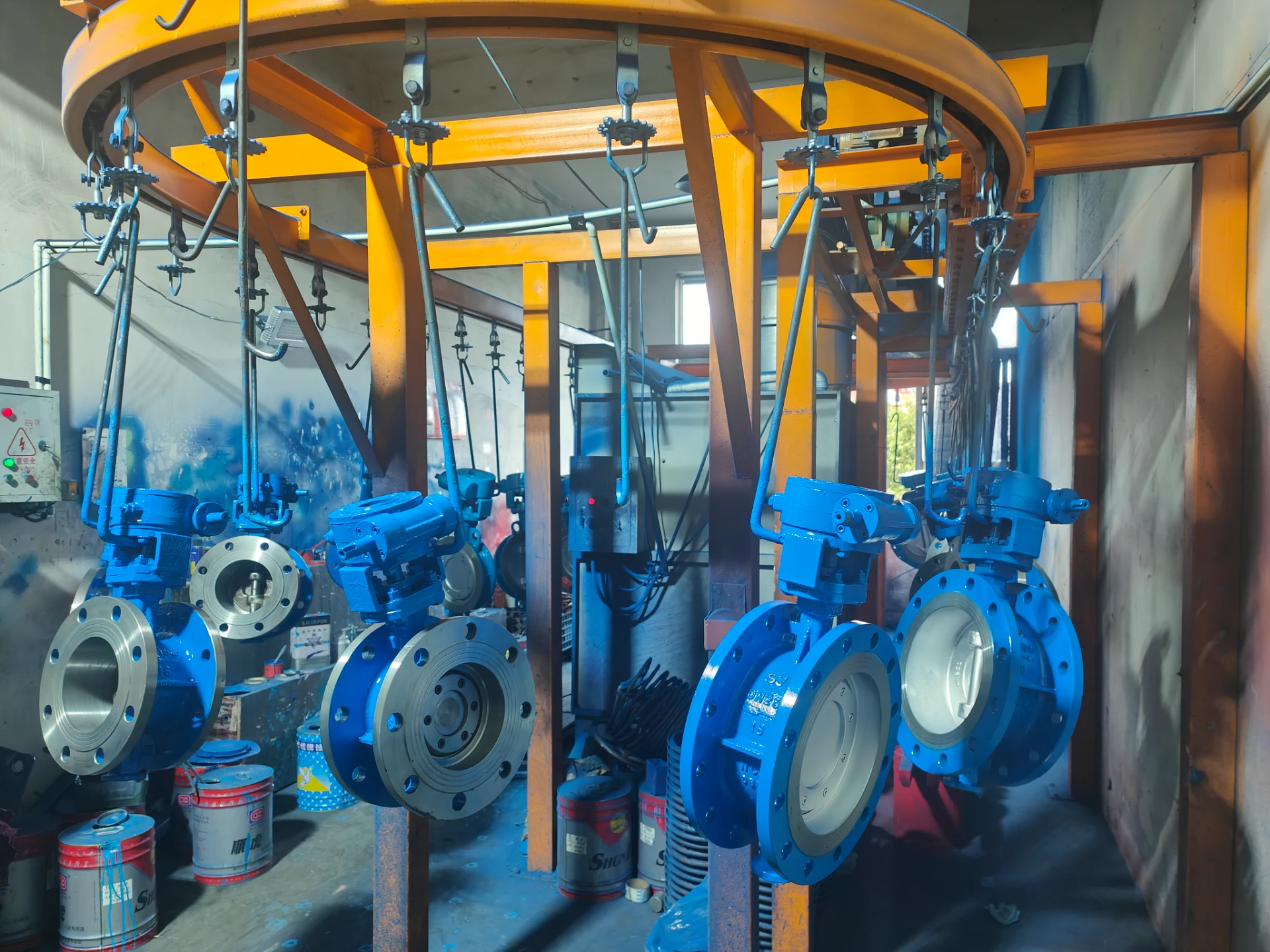
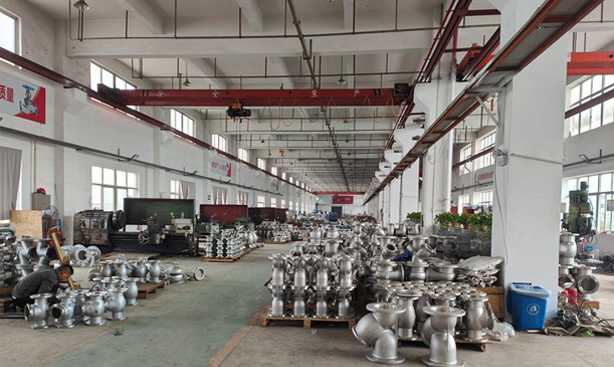
Manufacturing processes vary based on valve size and material. Smaller valves frequently utilize investment casting for complex shapes, followed by precision machining of sealing surfaces. Larger valves employ sand casting, requiring extensive finishing operations. The disc is typically machined from bar stock, demanding tight tolerance control. Seat manufacturing involves lapping processes to achieve a leak-tight seal. Welding processes, adhering to ASME Section IX standards, are critical for joining valve body components and ensuring structural integrity. Parameter control during welding (preheat temperature, interpass temperature, shielding gas composition) is paramount to prevent cracking and maintain mechanical properties. Surface treatments like PTFE coating are frequently applied to the stem to reduce friction and prevent seizing. A critical step is hydrostatic testing, per API 598, to verify body integrity and seat leakage.
Performance & Engineering
The performance of a modulating globe valve is heavily influenced by flow coefficient (Cv), characterized flow, and pressure drop. Cv, determined experimentally per ISA 75.01.01, quantifies the valve’s ability to pass fluid. Characterized flow dictates the relationship between valve travel and flow rate – linear, equal percentage, or quick opening. Equal percentage valves provide more stable control over a wider operating range, making them preferred in most modulating applications. Pressure drop across the valve is calculated using Bernoulli’s equation, accounting for fluid viscosity and valve geometry.
Engineering considerations include actuator sizing and selection. Actuators, typically pneumatic, hydraulic, or electric, provide the force to position the valve plug. Sizing must account for process pressure, valve size, and required speed of response. Force analysis ensures the actuator can overcome fluid forces and friction. Environmental resistance requires consideration of temperature extremes, humidity, and potentially corrosive atmospheres. Valve materials and actuator enclosures must be selected accordingly. Compliance with industry standards such as IEC 61508 (functional safety) and ATEX (explosive atmosphere) is often mandatory, particularly in safety-critical applications. Proper installation, including correct orientation and support, is vital to prevent vibration and ensure longevity.
Technical Specifications
| Parameter | Unit | Typical Value (Carbon Steel) | Typical Value (SS316) |
|---|---|---|---|
| Maximum Allowable Pressure | psi | 2000 | 1500 |
| Temperature Range | °F | -20 to 450 | -20 to 600 |
| Cv Range | - | 1.0 – 200 | 0.5 – 100 |
| Actuator Type | - | Pneumatic/Electric | Pneumatic/Electric |
| Connection Type | - | Flanged/Screwed/Welded | Flanged/Screwed/Welded |
| Body Material | - | Carbon Steel (A105) | Stainless Steel (316) |
Failure Mode & Maintenance
Common failure modes in modulating globe valves include seat leakage, stem packing failure, actuator malfunction, and erosion of the disc or seat. Seat leakage arises from wear, corrosion, or the presence of particulate matter. Stem packing failure results in external leakage of the process fluid, often due to degradation of packing material or improper tightening. Actuator malfunctions can stem from air supply issues (pneumatic actuators), motor failure (electric actuators), or control signal problems. Erosion is particularly prevalent in abrasive fluids, leading to dimensional changes in the disc and seat, compromising sealing.
Preventive maintenance involves regular inspection of stem packing, actuator functionality, and valve body for signs of corrosion or erosion. Packing should be replaced periodically, following manufacturer’s recommendations. Actuator air filters should be cleaned or replaced. Seat leakage can be assessed using bubble testing or pressure decay testing. In the event of failure, disassembly and inspection are crucial to identify the root cause. Replacement parts should meet original equipment manufacturer (OEM) specifications. Non-destructive testing (NDT) methods, like liquid penetrant inspection (LPI) or magnetic particle inspection (MPI), can detect cracks or defects in valve body components. Routine lubrication of moving parts, in accordance with manufacturer's guidelines, is essential for smooth operation and extended service life.
Industry FAQ
Q: What is the primary difference between a globe valve and a ball valve for modulating service?
A: While ball valves offer quick opening/closing, globe valves are inherently better suited for precise modulating control due to their plug/disc design allowing for finer adjustments of flow rate. Ball valves exhibit a less linear flow characteristic, making them challenging to control accurately in modulating applications.
Q: How does material selection impact the lifespan of a modulating globe valve in a corrosive environment?
A: In corrosive environments, selecting appropriate materials is paramount. Carbon steel is susceptible to corrosion, leading to premature failure. Stainless steels (316, 316L) offer improved corrosion resistance, while alloys like Hastelloy or Inconel provide superior protection against highly aggressive fluids. Proper material selection dramatically extends valve lifespan and reduces maintenance costs.
Q: What are the key considerations when sizing an actuator for a modulating globe valve?
A: Actuator sizing must account for process pressure, valve size, and required speed of response. Undersized actuators will struggle to position the valve accurately, while oversized actuators can lead to instability. Calculating the required torque, considering both static and dynamic forces, is essential for proper sizing.
Q: What is the significance of the Cv value in valve selection?
A: The Cv value is a critical parameter that indicates the valve's capacity to pass fluid. It allows engineers to ensure the valve can deliver the required flow rate at a given pressure drop. Matching the Cv value to the process requirements is essential for optimal performance.
Q: What preventative maintenance practices are crucial for modulating globe valves?
A: Regular inspection of stem packing for leakage, actuator functionality tests, and visual checks for corrosion are critical. Periodic seat leakage tests and lubrication of moving parts also contribute to a longer valve lifespan. Maintaining detailed maintenance records is highly recommended.
Conclusion
China modulating globe valves represent a crucial element in modern process control, offering precise flow regulation capabilities applicable across a wide spectrum of industries. Their performance is fundamentally tied to material science, manufacturing precision, and accurate engineering design. Addressing the inherent challenges of corrosion, erosion, and actuator reliability through diligent material selection, rigorous quality control, and proactive maintenance is essential for maximizing operational efficiency and minimizing downtime.
Future trends in modulating globe valve technology will likely focus on intelligent valve diagnostics, utilizing sensors and data analytics to predict failure modes and optimize maintenance schedules. Advancements in materials science will continue to yield more robust alloys capable of withstanding increasingly harsh process conditions. Furthermore, the integration of digital communication protocols (e.g., HART, Foundation Fieldbus) will enhance control system integration and enable remote monitoring and adjustment, solidifying the modulating globe valve’s role in the ongoing evolution of industrial automation.
-
Top Reasons to Choose a Stainless Steel Flange Check Valve for Industrial Applications
-
6 wafer check valve Performance Analysis
-
cryogenic check valves Performance Analysis
-
soft seated check valve Performance Analysis
-
3/4 check valve Performance Analysis
-
wafer style check valve Performance Analysis
-
check valve with orifice Performance Analysis
-
check valve 8 inch Performance Analysis
-
1 1 2 inch check valve Performance Analysis
-
cast iron check valves Performance Analysis
-
teejet check valves Performance Analysis
-
teejet check valve Performance Analysis
-
8 inch check valve Performance Analysis
-
wafer style check valves Performance Analysis
-
3 4 spring check valve Performance Analysis
 Afrikaans
 Albanian
 Amharic
 Arabic
 Armenian
 Azerbaijani
 Basque
 Belarusian
 Bengali
 Bosnian
 Bulgarian
 Catalan
 Cebuano
 Corsican
 Croatian
 Czech
Czech
 Danish
 Dutch
Dutch
 Esperanto
 Estonian
 Finnish
 French
 Frisian
 Galician
 Georgian
 German
 Greek
Greek
 Gujarati
 Haitian Creole
 Hausa
Hawaiian
Hausa
Hawaiian
 Hebrew
 Hindi
Hindi
 Miao
Miao
 Hungarian
 Icelandic
 Igbo
Igbo
 Indonesian
 Irish
Irish
 Italian
 Japanese
 Javanese
Kannada
Javanese
Kannada
 Kazakh
 Khmer
Khmer
 Rwandese
 Korean
 Kurdish
 Kyrgyz
 Lao
Lao
 Latin
Latin
 Latvian
 Lithuanian
 Luxembourgish
 Macedonian
 Malgashi
 Malay
Malay
 Malayalam
 Maltese
 Maori
Maori
 Marathi
 Mongolian
 Myanmar
 Nepali
 Norwegian
 Norwegian
 Occitan
 Pashto
 Persian
 Polish
 Portuguese
Punjabi
Portuguese
Punjabi
 Romanian
 Russian
 Samoan
 Scottish Gaelic
 Serbian
 Sesotho
 Shona
Shona
 Sindhi
 Sinhala
 Slovak
 Slovenian
 Somali
 Spanish
 Sundanese
 Swahili
 Swedish
Tagalog
Swedish
Tagalog
 Tajik
Tajik
 Tamil
Tamil
 Tatar
Tatar
 Telugu
 Thai
Thai
 Turkish
 Turkmen
 Ukrainian
 Urdu
Urdu
 Uighur
 Uzbek
Uzbek
 Vietnamese
 Welsh
Welsh
 Bantu
Bantu
 Yiddish
 Yoruba
 Zulu
Zulu
 English