




china pipe fittings reducer Performance Analysis
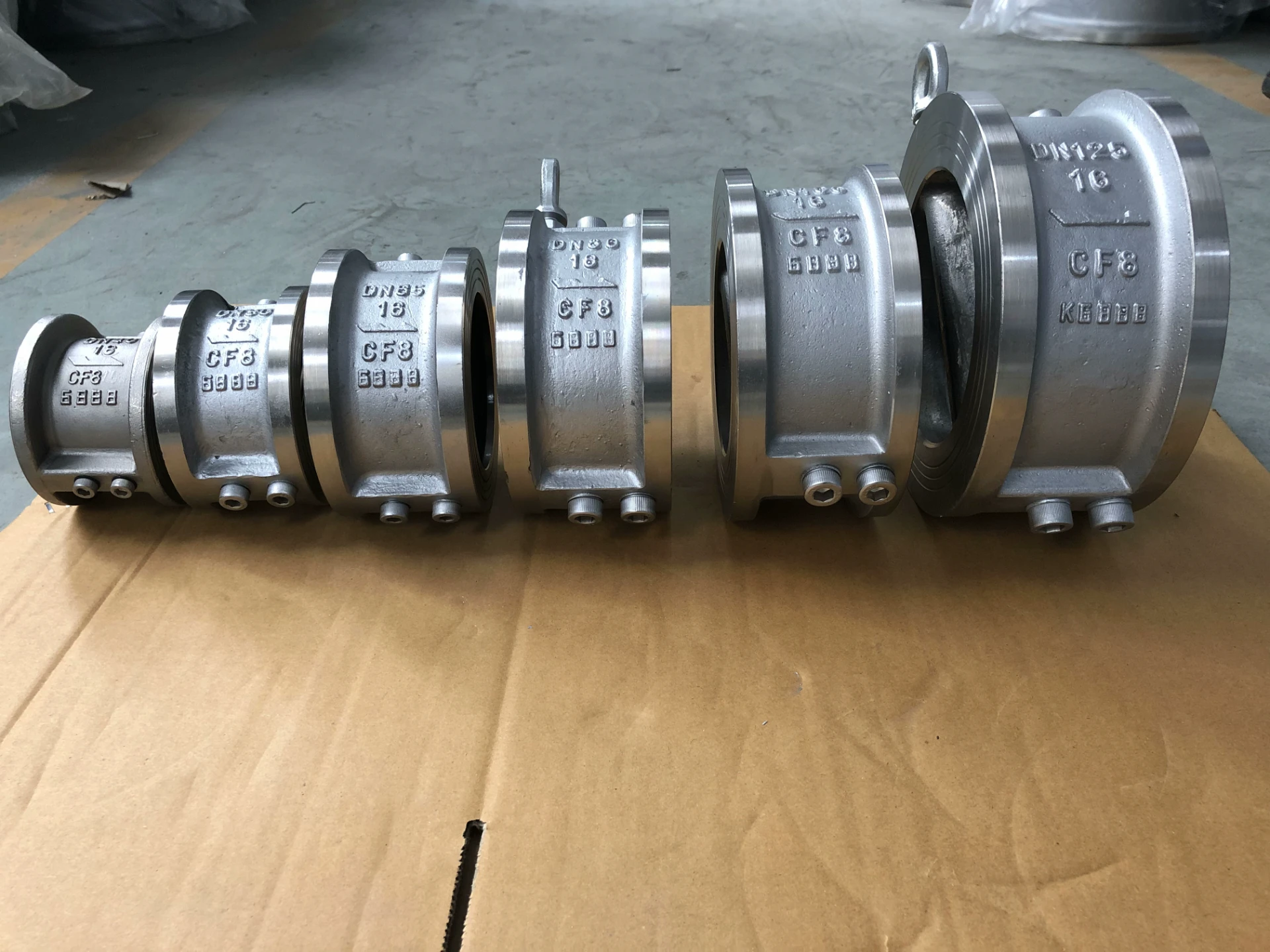
Introduction
Pipe fittings reducers, manufactured extensively in China, are crucial components in piping systems designed to gradually decrease pipe diameter. These fittings facilitate the transition between different pipe sizes, ensuring controlled fluid flow and pressure reduction. Typically employed in industrial processing, water distribution, oil and gas pipelines, and HVAC systems, reducers are critical for optimizing system performance and preventing cavitation or erosion. Their construction materials vary widely, encompassing carbon steel, stainless steel (304, 316L), alloy steel, ductile iron, and various polymers, each selected based on the application's specific fluid compatibility, temperature, and pressure requirements. The widespread adoption of Chinese-manufactured reducers is driven by competitive pricing, increasing production capacity, and adherence to evolving international quality standards. Understanding the nuances of reducer design, material selection, and manufacturing processes is essential for ensuring long-term system reliability and minimizing potential failures.
Material Science & Manufacturing
The materials used in china pipe fittings reducers dictate their performance characteristics. Carbon steel (ASTM A53 Grade B) is a common choice for general service applications due to its cost-effectiveness and weldability, but it’s susceptible to corrosion. Stainless steel (304/304L – ASTM A351, 316/316L – ASTM A240) provides superior corrosion resistance, particularly in aggressive environments, making it suitable for chemical processing and marine applications. Alloy steels, like those conforming to ASTM A182 F11, offer enhanced strength and temperature resistance for high-pressure and high-temperature services. Ductile iron (ASTM A509) provides good impact resistance and is often used in water and wastewater applications. Polymers, such as PVC (ASTM D1785) and CPVC (ASTM D2369), are utilized for low-pressure, corrosive fluid handling.
Manufacturing processes predominantly include forging, casting, and fabrication. Forged reducers, typically made from steel alloys, undergo a forging process to achieve a dense grain structure, enhancing mechanical strength. Casting, commonly used for larger diameter reducers, involves pouring molten metal into a mold. Fabrication involves cutting and welding plate or pipe material to form the reducer geometry. Welding processes – Shielded Metal Arc Welding (SMAW), Gas Metal Arc Welding (GMAW), and Submerged Arc Welding (SAW) – are critical. Precise control of welding parameters (current, voltage, travel speed, heat input) is vital to prevent defects like porosity, incomplete fusion, and cracking. Post-weld heat treatment (PWHT) is often performed to relieve residual stresses and improve ductility. Non-destructive testing (NDT) methods, including radiographic testing (RT), ultrasonic testing (UT), and liquid penetrant testing (PT), are employed to ensure weld integrity and detect potential flaws. Dimensional accuracy is maintained through precision machining and quality control inspections according to ASME B16.5 standards.
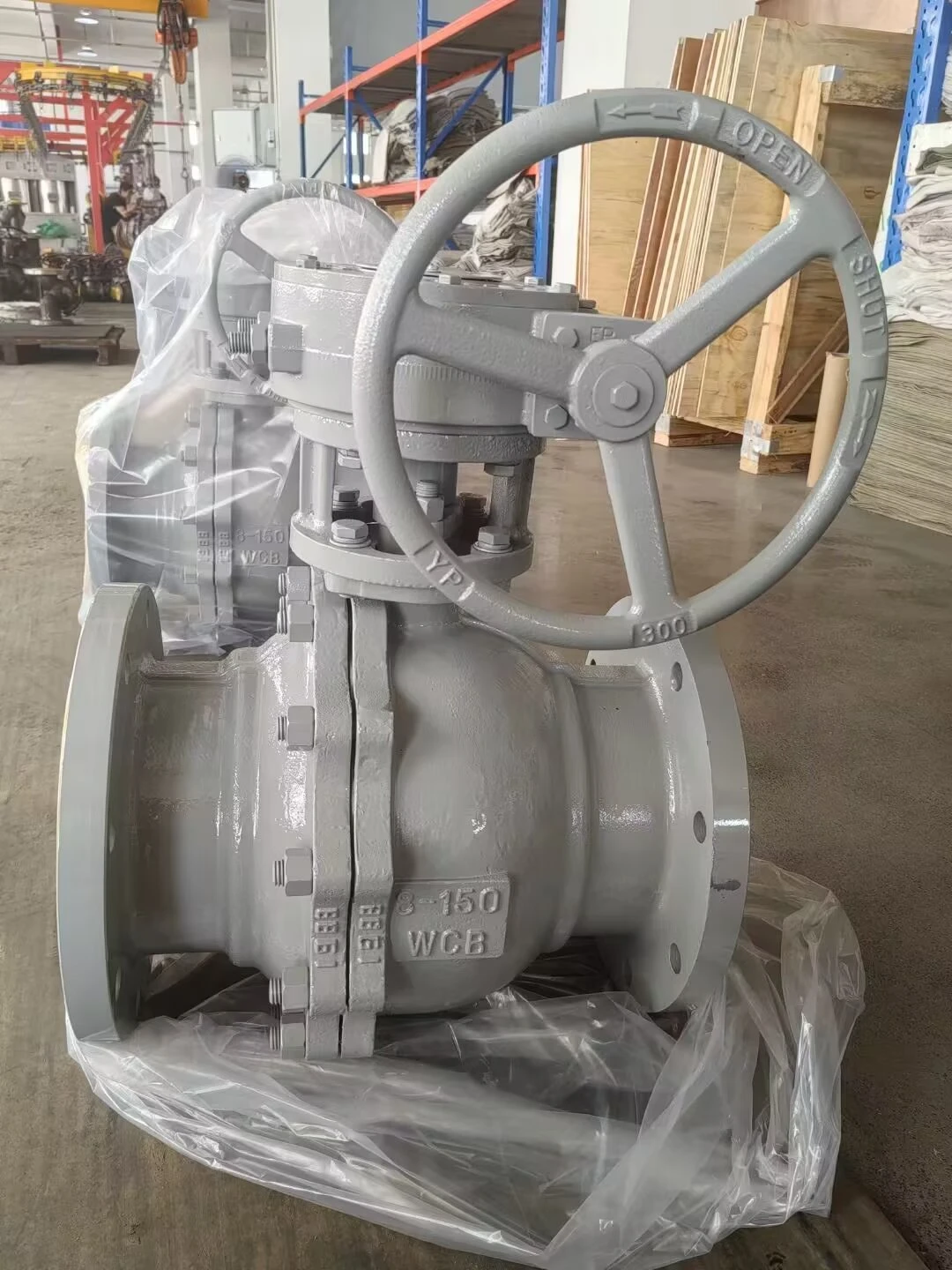
Performance & Engineering
The performance of a reducer is dictated by its ability to manage fluid flow and withstand operational stresses. Pressure drop across a reducer is a critical engineering consideration. Abrupt reductions in diameter cause significant turbulence, increasing pressure loss and potentially leading to cavitation. Reducer angle (typically 15° or 45°) influences pressure drop; a smaller angle minimizes turbulence but requires more space. Force analysis considers internal pressure, external loads (weight of piping, thermal expansion/contraction), and potential impact loads. Stress concentration occurs at the junction between the reducer and the connecting pipes, necessitating robust weld designs and material selection. Finite Element Analysis (FEA) is employed to simulate stress distribution under various loading conditions and optimize reducer geometry. Compliance requirements vary by industry and region. ASME B31.3 covers power piping, ASME B31.1 covers gas transmission and distribution, and API 5L specifies requirements for line pipe. Environmental resistance is paramount; corrosion prevention strategies include material selection, protective coatings (epoxy, polyurethane), and cathodic protection. Thermal expansion/contraction must be accounted for through expansion loops or flexible connections to prevent stress on the reducer and connected piping.
Technical Specifications
| Parameter | Carbon Steel (A53 Gr. B) | Stainless Steel (304/304L) | Ductile Iron (A509) | PVC (D1785) |
|---|---|---|---|---|
| Pressure Rating (PN) | Up to PN40 (600 psi) | Up to PN100 (1450 psi) | Up to PN40 (600 psi) | Up to PN10 (150 psi) |
| Temperature Range (°C) | -30 to 370 | -196 to 425 | -30 to 120 | -10 to 60 |
| Reducer Angle | 15°, 45°, 90° | 15°, 45°, 90° | 15°, 45°, 90° | 15°, 45° |
| Size Range (DN) | DN15 to DN600 | DN15 to DN600 | DN50 to DN600 | DN20 to DN300 |
| Wall Thickness (mm) | 2 to 12 | 2 to 10 | 3 to 15 | 2 to 8 |
| Corrosion Resistance | Low | Excellent | Moderate | Excellent (to many chemicals) |
Failure Mode & Maintenance
Common failure modes for pipe fitting reducers include corrosion, erosion, fatigue cracking, and weld defects. Corrosion, especially in carbon steel reducers, occurs due to electrochemical reactions with the fluid. Erosion results from abrasive particles impacting the reducer walls, particularly in high-velocity flow conditions. Fatigue cracking can develop under cyclic loading, originating from stress concentrations at weld points or geometric discontinuities. Weld defects, such as porosity or incomplete fusion, significantly reduce reducer strength and can lead to catastrophic failure. Maintenance strategies include regular visual inspections for signs of corrosion or erosion, non-destructive testing (UT, PT) of welds, and preventative replacement based on operational hours and fluid characteristics. Internal coating applications, such as epoxy or polyurethane linings, can mitigate corrosion. For systems handling abrasive fluids, the use of erosion-resistant materials or flow velocity control is essential. Proper support and alignment of piping systems minimize stress on the reducer. In the event of a detected crack or significant corrosion, immediate replacement is required. Maintaining accurate records of inspection and maintenance activities is crucial for tracking reducer performance and predicting potential failures.
Industry FAQ
Q: What is the impact of reducer angle on pressure loss in a piping system?
A: A smaller reducer angle (e.g., 15°) minimizes turbulence and flow separation, resulting in a lower pressure drop compared to larger angles (e.g., 45° or 90°). However, smaller angles require more axial space for installation. The optimal angle selection depends on balancing pressure drop considerations with space constraints and cost.
Q: How do you select the appropriate material for a reducer exposed to corrosive fluids?
A: Material selection should be based on the specific fluid's chemical composition, concentration, temperature, and flow velocity. Stainless steel (316L) offers excellent corrosion resistance to a wide range of chemicals. For highly corrosive environments, more specialized alloys like Hastelloy or titanium may be necessary. Polymer reducers (PVC, CPVC) are suitable for many corrosive fluids but have lower pressure and temperature ratings.
Q: What non-destructive testing (NDT) methods are typically used to inspect welded reducer joints?
A: Radiographic testing (RT) is commonly used to detect internal weld defects like porosity and cracking. Ultrasonic testing (UT) can also detect internal flaws and measure weld thickness. Liquid penetrant testing (PT) is used to identify surface cracks and discontinuities. Visual testing (VT) is a preliminary inspection step to identify obvious defects.
Q: What are the consequences of improper reducer installation, such as misalignment?
A: Misalignment introduces stress concentrations at the reducer connections, leading to premature fatigue failure. It can also increase turbulence and pressure drop, reducing system efficiency. Proper alignment using appropriate supports and flexible connections is crucial.
Q: How does temperature affect the performance and longevity of a reducer?
A: Elevated temperatures can reduce the material strength and creep resistance of reducers. Low temperatures can cause embrittlement, increasing the risk of fracture. Material selection must consider the operating temperature range. Thermal expansion and contraction must also be accounted for in the piping system design to prevent stresses on the reducer.
Conclusion
China pipe fittings reducers are essential components in numerous industrial applications, requiring careful consideration of material selection, manufacturing processes, and performance characteristics. The ability to minimize pressure drop, withstand operational stresses, and resist corrosion is paramount to ensuring long-term system reliability and preventing costly failures. Adherence to relevant industry standards (ASME, API) and rigorous quality control procedures are critical for guaranteeing reducer integrity.
Future advancements in reducer design will likely focus on optimizing flow geometry to further reduce pressure loss and enhance efficiency. The development of new materials with improved corrosion resistance and higher strength-to-weight ratios will also be a key area of innovation. Increased adoption of digital technologies, such as FEA and predictive maintenance, will enable more proactive management of reducer performance and minimize the risk of unplanned downtime.
-
Top Reasons to Choose a Stainless Steel Flange Check Valve for Industrial Applications
-
6 wafer check valve Performance Analysis
-
cryogenic check valves Performance Analysis
-
soft seated check valve Performance Analysis
-
3/4 check valve Performance Analysis
-
wafer style check valve Performance Analysis
-
check valve with orifice Performance Analysis
-
check valve 8 inch Performance Analysis
-
1 1 2 inch check valve Performance Analysis
-
cast iron check valves Performance Analysis
-
teejet check valves Performance Analysis
-
teejet check valve Performance Analysis
-
8 inch check valve Performance Analysis
-
wafer style check valves Performance Analysis
-
3 4 spring check valve Performance Analysis
 Afrikaans
 Albanian
 Amharic
 Arabic
 Armenian
 Azerbaijani
 Basque
 Belarusian
 Bengali
 Bosnian
 Bulgarian
 Catalan
 Cebuano
 Corsican
 Croatian
 Czech
Czech
 Danish
 Dutch
Dutch
 Esperanto
 Estonian
 Finnish
 French
 Frisian
 Galician
 Georgian
 German
 Greek
Greek
 Gujarati
 Haitian Creole
 Hausa
Hawaiian
Hausa
Hawaiian
 Hebrew
 Hindi
Hindi
 Miao
Miao
 Hungarian
 Icelandic
 Igbo
Igbo
 Indonesian
 Irish
Irish
 Italian
 Japanese
 Javanese
Kannada
Javanese
Kannada
 Kazakh
 Khmer
Khmer
 Rwandese
 Korean
 Kurdish
 Kyrgyz
 Lao
Lao
 Latin
Latin
 Latvian
 Lithuanian
 Luxembourgish
 Macedonian
 Malgashi
 Malay
Malay
 Malayalam
 Maltese
 Maori
Maori
 Marathi
 Mongolian
 Myanmar
 Nepali
 Norwegian
 Norwegian
 Occitan
 Pashto
 Persian
 Polish
 Portuguese
Punjabi
Portuguese
Punjabi
 Romanian
 Russian
 Samoan
 Scottish Gaelic
 Serbian
 Sesotho
 Shona
Shona
 Sindhi
 Sinhala
 Slovak
 Slovenian
 Somali
 Spanish
 Sundanese
 Swahili
 Swedish
Tagalog
Swedish
Tagalog
 Tajik
Tajik
 Tamil
Tamil
 Tatar
Tatar
 Telugu
 Thai
Thai
 Turkish
 Turkmen
 Ukrainian
 Urdu
Urdu
 Uighur
 Uzbek
Uzbek
 Vietnamese
 Welsh
Welsh
 Bantu
Bantu
 Yiddish
 Yoruba
 Zulu
Zulu
 English