




china pipe valve and fitting Performance Analysis
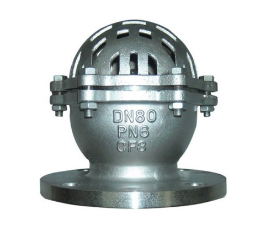
Introduction
China pipe valves and fittings represent a critical component within global fluid handling systems, serving diverse industries including oil and gas, petrochemical, water treatment, and power generation. These components are integral to the safe and efficient conveyance of fluids and gases. The industry's prominence is underscored by China’s substantial manufacturing capacity and its role as a key exporter. This guide provides a comprehensive technical overview of these products, covering material science, manufacturing processes, performance characteristics, failure modes, and relevant international standards. A core industry pain point resides in ensuring consistent quality across diverse manufacturers, particularly regarding material traceability and adherence to international specifications. Another key challenge is mitigating corrosion and erosion in harsh operating environments. Finally, maintaining dimensional accuracy and ensuring leak-proof connections remain paramount for operational safety and reducing maintenance downtime.
Material Science & Manufacturing
The selection of materials is paramount in pipe valve and fitting manufacturing. Common materials include carbon steel (ASTM A53 Grade B, ASTM A106 Grade B), stainless steel (304/304L, 316/316L conforming to ASTM A358), ductile iron (ASTM A576), and various alloys (e.g., Alloy 20 for high-temperature corrosion resistance). Carbon steel offers cost-effectiveness for general-purpose applications, but is susceptible to corrosion. Stainless steels provide enhanced corrosion resistance, particularly 316/316L which includes molybdenum for chloride pitting resistance. Ductile iron balances strength and ductility. Manufacturing processes vary depending on the component and material. Forging is widely used for valves and high-pressure fittings, employing processes like open-die forging and closed-die forging. Welding (SMAW, GTAW, GMAW) is crucial for fabricating larger components and joining sections. Precise control of welding parameters (current, voltage, gas shielding) is vital to prevent defects like porosity and undercut. Casting (sand casting, investment casting) is used for complex valve bodies. Machining is essential for achieving dimensional accuracy and surface finish. Key parameters include cutting speed, feed rate, and coolant application. For polymer fittings, injection molding is prevalent. Maintaining mold temperature and injection pressure are critical to avoid warping and ensure dimensional consistency. Non-destructive testing (NDT) methods like radiography, ultrasonic testing, and liquid penetrant inspection are implemented at various stages to detect internal and surface defects.
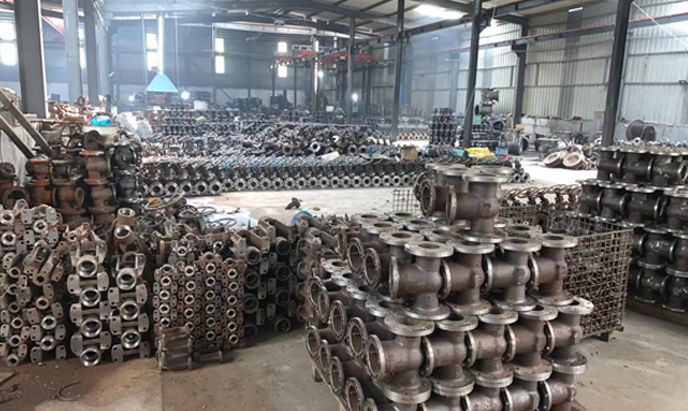
Performance & Engineering
Performance evaluation of pipe valves and fittings centers around pressure containment, flow characteristics, and leak tightness. Pressure testing is conducted according to API 598 standards, involving hydrostatic testing to verify the component’s ability to withstand specified pressures without failure or leakage. Flow analysis (using Computational Fluid Dynamics - CFD) is employed to optimize valve designs and minimize pressure drop. Valve performance is characterized by flow coefficient (Cv) and pressure drop across the valve. Engineering considerations encompass stress analysis (Finite Element Analysis - FEA) to ensure structural integrity under operating loads and temperatures. Fatigue analysis is crucial for components subjected to cyclic loading, predicting their lifespan and identifying potential failure points. Corrosion resistance is enhanced through material selection, protective coatings (e.g., epoxy, PTFE), and cathodic protection. Environmental resistance is assessed by exposing components to simulated operating conditions (salt spray testing, UV exposure). Compliance requirements dictate adherence to industry standards (e.g., ASME B16.34 for valves, ASME B31.3 for process piping) and regulations related to safety and environmental protection. For cryogenic applications, materials must exhibit sufficient toughness at low temperatures and minimize thermal contraction stresses. Proper gasket selection (e.g., PTFE, graphite) is vital to maintain leak tightness across a wide temperature range.
Technical Specifications
| Parameter | Carbon Steel (A53 Grade B) | Stainless Steel 316/316L (A358) | Ductile Iron (A576) | PTFE Lined Valve Body |
|---|---|---|---|---|
| Tensile Strength (MPa) | 400-550 | 517-724 | 400-550 | N/A (dependent on underlying material) |
| Yield Strength (MPa) | 250-350 | 276-517 | 240-400 | N/A |
| Hardness (Brinell) | 150-200 | 180-250 | 180-250 | N/A |
| Maximum Operating Temperature (°C) | 425 | 650 | 300 | 260 |
| Corrosion Resistance | Low (requires coating) | High | Moderate (requires coating) | Excellent (chemical resistance) |
| Pressure Rating (PN) | PN6 – PN40 | PN6 – PN100 | PN6 – PN40 | PN6 - PN25 (dependent on lining) |
Failure Mode & Maintenance
Common failure modes in pipe valves and fittings include corrosion (localized pitting, general corrosion), erosion (particularly in high-velocity flows), fatigue cracking (due to cyclic loading), leakage (through seals and connections), and material degradation (embrittlement, creep). Corrosion is often accelerated by the presence of chlorides, sulfides, and other corrosive agents. Erosion occurs due to the impact of solid particles in the fluid stream. Fatigue cracking initiates from stress concentrations (e.g., weld defects, sharp corners). Leakage can result from seal failure, gasket deterioration, or corrosion of mating surfaces. Maintenance strategies involve regular inspection for corrosion and erosion, torque checks on bolted connections, replacement of worn seals and gaskets, and lubrication of valve stems and actuators. Non-destructive testing (NDT) methods (ultrasonic testing, radiography) can detect internal cracks and defects. Preventative maintenance programs, based on risk assessment and operating conditions, are crucial for minimizing downtime and ensuring long-term reliability. For valves, periodic exercising (full open-to-closed cycles) prevents stiction and ensures proper operation. Proper storage of spare parts (valves, gaskets, fittings) is essential to prevent deterioration. Following manufacturer's recommendations for maintenance intervals and procedures is paramount. Root cause analysis (RCA) should be performed on failures to identify underlying issues and implement corrective actions.
Industry FAQ
Q: What is the significance of material traceability in pipe valve and fitting procurement?
A: Material traceability is critical for verifying that the materials used in manufacturing meet specified requirements and are free from defects. It allows for identification of the material’s origin, manufacturing process, and quality control data. This is especially important for high-pressure or critical applications where material failure could have catastrophic consequences. Compliance with standards like EN 10204 (material test reports) is essential for demonstrating traceability.
Q: How does the choice of gasket material impact the long-term performance of a flanged connection?
A: Gasket material selection is crucial, dependent on fluid compatibility, temperature, and pressure. Elastomeric gaskets (e.g., EPDM, Viton) offer good sealing but may degrade over time with exposure to certain chemicals or high temperatures. Spiral-wound gaskets are suitable for high-pressure and temperature applications. PTFE gaskets provide excellent chemical resistance. Improper gasket selection can lead to leakage, corrosion, and premature failure of the connection.
Q: What are the key considerations when selecting a valve for a cryogenic application?
A: Valves for cryogenic service require materials with sufficient toughness at low temperatures to prevent brittle fracture. Stainless steel (304L, 316L) and specific alloys are commonly used. Designs must minimize thermal contraction stresses. Special attention must be paid to sealing materials, as they can become brittle at cryogenic temperatures. Valves must also be vacuum-tight to prevent ingress of air.
Q: What is the role of Non-Destructive Testing (NDT) in ensuring the quality of welded pipe fittings?
A: NDT methods like radiography (RT), ultrasonic testing (UT), and liquid penetrant inspection (PT) are used to detect internal and surface defects in welded joints without damaging the component. RT reveals internal porosity and cracks. UT detects subsurface flaws. PT identifies surface cracks and discontinuities. NDT is essential for verifying weld quality and ensuring structural integrity.
Q: How does the surface finish of a valve body impact its corrosion resistance?
A: A smoother surface finish reduces the surface area exposed to corrosive agents, decreasing the rate of corrosion. It also minimizes sites for initiation of pitting corrosion. Polishing or coating valve bodies can significantly improve their corrosion resistance, especially in aggressive environments. Rough surfaces can trap contaminants and accelerate corrosion.
Conclusion
China pipe valves and fittings are essential components in a wide range of industries, demanding a rigorous understanding of material science, manufacturing processes, and performance characteristics. Proper material selection, meticulous manufacturing control, and diligent maintenance are crucial for ensuring long-term reliability and safety. The industry continually evolves to meet stricter performance requirements and environmental regulations.
Future trends will likely focus on advanced materials (e.g., duplex stainless steels, superalloys), intelligent valve technologies (e.g., self-diagnostics, remote monitoring), and sustainable manufacturing practices. Continued adherence to international standards and a commitment to quality control are paramount for maintaining competitiveness and ensuring the integrity of fluid handling systems. The ability to provide complete material traceability and lifecycle assessment will become increasingly important to end-users.
-
Top Reasons to Choose a Stainless Steel Flange Check Valve for Industrial Applications
-
6 wafer check valve Performance Analysis
-
cryogenic check valves Performance Analysis
-
soft seated check valve Performance Analysis
-
3/4 check valve Performance Analysis
-
wafer style check valve Performance Analysis
-
check valve with orifice Performance Analysis
-
check valve 8 inch Performance Analysis
-
1 1 2 inch check valve Performance Analysis
-
cast iron check valves Performance Analysis
-
teejet check valves Performance Analysis
-
teejet check valve Performance Analysis
-
8 inch check valve Performance Analysis
-
wafer style check valves Performance Analysis
-
3 4 spring check valve Performance Analysis
 Afrikaans
 Albanian
 Amharic
 Arabic
 Armenian
 Azerbaijani
 Basque
 Belarusian
 Bengali
 Bosnian
 Bulgarian
 Catalan
 Cebuano
 Corsican
 Croatian
 Czech
Czech
 Danish
 Dutch
Dutch
 Esperanto
 Estonian
 Finnish
 French
 Frisian
 Galician
 Georgian
 German
 Greek
Greek
 Gujarati
 Haitian Creole
 Hausa
Hawaiian
Hausa
Hawaiian
 Hebrew
 Hindi
Hindi
 Miao
Miao
 Hungarian
 Icelandic
 Igbo
Igbo
 Indonesian
 Irish
Irish
 Italian
 Japanese
 Javanese
Kannada
Javanese
Kannada
 Kazakh
 Khmer
Khmer
 Rwandese
 Korean
 Kurdish
 Kyrgyz
 Lao
Lao
 Latin
Latin
 Latvian
 Lithuanian
 Luxembourgish
 Macedonian
 Malgashi
 Malay
Malay
 Malayalam
 Maltese
 Maori
Maori
 Marathi
 Mongolian
 Myanmar
 Nepali
 Norwegian
 Norwegian
 Occitan
 Pashto
 Persian
 Polish
 Portuguese
Punjabi
Portuguese
Punjabi
 Romanian
 Russian
 Samoan
 Scottish Gaelic
 Serbian
 Sesotho
 Shona
Shona
 Sindhi
 Sinhala
 Slovak
 Slovenian
 Somali
 Spanish
 Sundanese
 Swahili
 Swedish
Tagalog
Swedish
Tagalog
 Tajik
Tajik
 Tamil
Tamil
 Tatar
Tatar
 Telugu
 Thai
Thai
 Turkish
 Turkmen
 Ukrainian
 Urdu
Urdu
 Uighur
 Uzbek
Uzbek
 Vietnamese
 Welsh
Welsh
 Bantu
Bantu
 Yiddish
 Yoruba
 Zulu
Zulu
 English