




china pneumatic knife gate valve Performance Analysis
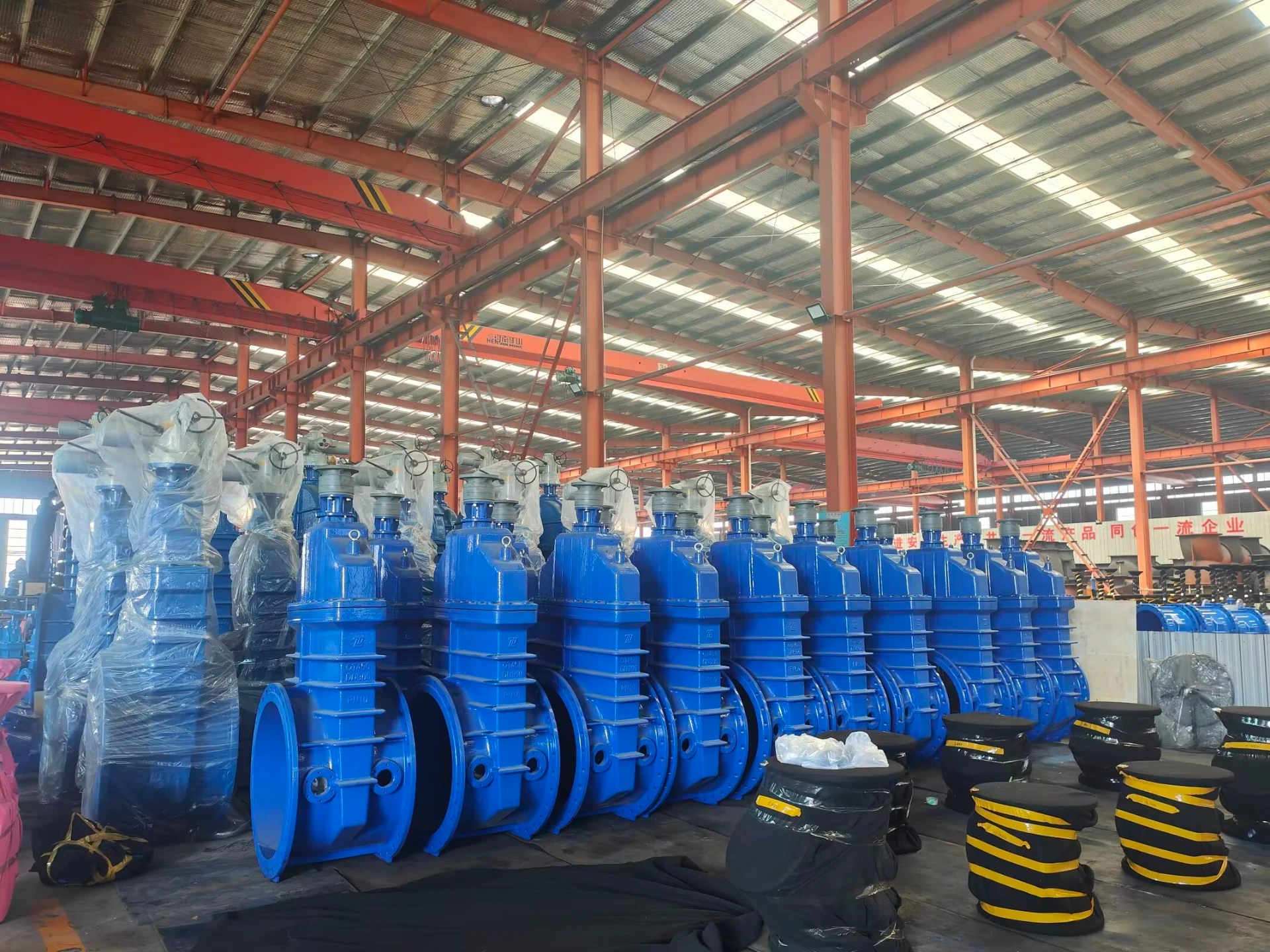
Introduction
China pneumatic knife gate valves represent a critical component in industrial fluid handling systems, particularly those dealing with slurries, particulate-laden fluids, and viscous media. Positioned within the broader valve industry, they offer a cost-effective and reliable solution for on/off control and isolation, differing significantly from ball, gate, or globe valves in their ability to shear and discharge solids. These valves utilize a pneumatically actuated knife blade to create a tight seal against a resilient seat, offering efficient flow and minimal pressure drop. Core performance characteristics center around leak tightness, actuation speed, operational torque, and resistance to abrasive media, all factors directly impacting process efficiency and minimizing downtime. The increasing demand in industries like chemical processing, wastewater treatment, mining, and pulp & paper has driven advancements in materials and design, emphasizing durability and reduced maintenance intervals. The inherent simplicity of the design contributes to their widespread adoption, but requires careful consideration of material compatibility and application-specific parameters to ensure long-term performance.
Material Science & Manufacturing
The primary materials employed in China pneumatic knife gate valve construction are dictated by fluid compatibility and operational pressure. Valve bodies are commonly manufactured from cast iron (ASTM A126 Class B), ductile iron (ASTM A536 65-45-12), or stainless steel (304, 316, or duplex grades for corrosive environments). The knife gate itself is typically crafted from stainless steel (410, 304, 316) hardened to achieve optimal shear strength and wear resistance. Resilient seats are often composed of EPDM, PTFE, or other elastomers selected for chemical compatibility and sealing performance. Pneumatic cylinders utilize aluminum alloy bodies with stainless steel pistons and seals. Manufacturing processes vary depending on component complexity. Valve bodies are typically produced via sand casting, followed by machining and surface treatment (epoxy coating for corrosion protection). Knife gates are precision-machined from bar stock and undergo heat treatment and grinding to achieve a sharp, straight cutting edge. Seat vulcanization involves bonding the elastomer to a metal ring under heat and pressure. Assembly is a critical stage, requiring precise alignment of the knife gate with the seat and meticulous torque control during bolt tightening. Quality control measures include hydrostatic testing, pneumatic actuation testing, and visual inspection to ensure conformance to specifications. The manufacturing tolerances are particularly critical for the knife edge to seat interface, directly influencing leak tightness.
Performance & Engineering
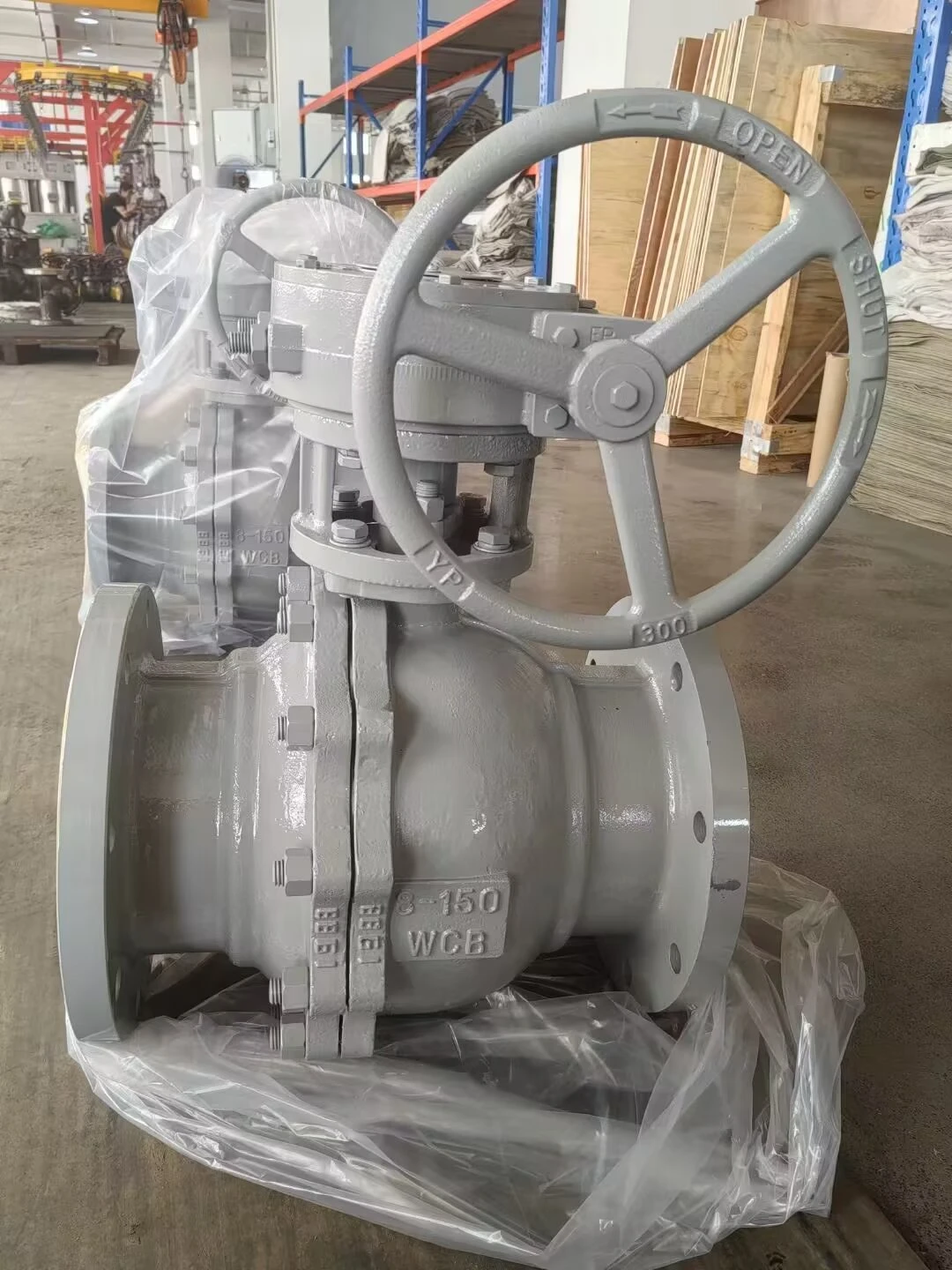
The performance of a pneumatic knife gate valve is fundamentally governed by fluid dynamics and stress analysis. Force analysis focuses on the actuation force required to overcome fluid pressure and seat compression. This force is directly proportional to the valve size, pressure differential, and seat resilience. Pneumatic actuators are sized accordingly, considering safety factors to ensure reliable operation under varying conditions. Environmental resistance is a key consideration, particularly in outdoor installations. Materials must withstand temperature fluctuations, UV exposure, and potential corrosion. Coatings (e.g., epoxy, PTFE) are applied to protect metal surfaces from degradation. Compliance requirements are extensive, encompassing pressure equipment directives (PED – EN 13445), ATEX directives for hazardous environments, and industry-specific standards (e.g., ANSI/API 598 for testing). Functional implementation relies on a reliable pneumatic control system, including solenoid valves, air regulators, and potentially, position feedback sensors for automated operation. The valve’s Kv/Cv value (flow coefficient) is crucial for pipeline design, dictating the pressure drop across the valve at a given flow rate. Understanding the shear stress applied by the knife gate is vital when handling fluids containing solids, preventing abrasion and ensuring long-term sealing performance.
Technical Specifications
| Parameter | Unit | Standard Specification | Typical Range (China Manufactured) |
|---|---|---|---|
| Maximum Operating Pressure | MPa | ANSI/API 598 | 1.6 – 6.4 |
| Temperature Range | °C | ASTM A193 B8 | -20 to 180 |
| Knife Gate Material | - | ASTM A276 Type 316 | SS304, SS316, Alloy 20 |
| Body Material | - | ASTM A536 65-45-12 | Ductile Iron, Carbon Steel, SS304 |
| Seat Material | - | ASTM D2000 | EPDM, PTFE, Viton |
| Actuator Type | - | ISO 5211 | Double-Acting Pneumatic Cylinder |
Failure Mode & Maintenance
Failure modes in pneumatic knife gate valves are diverse and application-dependent. Fatigue cracking of the knife gate is common in high-cycle applications, particularly with abrasive media. This often initiates at the knife tip or along the blade edges. Seat degradation, including cracking, swelling, or extrusion, leads to leakage. This is often exacerbated by incompatible fluid media or excessive temperatures. Pneumatic cylinder failure can result from seal degradation, corrosion, or damage to the piston rod. Corrosion of valve body components, particularly in aggressive environments, can lead to structural weakening and leakage. Another common failure is actuator malfunction caused by contamination of the air supply or inadequate lubrication. Preventive maintenance is crucial. This includes regular inspection of the knife gate for wear and damage, replacement of the seat when necessary, lubrication of the pneumatic cylinder, and periodic checks of the air supply for moisture and contaminants. If leakage is detected, disassemble the valve to inspect the seat and knife gate for damage. Replace any worn or damaged components. For corroded valves, consider upgrading to a more corrosion-resistant material or applying a protective coating. Regular actuation testing ensures the valve operates smoothly and reliably. Proper storage during periods of inactivity is also vital to prevent corrosion and seal degradation.
Industry FAQ
Q: What are the key considerations when selecting a knife gate valve for a slurry application?
A: For slurry applications, the key considerations are abrasion resistance of the knife gate material, the ability to effectively shear and convey solids, and the seat material’s compatibility with the slurry composition. Hardened stainless steel (e.g., 410) or alloy knife gates are preferred for abrasive slurries. The valve’s port design should minimize solids accumulation. EPDM or reinforced elastomer seats provide good abrasion resistance and sealing performance.
Q: How does the pneumatic actuation affect valve cycle life?
A: Pneumatic actuation, while offering fast operation, can contribute to fatigue failure if not properly managed. Consistent air pressure, proper cylinder sizing, and avoiding rapid or excessive cycling are crucial to maximizing cycle life. Regular lubrication of the cylinder internals minimizes friction and wear.
Q: What is the impact of fluid viscosity on knife gate valve performance?
A: High fluid viscosity increases the force required for actuation and can impede the knife gate’s movement. Proper actuator sizing is essential. Additionally, highly viscous fluids can create higher frictional losses, reducing flow capacity. Consider valves designed with wider flow passages for viscous media.
Q: How do I ensure proper sealing in a high-pressure application?
A: Ensuring proper sealing in high-pressure applications requires careful selection of seat material and precise alignment of the knife gate. High-performance elastomers (e.g., Viton) and reinforced seats are recommended. Adequate bolt torque during assembly is critical to ensure uniform seat compression. Regular inspection and replacement of the seat are essential.
Q: What are the typical limitations of pneumatic knife gate valves regarding particle size?
A: Pneumatic knife gate valves can generally handle fluids with moderate particle sizes. However, extremely large or hard particles can damage the knife gate or seat. The maximum permissible particle size depends on the valve size, knife gate material, and fluid velocity. Consideration should be given to upstream filtration or pre-processing to reduce particle size if necessary.
Conclusion
China pneumatic knife gate valves represent a robust and versatile solution for fluid handling applications, particularly those involving slurries and particulate matter. Their relatively simple design, coupled with readily available materials and manufacturing capabilities, contributes to their widespread adoption across diverse industries. Successful implementation hinges on a thorough understanding of material science, fluid dynamics, and application-specific requirements, prioritizing factors like corrosion resistance, abrasion resistance, and sealing performance.
Looking forward, advancements in valve technology will likely focus on enhancing sealing capabilities, reducing actuation energy consumption, and incorporating smart features like remote monitoring and predictive maintenance. The integration of advanced materials and coatings will further expand the operating envelope of these valves, enabling their deployment in increasingly challenging environments. Selecting a reputable manufacturer committed to quality control and adherence to international standards remains paramount to ensuring long-term reliability and minimizing total cost of ownership.
-
Top Reasons to Choose a Stainless Steel Flange Check Valve for Industrial Applications
-
6 wafer check valve Performance Analysis
-
cryogenic check valves Performance Analysis
-
soft seated check valve Performance Analysis
-
3/4 check valve Performance Analysis
-
wafer style check valve Performance Analysis
-
check valve with orifice Performance Analysis
-
check valve 8 inch Performance Analysis
-
1 1 2 inch check valve Performance Analysis
-
cast iron check valves Performance Analysis
-
teejet check valves Performance Analysis
-
teejet check valve Performance Analysis
-
8 inch check valve Performance Analysis
-
wafer style check valves Performance Analysis
-
3 4 spring check valve Performance Analysis
 Afrikaans
 Albanian
 Amharic
 Arabic
 Armenian
 Azerbaijani
 Basque
 Belarusian
 Bengali
 Bosnian
 Bulgarian
 Catalan
 Cebuano
 Corsican
 Croatian
 Czech
Czech
 Danish
 Dutch
Dutch
 Esperanto
 Estonian
 Finnish
 French
 Frisian
 Galician
 Georgian
 German
 Greek
Greek
 Gujarati
 Haitian Creole
 Hausa
Hawaiian
Hausa
Hawaiian
 Hebrew
 Hindi
Hindi
 Miao
Miao
 Hungarian
 Icelandic
 Igbo
Igbo
 Indonesian
 Irish
Irish
 Italian
 Japanese
 Javanese
Kannada
Javanese
Kannada
 Kazakh
 Khmer
Khmer
 Rwandese
 Korean
 Kurdish
 Kyrgyz
 Lao
Lao
 Latin
Latin
 Latvian
 Lithuanian
 Luxembourgish
 Macedonian
 Malgashi
 Malay
Malay
 Malayalam
 Maltese
 Maori
Maori
 Marathi
 Mongolian
 Myanmar
 Nepali
 Norwegian
 Norwegian
 Occitan
 Pashto
 Persian
 Polish
 Portuguese
Punjabi
Portuguese
Punjabi
 Romanian
 Russian
 Samoan
 Scottish Gaelic
 Serbian
 Sesotho
 Shona
Shona
 Sindhi
 Sinhala
 Slovak
 Slovenian
 Somali
 Spanish
 Sundanese
 Swahili
 Swedish
Tagalog
Swedish
Tagalog
 Tajik
Tajik
 Tamil
Tamil
 Tatar
Tatar
 Telugu
 Thai
Thai
 Turkish
 Turkmen
 Ukrainian
 Urdu
Urdu
 Uighur
 Uzbek
Uzbek
 Vietnamese
 Welsh
Welsh
 Bantu
Bantu
 Yiddish
 Yoruba
 Zulu
Zulu
 English