




china stainless needle valve Performance Analysis
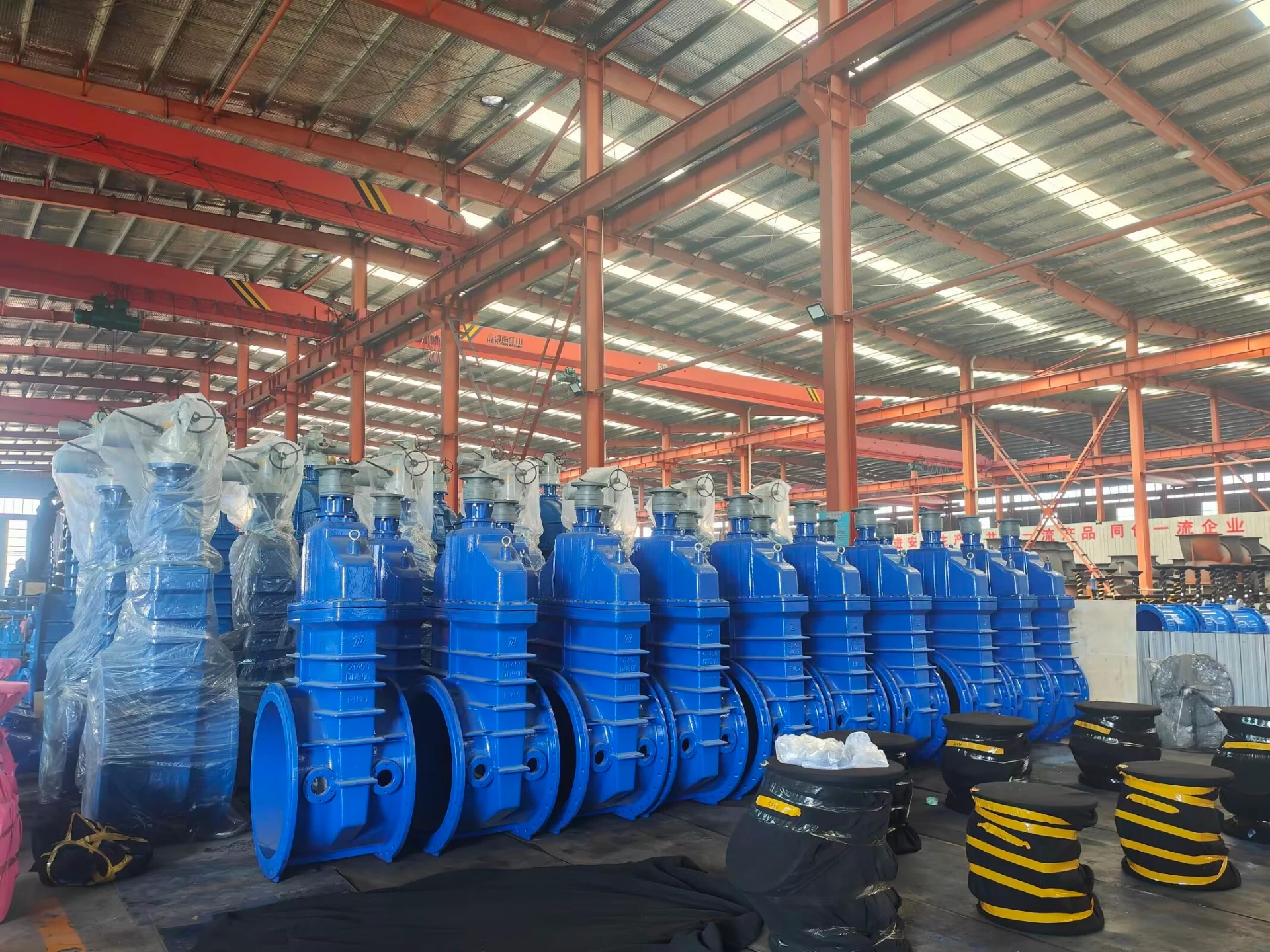
Introduction
Stainless steel needle valves, manufactured in China, are precision flow control devices vital across diverse industrial sectors including chemical processing, pharmaceuticals, oil & gas, and instrumentation. Positioned within the fluid control chain, they function to regulate flow rates with high accuracy, typically handling low to medium flow volumes. These valves excel in on/off and throttling applications, offering fine control compared to larger valve types. Core performance characteristics revolve around leak-tight shutoff, precise flow regulation, and resistance to corrosive media, enabled by the inherent properties of stainless steel alloys. The increasing demand for high-precision control and durable, chemically resistant components drives the growth of the Chinese stainless steel needle valve market, necessitating a comprehensive understanding of their material composition, manufacturing processes, and performance criteria.
Material Science & Manufacturing
The predominant material for Chinese stainless steel needle valves is 316/316L stainless steel, chosen for its superior corrosion resistance, particularly against chlorides and other halides. 304 stainless steel is also employed in less aggressive environments. The alloy composition dictates critical properties: chromium (16-18%) provides oxidation resistance, nickel (10-14%) enhances ductility and toughness, and molybdenum (2-3% in 316/316L) improves pitting resistance. Manufacturing typically involves several key stages. First, raw material sourcing demands stringent quality control to verify chemical composition and mechanical properties. The valve body is commonly produced via investment casting or machining from bar stock, ensuring dimensional accuracy. The needle and seat, critical for sealing, are precision-machined and often undergo lapping processes to achieve a mirror finish and leak-tight performance. Stem manufacturing involves cold drawing and subsequent polishing. Assembly requires meticulous control to prevent contamination and ensure proper alignment. Critical parameters during manufacturing include surface finish (Ra < 0.8µm for wetted parts to minimize friction and prevent particle adhesion), dimensional tolerances (±0.02mm for critical components), and heat treatment (solution annealing and passivation to maximize corrosion resistance). Welding processes, where employed, require skilled technicians and adherence to standards like ASME Section IX to maintain structural integrity and corrosion resistance in weld zones.

Performance & Engineering
The performance of stainless steel needle valves is fundamentally governed by fluid dynamics and material mechanics. Force analysis focuses on the stem’s ability to withstand the fluid pressure and the torque applied during operation. The Cv (flow coefficient) value, a key performance indicator, is determined through rigorous testing, often adhering to ISA 75 standards. Environmental resistance is critical; valves are evaluated for performance in varying temperatures (-60°C to +200°C typically) and exposure to aggressive chemicals. Hydrostatic testing, at pressures significantly exceeding operational limits (typically 1.5x the maximum working pressure), verifies structural integrity. Compliance with industry standards, such as NACE MR0175/ISO 15156 for sour gas applications, dictates material selection and testing protocols to prevent stress corrosion cracking. Engineering considerations include minimizing pressure drop across the valve, optimizing seat design for bubble-tight shutoff, and selecting appropriate stem packing materials (PTFE, graphite) for effective sealing and low friction. Finite Element Analysis (FEA) is frequently used during the design phase to assess stress distribution within the valve body and identify potential weak points. The valve’s pressure-temperature ratings must be clearly defined and adhered to, preventing catastrophic failure.
Technical Specifications
| Parameter | Typical Value (316 SS) | Units | Testing Standard |
|---|---|---|---|
| Maximum Working Pressure | Up to 1000 | PSI | ASME B16.34 |
| Temperature Range | -60 to 200 | °C | ASTM E831 |
| Cv Value (1/4" Valve) | 0.35 | - | ISA 75.1 |
| Leak Rate (Bubble Tight) | <0.1 | SCCM (Standard Cubic Centimeters per Minute) | FCI 70-2 |
| Connection Type | NPT, BSPT, Socket Weld, Butt Weld | - | ASME B1.20.1 |
| Body Material | 316/316L Stainless Steel | - | ASTM A743 |
Failure Mode & Maintenance
Common failure modes in stainless steel needle valves include seat erosion due to particulate matter in the fluid stream, stem packing failure leading to leakage, galling of the stem within the body due to insufficient lubrication or improper material compatibility, and corrosion (pitting or crevice corrosion) in aggressive environments. Fatigue cracking can occur in the stem due to repeated cycling under high pressure. Failure analysis often reveals root causes linked to improper material selection, inadequate maintenance, or exceeding operational limits. Preventive maintenance is crucial. Regular inspection of the stem packing and replacement when necessary minimizes leakage. Lubrication with compatible grease prevents galling. Periodic hydrostatic testing verifies body integrity. In corrosive environments, surface coatings (e.g., PTFE lining) can enhance corrosion resistance. When replacing internal components, it’s imperative to use genuine parts and adhere to manufacturer's specifications to ensure compatibility and maintain performance. For valves exposed to highly abrasive fluids, consider installing upstream filters or strainers to remove particulate matter and extend valve life. Documenting maintenance activities and performance data allows for trending and proactive identification of potential issues. Proper storage in a dry environment also prevents corrosion.
Industry FAQ
Q: What is the impact of chloride concentration on the longevity of a 316 stainless steel needle valve in a seawater application?
A: High chloride concentrations in seawater accelerate pitting corrosion in 316 stainless steel. While 316 offers improved resistance compared to 304, prolonged exposure can lead to localized corrosion, eventually compromising valve performance. Mitigation strategies include selecting a valve with a higher molybdenum content (316L), applying a corrosion-resistant coating, or employing a more corrosion-resistant alloy like Alloy 20 or Hastelloy.
Q: How does the surface finish (Ra value) of the needle and seat affect leak tightness?
A: A smoother surface finish (lower Ra value) on both the needle and seat promotes a tighter seal. Rough surfaces create pathways for fluid leakage. Typically, an Ra value below 0.8µm is required for achieving bubble-tight shutoff. Lapping and polishing processes are employed to achieve these surface finishes.
Q: What are the considerations for selecting the appropriate stem packing material for high-temperature applications?
A: PTFE packing is commonly used, but its temperature limitations must be considered. At elevated temperatures, PTFE can creep and lose its sealing properties. Graphite-based packing materials offer superior temperature resistance but may require more frequent adjustment. The specific temperature and pressure requirements dictate the optimal packing material selection.
Q: Can a needle valve be used for modulating flow control over extended periods, or is it primarily designed for on/off service?
A: While needle valves can be used for throttling, prolonged use in a partially open position can lead to seat erosion, especially with abrasive fluids. The high-velocity flow across the restricted area accelerates wear. For continuous modulating flow control, a ball valve or butterfly valve with a V-port design is generally more suitable.
Q: What is the significance of hydrostatic testing and what acceptance criteria are typically used?
A: Hydrostatic testing verifies the structural integrity of the valve body and connections by subjecting it to a pressure significantly higher than its maximum working pressure (typically 1.5x). Acceptance criteria typically require no visible deformation, leaks, or cracks after holding the test pressure for a specified duration (e.g., 5 minutes). The test is conducted with water as the test medium.
Conclusion
China-manufactured stainless steel needle valves represent a critical component in diverse fluid control systems, demanding careful consideration of material science, manufacturing precision, and operational parameters. Achieving optimal performance and longevity necessitates a thorough understanding of corrosion mechanisms, failure modes, and adherence to relevant industry standards. Selecting the appropriate alloy grade, maintaining stringent quality control during manufacturing, and implementing proactive maintenance strategies are essential for maximizing valve lifespan and ensuring reliable operation.
Future advancements will likely focus on enhanced materials (super duplex stainless steels, nickel alloys) for extreme environments, optimized valve designs for reduced pressure drop, and the integration of smart sensors for real-time performance monitoring. Furthermore, increasing emphasis on sustainability will drive the development of more environmentally friendly manufacturing processes and materials, solidifying the role of Chinese manufacturers as key players in the global stainless steel needle valve market.
-
Top Reasons to Choose a Stainless Steel Flange Check Valve for Industrial Applications
-
6 wafer check valve Performance Analysis
-
cryogenic check valves Performance Analysis
-
soft seated check valve Performance Analysis
-
3/4 check valve Performance Analysis
-
wafer style check valve Performance Analysis
-
check valve with orifice Performance Analysis
-
check valve 8 inch Performance Analysis
-
1 1 2 inch check valve Performance Analysis
-
cast iron check valves Performance Analysis
-
teejet check valves Performance Analysis
-
teejet check valve Performance Analysis
-
8 inch check valve Performance Analysis
-
wafer style check valves Performance Analysis
-
3 4 spring check valve Performance Analysis
 Afrikaans
 Albanian
 Amharic
 Arabic
 Armenian
 Azerbaijani
 Basque
 Belarusian
 Bengali
 Bosnian
 Bulgarian
 Catalan
 Cebuano
 Corsican
 Croatian
 Czech
Czech
 Danish
 Dutch
Dutch
 Esperanto
 Estonian
 Finnish
 French
 Frisian
 Galician
 Georgian
 German
 Greek
Greek
 Gujarati
 Haitian Creole
 Hausa
Hawaiian
Hausa
Hawaiian
 Hebrew
 Hindi
Hindi
 Miao
Miao
 Hungarian
 Icelandic
 Igbo
Igbo
 Indonesian
 Irish
Irish
 Italian
 Japanese
 Javanese
Kannada
Javanese
Kannada
 Kazakh
 Khmer
Khmer
 Rwandese
 Korean
 Kurdish
 Kyrgyz
 Lao
Lao
 Latin
Latin
 Latvian
 Lithuanian
 Luxembourgish
 Macedonian
 Malgashi
 Malay
Malay
 Malayalam
 Maltese
 Maori
Maori
 Marathi
 Mongolian
 Myanmar
 Nepali
 Norwegian
 Norwegian
 Occitan
 Pashto
 Persian
 Polish
 Portuguese
Punjabi
Portuguese
Punjabi
 Romanian
 Russian
 Samoan
 Scottish Gaelic
 Serbian
 Sesotho
 Shona
Shona
 Sindhi
 Sinhala
 Slovak
 Slovenian
 Somali
 Spanish
 Sundanese
 Swahili
 Swedish
Tagalog
Swedish
Tagalog
 Tajik
Tajik
 Tamil
Tamil
 Tatar
Tatar
 Telugu
 Thai
Thai
 Turkish
 Turkmen
 Ukrainian
 Urdu
Urdu
 Uighur
 Uzbek
Uzbek
 Vietnamese
 Welsh
Welsh
 Bantu
Bantu
 Yiddish
 Yoruba
 Zulu
Zulu
 English