




china stub end flange Performance Analysis
Introduction
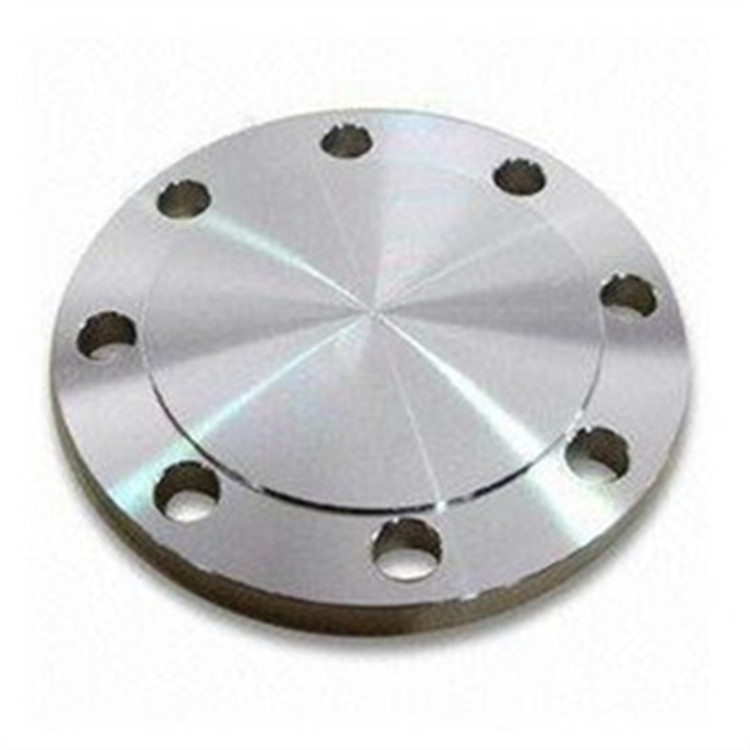
China stub end flanges are integral components in piping systems, functioning as connectors between pipes, valves, pumps, and other equipment. They are characterized by a short 'stub' extending from the flange face, facilitating easier welding and reducing stress concentration. Predominantly employed in high-pressure and high-temperature applications across sectors like oil & gas, petrochemicals, power generation, and water treatment, these flanges offer a robust and reliable sealing solution. Their manufacturing origin in China necessitates a keen understanding of material certifications, quality control processes, and adherence to international standards to ensure compatibility and longevity within demanding industrial environments. Performance is directly correlated to proper selection of materials, weld procedures, and bolt torque specifications.
Material Science & Manufacturing
Stub end flanges are commonly manufactured from carbon steel (ASTM A105, equivalent to GB/T 1295-2010), stainless steel (304/304L, 316/316L – ASTM A182, GB/T 1295-2010), and alloy steels (e.g., A182 F11, F22). Carbon steel provides good strength and cost-effectiveness, while stainless steel offers superior corrosion resistance. Alloy steels are used for extreme temperature and pressure conditions. The manufacturing process typically begins with forging or casting of the flange blank. Forging, specifically utilizing closed-die forging, results in a denser microstructure and improved mechanical properties. Following forging, the flange undergoes machining to achieve precise dimensions and surface finish. Key parameters controlled during machining include concentricity, flange face flatness, and bore diameter. Welding, utilizing Shielded Metal Arc Welding (SMAW) or Gas Tungsten Arc Welding (GTAW) processes, is crucial for attaching the stub end. Pre- and post-weld heat treatment (PWHT) is often implemented to relieve residual stresses and enhance the weld's toughness. Material traceability is paramount, requiring adherence to EN 10204 3.1 or 3.2 certifications. Chemical composition verification is performed using methods like Optical Emission Spectrometry (OES) according to ASTM E415. Non-destructive testing (NDT) like Radiographic Testing (RT), Ultrasonic Testing (UT) and Magnetic Particle Inspection (MPI) are standard quality control measures.
Performance & Engineering
The performance of a stub end flange is governed by several engineering considerations. Stress analysis, particularly finite element analysis (FEA) is used to optimize flange design and predict behavior under pressure and temperature loads. Bolt circle diameter, flange thickness, and hub diameter are crucial parameters. The governing standard, ASME B16.5, dictates pressure-temperature ratings based on material and dimensions. Environmental resistance is critical. In corrosive environments, the choice of stainless steel grade and the application of protective coatings (e.g., epoxy, PTFE) are essential. Galvanic corrosion, resulting from dissimilar metal contact, must be avoided through proper material selection and the use of insulating gaskets. Fatigue resistance is paramount in cyclic loading applications. Factors affecting fatigue life include stress concentration at the weld toe and surface finish. Compliance requirements vary by region and industry. For example, the European Pressure Equipment Directive (PED) 2014/68/EU sets stringent requirements for pressure-containing equipment, including flanges. Proper gasket selection is also crucial for maintaining a reliable seal. Gasket materials must be chemically compatible with the process fluid and capable of withstanding the operating temperature and pressure. Bolt tightening procedures, following standards like ASME PCC-1, are critical to achieve the designed sealing performance.
Technical Specifications
| Parameter | ASTM A105 (Carbon Steel) | ASTM A182 304/304L (Stainless Steel) | ASTM A182 F316 (Stainless Steel) |
|---|---|---|---|
| Yield Strength (MPa) | 250 | 205 | 205 |
| Tensile Strength (MPa) | 400 | 515 | 550 |
| Elongation (%) | 22 | 30 | 30 |
| Hardness (Brinell) | 110-130 | 85-100 | 85-100 |
| Maximum Service Temperature (°C) | 260 | 870 | 870 |
| Corrosion Resistance | Low | Good | Excellent |
Failure Mode & Maintenance
Common failure modes for stub end flanges include fatigue cracking at the weld toe, bolt failure due to over-tightening or corrosion, gasket failure due to improper selection or installation, and flange face distortion due to thermal cycling or excessive loads. Corrosion, particularly pitting corrosion in chloride-containing environments, can severely degrade the flange material. Stress corrosion cracking (SCC) is a significant concern in high-temperature, high-stress applications. Failure analysis typically involves visual inspection, non-destructive testing (NDT), and metallographic examination. Preventative maintenance includes regular bolt torque checks, visual inspection for corrosion and cracking, and gasket replacement. Proper lubrication of bolts prevents galling and facilitates accurate torque application. For flanges operating in corrosive environments, periodic inspections for pitting corrosion and consideration of protective coatings are essential. If distortion is detected, re-machining the flange face may be necessary. Weld repairs should be performed by qualified welders following established procedures. Careful documentation of maintenance activities, including inspection dates, torque values, and repair details, is critical for tracking flange performance and identifying potential issues.
Industry FAQ
Q: What is the significance of material certification (EN 10204 3.1) for imported stub end flanges?
A: EN 10204 3.1 certification verifies that the material meets the specified chemical composition and mechanical properties. It provides traceability back to the steel mill and assures the purchaser of the material's quality, mitigating the risk of using substandard materials that could lead to premature failure.
Q: How does the flange facing (Raised Face, Flat Face) impact sealing performance?
A: Raised Face (RF) flanges provide a narrow contact area, resulting in higher gasket stress and a more reliable seal for moderate pressures. Flat Face (FF) flanges are used with flat gaskets and are suitable for low-pressure applications or where equipment mating surfaces are not perfectly flat. Incorrect matching of facing types can lead to leaks and system failures.
Q: What are the potential consequences of over-tightening flange bolts?
A: Over-tightening can stretch the bolts beyond their yield strength, leading to permanent deformation and reduced clamping force. It can also distort the flange face, damaging the gasket and creating leak paths. Proper torque values, based on bolt size and material, must be strictly adhered to using calibrated torque wrenches.
Q: How do different gasket materials perform under varying temperature and chemical conditions?
A: Gasket material selection is crucial. Non-asbestos fiber gaskets are suitable for moderate temperatures and pressures. PTFE gaskets offer excellent chemical resistance but have limited compressive strength. Metallic gaskets are used for high-temperature, high-pressure applications. The gasket's compatibility with the process fluid must be verified to prevent swelling, degradation, or chemical attack.
Q: What role does Non-Destructive Testing (NDT) play in ensuring the integrity of stub end flanges?
A: NDT methods like Radiographic Testing (RT), Ultrasonic Testing (UT) and Magnetic Particle Inspection (MPI) detect internal and surface flaws without damaging the flange. RT reveals volumetric defects, UT detects internal cracks and flaws, and MPI identifies surface and near-surface defects. These inspections ensure the flange meets quality standards and prevent catastrophic failures.
Conclusion
China stub end flanges are critical components in numerous industrial applications, demanding careful consideration of material selection, manufacturing processes, and performance engineering. Adherence to internationally recognized standards, such as ASME B16.5 and EN 1092-1, is paramount for ensuring reliability and safety. Understanding potential failure modes, coupled with a robust preventative maintenance program, is vital for maximizing the service life and minimizing downtime.
The growing demand for these flanges necessitates continuous improvement in quality control and traceability. Future trends include the adoption of advanced NDT techniques, the development of corrosion-resistant alloys, and the integration of digital technologies for predictive maintenance. By prioritizing technical rigor and adhering to best practices, industries can leverage the benefits of China-manufactured stub end flanges while mitigating associated risks.
-
Top Reasons to Choose a Stainless Steel Flange Check Valve for Industrial Applications
-
circle seal check valve Performance Engineering
-
circle seal check valves Performance Analysis
-
cryogenic check valve Performance Analysis
-
3 swing check valve Performance Analysis
-
4 wafer check valve Performance Analysis
-
6 wafer check valve Performance Analysis
-
cryogenic check valves Performance Analysis
-
soft seated check valve Performance Analysis
-
3/4 check valve Performance Analysis
-
wafer style check valve Performance Analysis
-
check valve with orifice Performance Analysis
-
check valve 8 inch Performance Analysis
-
1 1 2 inch check valve Performance Analysis
-
cast iron check valves Performance Analysis
 Afrikaans
 Albanian
 Amharic
 Arabic
 Armenian
 Azerbaijani
 Basque
 Belarusian
 Bengali
 Bosnian
 Bulgarian
 Catalan
 Cebuano
 Corsican
 Croatian
 Czech
Czech
 Danish
 Dutch
Dutch
 Esperanto
 Estonian
 Finnish
 French
 Frisian
 Galician
 Georgian
 German
 Greek
Greek
 Gujarati
 Haitian Creole
 Hausa
Hawaiian
Hausa
Hawaiian
 Hebrew
 Hindi
Hindi
 Miao
Miao
 Hungarian
 Icelandic
 Igbo
Igbo
 Indonesian
 Irish
Irish
 Italian
 Japanese
 Javanese
Kannada
Javanese
Kannada
 Kazakh
 Khmer
Khmer
 Rwandese
 Korean
 Kurdish
 Kyrgyz
 Lao
Lao
 Latin
Latin
 Latvian
 Lithuanian
 Luxembourgish
 Macedonian
 Malgashi
 Malay
Malay
 Malayalam
 Maltese
 Maori
Maori
 Marathi
 Mongolian
 Myanmar
 Nepali
 Norwegian
 Norwegian
 Occitan
 Pashto
 Persian
 Polish
 Portuguese
Punjabi
Portuguese
Punjabi
 Romanian
 Russian
 Samoan
 Scottish Gaelic
 Serbian
 Sesotho
 Shona
Shona
 Sindhi
 Sinhala
 Slovak
 Slovenian
 Somali
 Spanish
 Sundanese
 Swahili
 Swedish
Tagalog
Swedish
Tagalog
 Tajik
Tajik
 Tamil
Tamil
 Tatar
Tatar
 Telugu
 Thai
Thai
 Turkish
 Turkmen
 Ukrainian
 Urdu
Urdu
 Uighur
 Uzbek
Uzbek
 Vietnamese
 Welsh
Welsh
 Bantu
Bantu
 Yiddish
 Yoruba
 Zulu
Zulu
 English